

Gasping after a meal isn’t always a heart attack.
If you’ve ever felt short of breath after eating, you’re not alone.
Sometimes it’s a tiny piece of food in the airway or an allergic reaction that starts within minutes.
Other times it’s reflux, a hiatal hernia (when part of the stomach pushes into the chest), or an overfull stomach pushing on the diaphragm and showing up 15 to 60 minutes later.
This post explains common and less common causes, clear red flags, and what to track so you know when to call a clinician.
Understanding Immediate Reasons for Breathlessness After Meals

Dyspnea is that feeling you can’t quite get enough air. It might feel like a tight band around your chest or like your lungs won’t fill all the way. When it happens right after eating, timing tells you a lot. Immediate breathlessness, within seconds or minutes, often points to inhaling a small piece of food, an allergic reaction, or a spasm in the airway. Delayed breathlessness, showing up 15 to 60 minutes after a meal, usually signals mechanical pressure from a full stomach pushing on the diaphragm, acid reflux irritating the airways, or a hernia allowing stomach contents to shift upward into the chest.
The pattern of onset helps narrow down what’s going on. If you feel throat tightness or lip swelling within minutes of eating shellfish or peanuts, that suggests anaphylaxis, a severe allergic emergency. If you notice a burning sensation in your chest followed by wheezing an hour after a heavy meal, GERD or hiatal hernia may be the culprit. Large meals, especially rich or gas producing foods, can press the stomach against the diaphragm and lungs, reducing space for your lungs to expand fully and making each breath feel shallow or effortful.
Most post-meal breathlessness isn’t life threatening. But certain combinations of symptoms raise concern. Airway swelling, chest pain, fainting, or sudden severe difficulty breathing all demand immediate attention. Tracking when your symptoms start, what you ate, and what else you feel can help a clinician pinpoint the cause and guide safer next steps.
Common early clues that help differentiate causes:
Symptom onset within 5 minutes usually indicates allergy, aspiration, or airway reaction. Burning or sour taste in the throat points toward acid reflux or GERD. Bloating and belching alongside breathlessness suggest overeating or diaphragm pressure. Rapid or irregular heartbeat with breathlessness may signal a cardiac trigger. Chronic cough with mucus production hints at COPD or another lung condition worsened by meals.
Common Causes Behind Shortness of Breath After Eating
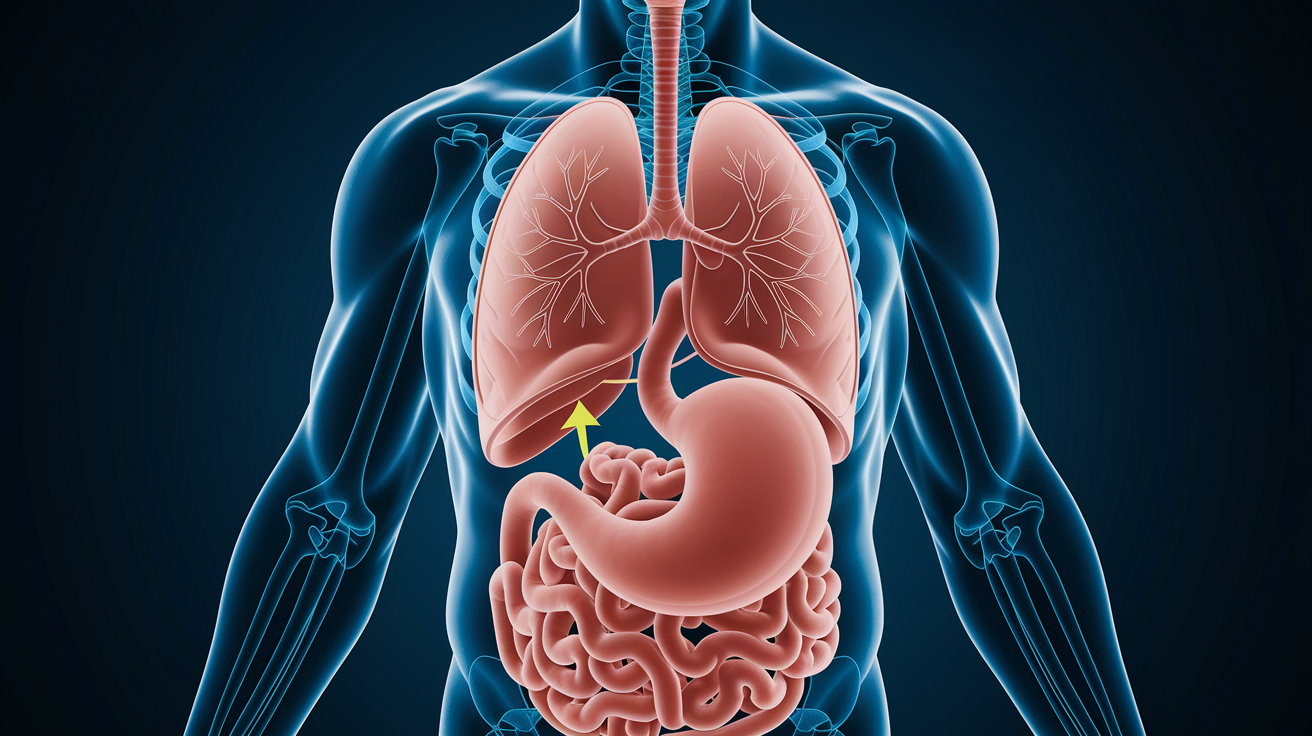
Most people who experience shortness of breath after eating are dealing with gastrointestinal pressure or reflux that interferes with normal breathing mechanics. A full stomach can push upward on the diaphragm, the muscle that controls lung expansion, reducing the space available for your lungs to fill with air. Acid from the stomach can also travel up the esophagus and irritate the airways, triggering cough, wheeze, or a sensation of tightness in the chest.
GERD as a Trigger for Breathing Symptoms
Gastroesophageal reflux disease, or GERD, occurs when stomach acid flows back into the esophagus more than twice a week. Over time, the lower esophageal sphincter, the ring of muscle that normally keeps stomach contents in place, becomes weak or relaxes at the wrong times. When acid reaches the upper throat or airways, it can cause hoarseness, a dry cough, and even asthma-like wheezing. Eating is a common trigger because it increases stomach acid production and puts pressure on the sphincter, especially if you eat large portions, spicy foods, or lie down soon after a meal.
Hallmark signs of GERD related breathing difficulty:
Burning sensation in the lower chest or mid-abdomen that worsens after eating. Sour or bitter taste in the mouth, especially when lying down or bending over. Persistent dry cough or throat clearing, often worse at night. Hoarseness or a scratchy voice that doesn’t resolve with rest.
Hiatal Hernia Effects
A hiatal hernia happens when part of the stomach pushes upward through the opening in the diaphragm normally used by the esophagus. This displacement creates pressure on the lungs and diaphragm, and it worsens reflux because the stomach is no longer held in its usual position. Risk factors include obesity, which increases abdominal pressure, and tobacco use, which weakens connective tissue.
| Symptom | Why It Happens | Typical Trigger |
|---|---|---|
| Shortness of breath after eating | Stomach presses upward on diaphragm and lungs | Large or rich meals |
| Heartburn or chest pain | Acid reflux worsens due to hernia position | Lying down or bending over after meals |
| Difficulty swallowing | Esophagus is narrowed or kinked by hernia | Eating too quickly or swallowing large bites |
Overeating and Bloating
When you eat more food than your stomach can comfortably hold, the stomach wall stretches and pushes upward against the diaphragm. This mechanical pressure reduces the distance your diaphragm can move with each breath, forcing your lungs to work harder to pull in the same amount of air. Foods that produce gas, such as beans, cabbage, carbonated drinks, and certain grains, worsen the problem by increasing abdominal volume even further. The result is a shallow, labored breathing pattern that feels like you can’t get a full breath, even though your oxygen levels may be normal.
When Shortness of Breath After Eating Signals an Allergy Reaction
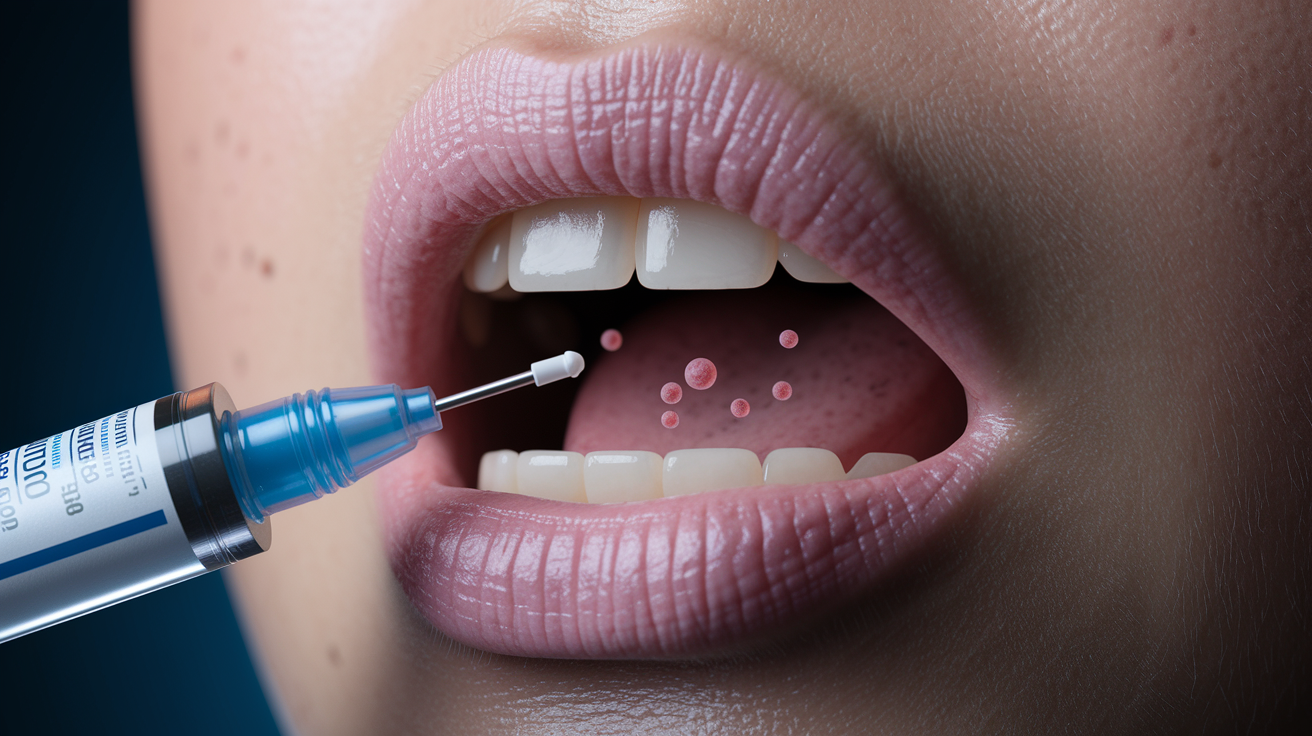
Food allergies can cause breathing problems that range from mild throat itchiness to life threatening airway closure. Mild to moderate allergic reactions often include tingling or swelling in the lips, tongue, or roof of the mouth, hives on the skin, and a feeling of tightness in the throat. These symptoms usually start within minutes of eating the trigger food. Common culprits include peanuts, tree nuts, shellfish, eggs, and dairy. If you notice these signs, stop eating immediately and monitor closely, but don’t dismiss them as minor if they persist or worsen.
Anaphylaxis is the severe, rapid form of allergic reaction and it’s a medical emergency. The immune system releases a flood of chemicals that cause blood vessels to dilate and airways to constrict. Blood pressure can drop suddenly, the heart may race or beat irregularly, and swelling in the throat can block the airway entirely. Epinephrine, delivered via an auto-injector like an EpiPen, is the only first-line treatment that can reverse these changes quickly enough to prevent cardiac arrest or death. Even if symptoms seem to improve after epinephrine, emergency care is still required because a second wave of symptoms can occur hours later.
Red-flag symptoms requiring immediate action:
Swelling of the lips, tongue, or throat that makes swallowing or speaking difficult. Sudden onset of wheezing, coughing, or noisy breathing that worsens rapidly. Hives or flushing spreading across large areas of the body. Dizziness, fainting, or a sense of impending doom. Rapid or weak pulse, or a drop in blood pressure causing confusion or loss of consciousness. Severe abdominal cramping, vomiting, or diarrhea occurring alongside breathing trouble.
Cardiac and Pulmonary Conditions That Can Cause Post-Meal Dyspnea

Heart and lung diseases can both produce shortness of breath after eating, and their symptoms often overlap. The extra work of digestion increases oxygen demand, and if your heart or lungs can’t keep up, you may feel breathless, dizzy, or fatigued. Telling the difference between cardiac and pulmonary causes usually requires medical testing, but certain symptom patterns can offer clues.
Arrhythmia and Heart Related Causes
An arrhythmia is an irregular heartbeat. While many are harmless, some can be serious enough to cause chest pain, fainting, or cardiac arrest. Eating can trigger arrhythmias in susceptible people because digestion increases heart rate and shifts blood flow toward the stomach. The heart may beat too fast, too slow, or in an uncoordinated pattern, reducing its ability to pump blood efficiently. When that happens, less oxygen reaches the lungs and body, and you feel short of breath.
Associated symptoms that suggest a cardiac cause:
Rapid, fluttering, or pounding heartbeat that starts during or shortly after a meal. Chest pain or pressure that feels like squeezing or heaviness. Dizziness, lightheadedness, or near-fainting spells. Fatigue that seems out of proportion to the size or type of meal you ate.
COPD and Other Chronic Lung Conditions
Chronic obstructive pulmonary disease, or COPD, is a progressive lung disease most often caused by smoking or long-term exposure to secondhand smoke. The airways become inflamed and narrowed, and the lungs lose their ability to fully empty with each breath. Large meals worsen COPD symptoms because the expanded stomach presses upward on the diaphragm, reducing the space available for the lungs to expand and making it harder to move air in and out.
| Condition | Key Symptom | Why It Worsens After Eating |
|---|---|---|
| COPD | Chronic cough with mucus, wheezing, chest tightness | Full stomach presses on diaphragm and reduces lung expansion |
| Congestive heart failure | Shortness of breath, swelling in legs or abdomen | Increased cardiac workload during digestion worsens fluid backup in lungs |
| Asthma triggered by food | Wheeze, chest tightness, increased mucus | Specific foods or preservatives (e.g., sulfites) can trigger airway inflammation |
Diagnostic Steps for Ongoing Breathlessness After Meals

Diagnosing the cause of post-meal shortness of breath requires multiple assessments because symptoms overlap widely across gastrointestinal, cardiac, pulmonary, and allergic causes. A clinician will start with a detailed history of when symptoms occur, what you were eating, how long they last, and what other symptoms appear alongside the breathlessness. Physical examination, vital signs, and pulse oximetry to measure oxygen saturation provide immediate clues about severity and urgency.
Respiratory and cardiac testing help rule in or out heart and lung conditions. An electrocardiogram, or ECG, records the electrical activity of your heart and can detect arrhythmias, signs of prior heart attacks, or strain patterns. Chest X-rays or CT scans show structural problems like hiatal hernia, lung infections, fluid in the lungs, or signs of COPD. Pulmonary function tests measure how well your lungs move air in and out and can identify obstructive or restrictive patterns that worsen with meals.
Gastrointestinal and allergy focused testing is needed when reflux or food reactions are suspected. Upper endoscopy allows direct visualization of the esophagus and stomach to diagnose GERD, hiatal hernia, or inflammation. A supervised oral food challenge, conducted in a controlled medical setting, can confirm or rule out specific food allergies. Swallow studies or bedside swallowing evaluations check whether food or liquid is entering the airway instead of the esophagus, a condition called aspiration that can cause pneumonia and breathing trouble.
Five steps to keep an effective symptom diary:
Record the date, time, and exact foods and beverages consumed at each meal, including portion sizes and preparation methods. Note the timing of symptom onset. How many minutes after you started eating did breathlessness begin? Describe the sensation in plain language. Tight chest, can’t get a full breath, wheezing, burning, or pressure. List all other symptoms that occurred at the same time, such as heartburn, nausea, rapid heartbeat, dizziness, hives, or throat tightness. Track what helped or made it worse. Resting, sitting upright, taking medication, drinking water, or using an inhaler.
How to Reduce Shortness of Breath After Eating Through Lifestyle Adjustments

Meal size, timing, and food choices directly affect how much pressure your stomach puts on your diaphragm and how much acid your stomach produces. Eating smaller, more frequent meals instead of three large ones reduces stomach volume and lowers the mechanical load on your lungs. Slowing down while you eat and chewing each bite thoroughly gives your stomach time to signal fullness before you overeat, and it reduces the amount of air you swallow, which can contribute to bloating. Staying upright for at least one hour after eating uses gravity to keep stomach contents down and away from the esophagus and airways.
Chronic condition management is necessary if you have GERD, asthma, COPD, or heart disease. For GERD, avoid trigger foods such as spicy dishes, fatty meals, citrus, tomatoes, chocolate, caffeine, and alcohol, and don’t lie down within two to three hours of eating. If you have asthma triggered by food preservatives like sulfites, read labels carefully and avoid wine, dried fruit, and processed foods that list sulfites as an ingredient. People with heart failure should limit salt intake to reduce fluid retention, and those with COPD benefit from pulmonary rehabilitation and breathing exercises that improve diaphragm strength.
Eight actions to reduce or prevent post-meal dyspnea:
Eat smaller portions spread across four to six meals per day instead of three large ones. Chew slowly and put your fork down between bites to pace yourself and reduce air swallowing. Avoid lying down, bending over, or exercising for at least one hour after eating. Identify and eliminate trigger foods by keeping a symptom diary and testing one food at a time. Stay upright during and after meals, sitting in a chair or standing rather than reclining. Manage acid reflux with over-the-counter antacids or prescription medications as advised by your clinician. If you have known food allergies, carry an epinephrine auto-injector and know how to use it. Reduce intake of gas producing foods such as beans, cabbage, carbonated drinks, and artificial sweeteners if bloating worsens breathlessness.
When Shortness of Breath After Eating Requires Immediate Medical Care

Severe allergic symptoms, such as sudden swelling of the lips, tongue, or throat, demand immediate action because airway closure can happen within minutes. If you or someone near you develops difficulty speaking, noisy breathing, or a sense of the throat closing, use an epinephrine auto-injector if available and call emergency services right away. Chest pain that feels like pressure, squeezing, or heaviness, especially when paired with shortness of breath, could signal a heart attack or unstable angina and requires emergency evaluation even if it started after a meal.
Rapid escalation of breathing trouble, worsening wheeze, bluish skin or lips, confusion, or fainting are all signs that oxygen levels are dangerously low or that the heart is failing to pump effectively. Don’t wait to see if symptoms improve on their own. If you have a known food allergy and accidentally ate a trigger food, use your epinephrine injector at the first sign of throat tightness or difficulty breathing, then seek emergency care even if symptoms seem to resolve. Anaphylaxis can recur in a second wave hours after the initial reaction.
Six signs that require immediate emergency care:
Swelling in the throat, tongue, or lips that makes swallowing or breathing difficult. Sudden severe shortness of breath that worsens rapidly or doesn’t improve with rest. Chest pain, pressure, or tightness, especially if it radiates to the jaw, shoulder, or arm. Oxygen saturation below 90 percent on a pulse oximeter, or bluish color in the skin, lips, or nail beds. Fainting, near-fainting, confusion, or altered mental state occurring alongside breathing trouble. Persistent vomiting, severe abdominal pain, or diarrhea combined with difficulty breathing and dizziness.
Final Words
If you notice shortness of breath after eating, start by noting timing and other symptoms. Immediate breathing trouble with swelling or hives suggests allergy; chest tightness, cough, or a burning feeling often points to reflux, hiatal hernia, or pressure on the lungs.
Track when it starts, meal size, and related signs. Try smaller portions, slower eating, and staying upright after meals.
If you’ve asked “what does shortness of breath after eating mean”, it’s often reflux or pressure but sometimes allergy or heart/lung issues—watch red flags and seek care if it’s severe.
FAQ
Q: Why do I struggle to breathe after eating?
A: Struggling to breathe after eating can happen for several reasons: food allergy or anaphylaxis, acid reflux (GERD), hiatal hernia, overeating pressing on the diaphragm, or heart or lung problems. Seek immediate care for swelling, chest pain, fainting, or severe breathlessness.