

Think headaches are only from stress or bad posture?
Think again.
Some everyday foods can actually trigger a headache hours or even days later.
They release compounds that change blood vessel tone or brain chemistry, and for people prone to migraines (a severe, throbbing headache) that can be enough to start pain.
The problem is reactions vary and often show up late, so guessing rarely works.
This post explains which foods commonly cause problems, how those chemicals act, and a simple way to track and test your own triggers so you can cut down on attacks.
Key Food Triggers for Headaches and How They Cause Symptoms

Certain foods can trigger headaches by dumping compounds into your system that mess with blood vessel tone, shift neurotransmitter levels, or irritate your gut. Amine compounds like tyramine and phenylethylamine change how the blood vessels in your brain tighten and loosen. Preservatives such as nitrates and nitrites can relax vessel walls. Histamine that builds up during fermentation also triggers vasodilation, which can kick off a migraine. Even additives you don’t think about—artificial sweeteners, MSG, and sulfites—can set things off if you’re sensitive.
Food triggers hit migraines harder than tension headaches. Migraines respond to chemical changes in blood vessels and neurotransmitters. Tension headaches usually come from muscle tightness and stress. That distinction matters. If you get a throbbing, one-sided headache after a glass of red wine, you’re probably dealing with a migraine trigger. If your headache builds slowly across your forehead after a long day at your desk, food’s less likely to be the problem.
Individual sensitivity varies a lot, and reactions can show up late. Some people notice a headache within hours of eating a trigger food. Others may not feel pain for 24 to 72 hours, which makes connecting cause and effect harder without careful tracking. What sets off a migraine in one person can be totally harmless to another.
Common dietary triggers include:
Aged cheeses like cheddar, blue cheese, and parmesan, which contain high tyramine. Processed meats such as bacon, sausages, and hot dogs, loaded with nitrates and nitrites. Alcohol, especially red wine, which delivers histamine and sulfites. Chocolate, which carries phenylethylamine and caffeine. Citrus fruits, whose acids and compounds may irritate sensitive systems. Fermented foods like soy sauce, kimchi, and sauerkraut, rich in histamine. Artificial sweeteners including aspartame and sucralose, often found in diet products. Caffeine from coffee, tea, or soda, which can trigger headaches during withdrawal or overuse.
How Biogenic Amines and Additives in Foods Trigger Headaches

Biogenic amines form naturally when proteins break down, especially during aging, fermentation, or prolonged storage. Tyramine’s the most common problem. Your body normally breaks it down quickly, but when you eat large amounts at once, it can trigger the release of norepinephrine, which narrows and then widens cerebral blood vessels. That vascular shift can start a migraine in susceptible people. Phenylethylamine, found in chocolate and some nuts, works the same way by affecting blood pressure and vascular tone. Both compounds are more concentrated in foods that sit, age, or ferment.
Preservatives and flavor enhancers add another layer of risk. Nitrates and nitrites keep processed meats safe and pink, but they dilate blood vessels in ways that can provoke headaches. Monosodium glutamate (MSG), used to boost flavor in soups, chips, and restaurant dishes, may act as an excitotoxin in sensitive individuals, overstimulating nerve cells and triggering symptoms. Artificial sweeteners like aspartame have been linked to headaches in some people, though the exact mechanism’s still debated. Histamine, found naturally in aged wine, fermented vegetables, and certain cheeses, causes vasodilation and inflammatory responses that can cascade into migraine pain.
| Compound | Common Food Sources | How It May Trigger Headaches |
|---|---|---|
| Tyramine | Aged cheeses, cured meats, soy sauce, pickled foods | Increases norepinephrine release, causing blood vessel constriction followed by dilation |
| Histamine | Red wine, fermented vegetables, aged cheese, beer | Triggers vasodilation and inflammatory pathways in sensitive individuals |
| Nitrates/Nitrites | Bacon, hot dogs, ham, deli meats | Relaxes smooth muscle in blood vessel walls, leading to headache |
| Phenylethylamine | Chocolate, some nuts | Alters blood pressure and vascular tone, contributing to migraine onset |
| MSG | Fast foods, soups, chips, sauces, marinades | May overstimulate neurons in sensitive people, provoking headache |
Understanding Headache Triggers by Biological Mechanism Categories

Amine Compounds (Tyramine and Phenylethylamine)
Tyramine and phenylethylamine are naturally occurring amines that pile up when proteins ferment or age. Tyramine appears in aged cheeses, vinegars, and cured meats. Phenylethylamine’s concentrated in chocolate and certain nuts. Both compounds influence how blood vessels in the brain expand and contract, which can cross the threshold into migraine pain for people with sensitive vascular systems.
Histamine and Fermentation-Related Reactions
Histamine builds up during fermentation, which is why red wine, kimchi, sauerkraut, and aged cheeses are common offenders. If your body can’t break down histamine quickly, either because of low enzyme activity or a large dose at once, it can cause blood vessels to widen and inflammatory signals to rise. That combination often sets off migraine symptoms, especially when paired with other triggers like poor sleep or stress.
Additive-Related Triggers (Nitrates, Nitrites, MSG, Sweeteners)
Nitrates and nitrites preserve processed meats by stopping bacterial growth, but they also relax blood vessel walls. Monosodium glutamate (MSG) appears in countless packaged and restaurant foods, sometimes under different names like hydrolyzed protein or autolyzed yeast extract. Artificial sweeteners such as aspartame and sucralose are widely used in sugar-free products. Each of these additives has been reported as a headache trigger by sensitive individuals, though responses vary.
Caffeine Overuse and Withdrawal Mechanisms
Caffeine can relieve a headache or cause one, depending on how you use it. Regular daily intake keeps blood vessels in a steady state. Sudden withdrawal causes them to dilate, often triggering a rebound headache within 24 hours. Overuse, typically above 200 to 300 mg per day, can also provoke headaches in some people. Small, consistent doses are less risky than erratic patterns like skipping your morning coffee on weekends.
Why Some People React to Foods: Migraine vs Tension Headache Differences
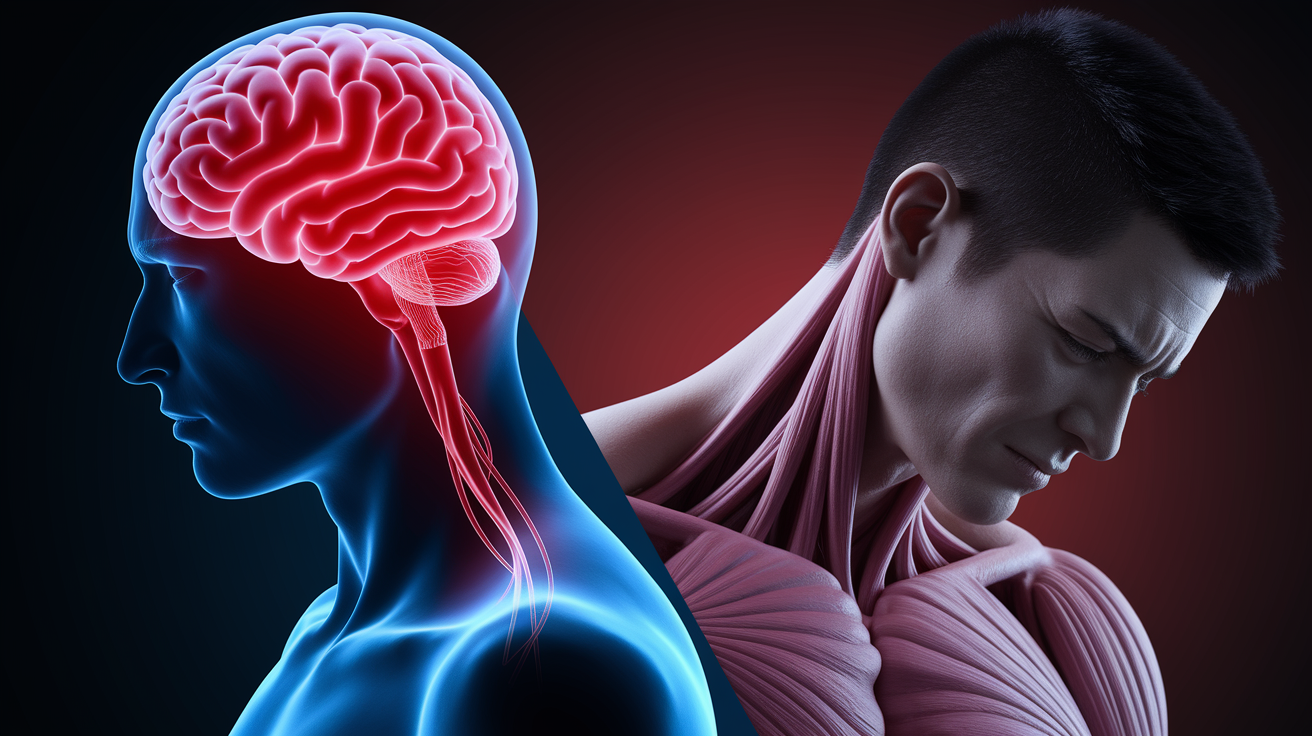
Migraines are driven by biochemical and vascular changes, which is why they respond to dietary chemicals like tyramine, histamine, and nitrates. The brain of someone prone to migraines has stronger functional connections between autonomic pathways and pain centers, so even small chemical shifts can cross the threshold into an attack. Tension headaches, by contrast, come mostly from muscle tightness in the neck, shoulders, and scalp, often linked to stress, posture, or prolonged screen time.
Food triggers play a minor role in tension headaches. While skipping a meal can lower blood sugar and contribute to head pain, the classic tension headache’s more about physical tension and emotional load than about what you ate. Migraines can be provoked by specific foods even when stress and sleep are stable.
Only about 10 percent of people with migraines report food as a primary trigger, but for those who do, the effect’s real and sometimes delayed. A food-triggered migraine can take up to three days to develop, which makes tracking essential. Keep in mind that triggers often stack. Poor sleep plus a glass of red wine plus a skipped lunch can combine to push you over the threshold, even if none of those factors alone would have caused a headache.
Key differences between migraine and tension triggers:
Migraines are more likely to be provoked by tyramine, histamine, nitrates, and caffeine withdrawal. Tension headaches are more closely tied to muscle strain, stress, and posture. Migraines can appear hours or days after exposure to a dietary trigger. Tension headaches usually develop gradually over the course of a stressful day.
How to Identify Your Personal Food and Headache Triggers

Identifying which foods trigger your headaches requires systematic tracking, not guesswork. Start by keeping a detailed food and symptom journal. Record the date and time of each meal, the specific foods and drinks you consumed, approximate portion sizes, and any headache symptoms that follow. Also note sleep quality, hydration, stress level, and any medications you took. This context helps you spot patterns that might otherwise stay hidden.
Food-triggered headaches often show up 24 to 72 hours after exposure, which means you need to review several days at once. A headache on Wednesday might trace back to the aged cheese you ate Monday night, not the salad you had for lunch that day. Patterns emerge over weeks, not days, so keep tracking even when you don’t see immediate connections.
To build a reliable food diary, follow these steps:
Write down every food and drink, including condiments, sauces, and sweeteners. Note the time you ate and the approximate portion size. Record headache onset time, severity (mild, moderate, severe), and duration. Track sleep hours, stress events, and hydration (aim for around 8 cups of water daily). Include any medications or supplements you took that day. Review your entries weekly to look for foods or patterns that appear before headaches.
Step-by-Step Elimination Diet Process for Headache Trigger Discovery
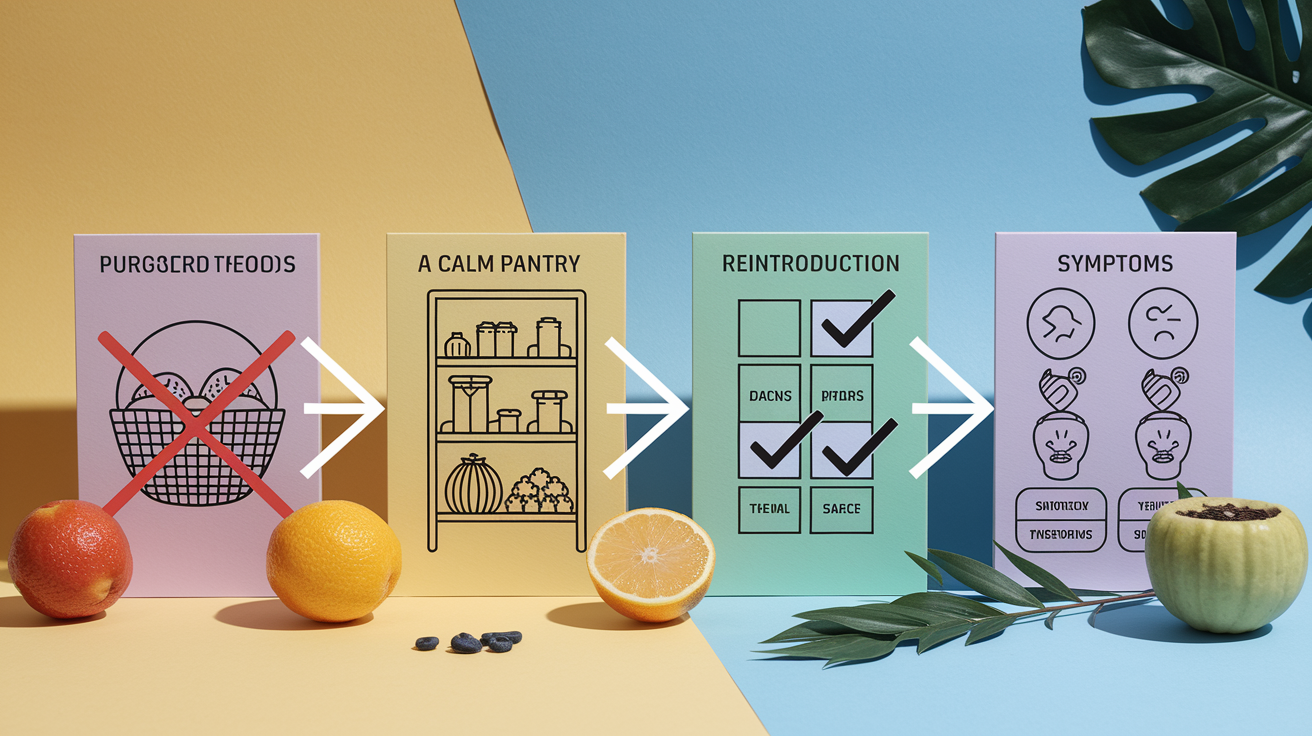
An elimination diet’s the most reliable way to confirm which foods provoke your headaches. The process is simple in concept. Remove a suspected trigger for several weeks, then reintroduce it and watch for symptoms. But it requires patience and careful observation. Start by choosing one category of foods to eliminate. Common first choices include aged cheeses, processed meats, alcohol, or chocolate. Remove all foods in that category for six to eight weeks. During this time, continue your food and symptom journal to track whether your headache frequency or severity decreases.
After the elimination window, reintroduce the food in a moderate portion and monitor your response for 48 to 72 hours. If a headache appears during that window, especially if it matches your usual migraine pattern, you’ve likely identified a trigger. If nothing happens, that food may be safe for you. Repeat the process for other suspected categories one at a time. Avoid eliminating multiple foods at once. It makes it impossible to know which one was the culprit if your headaches improve.
Keep your overall diet balanced during elimination. Cutting out too many foods can lead to nutritional gaps, low energy, or blood sugar swings, all of which can themselves trigger headaches. If you’re unsure how to structure a safe elimination plan, consider working with a registered dietitian who specializes in headache management.
To run a safe and effective elimination diet:
Remove only one suspected food category at a time. Wait six to eight weeks before reintroducing, watching for improvement. Reintroduce in a normal portion and track symptoms for up to 72 hours. Confirm causality by repeating the reintroduction a second time if needed.
Daily Eating Habits That Reduce Headache Frequency

Stable eating patterns can lower your baseline headache risk, even if you haven’t yet pinpointed every dietary trigger. Start by eating meals at consistent times each day. Skipping meals or going more than four to five hours without food can drop your blood sugar, which often leads to headaches. Your brain relies on steady glucose, and even small dips can shift vascular tone or trigger stress hormones that provoke pain.
Hydration matters just as much. Aim for about 2 liters of fluids per day, roughly eight cups, adjusting higher if you exercise, live in a hot climate, or sweat heavily. Dehydration’s one of the most common and preventable headache triggers. If you drink caffeine regularly, keep your intake consistent. Sudden changes, like skipping your morning coffee on the weekend, can cause withdrawal headaches within 24 hours.
Routine changes of any kind can provoke migraines in sensitive people. Shift work, travel across time zones, or even sleeping in on weekends can disrupt the patterns your brain depends on. When possible, stick to the same wake time and meal schedule every day. Stress and weather shifts can interact with food triggers, so if you know a cold front’s coming or you’re facing a high-stress week, be extra cautious about known dietary risks.
Simple habits that reduce headache frequency:
Eat regular meals and snacks to stabilize blood sugar. Drink water consistently throughout the day, aiming for about 8 cups. Keep caffeine intake steady. Avoid abrupt increases or sudden stops. Maintain consistent sleep and wake times, even on weekends. Limit exposure to known triggers during stressful periods or weather changes.
Managing Food and Headache Triggers When Eating Out

Eating out makes it harder to control what goes into your food, but a few strategies can lower your risk. Many restaurant dishes contain hidden MSG, nitrates, sulfites, and high-tyramine ingredients in sauces, marinades, dressings, and broths. Processed meats appear in salads, pasta, and breakfast plates. Fermented condiments like soy sauce and fish sauce are used liberally in Asian cuisines. Artificial sweeteners hide in “sugar-free” desserts and drinks.
When you order, ask simple questions. Can the dish be prepared without soy sauce, teriyaki glaze, or MSG? Can you get grilled chicken instead of bacon or sausage? Request dressings and sauces on the side so you can control the portion. Avoid buffets and fast-food chains where ingredient lists are hard to confirm. Remember that reactions can take up to 72 hours, so if you get a headache two days after eating out, review what you ordered and where you went.
Tips for safer restaurant meals:
Ask for sauces, dressings, and marinades on the side. Choose simply grilled or roasted proteins instead of cured or processed meats. Request no MSG or flavor enhancers if the kitchen can accommodate. Avoid dishes with strong fermented flavors like teriyaki, hoisin, or fish sauce if you’re histamine-sensitive.
Supplements and Nutrients That May Help Reduce Headache Risk

Some nutrients have evidence supporting their role in migraine prevention, though they work best alongside trigger avoidance and stable routines. Magnesium’s one of the most studied. Many people with migraines have lower magnesium levels, and supplementation may reduce attack frequency. Riboflavin, also known as vitamin B2, has shown benefit in several clinical trials when taken daily at higher doses, typically 400 mg. Omega-3 fatty acids from fish oil may help by reducing inflammation and supporting vascular health.
Coenzyme Q10 is another option with emerging evidence, though studies are smaller and results are mixed. Some research suggests vitamin D deficiency’s more common in people with frequent migraines, so checking your levels and supplementing if low may be worth discussing with a clinician. None of these supplements replace the need for careful tracking and trigger elimination, but they can provide additional support when used as part of a broader prevention plan.
| Nutrient | Typical Dose Range | Evidence Strength |
|---|---|---|
| Magnesium | 400–600 mg per day | Moderate—several studies show benefit for migraine prevention |
| Riboflavin (Vitamin B2) | 400 mg per day | Moderate—clinical trials support use for reducing migraine frequency |
| Omega-3 fatty acids | 1,000–2,000 mg per day | Emerging—some evidence for anti-inflammatory and vascular benefits |
| Coenzyme Q10 | 100–300 mg per day | Limited—small studies suggest possible benefit, more research needed |
When Food Avoidance Isn’t Enough: Getting Clinical Support

Some people still experience six to eight migraines per month even after identifying and avoiding dietary triggers, maintaining steady routines, and managing stress. When lifestyle changes don’t bring relief, it’s time to see a healthcare provider. Primary-care physicians can prescribe preventive medications that reduce migraine frequency and intensity. If headaches remain frequent or severe, a referral to a neurologist may be appropriate.
Neurologists have access to advanced treatment options including Botox injections, which block pain signals in chronic migraine, and monoclonal antibody therapies that target specific migraine pathways. A registered dietitian who specializes in headache management can help you build a balanced elimination diet without risking nutritional deficiencies or triggering headaches from blood sugar swings. Clinics often evaluate food intolerance, review current medications, and assess lifestyle factors as part of a comprehensive plan.
When to seek professional help:
Headaches occur more than four times per month despite trigger avoidance. Pain’s severe enough to disrupt work, school, or daily activities. You need help structuring a safe and effective elimination diet.
Final Words
Start tracking meals and symptoms right away. This article named the most common culprits: aged cheeses, processed meats, alcohol, chocolate, citrus, fermented foods, artificial sweeteners, and caffeine. It explained how amines, histamine, nitrates, and caffeine can change blood vessels or nerve signals.
We walked through the science, how migraines differ from tension headaches, how to keep a food diary, and a stepwise elimination plan.
Keep it simple. Track for several weeks, test changes one at a time, and watch for food and headache triggers. Small steps can lead to steady improvement.
FAQ
Q: What foods are known to trigger headaches?
A: The foods known to trigger headaches are aged cheeses, processed meats, alcohol (especially red wine), chocolate, citrus, fermented foods, artificial sweeteners, and caffeine (overuse or withdrawal); they affect vessels or brain chemistry.
Q: What is the 5 4 3 2 1 rule for migraines?
A: The 5 4 3 2 1 rule for migraines is a grounding exercise—name 5 things you see, 4 you feel, 3 you hear, 2 you smell, 1 you taste—to lower stress that can trigger migraines; it’s not a cure.
Q: Is aspartame a migraine trigger?
A: Aspartame can trigger migraines in some people, though research is mixed; try avoiding it for a few weeks to see if headaches improve, and discuss persistent problems with your clinician.
Q: Can carrageenan cause headaches?
A: Carrageenan can cause headaches in people who are sensitive, but evidence is limited; remove carrageenan-containing foods briefly to test, track symptoms, and consult your clinician if headaches persist.