
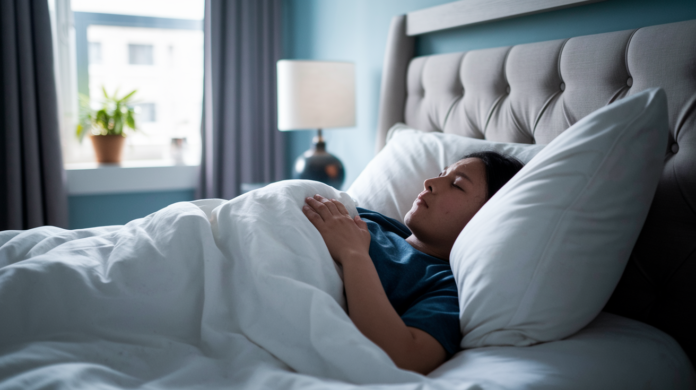
Does lying down make you short of breath?
If sitting up eases it, that is orthopnea (trouble breathing when lying flat).
It can come from many things, like heart problems, lung disease, sleep apnea, reflux, or extra weight around the belly.
Some causes are common and manageable.
Others need quick care.
This post explains likely causes, clear red flags that require urgent help, and simple tracking steps and home measures to try before you see a clinician.
Why You Have Trouble Breathing When Reclining (Fast Answer)
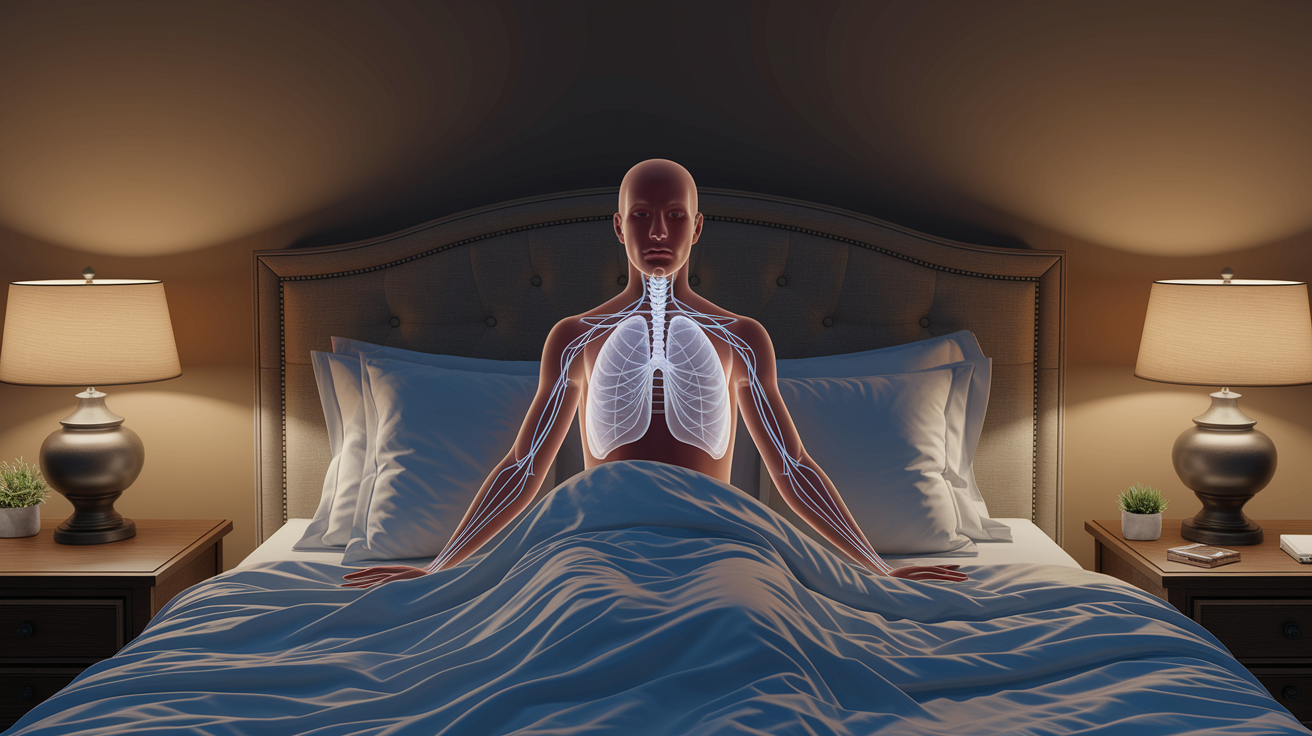
Breathing difficulty when you lie down is called orthopnea. It happens when shifting from an upright position to a flat or reclined posture makes it harder to take a full breath or creates the sensation that you can’t get enough air. The discomfort usually begins within a few minutes of reclining and improves when you sit back up or prop yourself on pillows.
When you lie flat, gravity redistributes fluid in your body. Blood that pools in your legs during the day shifts toward your chest and lungs. At the same time, the abdominal contents push upward against your diaphragm, the main breathing muscle. These changes reduce the space available for your lungs to expand, making each breath feel shallow or effortful. If your heart isn’t pumping efficiently or your airways are already compromised, the effect becomes more pronounced.
The six most common underlying causes of breathing trouble when lying down are:
Heart failure. The heart can’t pump blood efficiently, causing fluid to back up into the lungs.
Obstructive sleep apnea. The airway collapses or narrows repeatedly during sleep, creating breathlessness and gasping episodes.
COPD (chronic obstructive pulmonary disease). Damaged airways and reduced lung elasticity worsen when the diaphragm is compressed.
Asthma. Inflammation and narrowing of the airways can intensify at night or when lying flat.
GERD (gastroesophageal reflux disease). Stomach acid irritates the throat and airways, triggering cough and breathlessness.
Obesity. Excess weight around the abdomen and chest restricts lung expansion when reclining.
If you regularly need two or more pillows to breathe comfortably at night, it’s worth getting checked. Persistent orthopnea is a signal that something is limiting your heart or lung function.
Urgent Warning Signs That Require Immediate Medical Care

Certain symptoms alongside breathing difficulty when lying down indicate an emergency. Acute heart failure, pulmonary embolism, or severe airway obstruction can progress rapidly and become life threatening within hours. If your breathlessness appears suddenly, worsens dramatically, or is accompanied by any of the red flags below, call emergency services or go to the nearest emergency department.
Don’t wait to see if the symptoms pass. Complications such as cardiogenic pulmonary edema or a large blood clot in the lungs require urgent intervention. Early treatment can prevent respiratory failure, heart damage, or death.
Seek emergency care immediately if you experience:
Severe breathlessness that prevents you from speaking in full sentences or forces you to gasp between words.
Chest pain, pressure, or tightness that doesn’t go away or radiates to your jaw, shoulder, or arm.
Bluish discoloration of your lips, fingertips, or face (cyanosis), signaling dangerously low oxygen levels.
Sudden awakening from sleep with extreme breathlessness, confusion, or panic.
Rapid leg swelling, confusion, or fainting alongside difficulty breathing.
How Doctors Diagnose Shortness of Breath When You Lie Down

Diagnosis starts with a detailed history and physical exam. Your clinician will ask how many pillows you need to sleep, how long the breathlessness has been present, and whether it improves when you sit upright. They’ll listen to your lungs and heart, check for leg swelling, and measure your oxygen saturation with a pulse oximeter. If your oxygen level is below 90 percent, further urgent testing is required.
After the initial assessment, your doctor will order targeted tests to identify the underlying cause. The combination of tests depends on your symptoms, risk factors, and exam findings. Someone with leg swelling and a history of heart disease will receive cardiac focused testing, while someone who snores heavily and has daytime fatigue will be evaluated for sleep apnea.
The four most common diagnostic tools include:
Chest X-ray. Detects fluid in the lungs, enlarged heart, pneumonia, or other structural abnormalities.
Echocardiogram (heart ultrasound). Measures how well your heart pumps and identifies valve problems or fluid around the heart.
Blood tests (BNP or NT-proBNP). Elevated levels suggest heart failure. Values above 100 pg/mL warrant further cardiac evaluation.
Sleep study (polysomnography). Records breathing patterns, oxygen levels, and brain activity during sleep to diagnose obstructive sleep apnea.
Additional tests such as spirometry (lung function testing), CT pulmonary angiography (to rule out blood clots), or pH monitoring (for GERD) may be ordered based on initial findings.
Medical Treatments for Breathing Difficulty When Reclining
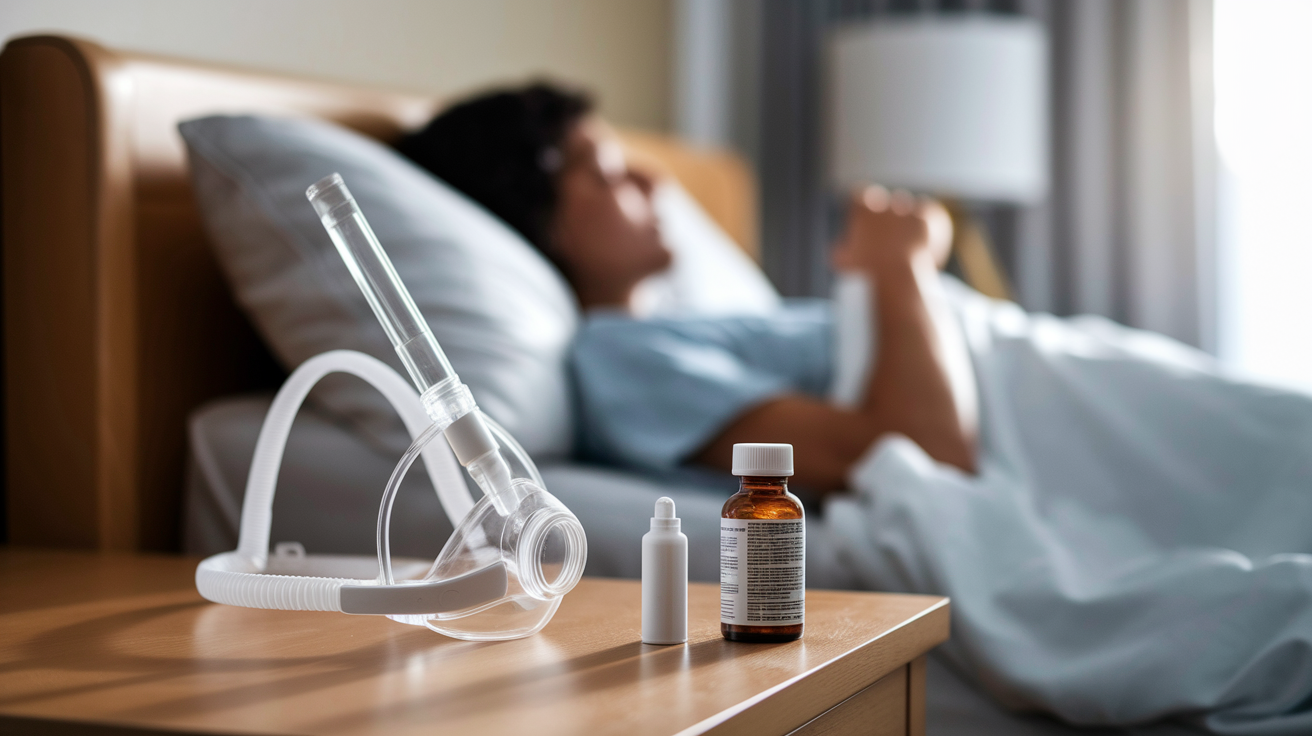
Treatment depends entirely on the underlying diagnosis. For heart failure, the primary goal is to reduce fluid buildup and improve heart function. Diuretics such as furosemide (commonly dosed at 20 to 80 mg daily) help the kidneys eliminate excess fluid. ACE inhibitors, beta blockers, and mineralocorticoid receptor antagonists support long term heart performance. In acute pulmonary edema, oxygen therapy and positive airway pressure devices such as CPAP or BiPAP rapidly reduce the work of breathing.
For chronic lung diseases such as COPD and asthma, bronchodilators and corticosteroids are the mainstays of treatment. Short acting beta agonists like albuterol (two puffs every four to six hours as needed) open the airways quickly. Inhaled corticosteroids reduce inflammation over time. During flare ups, oral corticosteroids (for example, prednisone 20 to 50 mg daily for three to ten days) are commonly prescribed. Oxygen therapy may be necessary if oxygen saturation falls below target levels.
Obstructive sleep apnea is treated with continuous positive airway pressure (CPAP) therapy. CPAP delivers a steady stream of air through a mask, keeping the airway open during sleep. Most patients notice improvement within days to weeks of consistent nightly use. Weight loss and positional therapy (avoiding sleeping on your back) also help reduce apnea severity.
For GERD related breathlessness, proton pump inhibitors such as omeprazole (20 mg daily) reduce stomach acid production. Elevating the head of the bed and avoiding late night meals limit nighttime reflux and aspiration risk.
At Home Measures That Can Help Reduce Breathing Issues When Lying Down

Supportive self management strategies can reduce symptom severity and prevent worsening, especially when combined with medical treatment. Positional adjustments are the simplest and most effective immediate measure. Elevating the head of your bed by 30 to 45 degrees or using two to three pillows reduces the pressure on your diaphragm and prevents fluid from pooling in your lungs. If you consistently need more than two pillows to breathe comfortably, schedule an evaluation with your healthcare provider.
Lifestyle changes that address the root cause can produce lasting improvement. Weight reduction of just 5 to 10 percent of body weight significantly reduces breathing difficulty in people with obesity or sleep apnea. Limiting sodium intake to less than 2,000 mg per day helps prevent fluid retention in heart failure. Avoiding heavy meals, alcohol, and caffeine within two to three hours of bedtime minimizes GERD related airway irritation.
Practical at home measures include:
Use an adjustable bed or wedge pillow to maintain head elevation throughout the night.
Track your daily weight and report gains of two to three pounds in 24 hours or five pounds in one week to your clinician.
Quit smoking to reduce airway inflammation and improve lung function.
Stay physically active within your tolerance to strengthen respiratory muscles and improve circulation.
Follow your prescribed medication schedule exactly, including inhalers, diuretics, and CPAP therapy.
Home pulse oximetry can help you monitor oxygen levels, especially if you have chronic lung or heart disease. A reading below 90 percent warrants prompt contact with your healthcare provider.
Final Words
If lying down makes you short of breath, this guide covered the main causes — orthopnea, sleep apnea, lung conditions, reflux, and weight pressure. We explained how reclining affects heart and lung function and why symptoms can start quickly.
You saw the red flags that need urgent care, common tests doctors use, and treatments like diuretics, CPAP, and inhalers, plus simple home steps such as elevating your head.
Track when it happens, how strong it is, and related symptoms. Tracking shortness of breath when lying down helps your clinician find the cause faster. Many people improve with the right care.
FAQ
Q: Why do I have trouble breathing when lying down?
A: Trouble breathing when lying down is called orthopnea and happens because reclining shifts fluid and pressure, making lungs expand less and the heart work harder, often within minutes.
Q: What are the most common causes of shortness of breath when lying flat?
A: The most common causes of shortness of breath when lying flat are heart failure, fluid in the lungs, sleep apnea, COPD, asthma, GERD-related airway irritation, and obesity compressing the chest.
Q: Which signs mean I need emergency care?
A: Signs that need emergency care include severe breathlessness with chest pain, bluish lips or face, sudden nighttime gasping that wakes you, very rapid heartbeat, or new leg swelling.
Q: How do doctors test for breathing problems when I lie down?
A: Doctors test breathing problems when you lie down with a medical history, physical exam, chest X-ray, echocardiogram, EKG, blood BNP test, sleep study for apnea, and lung spirometry.
Q: What treatments might relieve breathlessness when reclining?
A: Treatments for breathlessness when reclining target the cause: diuretics and heart medicines for heart failure, CPAP for sleep apnea, inhalers for COPD or asthma, and acid reducers for GERD.
Q: What can I try at home tonight to sleep better without gasping?
A: To sleep better tonight, elevate your head with extra pillows or an adjustable bed, avoid heavy meals and alcohol before bed, sleep on your side, and manage reflux with small meals.
Q: What information should I track before seeing a clinician?
A: Track when symptoms start, how often and how strong they are, whether lying flat triggers them, possible triggers like meals or exercise, and related signs such as swelling, cough, or fainting.
Q: What should I ask my clinician about breathing worse when I lie down?
A: You should ask your clinician what is likely causing your breathing to worsen when lying down, which tests are needed, immediate steps to try, warning signs to watch, and treatment options.