
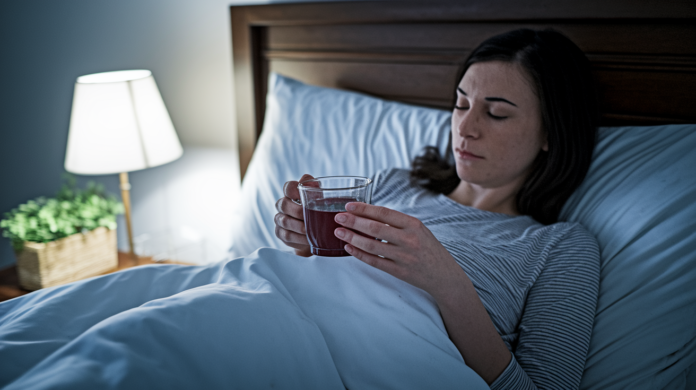
Want to wake up less bloated by morning?
It’s possible if you use a few focused steps tonight that move trapped gas and reduce water retention.
Your digestive system slows at night, so timing matters, and gentle movement, warm fluids, and a light dinner low in fermentable carbs can make a real difference in 8 to 12 hours.
In this post you’ll get clear, fast actions to try tonight, what to track, and when to see a clinician if bloating doesn’t ease.
Fast-Acting Ways to Reduce Bloating Overnight
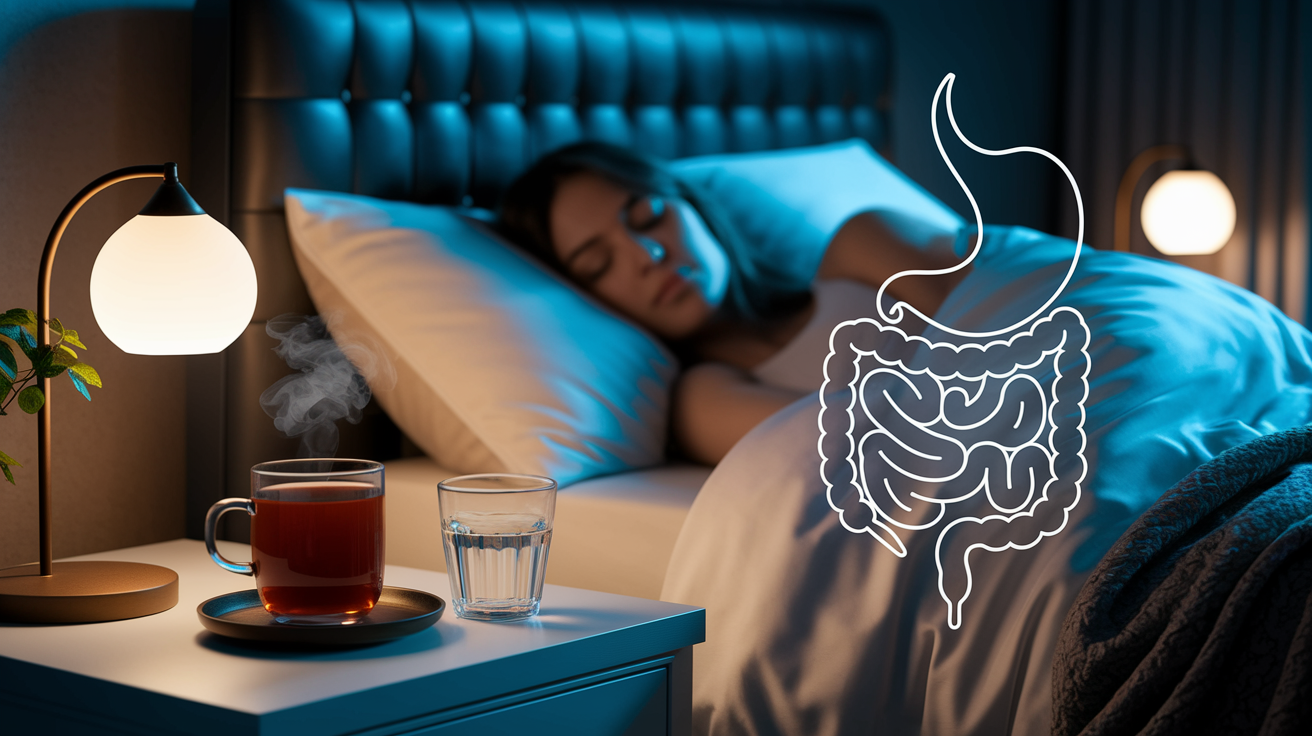
You can get real relief from overnight bloating when you target gas buildup and water retention in those few hours before sleep. Thing is, your digestive system slows way down at night. So anything that helps trapped air move through your colon or balances out fluid levels can make a visible difference by morning. Gentle movement gets gas unstuck, and smart food choices prevent new gas from forming while you’re asleep.
You’ve got a short window. About 8 to 12 hours. Focus on simple steps that work with what your body’s already doing. Hydration flushes excess sodium through your kidneys, low FODMAP choices cut down on fermentation in your gut, and certain herbs calm things down in your digestive tract. Light movement and how you position yourself in bed use gravity and muscle activity to shift gas along.
Here’s what to try tonight:
Drink 8 to 16 ounces of warm water or peppermint tea 30 to 60 minutes before bed. Warm fluids relax the muscles in your digestive tract and help gas pass. Peppermint eases cramping, but skip it if reflux is an issue for you.
Avoid high FODMAP foods at dinner. Don’t eat beans, onions, garlic, broccoli, cauliflower, apples, or pears tonight. They ferment fast and create gas.
Sip ginger tea after your last meal. Use about 1 gram of fresh ginger steeped in hot water for 5 to 10 minutes. Ginger cuts nausea and helps your stomach empty.
Take a 10 to 20 minute gentle walk after eating. Movement wakes up the muscles in your intestines and nudges gas toward the exit.
Perform a clockwise abdominal massage for 2 to 3 minutes. Start at your lower right side, move up, across, and down. You’re following the path of your colon and encouraging trapped gas to shift.
Stop drinking carbonated beverages after lunch. Carbonation pumps extra air into your stomach and makes bloating worse. Stick to still water or herbal tea.
Sleep on your left side. This position uses gravity to help food and gas move through your digestive tract more efficiently.
Most people see some reduction in visible bloating by morning when gas is the main problem. Water retention can improve within 6 to 8 hours if you limit salt and stay hydrated. Bloating from constipation takes longer, closer to 24 to 48 hours with consistent habits.
Common Causes of Bloating
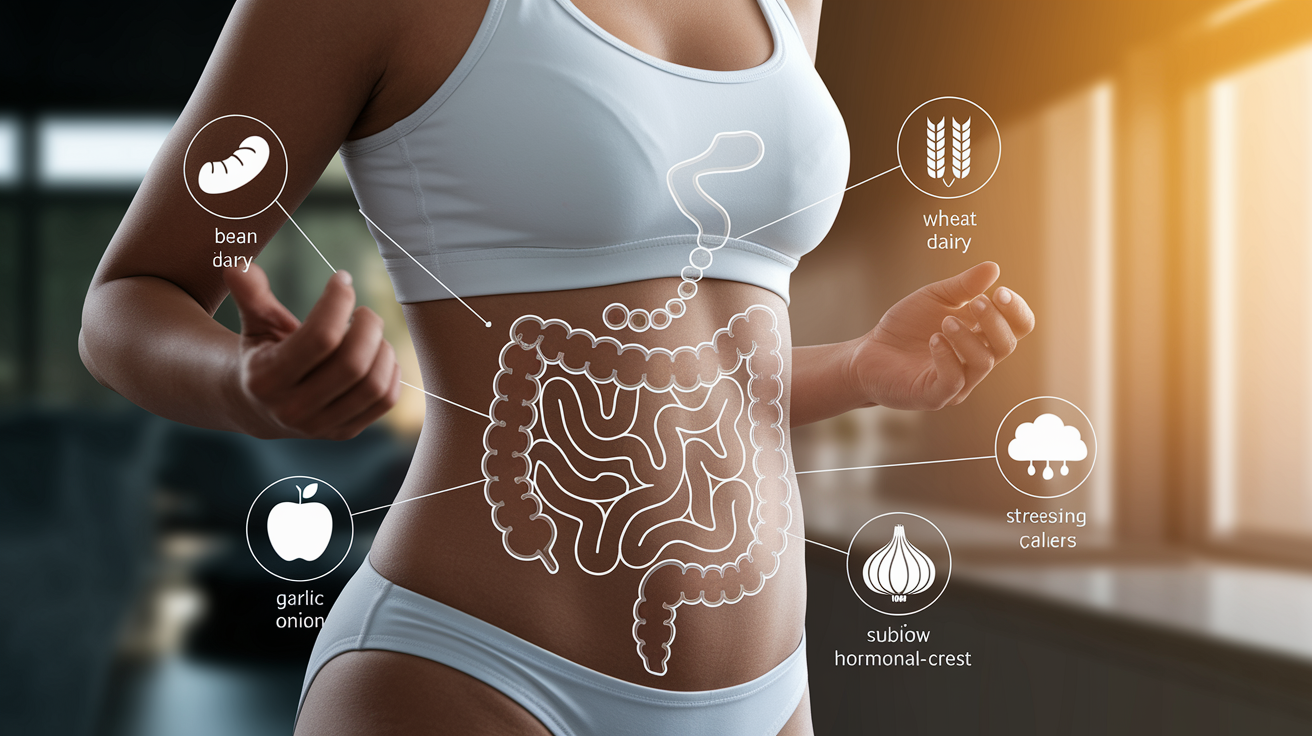
Gas production is the main driver. When bacteria in your colon break down undigested carbs, they release hydrogen, methane, and carbon dioxide. High FODMAP foods like wheat, dairy, and certain fruits give these bacteria more fuel. More fuel means more gas and more pressure in your intestines. Some people also swallow extra air when they eat too fast, chew gum, or drink through a straw.
Hormonal shifts play a role, especially for women. Estrogen and progesterone mess with water balance and slow gut motility in the days before your period. This creates temporary fluid retention and sluggish digestion. Both increase that full, distended feeling. Stress and irregular eating can also slow your digestive system by activating the fight or flight response, which pulls energy away from your gut.
Food intolerances and sensitivities create chronic bloating when your body can’t break down specific proteins or sugars. Lactose intolerance means you’re missing the enzyme to digest milk sugar, so it ferments in your colon. Gluten sensitivity can trigger inflammation and gas in some people, even without celiac disease. Constipation traps stool and gas in your colon, which increases pressure and visible swelling. When bowel movements are infrequent or incomplete, relief gets delayed and bloating sticks around.
Foods to Avoid at Night to Prevent Bloating
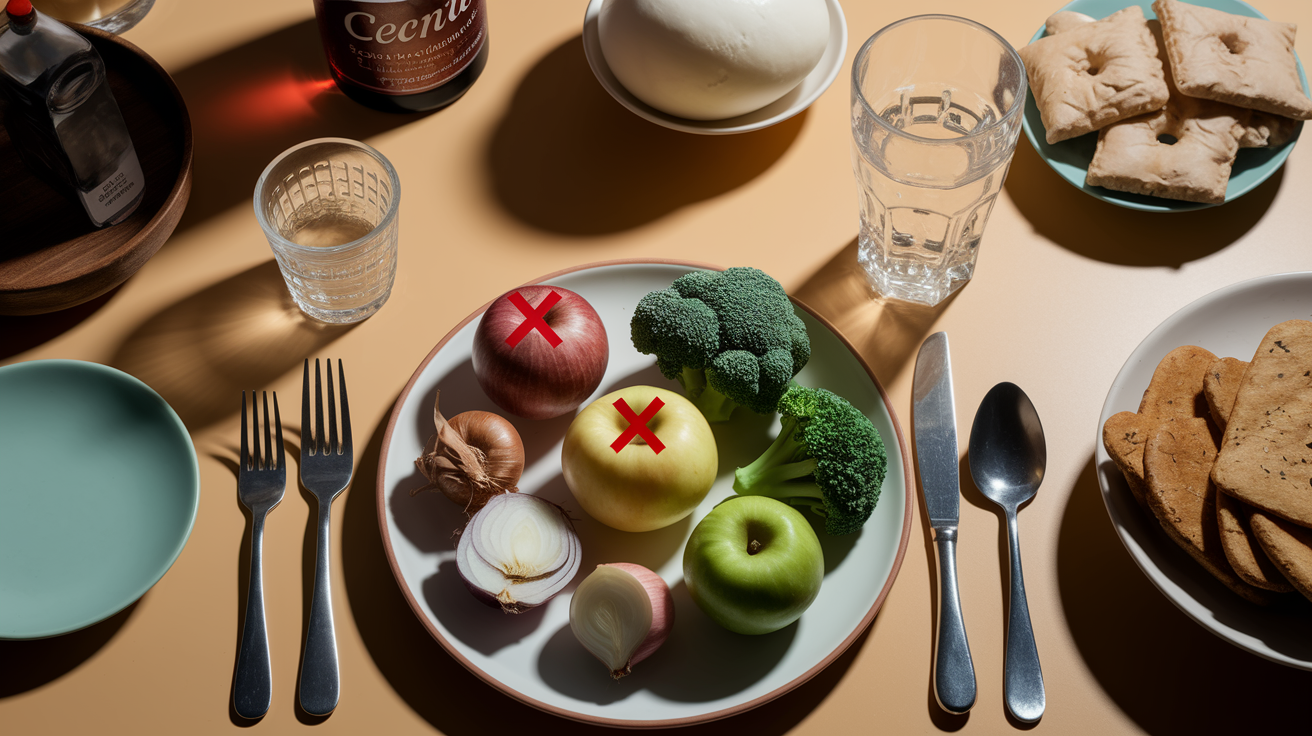
Your digestion slows after sunset because your body shifts into rest and repair mode. Late night meals sit longer in your stomach and small intestine, giving bacteria more time to ferment undigested food. That fermentation creates gas overnight. You wake up looking and feeling swollen. Choosing lighter, less fermentable foods at dinner reduces the workload on your gut while you sleep.
Avoid these at night:
Beans and lentils. High in oligosaccharides, a type of carb humans can’t digest. Gut bacteria ferment them and produce large amounts of gas.
Onions and garlic. Contain fructans, another high FODMAP carb that ferments quickly.
Cruciferous vegetables. Broccoli, cauliflower, cabbage, Brussels sprouts. They all produce sulfur containing gas when broken down.
Apples and pears. Rich in fructose and sorbitol, both of which can cause bloating if they’re not fully absorbed.
Dairy products. Lactose triggers gas and cramping if you don’t have enough lactase enzyme.
Artificial sweeteners. Sorbitol, mannitol, xylitol. They’re poorly absorbed and cause gas buildup.
Carbonated drinks. Beer, soda, sparkling water. They all introduce extra gas directly into your stomach.
Salty processed foods. Canned soups, deli meats, packaged snacks. They cause water retention overnight.
Skipping these categories for one evening gives your digestive system a gentler workload. You reduce both the volume of gas produced and the amount of fluid your body holds onto. Most people notice less puffiness and discomfort by morning when they choose simple, low FODMAP meals at dinner.
Longer Term Strategies for Reducing Recurring Bloating
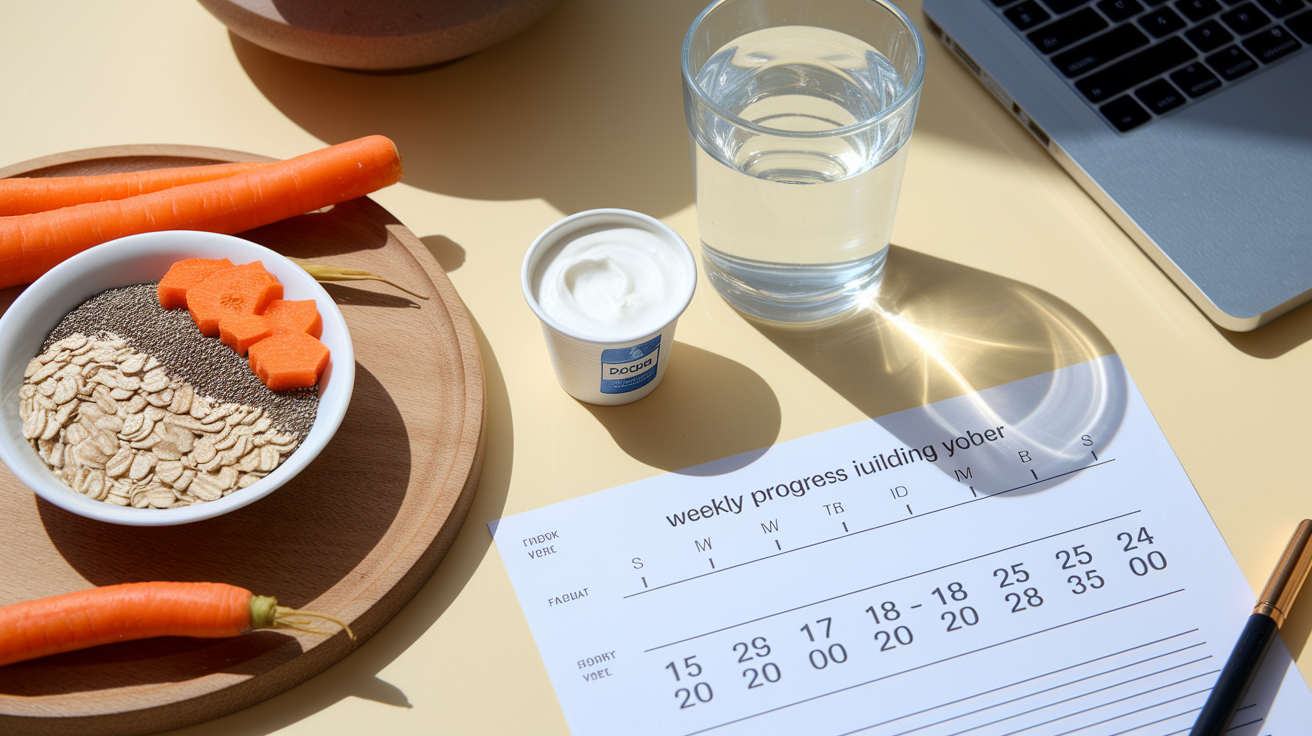
Building habits that support digestion takes a few weeks, but the payoff is consistent relief. Gradual increases in fiber help your gut bacteria adapt without overwhelming them. Start with an extra 5 grams of fiber per day from sources like oats, carrots, or chia seeds. Increase every few days until you reach 25 to 35 grams daily. Pair that with steady hydration, about 1.5 to 2 liters of water spread throughout the day, so the fiber can do its job without causing constipation.
Lowering sodium to under 2,300 milligrams per day reduces chronic water retention. Cook at home when possible. Use herbs and spices instead of salt. Read labels on packaged foods. Identifying food intolerances through a structured elimination diet can also help. Remove one category at a time, like dairy or gluten, for 3 to 4 weeks. Then reintroduce it and watch for symptoms. Keep a food and symptom journal to spot patterns. Note what you ate, how much, and how you felt a few hours later.
Supporting balanced gut bacteria takes consistency. Eating fermented foods like plain yogurt with live cultures, sauerkraut, or kefir a few times per week introduces beneficial microbes. Probiotic supplements containing Bifidobacterium or Lactobacillus strains may reduce bloating over weeks, though results vary by person. Regular meal timing also matters. Eating at roughly the same times each day trains your digestive system to anticipate food, which improves motility and enzyme release. Skipping meals or grazing all day disrupts that rhythm and can lead to sluggish digestion and recurring bloating.
Safe Over the Counter Options for Bloating Relief
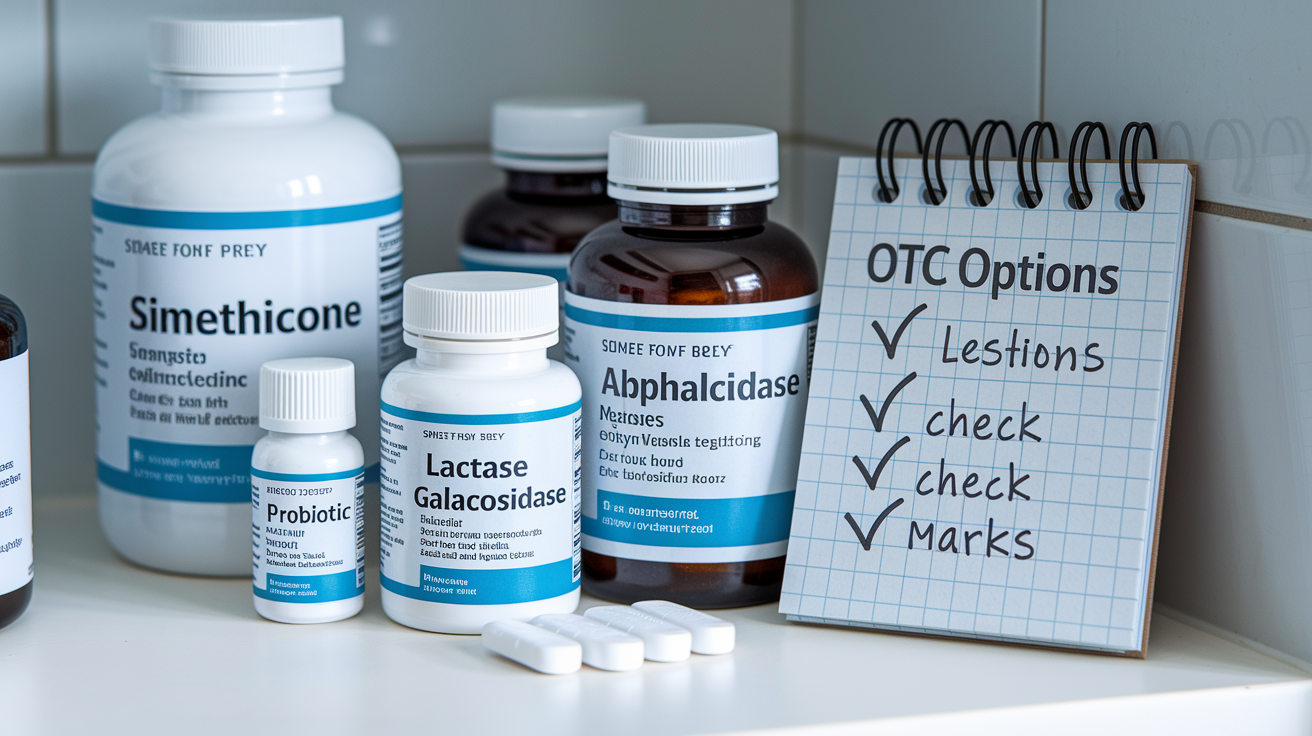
Simethicone is the most common OTC choice for gas related bloating. It reduces the surface tension of gas bubbles in your stomach and intestines, allowing them to merge and pass more easily. Typical single doses range from 40 to 125 milligrams, taken after meals or at bedtime. It works within 30 to 60 minutes for many people and has minimal side effects because it doesn’t get absorbed into your bloodstream.
Activated charcoal is sometimes used to bind intestinal gas, though the evidence is mixed. It may help if you take it before a gas producing meal, but it can also mess with nutrient absorption and medications. Use it sparingly and only if other options haven’t worked. Digestive enzyme supplements, like alpha galactosidase for beans or lactase for dairy, target specific food intolerances. Take them with the first bite of the triggering food for best results.
Safe OTC categories include:
Simethicone. For general gas and bloating, low risk of interaction.
Lactase enzyme tablets. For lactose intolerance, taken with dairy.
Alpha galactosidase. For high fiber or bean heavy meals, taken before eating.
Probiotics. For long term gut health, choose products with studied strains and at least 1 billion CFUs.
Always follow package instructions and check with a healthcare provider if you’re pregnant, nursing, or on multiple medications. Don’t combine several new products at once, especially the night before an important event.
When Bloating Can Signal Something More Serious

Persistent bloating that doesn’t respond to diet changes or OTC remedies may point to an underlying condition. Irritable bowel syndrome causes chronic abdominal pain, bloating, and altered bowel habits. Celiac disease triggers inflammation and bloating when gluten is eaten, even in small amounts. In women, ovarian cysts or other pelvic issues can create pressure and swelling that mimics digestive bloating. Digestive blockages, though rare, prevent gas and stool from passing and need urgent care.
Red flags that need prompt medical attention include severe or worsening abdominal pain, especially if it’s sharp or localized. Vomiting that won’t stop or an inability to pass gas or stool for more than a day are emergencies. Fever with bloating can signal infection or inflammation. Blood in your stool, whether bright red or black and tarry, always requires evaluation. Unintentional weight loss of more than 10 pounds or bloating that persists for more than 2 weeks without improvement should also be checked.
If you’re over 50 and experiencing new or progressive bloating, mention it to your provider sooner rather than later. Same applies if you have a family history of gastrointestinal cancer, inflammatory bowel disease, or ovarian cancer. Early evaluation can rule out serious causes and guide you toward effective treatment. Don’t wait for symptoms to worsen or assume bloating is always harmless.
Belly feels tight and puffy at night? Try quick steps: sip water, skip high-FODMAP foods, have peppermint or ginger tea, walk 10 minutes, and try a gentle belly massage.
This post covered why gas and slow digestion happen, foods to avoid at night, longer-term habits, safe OTC choices, and clear red flags to watch.
Note when it starts, how strong it feels, triggers, and related symptoms to spot patterns and help a clinician.
Use this guide on how to reduce bloating overnight to try fast relief tonight and build better habits—you can feel more comfortable soon.
FAQ
Q: How to get unbloated in 5 minutes at home?
A: To get unbloated in 5 minutes at home, loosen tight clothes, do deep belly breaths, sip warm water, gently massage your abdomen clockwise, then stand and walk in place.
Q: How to remove bloating in 1 hour?
A: To remove bloating in 1 hour, drink peppermint or ginger tea, take a 10-20 minute brisk walk, try a simethicone chewable if needed, use a warm belly pack, and avoid carbonated or salty foods.
Q: What stops bloating quickly?
A: What stops bloating quickly are actions that move trapped gas: walking, gentle abdominal massage, a heat pack, peppermint or ginger tea, or an OTC simethicone product for gas relief.
Q: How to flush gas out of your stomach?
A: To flush gas out of your stomach, sit upright, take slow deep breaths, sip warm water or herbal tea, gently massage from ribs toward pelvis, and allow yourself to burp.