

Think diarrhea just has to run its course?
It doesn’t.
Many people stop or slow it within hours with the right steps.
This post gives fast, safe actions that actually work: over-the-counter medicines that slow the gut, treatments that calm intestinal irritation, clear rehydration plans, and simple foods to firm stools.
You’ll also get quick rules about when to avoid anti-diarrheal drugs and which warning signs mean you should get medical care.
Fast-Acting Options That Stop Diarrhea Quickly

The two fastest over the counter options are loperamide (Imodium) and bismuth subsalicylate (Pepto-Bismol or Kaopectate). Loperamide works by slowing the movement of your intestines, giving your body more time to absorb water from stool and firm things up. Most people notice improvement within a few hours. Symptoms often settle down within one to two days when you combine it with other supportive steps. Bismuth subsalicylate reduces inflammation in the stomach and intestinal lining while helping balance fluid levels. It acts a bit more slowly than loperamide but can be especially helpful if you’ve also got mild nausea or cramping.
Oral rehydration solutions and electrolyte drinks support fast stabilization by replacing sodium, potassium, and other minerals lost with each loose stool. They don’t stop diarrhea directly. But keeping electrolytes balanced prevents the weakness, dizziness, and confusion that dehydration can bring within hours. Sipping small amounts frequently works better than gulping large volumes, which can trigger more cramping or vomiting. About one cup after each bowel movement is a good target. Clear liquids like water and salty broth are gentle on an irritated digestive tract and keep you hydrated while your gut recovers.
Bland foods like those in the BRAT diet (bananas, rice, applesauce, toast) can be introduced during the first 24 hours once medications begin to slow symptoms. These foods are low in fiber and easy to digest, which helps firm stools without stressing your system. Eat small portions every few hours instead of large meals. If your symptoms improve steadily within the first day, you’re on the right track.
Loperamide use guidelines. Take 4 mg right away, then 2 mg after each loose stool. Don’t exceed the daily maximum listed on the package (usually around 8 mg for over the counter products). Avoid it if you have a high fever or see blood in your stool.
Bismuth subsalicylate benefits. Eases inflammation, coats the stomach lining, and can reduce the number of watery stools. Follow the dosing chart on the label and skip it if you’re allergic to aspirin or other salicylates.
ORS or electrolyte drink instructions. Sip one cup (about 240 mL) after each loose bowel movement. Use a commercial rehydration formula if available, or a sports drink diluted with a little water.
Ideal clear liquids to consume. Water, clear broth, diluted apple juice, herbal teas (caffeine free), or oral rehydration solutions.
BRAT food choices. Plain white rice, ripe bananas, unsweetened applesauce, dry toast, and plain crackers. Keep portions small and simple.
First 24 hour symptom monitoring tips. Count how many bowel movements you have, watch your urine color (it should stay pale yellow), and note whether cramps, fever, or vomiting develop. If symptoms get worse instead of better, reach out to a clinician.
Causes Linked to Diarrhea Episodes and Why They Matter for Fast Treatment

Viral infections like norovirus and rotavirus are the most common culprits behind sudden, watery diarrhea. Symptoms usually start within 12 to 48 hours after exposure and include frequent loose stools, nausea, and sometimes a low grade fever. Food poisoning from bacteria such as E. coli or Salmonella can trigger similar symptoms, often within hours of eating contaminated food. Other causes include medications (especially antibiotics that disrupt the balance of gut bacteria), food intolerances like lactose sensitivity, chronic digestive conditions such as irritable bowel syndrome or inflammatory bowel disease, and stress or anxiety. Acute watery diarrhea typically clears up in two to three days, while diarrhea lasting four weeks or longer is considered chronic and requires further evaluation.
Pinpointing the cause helps you choose the most effective treatment path. For instance, if you suspect a viral infection, over the counter anti-diarrheals and careful hydration are usually enough. If food poisoning is the likely trigger (say, after a questionable meal), you may need to avoid anti-diarrheals early on. Slowing the gut can sometimes trap bacteria and delay recovery. Antibiotics are only helpful for confirmed bacterial or parasitic infections, and they require a clinician’s evaluation. Recognizing patterns like timing, recent exposures, and accompanying symptoms (fever, cramping, vomiting) gives you a clearer idea of what’s happening and whether home care is enough or if you need professional guidance.
| Cause | Typical Onset | Fastest Helpful Action |
|---|---|---|
| Viral gastroenteritis (norovirus, rotavirus) | 12–48 hours after exposure | Hydration with ORS, loperamide if no fever, rest |
| Food poisoning (E. coli, Salmonella) | Hours to 2 days after eating | Hydration and electrolytes; avoid anti-diarrheals if high fever or blood in stool |
| Antibiotic use | During or shortly after course | Probiotics, bland diet, consult clinician if severe |
| Food intolerance (lactose, sorbitol) | Within hours of ingestion | Avoid trigger food, hydration, gentle foods |
| Chronic condition (IBS, IBD, celiac) | Variable, often recurring | Follow clinician’s plan, track triggers, consider probiotics |
Hydration Strategies That Stop Diarrhea from Worsening

Clear fluids are the foundation of fast recovery because they prevent dehydration without irritating an already sensitive gut. Sip water, salty broths, or diluted fruit juice throughout the day, aiming for at least one cup (240 mL) after each loose stool. If plain water feels too harsh or you’re also vomiting, try sucking on ice chips or taking tiny sips every few minutes instead of drinking large amounts at once. Oral rehydration solutions are designed to replace the exact balance of sodium, potassium, and glucose your body loses with diarrhea. That makes them more effective than plain water or sports drinks alone when dehydration risk is high. You can buy packets at most pharmacies or make a simple version at home by mixing a half teaspoon of salt and six teaspoons of sugar into one liter of clean water, but commercial formulas are usually easier and more reliable.
Monitoring your urine color is one of the simplest ways to check if you’re staying hydrated. Pale yellow urine means you’re doing well. Dark yellow or amber urine, or going hours without needing to urinate, signals you need to drink more. Avoid caffeine and alcohol while symptoms are active. They both pull water out of your body and can worsen cramping. If you’re struggling to keep fluids down because of nausea or vomiting, take smaller, more frequent sips and consider ginger tea or flat ginger ale to settle your stomach.
Sip one cup of liquid after every loose bowel movement. Choose oral rehydration solutions or clear broths over plain water if you’re losing a lot of fluid. Watch your urine color and frequency as a hydration check. Skip caffeine, alcohol, and sugary sodas until diarrhea stops completely.
Dietary Adjustments That Calm the Digestive System Fast
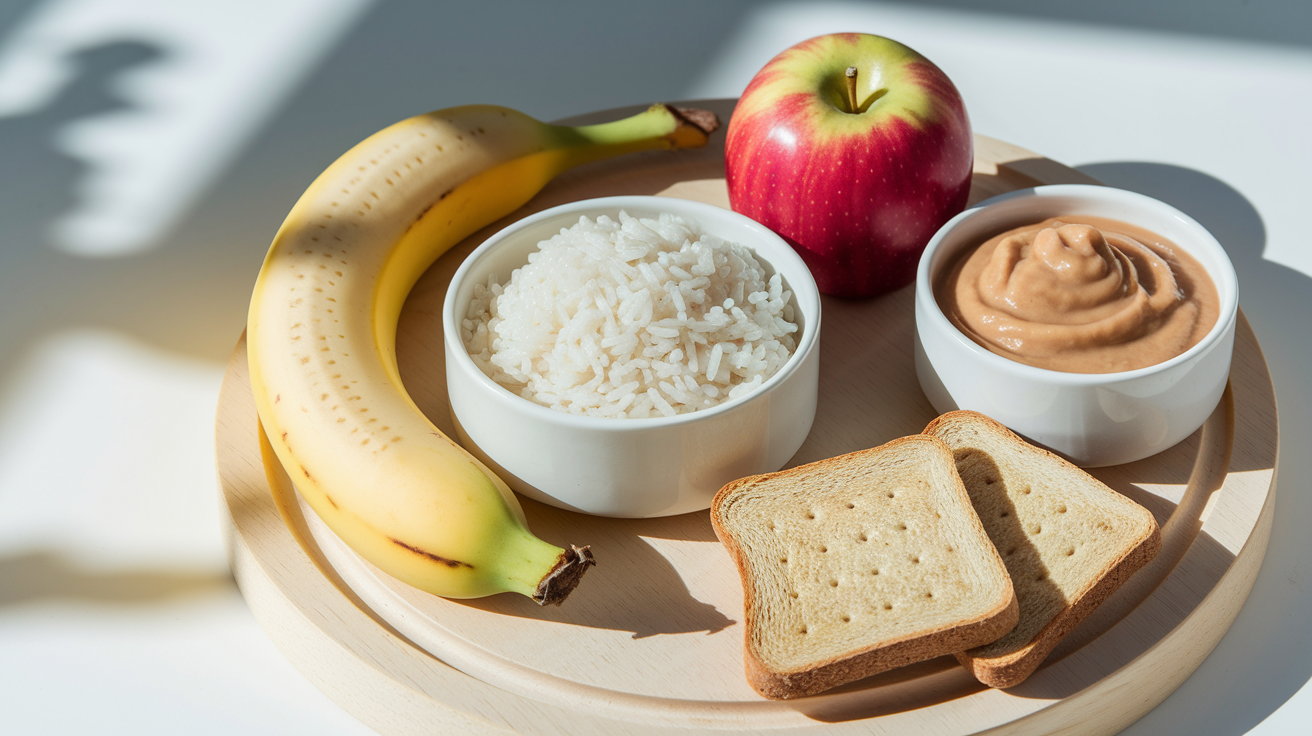
The BRAT diet (bananas, rice, applesauce, and toast) provides gentle, low fiber foods that help firm stools and are easy on an upset stomach. Bananas offer potassium to replace what’s lost, plain white rice absorbs excess water in the intestines, unsweetened applesauce is mild and binding, and dry toast settles the stomach without adding fat or spice. Adults should stick to strict BRAT eating for only one or two days, because it doesn’t provide complete nutrition over the long term. Once symptoms start to ease, you can add plain crackers, boiled potatoes (peeled), oatmeal, and lightly steamed vegetables like carrots or zucchini.
Eating smaller, more frequent meals (four to six small portions instead of three big ones) reduces the workload on your digestive system and can prevent cramping. Plain chicken or turkey (baked, not fried), scrambled eggs made with minimal butter, and simple pasta with a touch of olive oil are all gentle options once you’re keeping BRAT foods down comfortably. The key is to avoid anything that triggers more irritation or speeds up intestinal movement while your gut is trying to recover.
High fat, greasy, or fried foods can worsen cramping and keep stools loose. Spicy seasonings irritate the intestinal lining. Raw fruits and vegetables, especially those with tough skins or high fiber like apples with peel, broccoli, or corn, are harder to digest during a flare. Cold foods and drinks can sometimes trigger more cramping in sensitive guts. Artificial sweeteners such as sorbitol and xylitol, found in sugar free gum and some diet products, can pull water into the intestines and make diarrhea worse.
Greasy or fried foods (burgers, fries, fried chicken). Spicy dishes with hot peppers or heavy seasoning. Raw fruits and vegetables with skins or high fiber. Dairy products like milk, cheese, and ice cream. Artificial sweeteners (sorbitol, xylitol, mannitol).
Probiotics and Natural Remedies That Support Faster Recovery

Probiotics are live bacteria that help restore the balance of good microbes in your gut, especially after infections or antibiotic use. Research shows that certain strains (Lactobacillus and Bifidobacterium in particular) may shorten the duration of infectious diarrhea by a day or so, though results vary. You can find these strains in yogurt with live active cultures, kefir, probiotic supplements, and fermented foods like kimchi, sauerkraut, and miso. Probiotics won’t stop diarrhea in the first few hours the way loperamide can. But they support the healing process and may reduce the severity of symptoms as your gut recovers. They’re generally safe to try, even if the evidence isn’t strong enough to guarantee a dramatic improvement for everyone.
Ginger is a gentle, natural option for easing nausea and stomach upset that often comes with diarrhea. You can sip ginger tea (steep fresh slices in hot water for five to ten minutes), chew on crystallized ginger, or try flat ginger ale that’s been allowed to go room temperature. It won’t firm your stool directly, but it can make you more comfortable and help you keep fluids down if nausea is part of the picture. Other supportive remedies include chamomile tea, which has mild anti inflammatory effects, and peppermint tea, which can ease cramping. These work best as add ons to hydration and bland foods, not as replacements for proven treatments like ORS or anti-diarrheal medication.
Probiotic rich yogurt or kefir. Look for labels that say “live and active cultures” and choose plain, unsweetened varieties to avoid extra sugar.
Probiotic supplements. Select products listing Lactobacillus or Bifidobacterium strains and follow the dose on the package.
Ginger tea or ginger chews. Use fresh ginger or crystallized ginger to calm nausea and support digestion.
Medication Options for Diarrhea and When They Work Fastest
Loperamide is the go to over the counter medication for fast symptom control. The standard adult dose is 4 mg as soon as diarrhea starts, followed by 2 mg after each subsequent loose stool, with a typical daily maximum around 8 mg for nonprescription use (always check the package label and follow it). Loperamide works by slowing the muscle contractions in your intestines, which gives your body more time to absorb water and electrolytes. Most people feel some relief within a few hours, and symptoms often improve significantly within 24 hours when combined with hydration and bland foods. Avoid loperamide if you have a high fever (102°F or higher) or see blood in your stool. Slowing your gut in those situations can trap bacteria or other harmful agents and make the infection worse.
Bismuth subsalicylate reduces inflammation in the stomach and intestinal lining and helps balance the fluids moving through your digestive tract. It acts a bit more slowly than loperamide but can be especially useful if you also have mild nausea, heartburn, or cramping. Follow the dosing instructions on the label carefully, and skip it if you’re allergic to aspirin or other salicylates, or if you’re giving it to a child or teenager recovering from a viral illness (it carries a small risk of Reye’s syndrome in those cases). Prescription anti-diarrheal medications, such as diphenoxylate with atropine (Lomotil), are reserved for severe or persistent cases and require a clinician’s evaluation and supervision.
Antibiotics are only helpful when diarrhea is caused by a confirmed bacterial or parasitic infection. They won’t work for viral infections, which are the most common cause of acute diarrhea. Taking them unnecessarily can lead to antibiotic resistance and disrupt your gut’s healthy bacteria even further. If your clinician prescribes an antibiotic or anti parasitic medication, take the full course exactly as directed, even if you start feeling better before the medication runs out. Stopping early can allow the infection to flare up again.
Over the counter loperamide. Fast acting, slows gut movement, typical adult dose 4 mg then 2 mg per loose stool.
Over the counter bismuth subsalicylate. Reduces inflammation and balances fluids, helpful for nausea and mild cramping.
Prescription diphenoxylate/atropine. For severe cases under clinician supervision.
Antibiotics or anti parasitics. Only when bacterial or parasitic cause is confirmed by a healthcare provider.
Monitoring Symptoms and Warning Signs That Need Medical Attention

Tracking your symptoms helps you see whether home care is working or if you need professional evaluation. Count how many loose stools you have each day, note the time they occur, and watch for any changes in color, consistency, or smell. Pay attention to other symptoms like fever, cramping, nausea, vomiting, or signs of dehydration (dry mouth, intense thirst, dizziness, or producing very little urine). If your symptoms improve steadily over the first day or two, you’re likely on the right track. If they stay the same or get worse despite hydration, bland foods, and over the counter medication, that’s a signal to reach out to a clinician.
Certain red flags mean you should seek medical attention right away, even if it’s only been a day or two. Dehydration can become dangerous quickly, especially in young children, older adults, and people with chronic health conditions. Blood in your stool (whether bright red or dark and tarry) or mucus mixed with stool suggests inflammation or infection that needs evaluation. Severe abdominal pain that doesn’t ease with rest or gentle movement, a fever of 102°F (39°C) or higher, or diarrhea that lasts more than two to three days without improvement all warrant a call to your healthcare provider. If you’ve recently traveled internationally or eaten food you suspect was contaminated, mention that when you call. It helps narrow down possible causes.
Diarrhea lasting more than two to three days with no improvement. Blood (bright red or dark) or mucus in your stool. Fever of 102°F (39°C) or higher. Signs of dehydration (dry mouth, sunken eyes, very little urine, dizziness, or confusion). Severe or worsening abdominal pain that doesn’t ease with rest. Recent international travel or suspected food poisoning exposure.
Diarrhea Care for Infants and Children

Infants and young children lose fluids and electrolytes much faster than adults, so hydration is the top priority. Continue breastfeeding or formula feeding as usual. Both provide fluids and nutrients that support recovery. If your child is vomiting or having very frequent loose stools, offer small sips of an oral electrolyte solution designed for children between feedings. Use a teaspoon or small medicine cup to give a little bit every few minutes if they’re struggling to keep larger amounts down. Once vomiting settles, you can return to their normal diet. Pediatricians no longer routinely recommend the strict BRAT diet for children because it’s too limited nutritionally, and most kids can handle a wider range of gentle foods like plain pasta, crackers, or scrambled eggs.
Watch for signs of dehydration closely. Fewer wet diapers, fewer tears when crying, a sunken soft spot on an infant’s head, or dry lips and mouth are all warning signs that your child needs more fluids or may need medical evaluation. If your child is vomiting every one to two hours, pause solid foods and focus on tiny, frequent sips of electrolyte solution. Most children under two years old should not receive over the counter anti-diarrheal medications without a doctor’s advice, because their bodies handle these drugs differently and there’s a higher risk of side effects.
Zinc supplements may help support immunity and intestinal recovery in some cases, especially in areas where zinc deficiency is common, but always check with your pediatrician before starting any supplement. Maintain strict hygiene. Wash hands thoroughly after every diaper change and before preparing food or bottles. Sterilize bottles, nipples, and pacifiers regularly to reduce the risk of reinfection.
Fever lasting longer than 24 hours. Vomit containing blood. Blood in the stool. Severe belly pain or a swollen, distended abdomen.
Preventing Future Episodes of Fast Onset Diarrhea

Proper handwashing is one of the simplest and most effective ways to prevent diarrhea. Wash your hands with soap and water for at least 20 seconds after using the bathroom, changing diapers, handling raw meat, and before preparing or eating food. If soap and water aren’t available, use an alcohol based hand sanitizer with at least 60% alcohol. Clean and disinfect kitchen surfaces, cutting boards, and utensils regularly, especially after handling raw poultry, meat, or seafood. Use a meat thermometer to make sure meats reach safe internal temperatures: 165°F for poultry, 160°F for ground beef, and 145°F for whole cuts of beef or pork.
Store perishable foods in the refrigerator promptly and respect expiration dates. If you’re traveling, especially to areas with higher rates of waterborne illness, drink bottled or boiled water, avoid ice made from tap water, and skip raw fruits and vegetables unless you can peel them yourself. Staying up to date on vaccines can reduce your risk of some infections that cause diarrhea, including rotavirus (especially important for infants), and flu or COVID 19 vaccines, since these viruses can sometimes trigger gastrointestinal symptoms in children. If certain foods or drinks consistently trigger loose stools (like dairy, high fat meals, alcohol, caffeine, or artificial sweeteners), limit or avoid them. If medications you take regularly seem to cause diarrhea, talk with your clinician about alternatives or timing adjustments.
Wash hands thoroughly and frequently, especially before meals and after bathroom use. Cook meats to safe internal temperatures and refrigerate leftovers promptly. Drink bottled or boiled water when traveling to high risk areas and avoid raw or undercooked foods. Limit known trigger foods and drinks like caffeine, alcohol, high sugar, and artificial sweeteners. Keep vaccinations up to date, including rotavirus for infants and flu or COVID 19 shots for all ages.
Final Words
Start with the actions that work fastest: an OTC anti-diarrheal like loperamide or bismuth, frequent sips of an oral rehydration solution, and bland foods once you can keep liquids down. These steps aim for relief within hours to a couple of days.
Keep a quick log of timing, triggers, and any worrying signs. If diarrhea lasts more than 48–72 hours, comes with fever or blood, or you’re dehydrated, seek care.
If you’re asking what stops diarrhea fast, try these focused steps first. You can feel better soon.
FAQ
Q: What settles diarrhea quickly?
A: Diarrhea settles quickly with fast-acting OTCs like loperamide or bismuth subsalicylate, often easing within hours to a day, plus ORS to prevent dehydration; seek care if fever or blood appears.
Q: What can I drink to stop diarrhea?
A: Drinking ORS, clear broths, and electrolyte drinks stops diarrhea from worsening by restoring fluids and salts; weak tea or diluted juice are okay, and avoid caffeine, alcohol, and sugary sodas.
Q: What 12 foods stop diarrhea?
A: Twelve foods that help stop diarrhea include bananas, white rice, applesauce, toast, plain crackers, boiled potatoes, plain yogurt, cooked carrots, oatmeal, clear broths, plain chicken, and gelatin.
Q: What does diarrhea flush out?
A: Diarrhea flushes out excess water, sodium, potassium, and some helpful gut bacteria, and can expel bacteria, viruses, or toxins causing illness, which raises the risk of dehydration.