

Can a sudden, sharp stab in your belly be something you can ignore, or a sign you need the ER?
Sharp stomach pain has many causes, from trapped gas and food poisoning to appendicitis (an inflamed appendix) or a ruptured ovarian cyst.
This post quickly shows the most common and the emergency causes, how location and timing give clues, and the exact warning signs that mean get care now.
You’ll also get a short checklist of what to track before you see someone, so you arrive with the right details.
Immediate Overview of Sharp Abdominal Pain Causes and What They Mean

Sharp stomach pain can pop up for dozens of reasons. Some are harmless. Others aren’t. The trick is paying attention to where it hurts, when it started, and what else your body’s doing. Most of the time, you’re dealing with something minor like trapped gas, food poisoning, or menstrual cramps. But sudden, severe pain that keeps getting worse? That can mean appendicitis, a ruptured ovarian cyst, gallstones, or ectopic pregnancy.
Location tells you a lot. Pain that starts around your belly button and shifts to your lower right side? Classic appendicitis. Pain in your upper right abdomen after a greasy meal? Probably your gallbladder. Lower pain on one side in women can point to your ovaries, while burning lower belly pain with constant trips to the bathroom suggests a UTI. Timing matters too. Pain that comes in waves, disappears, then slams back is often kidney stones or gallstones. Pain that builds over hours and won’t let up is more concerning.
Common causes that usually aren’t urgent:
- Trapped gas or indigestion
- Food poisoning (hits nearly 48 million Americans every year, usually clears in 24 hours)
- Constipation
- Lactose intolerance
- GERD or acid reflux
- Irritable bowel syndrome
- Menstrual cramps or ovulation pain
- Gastroenteritis (stomach flu)
Urgent or emergency causes:
- Appendicitis
- Ectopic pregnancy (1 to 2% of pregnancies)
- Gallstones or gallbladder inflammation
- Kidney stones
- Intestinal obstruction or perforation
- Ovarian torsion or ruptured cyst
- Perforated stomach ulcer
If your pain is sudden and severe, doesn’t ease within an hour or two, or if you’ve got fever, vomiting, bloody stools, or can’t pass gas or stool, get evaluated right away. Those patterns separate “I can wait and see” from “I need to be seen now.”
Common Digestive Causes Behind Sharp Stomach Pain

Indigestion and trapped gas are probably the most common culprits. They happen when you eat too fast, swallow air, overeat, or load up on fatty, spicy, or carbonated foods. Stress eating, caffeinated drinks, and smoking make it worse. The pain usually sits in your upper abdomen and feels like stabbing or burning. It often comes with bloating, burping, and feeling uncomfortably full. Most of the time it eases up after a few hours, especially if you rest your stomach and sip water. Gas pain can also show up lower in your belly and usually improves once you pass gas or have a bowel movement.
Food poisoning and gastroenteritis can cause sudden, sharp stomach pain along with nausea, vomiting, and diarrhea. Food poisoning typically kicks in a few hours after eating contaminated food and usually clears within 24 hours if you stay hydrated. Gastroenteritis, whether viral or bacterial, can last a bit longer and carries dehydration risk, especially if you’re vomiting repeatedly. Both can cause crampy or stabbing pain that comes in waves. Both usually get better with rest, fluids, and time.
Constipation and GERD are slower building causes but can still create sharp episodes. Constipation causes bloating, visible abdominal swelling, and sometimes sharp pain when stool presses against your intestinal wall. If you see rectal bleeding along with the pain, that’s a red flag. You need to be seen. GERD causes burning chest and upper stomach pain, a sour taste in your mouth, and chronic heartburn. Over time, untreated GERD can lead to complications like Barrett’s esophagus, which raises your risk for esophageal cancer.
Typical digestive triggers and patterns:
- Overeating or eating too quickly
- Fatty, spicy, or fried foods
- Carbonated or caffeinated drinks
- Eating while stressed or anxious
- Low fiber intake or dehydration (constipation)
- Alcohol or smoking
If your digestive pain keeps coming back, lasts more than a week, or gets worse instead of better, it’s time to see a clinician. Chronic indigestion or GERD that doesn’t respond to over the counter antacids after a couple of weeks also warrants evaluation.
Sharp Pain by Abdominal Location (Right, Left, Upper, Lower)

Upper Abdominal Sharp Pain
Upper abdominal pain usually involves your stomach, esophagus, gallbladder, liver, or pancreas. Sharp pain here is common with indigestion, GERD, gastritis, or stomach ulcers. If the pain’s in your upper right area and gets worse after eating fatty meals, think gallbladder. Upper left pain can point to your stomach, spleen, or pancreas. Pancreatitis, for example, causes severe upper abdominal pain that often radiates to your back. Most upper abdominal pain starts mild and builds. But sudden severe pain can signal a perforated ulcer or acute pancreatitis. Both need urgent care.
Lower Abdominal Sharp Pain
Lower abdominal pain is more likely to involve your intestines, bladder, kidneys, or reproductive organs. In women, lower pelvic pain on one side can be ovarian cysts, ovulation pain, or ectopic pregnancy. Lower central pain is common with constipation, gas, IBS, or urinary tract infections. Lower abdominal cramping that comes and goes is typical for menstrual pain or IBS flare ups. Persistent or worsening lower pain, especially if you can’t pass stool or gas, raises the possibility of a bowel obstruction.
Right Sided Sharp Pain
Right lower abdominal pain is the hallmark of appendicitis. The pain usually starts vague and central, near your belly button, then migrates to the lower right over several hours and becomes sharper and more constant. It often gets worse when you cough, walk, or go over bumps in a car. Right upper pain points to your liver or gallbladder. Gallstone attacks can last up to 5 hours and cause intense, sharp cramping that may come and go at first, then become steady. If right sided pain is severe, sudden, or accompanied by fever or vomiting, get evaluated.
Left Sided Sharp Pain
Left sided pain is less common but can involve your stomach, spleen, pancreas, left kidney, or descending colon. Sharp left upper pain after eating might be gastritis or a stomach ulcer. Left lower pain can be diverticulitis, especially in older adults, or sigmoid colon issues. Kidney stones on the left side cause severe, colicky pain that radiates from your flank down to your groin. Left sided pain that doesn’t ease or comes with fever, nausea, or changes in bowel habits should be checked.
| Pain Location | Common Causes | Urgent Causes |
|---|---|---|
| Upper Abdomen | Indigestion, GERD, gastritis, gas | Gallbladder attack, perforated ulcer, acute pancreatitis |
| Lower Abdomen | Constipation, IBS, menstrual cramps, UTI | Appendicitis, ectopic pregnancy, bowel obstruction |
| Right Side | Gas, mild gallbladder irritation, muscle strain | Appendicitis, gallstones, liver abscess |
| Left Side | Gas, stomach ulcer, diverticulosis | Diverticulitis, kidney stones, splenic rupture (trauma) |
Location gives you clues, but it’s not foolproof. Pain can radiate or be referred from another organ. The combination of location, timing, severity, and other symptoms is what helps clinicians narrow it down. If the pain is severe, sudden, or doesn’t fit a simple pattern, don’t rely on location alone. Get checked.
Serious or Emergency Causes of Sudden Sharp Stomach Pain

Appendicitis is one of the most common surgical emergencies. It typically starts with vague discomfort around your belly button. Over the next several hours the pain shifts to your lower right abdomen and becomes sharp and constant. You lose your appetite (the “hamburger sign” is when the thought of your favorite food sounds terrible). You might run a low fever. You often feel nauseous or vomit. The pain gets worse when you move, cough, or hit a bump in the car. If untreated, the appendix can rupture, spilling infection into your abdomen. Gallbladder attacks cause intense upper right abdominal pain that can last up to 5 hours. The pain often comes after a fatty meal and may radiate to your back or right shoulder. If your skin or eyes turn yellow (jaundice), that’s a sign of bile duct obstruction and you need urgent evaluation. Both appendicitis and severe gallbladder disease usually require surgery.
Bowel obstructions, volvulus (twisting of the intestine), and perforated ulcers are life threatening causes of sudden sharp abdominal pain. A bowel obstruction stops stool and gas from passing, causing severe cramping, bloating, vomiting, and eventually no bowel movements at all. Volvulus causes the same pattern but happens suddenly when a loop of bowel twists on itself, cutting off blood supply. Both need emergency surgery. A perforated stomach or duodenal ulcer causes sudden, severe, constant pain across your upper abdomen. It often feels like you’ve been stabbed, and the pain doesn’t ease. Perforations can lead to peritonitis (infection of the abdominal cavity) and sepsis if not treated immediately.
Ectopic pregnancy is a gynecologic emergency that happens in 1 to 2 percent of pregnancies. The fertilized egg implants outside the uterus, usually in a fallopian tube. Symptoms typically appear in the first 12 weeks and include sharp lower abdominal pain (often one sided), vaginal bleeding, shoulder pain (from internal bleeding irritating the diaphragm), and other pregnancy signs like missed periods or nausea. If the ectopic pregnancy ruptures, the pain becomes sudden and severe, and internal bleeding can be life threatening. Treatment is medication or surgery to remove the pregnancy and preserve the fallopian tube when possible. Any sharp abdominal pain during pregnancy needs same day evaluation.
Top emergency warning signs requiring immediate care:
- Sudden, severe abdominal pain that doesn’t ease
- Inability to pass stool or gas for more than a few hours
- Black, tarry, or bloody stools
- Vomiting blood or material that looks like coffee grounds
- Extreme tenderness when your abdomen is touched, or rigid, board like belly
Gynecologic and Pelvic Causes of Sharp Lower Abdominal Pain

Menstrual cramps are one of the most common causes of sharp lower abdominal pain in women. Cramping happens during one of the four phases of your reproductive cycle, usually right before or during your period. For most people, menstrual pain is manageable with over the counter pain relievers or a heating pad. But severe cramping that doesn’t respond to ibuprofen, lasts more than 24 hours, or comes with fever can signal endometriosis, fibroids, or another reproductive condition. Ovulation pain, sometimes called mittelschmerz, causes a brief, sharp, one sided pain mid cycle that usually only lasts a few hours. It’s harmless but can be uncomfortable.
Ovarian cysts are fluid filled sacs on the ovaries that are usually harmless and go away on their own. But large cysts or cysts that rupture can cause sudden, sharp, one sided lower abdominal pain, along with bloating, swelling, and pressure. If an ovary twists on itself (ovarian torsion), the pain becomes severe and constant, and blood flow to the ovary can be cut off. Ovarian torsion is a surgical emergency. Both ruptured cysts and torsion can cause internal bleeding. Sudden severe pelvic pain, especially with dizziness or fainting, needs immediate evaluation.
Ectopic pregnancy and pelvic inflammatory disease are two other serious pelvic causes. Ectopic pregnancy was covered above. PID is an infection of the uterus, fallopian tubes, or ovaries, usually caused by untreated sexually transmitted infections like chlamydia or gonorrhea. It causes lower abdominal pain, abnormal vaginal discharge, fever, and pain during sex or urination. PID can lead to scarring, infertility, and chronic pelvic pain if not treated with antibiotics. If you have persistent or severe lower pelvic pain, abnormal bleeding, or fever, contact your OBGYN or primary care clinician promptly.
Kidney, Urinary, and Referred Causes of Sharp Stomach Pain
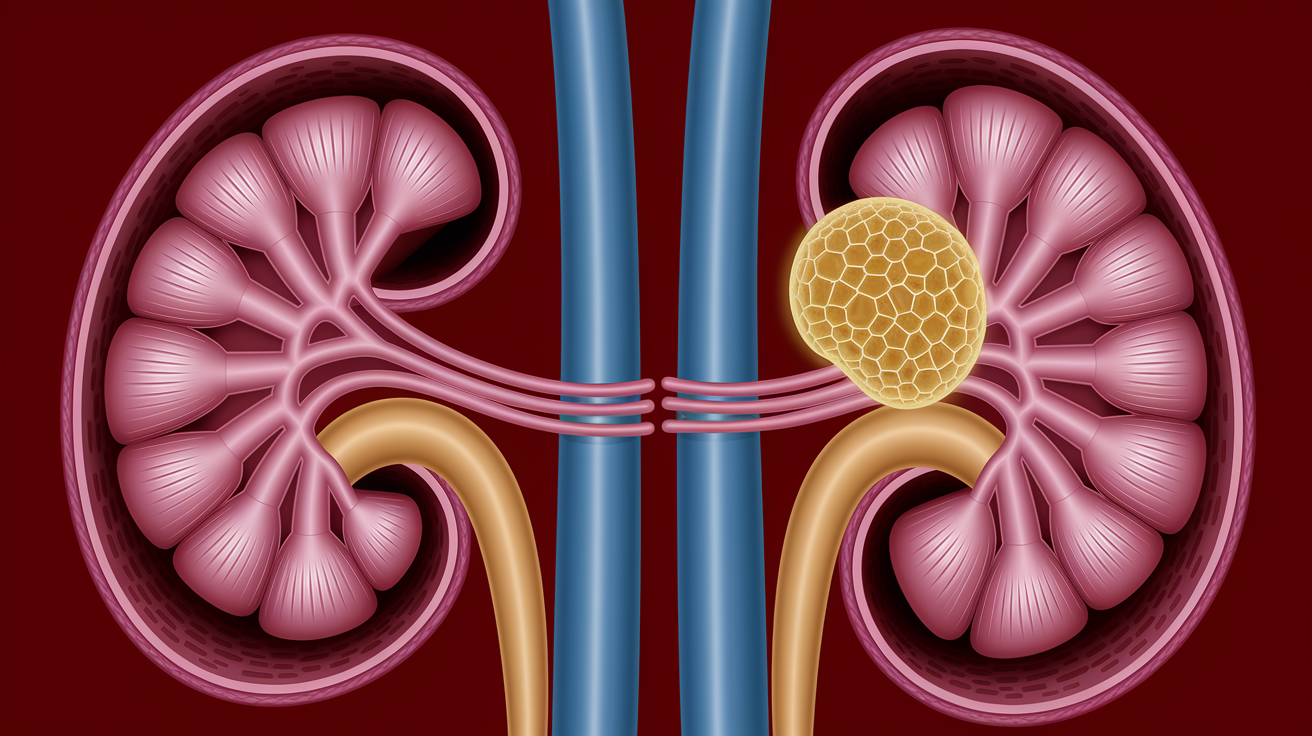
Kidney stones cause some of the most severe pain people ever experience. The pain is colicky, meaning it comes in intense waves, and it usually starts in your flank (the side of your back below your ribs) and radiates down to your groin. Kidney stone pain is often described as sharp, stabbing, or like being stabbed repeatedly. It can also cause nausea, vomiting, blood in your urine, and an urgent need to urinate. Stones don’t always need surgery. Small ones can pass on their own with fluids and pain management. Larger stones may need lithotripsy (shock wave treatment) or surgical removal.
Urinary tract infections and bladder infections cause lower abdominal pain along with burning during urination, frequent urges to pee, and sometimes cloudy or bloody urine. The pain is usually more of an ache or pressure, but it can be sharp if the infection is severe or if it spreads to your kidneys (pyelonephritis). Kidney infections cause flank pain, fever, chills, and nausea. They need antibiotics right away to prevent permanent kidney damage.
Not all sharp stomach pain actually comes from your stomach. Referred pain from other areas can mimic abdominal problems. Shingles can cause sharp abdominal pain before the rash appears, especially if the nerve affected runs along your torso. Heart problems like angina or a heart attack can cause upper abdominal pain, especially in women. Pneumonia or a lung infection can cause upper abdominal pain because the diaphragm and lower lungs share nerve pathways with the upper abdomen.
Clues that help distinguish urinary vs referred pain:
- Burning or pain during urination points to UTI or bladder infection
- Flank pain radiating to groin suggests kidney stones
- Pain that worsens with deep breaths or coughing can be lung related
- Upper abdominal pain with chest pressure, sweating, or shortness of breath raises concern for heart issues
How Clinicians Diagnose the Cause of Sharp Stomach Pain

When you see a clinician for sharp stomach pain, the first thing they’ll do is take a detailed history. They’ll ask where the pain is, when it started, what makes it better or worse, whether it’s constant or comes and goes, and what other symptoms you have. They’ll also ask about your last bowel movement, your menstrual cycle if applicable, recent meals, medications, surgeries, and any trauma. That conversation alone often points them toward the likely cause.
Next comes the physical exam. The clinician will press on different parts of your abdomen to check for tenderness, rigidity, or guarding (when your abdominal muscles tense up to protect a painful area). They’ll listen with a stethoscope for bowel sounds, which can be absent in a blockage or hyperactive in gastroenteritis. They may check for rebound tenderness, which happens when pressing and then quickly releasing your abdomen causes sharp pain, a sign of peritonitis. In women, a pelvic exam or vaginal ultrasound may be done to look for ovarian cysts, ectopic pregnancy, or pelvic inflammatory disease.
Imaging and lab tests confirm the diagnosis. Blood tests can show infection (elevated white blood cells), dehydration, anemia from bleeding, liver or pancreas inflammation, and pregnancy (hCG level). Urinalysis detects urinary tract infections, kidney stones, or blood in the urine. Stool tests can identify bacterial infections or parasites. Imaging gives the clearest picture of what’s going on inside.
| Diagnostic Test | What It Detects |
|---|---|
| Blood Tests | Infection, inflammation, anemia, liver/pancreas function, pregnancy |
| CT Scan | Appendicitis, bowel obstruction, kidney stones, abscesses, perforations |
| Ultrasound | Gallstones, ovarian cysts, ectopic pregnancy, liver/kidney abnormalities |
| Urinalysis | Urinary tract infection, kidney stones, blood in urine |
| Stool Tests | Bacterial infections, parasites, blood in stool |
Red Flags That Mean Sharp Stomach Pain Needs Emergency Care

Red flags are the symptoms that tell you “don’t wait, get help now.” They separate routine abdominal pain from emergencies that can lead to sepsis, internal bleeding, organ failure, or death if not treated quickly. The most important red flag is sudden, severe abdominal pain that doesn’t ease. If the pain is so bad you can’t stand up straight, can’t find a comfortable position, or makes you feel like something inside you broke, that’s an emergency. Pain that starts moderate and then rapidly worsens over minutes to a few hours is also worrying.
Fever with abdominal pain raises the concern for infection, whether that’s appendicitis, pelvic inflammatory disease, diverticulitis, or a perforated organ. Persistent vomiting, especially if you can’t keep any fluids down, leads to dehydration and can signal a bowel obstruction. Vomiting blood or material that looks like coffee grounds means bleeding in your stomach or esophagus. Black, tarry stools (melena) or bright red blood in your stool (hematochezia) are signs of gastrointestinal bleeding. Rectal bleeding combined with severe abdominal pain can indicate ischemic colitis or a lower GI bleed.
Urgent symptoms requiring emergency room evaluation:
- Sudden, severe abdominal pain that doesn’t improve
- Fever (over 100.4°F or 38°C) with abdominal pain
- Persistent vomiting or inability to keep fluids down
- Black, tarry, or bloody stools
- Vomiting blood or coffee ground material
- Inability to pass stool or gas for several hours
- Extreme tenderness or a rigid, board like abdomen when touched
- Sharp lower right abdominal pain that worsens over hours (appendicitis pattern)
- Severe pelvic pain in women, especially with dizziness, fainting, or vaginal bleeding
- Chest pain or shortness of breath along with abdominal pain
Any abdominal pain during pregnancy, no matter how mild, deserves prompt evaluation because of the risk of ectopic pregnancy, placental abruption, or preterm labor. If your pain hasn’t improved after 24 hours or if it’s been going on for more than a week without a clear cause, see a clinician even if it’s not an emergency.
Practical Steps to Manage Sharp Stomach Pain at Home (When Safe)

If your pain is mild to moderate, not worsening, and doesn’t have any red flags, there are things you can try at home. Hydration is the foundation. Sip water, clear broth, or an electrolyte drink, especially if you’ve been vomiting or have diarrhea. Rest your stomach by sticking to bland, easy to digest foods like toast, rice, bananas, and applesauce (the BRAT diet). Avoid fatty, spicy, or acidic foods until you feel better.
For menstrual cramps, a heating pad or warm compress on your lower abdomen can ease the pain. Over the counter pain relievers like ibuprofen or naproxen work well for cramps, but avoid them if you have a stomach ulcer or are vomiting. For indigestion, GERD, or upper abdominal pain, antacids like Tums or Rolaids can provide quick relief. Proton pump inhibitors like Prilosec (omeprazole) reduce stomach acid production and are helpful for GERD or frequent heartburn. For constipation, increase your water and fiber intake and try gentle exercise like walking. Over the counter stool softeners or fiber supplements can help, but avoid long term laxative use without talking to a clinician.
Safe at home options and behavior changes:
- Stay hydrated, sip fluids slowly if nauseous
- Use a heating pad for menstrual or muscle related pain
- Take antacids or PPIs for upper abdominal burning or GERD
- Eat smaller, more frequent meals instead of large heavy ones
- Avoid known triggers like caffeine, alcohol, fatty foods, or dairy if you’re lactose intolerant
Don’t use home remedies if you have severe pain, fever, vomiting blood, bloody stools, or if your pain is getting worse. Those situations need medical evaluation, not time and rest.
When to Follow Up With a Gastroenterologist or Primary Clinician

If your sharp stomach pain keeps coming back, doesn’t respond to over the counter treatment, or lasts more than a week, it’s time to see a clinician. Chronic indigestion that doesn’t improve with antacids or diet changes can signal GERD, peptic ulcers, or even stomach cancer in rare cases. GERD symptoms lasting over 2 weeks despite proton pump inhibitors need evaluation to rule out Barrett’s esophagus or esophageal strictures.
IBS is manageable, but if you have IBS symptoms plus blood in your stool, unexplained weight loss, or persistent fatigue, you need to be evaluated for inflammatory bowel disease like Crohn’s or ulcerative colitis. Constipation with rectal bleeding or severe abdominal pain can be a sign of colorectal polyps, diverticulosis, or cancer. Gallbladder attacks that become more frequent or more severe warrant imaging and possible surgery before a stone blocks your bile duct or causes pancreatitis.
Critical details to track before your appointment:
- When the pain started and whether it’s getting better, worse, or staying the same
- What triggers the pain (certain foods, stress, time of day, posture)
- Changes in your stool (color, consistency, frequency, blood or mucus)
- Accompanying symptoms like fever, nausea, vomiting, weight loss, fatigue, or changes in appetite
Early evaluation prevents complications. A simple problem like GERD can turn into Barrett’s esophagus if ignored for years. Gallstones can lead to pancreatitis or bile duct obstruction. IBS like symptoms can mask colon cancer in older adults. If something feels off or your pain doesn’t fit the usual pattern, trust that instinct and get checked.
Final Words
Use location, timing, and how strong the pain is to sort likely causes. This piece walked through common digestive reasons, urgent surgical and gynecologic causes, urinary and referred pain, and simple home steps to try.
Track when it started, what makes it better or worse, and any other symptoms like fever, vomiting, or bleeding. If pain is sudden, worsening, or paired with fainting, seek emergency care right away.
Keeping notes and knowing red flags helps you and your clinician find answers. Knowing what causes sharp stomach pain gives you clearer next steps and a better chance of quick relief.
FAQ
Q: What stomach pains should you never ignore? How to know if sharp stomach pain is serious?
A: The stomach pains you should never ignore are sudden, very severe, or worsening pains, especially with fever, fainting, vomiting blood, black or bloody stools, inability to pass stool or gas, or sharp one-sided pelvic pain in early pregnancy.
Q: How do you get rid of a sharp pain in your stomach?
A: To get rid of sharp stomach pain at home, rest, sip clear fluids, use a heating pad, try OTC antacids or antispasmodics, eat bland food later, and avoid heavy or fatty meals—seek care if pain is severe or lasting.
Q: What causes sharp stabbing pain in the stomach?
A: Sharp stabbing stomach pain comes from digestive causes like gas, indigestion, food poisoning, constipation, GERD, and IBS, and from urgent problems like appendicitis, gallstones, kidney stones, or ectopic pregnancy.