

Ever wake up two or three times to pee and wonder if it’s just aging or something more serious?
Frequent nighttime urination, called nocturia (waking to urinate more than once during eight hours of sleep), is more than an annoyance.
If you’re getting up multiple times, this post explains common medical reasons: bladder or prostate problems, diabetes or heart and kidney conditions, sleep disorders, medicines, and evening habits, and it tells you what to track and when to get checked.
Key Medical Categories Behind Nighttime Urination Frequency
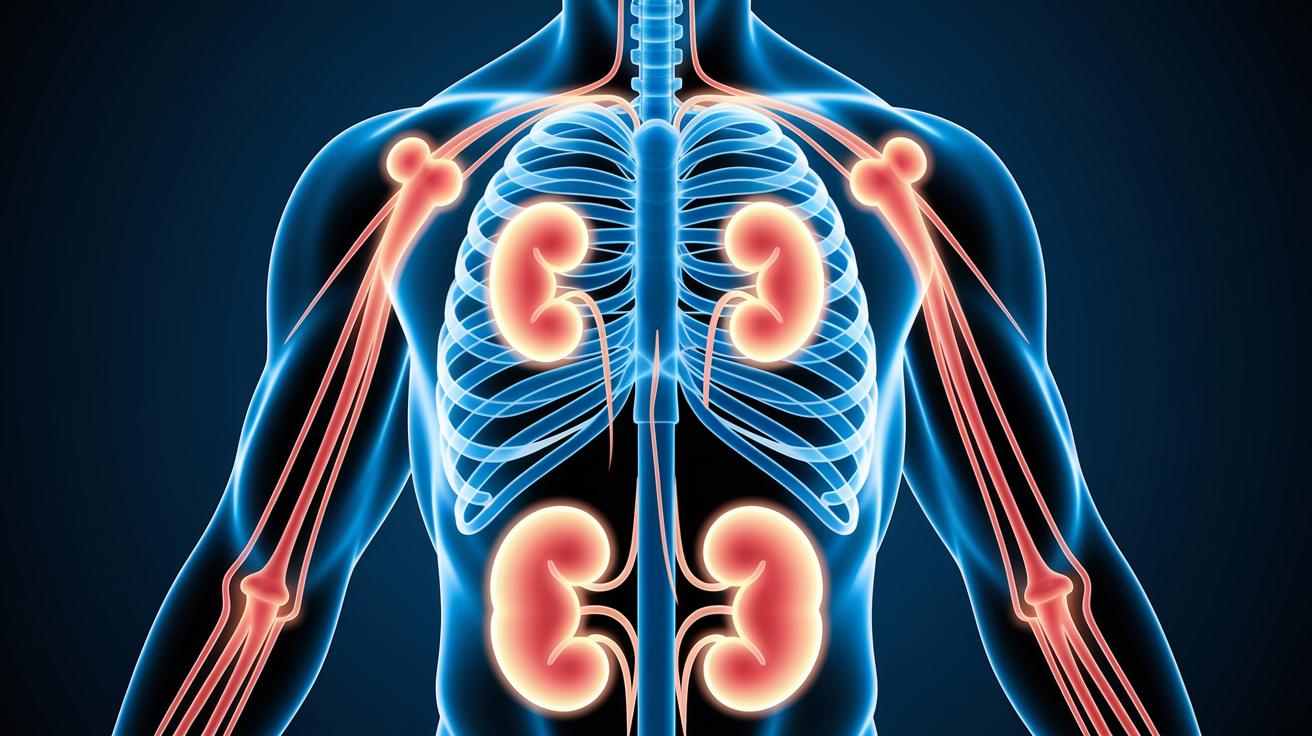
Nocturia means waking to urinate more than once during an eight hour sleep period. If you’re getting up two, three, or four times each night, your body’s signaling that something needs attention. One trip is common. Multiple trips aren’t, and they often point to medical or lifestyle factors that can be identified and managed.
The causes of frequent nighttime urination fall into several broad groups. Some involve the bladder itself, like reduced storage capacity or overactivity. Others stem from the prostate, especially in men over 50. Systemic diseases like diabetes and heart failure can shift how your body handles fluids. Sleep disorders, certain medications, and evening habits also play a role.
The sections ahead break down each category in depth. You’ll see what changes inside the body, what symptoms overlap, and when each cause becomes most likely. The goal is to help you recognize patterns and understand which next steps make sense.
• Bladder related issues (reduced capacity, overactivity, or inflammation)
• Prostate related factors (enlargement, inflammation, or obstruction)
• Systemic and metabolic diseases (diabetes, heart failure, kidney disease)
• Sleep disorders (sleep apnea and fragmented sleep patterns)
• Lifestyle triggers (evening fluids, caffeine, alcohol)
• Medication effects (diuretics, blood pressure drugs, and timing)
How Bladder Capacity and Irritation Contribute to Night Urination

Your bladder should hold around 12 to 16 ounces of urine comfortably before you feel the urge to go. If that capacity shrinks, you’ll need to empty more often, day and night. Bladder capacity can drop because of infection, chronic inflammation, or physical obstruction. When the bladder wall becomes irritated or thickened, it doesn’t stretch as well. Smaller amounts of urine trigger the urge. This pattern often shows up during the day too, but nighttime trips become especially disruptive because they break your sleep repeatedly.
Overactive bladder is a separate issue. It involves involuntary muscle contractions in the bladder wall that create sudden, strong urges even when the bladder isn’t full. Those contractions can happen at any hour, but they’re especially noticeable at night when you’re trying to rest. The bladder muscle squeezes unpredictably, and the signal to your brain says “go now,” even if there’s not much urine inside.
Interstitial cystitis, a chronic bladder pain condition, also increases nighttime urination. People with this condition often feel pelvic discomfort and pressure that worsens as the bladder fills. At night, lying flat can intensify that sensation. You might take frequent trips to the bathroom just to ease the pain, even if only a small amount of urine comes out.
Prostate Related Causes of Nighttime Urination

Benign prostatic hyperplasia, or BPH, is the most common prostate condition in men over 50. The prostate wraps around the urethra, the tube that carries urine out of the bladder. As the prostate enlarges, it squeezes the urethra and slows the flow of urine. Your bladder has to work harder to empty, and even after urinating, some urine may stay behind. That leftover volume fills up faster overnight, triggering more nighttime trips. Men with BPH often notice a weaker stream, difficulty starting urination, and the sensation that the bladder hasn’t fully emptied.
PSA, or prostate specific antigen, is a protein measured through a blood test. Elevated PSA levels can indicate several things. Prostate inflammation, BPH, or prostate cancer. PSA isn’t diagnostic on its own, but it helps clinicians decide whether further testing is needed. If you’re waking frequently at night and your PSA is high, your doctor will likely recommend additional evaluation to clarify the cause.
Prostate cancer in its early stages usually doesn’t cause urinary symptoms. But as it advances, it can create the same obstructive symptoms as BPH. Weak flow, difficulty starting or stopping, frequent nighttime urination, and a persistent feeling that the bladder isn’t empty. These symptoms aren’t proof of cancer, but they do mean it’s time for a prostate exam and PSA test to rule it out.
Metabolic and Systemic Conditions That Raise Nighttime Urine Production

Diabetes, especially when blood sugar is poorly controlled, increases the volume of urine your body makes. High glucose levels spill into the urine, pulling extra water with them through a process called osmotic diuresis. This can lead to polyuria, producing more urine than your bladder can hold during normal intervals. You may notice increased thirst during the day and more frequent urination both day and night.
Heart failure shifts fluid dynamics in a noticeable way. During the day, gravity pulls fluid into your legs and feet, causing swelling (edema). When you lie down at night, that fluid moves back into circulation. Your kidneys filter the extra volume and produce more urine overnight. If you’re waking up multiple times and also noticing swollen ankles or shortness of breath, heart related fluid redistribution could be the cause.
Chronic kidney disease reduces the kidneys’ ability to concentrate urine. Normally, kidneys reabsorb water overnight and produce smaller amounts of more concentrated urine while you sleep. When kidney function declines, this concentrating ability weakens. Your body makes larger volumes of dilute urine around the clock. Nocturia becomes a consistent pattern, often paired with daytime frequency as well.
Conditions that increase nighttime urine output:
• Uncontrolled diabetes (excess glucose pulls water into urine)
• Heart failure (fluid redistributes from legs into circulation at night)
• Chronic kidney disease (reduced urine concentration ability)
• Peripheral edema (leg swelling that drains overnight and increases urine production)
Lifestyle and Medication Triggers That Increase Nighttime Urination

The timing of your fluid intake and medication schedule has a direct effect on nighttime urination. If you drink large amounts of water, tea, or other beverages in the two hours before bed, your kidneys will process that volume overnight. This is especially true with diuretic beverages like coffee and alcohol, which increase urine production and irritate the bladder lining. Even a single evening drink can lead to multiple nighttime trips.
Diuretic medications, prescribed for high blood pressure or heart conditions, are designed to remove excess fluid from the body. If you take a diuretic in the late afternoon or evening, most of its effect will happen at night. That’s why doctors usually recommend taking diuretics in the morning. Other medications can also increase nighttime urine production as a side effect. Some blood pressure drugs and antidepressants fall into this category.
Common triggers that worsen nocturia:
• Evening fluid intake (especially within two hours of bedtime)
• Caffeine (acts as both a diuretic and a bladder irritant)
• Alcohol (increases urine production and disrupts sleep quality)
• Diuretics taken late in the day (shift peak urine output into nighttime hours)
• Certain blood pressure and mood medications (can increase urinary frequency as a side effect)
Sleep Disorders and Nighttime Urination Disruption

Obstructive sleep apnea doesn’t just interrupt breathing. It also affects hormones that regulate fluid balance. When oxygen levels drop during apnea episodes, the heart releases a hormone called atrial natriuretic peptide, which signals the kidneys to produce more urine. People with untreated sleep apnea often wake multiple times to urinate, not because their bladder is full, but because their body’s responding to the sleep disruption and hormonal shifts. Treating the apnea often reduces nighttime urination significantly.
Sleep fragmentation from any cause makes you more aware of bladder sensations. If you’re already waking frequently because of restless sleep, anxiety, or chronic pain, you’re more likely to notice even mild bladder fullness and get up to urinate. In these cases, the bladder may not actually be overactive. The issue is that disrupted sleep lowers the threshold for what feels urgent. Improving overall sleep quality can reduce the perceived need to urinate overnight.
How Clinicians Diagnose the Causes of Frequent Nighttime Urination

Your doctor will start by asking detailed questions about when the nighttime urination started, how many times you wake, how much you urinate each time, and what you drink in the evening. They’ll also review your medication list, ask about other symptoms like fever, pain, swelling, or shortness of breath, and whether you have existing conditions like diabetes or heart disease. A bladder diary, where you track the timing and volume of urination over several days, helps map your pattern and identify triggers.
Lab tests provide important clues. A urinalysis checks for infection, blood, glucose, and protein in the urine. If infection is suspected, a urine culture confirms bacteria and guides antibiotic choice. Blood glucose or hemoglobin A1c tests screen for diabetes. Serum creatinine and blood urea nitrogen measure kidney function. An elevated PSA in men prompts further prostate evaluation. All of these tests are routine and usually done in a single visit.
If initial tests don’t clarify the cause, imaging may be needed. A bladder ultrasound checks for structural abnormalities, retained urine after voiding, or bladder wall thickening. Kidney ultrasound looks for obstruction, stones, or signs of chronic disease. In some cases, urodynamic testing measures how well the bladder fills and empties. Sleep studies may be ordered if sleep apnea is suspected.
| Test | What It Checks For |
|---|---|
| Urinalysis | Infection, blood, glucose, protein, and signs of kidney disease |
| Blood glucose or HbA1c | Diabetes or poor blood sugar control |
| Serum creatinine and BUN | Kidney function and filtration capacity |
| Bladder or kidney ultrasound | Structural problems, retained urine, stones, or obstruction |
Treatment Approaches for Nighttime Urination Based on the Underlying Cause

Treatment depends entirely on what’s driving the nocturia. If the cause is a urinary tract infection, a short course of antibiotics usually resolves symptoms within a few days. If diabetes is poorly controlled, managing blood sugar with diet, exercise, or medication reduces excess urine production. Heart failure requires diuretics, blood pressure control, and sometimes medication adjustments to reduce nighttime fluid shifts. Treating the root condition often improves nocturia without needing bladder specific therapy.
When the bladder itself is overactive, medications can help. Antimuscarinic drugs like oxybutynin or tolterodine block signals that trigger involuntary bladder contractions. Mirabegron, a beta 3 agonist, relaxes the bladder muscle in a different way and may work better for some people. For men with BPH, alpha blockers like tamsulosin relax the muscles around the prostate and bladder neck, improving urine flow and reducing nighttime trips. In some cases, 5 alpha reductase inhibitors shrink the prostate over time.
Desmopressin is a medication that reduces nighttime urine production by mimicking a natural hormone that tells the kidneys to concentrate urine. It’s used carefully, mainly in people with nocturnal polyuria who don’t have heart failure or low sodium levels. For prostate enlargement that doesn’t respond to medication, procedures like transurethral resection or laser therapy may be options.
Treatment categories include:
- Bladder focused medications (antimuscarinics, beta 3 agonists, and bladder retraining programs)
- Prostate focused therapies (alpha blockers, 5 alpha reductase inhibitors, or minimally invasive procedures)
- Nocturnal polyuria treatments (desmopressin and careful fluid/sodium management)
- Treating underlying conditions (antibiotics for infection, glucose control for diabetes, heart failure management, kidney disease support)
Practical Lifestyle Strategies to Reduce Nighttime Urination

Small changes to your daily routine can lower how often you wake to urinate. The most effective step is limiting fluids for two hours before bedtime. If you’re thirsty, sip just enough to stay comfortable, but avoid drinking full glasses of water, juice, or tea. Skip caffeine and alcohol in the evening entirely. Both act as diuretics and irritate the bladder lining, making urgency worse.
Elevating your legs for 30 to 60 minutes in the late afternoon helps shift fluid out of your lower legs earlier in the day, so less drains overnight. Wearing compression stockings during the day can also reduce swelling. Always urinate right before getting into bed, even if the urge is mild. Bladder training, where you gradually increase the time between bathroom trips during the day, can help stretch bladder capacity over time. Pelvic floor exercises, like Kegels, strengthen the muscles that support bladder control and reduce urgency. For bladder training, start by waiting an extra five minutes when you feel the urge, then increase that interval slowly over several weeks.
Strategies that work:
• Restrict fluids for two hours before bedtime
• Avoid evening caffeine and alcohol
• Void immediately before sleep
• Elevate legs in the late afternoon to reduce overnight fluid shifts
• Wear compression stockings if you have leg swelling
• Try bladder training and pelvic floor exercises to improve control
When Nighttime Urination Signals a Need for Medical Care

If you’re consistently waking more than once per night to urinate, it’s time to talk to a doctor. Occasional nighttime trips are normal, especially if you drank a lot before bed. But a regular pattern of two, three, or four nightly trips that disrupts your sleep and leaves you tired during the day should be evaluated. Many causes are treatable, and waiting doesn’t make them go away.
Red flag symptoms mean you need urgent care. Seek medical attention right away if nighttime urination comes with fever, blood in the urine, pain or burning with urination, sudden swelling in your legs or abdomen, shortness of breath, or sudden weight gain. Weak urine flow, difficulty starting or stopping, or the feeling that your bladder never fully empties also warrant prompt evaluation, especially in men over 50. These signs can indicate infection, prostate obstruction, heart failure, or kidney problems that need immediate diagnosis and treatment.
Final Words
If you’re waking to pee several times each night, this guide covered the main groups behind it: bladder problems, prostate changes, systemic conditions, sleep issues, meds, and lifestyle triggers.
We explained how reduced bladder capacity, overactivity, prostate enlargement, diabetes or heart or kidney issues, sleep apnea, and late fluids or diuretics can increase nighttime urine.
Track when it starts, how often, volume, and triggers. Try limiting evening drinks, elevating legs, and pelvic floor work. If you still wonder what causes frequent urination at night, bring your notes to a clinician. Many causes are treatable and sleep often improves.
FAQ
Q: How can I stop peeing every 2 hours at night?
A: Stopping waking to pee every two hours at night starts with home steps: limit fluids 2–3 hours before bed, avoid evening caffeine or alcohol, elevate legs, practice pelvic floor exercises, and move diuretics to daytime.
Q: Why do I pee so much at night when I don’t drink anything, and should I be worried?
A: Peeing a lot at night with little intake means your body is making more urine overnight (from diabetes, heart or kidney problems, prostate or bladder issues, or sleep apnea). Track timing, volume, and see a clinician if it’s new, worsening, or has blood, pain, fever, or swelling.