

Waking up short of breath at night is terrifying, and many people brush it off until it gets worse.
It can come from your heart, lungs, sleep breathing problems, reflux, infections, or just how you sleep.
Did it start after a meal, with snoring, or suddenly in the night?
This post cuts through the worry and gives clear causes, red flags that need urgent care, and simple relief steps you can try tonight.
Immediate Answers About Nighttime Shortness of Breath and What It Means
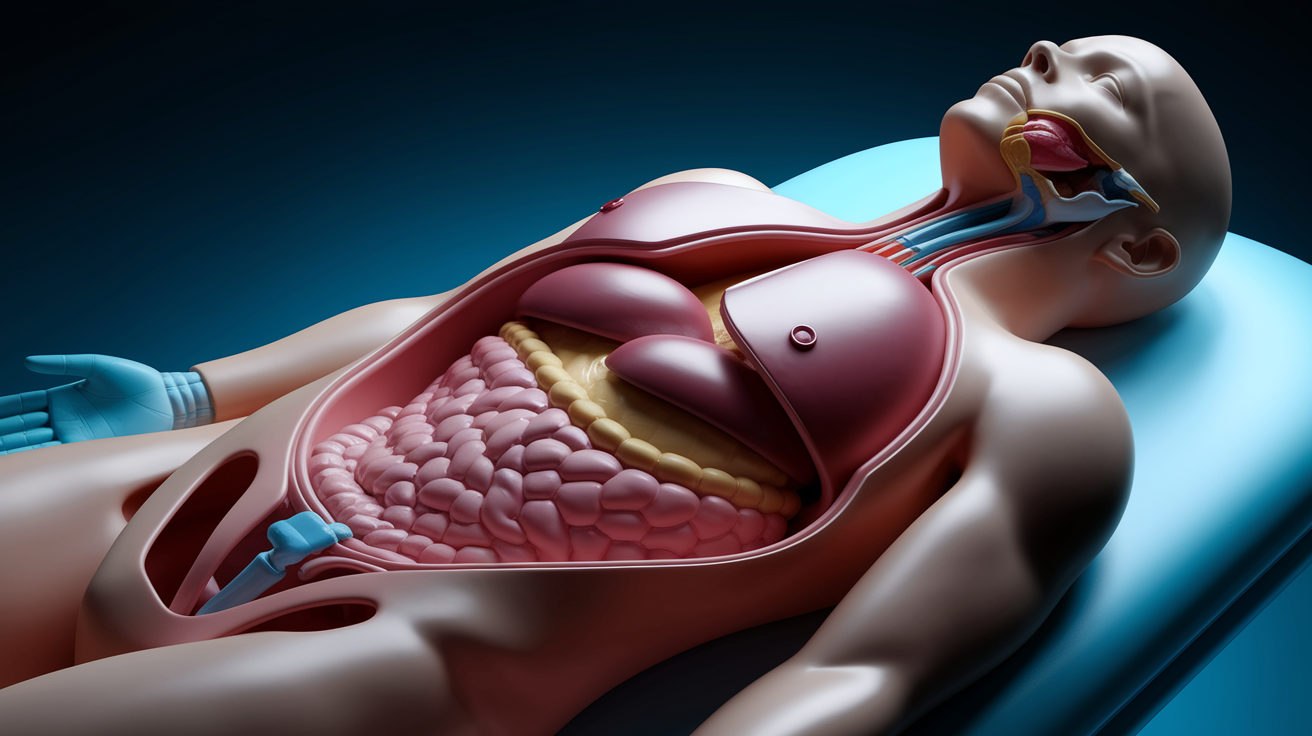
When you lie flat, your abdominal organs press up against your diaphragm. That’s the main muscle doing the work of breathing. The upward pressure limits how far your lungs can expand. Gravity isn’t pulling fluid downward anymore either, so fluid from your legs and belly shifts into your chest, sometimes pooling in your lungs. That’s why breathing problems you barely notice during the day can suddenly feel much worse at night.
Nighttime breathlessness usually comes from one of six broad categories:
- Heart problems, like congestive heart failure
- Lung conditions, including asthma, COPD, and pneumonia
- Sleep related breathing disorders, like obstructive sleep apnea
- Gastroesophageal reflux irritating your airways
- Respiratory infections, from the common cold to RSV or flu
- Environmental triggers, such as allergens, smoke, or pollution
Not every case needs immediate care. But some symptoms do. Get emergency help if you’re dealing with sudden, severe breathlessness that appears without warning, chest pain or a squeezing feeling, bluish lips or fingertips, or you can’t speak a full sentence without gasping. Those signs can point to a heart attack, pulmonary embolism, or severe respiratory failure. Waiting isn’t safe.
Common Conditions Behind Nighttime Shortness of Breath

Airway related causes show up a lot. Asthma often flares at night because mucus pools in the airways when you’re lying down, hormones that keep airways open drop slightly during sleep, and stomach acid can reflux into your throat and irritate your bronchial tubes. Allergies make things worse through postnasal drip. Mucus runs down the back of your throat, causing coughing and tight, shallow breathing. Dust mites, mold spores, and pet dander in bedding and carpets are common bedroom allergens. COPD narrows the airways over years of damage, usually from smoking or inhaling chemicals. It leads to chronic wheeze, cough, thick mucus, and chest tightness that all get worse when you lie down.
Pneumonia inflames lung tissue and fills air sacs with fluid or pus. You might notice fever, sharp chest pain when you breathe deeply, a persistent cough producing discolored mucus, and deep fatigue. High fever combined with worsening breathlessness at night means you should seek prompt medical care.
Heart failure, especially congestive heart failure, makes it tough for the heart to pump blood efficiently. When you lie flat, fluid that’s been pooling in your legs during the day moves into your lungs. That creates the classic sensation of drowning or suffocating. Risk factors include an unhealthy diet, diabetes, smoking, obesity, and certain medications that strain the heart. Coronary artery disease and prior heart attacks raise the likelihood of heart failure developing over time.
Sleep apnea involves repeated partial or complete collapse of the airway during sleep. You might snore loudly, wake up gasping or choking, feel your heart racing in the middle of the night, wake with a pounding headache, and spend the next day exhausted and irritable. Anxiety and panic attacks can also strike at night, triggering a sudden fight or flight response with rapid breathing, dizziness, nausea, and a frightening sense that you can’t get enough air even though your oxygen levels are normal.
How Sleep Position and Body Mechanics Influence Nighttime Breathing
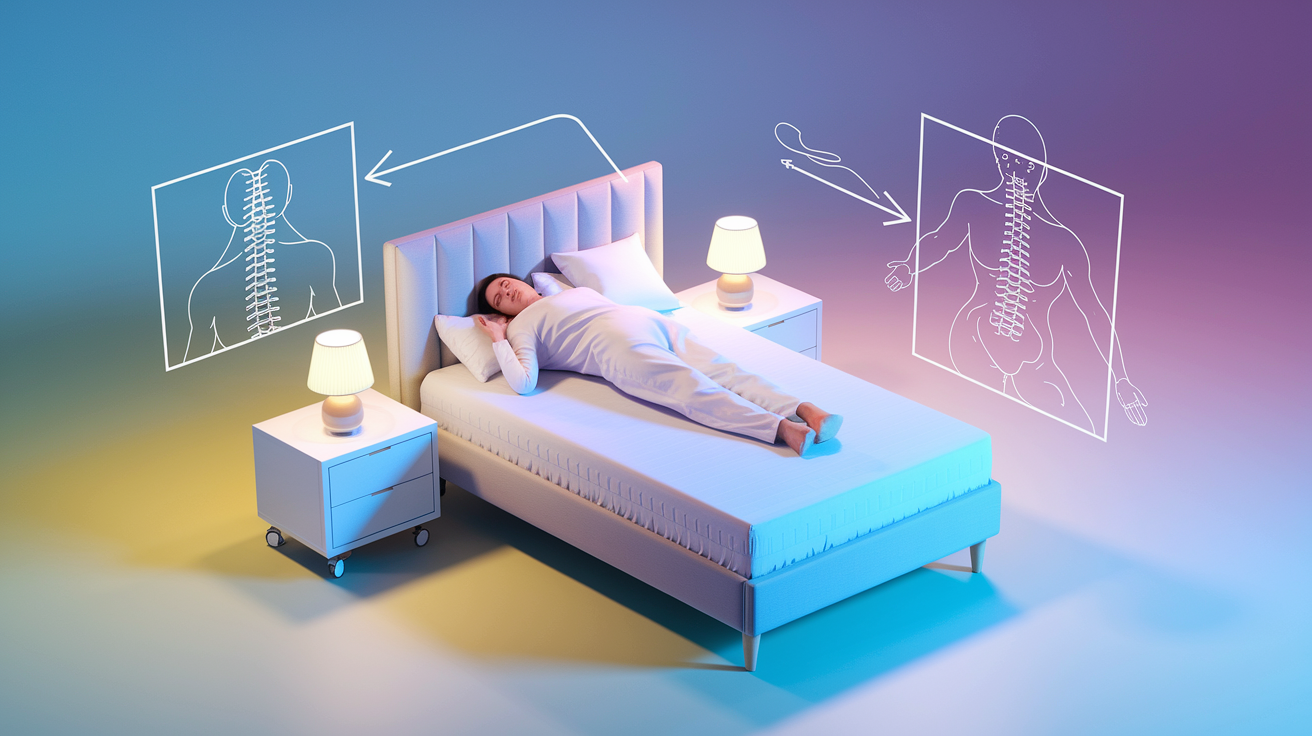
Lying flat compresses your diaphragm from below and reduces the natural curve of your spine that helps keep your airway open. The weight of your abdominal organs presses upward, limiting how far down your diaphragm can move with each breath. Your lungs have less room to expand, and any fluid in your body shifts horizontally instead of draining downward. Breathing feels shallow and labored.
Adjusting your position can ease that mechanical strain. Try these changes:
- Elevate your head and upper chest with two or three pillows, or raise the head of your bed by placing blocks under the bedframe.
- Sleep on your side instead of flat on your back. This helps keep your airway open and reduces snoring.
- If you’re sleeping on your side, place a pillow between your knees to keep your spine neutral and reduce strain on your hips and lower back.
- If you prefer lying on your back, bend your knees and place a cushion under each leg, then use one pillow to lift your head slightly.
Small shifts in position can make a noticeable difference, especially if your symptoms are mild or linked to reflux or early heart failure.
When Nighttime Shortness of Breath Is an Emergency

Some breathing problems develop slowly and can wait for a scheduled doctor visit. Others are medical emergencies. The difference often comes down to how quickly symptoms appear, how severe they are, and what other warning signs come with them.
Sudden, severe breathlessness that starts without warning and doesn’t ease with rest is always a reason to call 911. So is any chest pain, pressure, or tightness, especially if it spreads to your jaw, shoulder, or arm. Those symptoms can signal a heart attack or pulmonary embolism, a blood clot in the lung.
Seek emergency care immediately if you notice any of the following:
- Bluish color in your lips, fingertips, or face. This indicates dangerously low oxygen levels.
- Fainting, near fainting, or severe dizziness that makes it hard to stand or stay conscious.
- Severe swelling in one leg combined with sudden breathlessness. This may point to a blood clot that’s traveled to your lung.
- High fever, over 103°F, along with worsening breathlessness. This suggests severe pneumonia or another life threatening infection.
- Choking or sudden inability to breathe in a child. An object may be blocking the airway.
Don’t wait to see if symptoms improve on their own. Conditions like pulmonary embolism and heart attacks become harder to treat the longer you delay.
Diagnostic Steps for Nighttime Breathing Problems

Your clinician will start with a detailed history. They’ll ask when your symptoms started, what makes them better or worse, how often you wake up gasping, whether you snore, if you have chest pain or swelling in your legs, and whether you feel short of breath during the day or only at night. Studies show that clinicians can identify about 66 percent of shortness of breath cases from the clinical presentation alone. But testing usually follows to confirm the diagnosis and rule out serious causes.
A physical exam will check your heart rate, blood pressure, oxygen saturation, lung sounds, and whether you have swelling in your ankles or legs. Depending on what the exam suggests, you may be sent for one or more of the following tests.
| Test Name | What It Evaluates |
|---|---|
| Polysomnography (sleep study) | Monitors breathing, oxygen levels, heart rate, and brain activity during sleep to diagnose sleep apnea and other sleep related breathing disorders. |
| Chest X-ray | Looks for pneumonia, fluid in the lungs, enlarged heart, tumors, or signs of COPD. |
| Spirometry | Measures how much air you can move in and out of your lungs and how quickly, used to diagnose asthma and COPD. |
Other common tests include overnight oximetry, which tracks your oxygen levels while you sleep using a small finger clip, cardiac stress testing to see how your heart responds to exertion, an electrocardiogram (ECG) to check for arrhythmias or signs of prior heart damage, and a blood test for B-type natriuretic peptide (BNP). BNP rises when the heart is under strain and helps diagnose heart failure. Your clinician may also order a CT scan of the chest if a pulmonary embolism is suspected or refer you to a cardiologist or pulmonologist for more specialized evaluation.
Home Strategies to Manage Nighttime Breathlessness
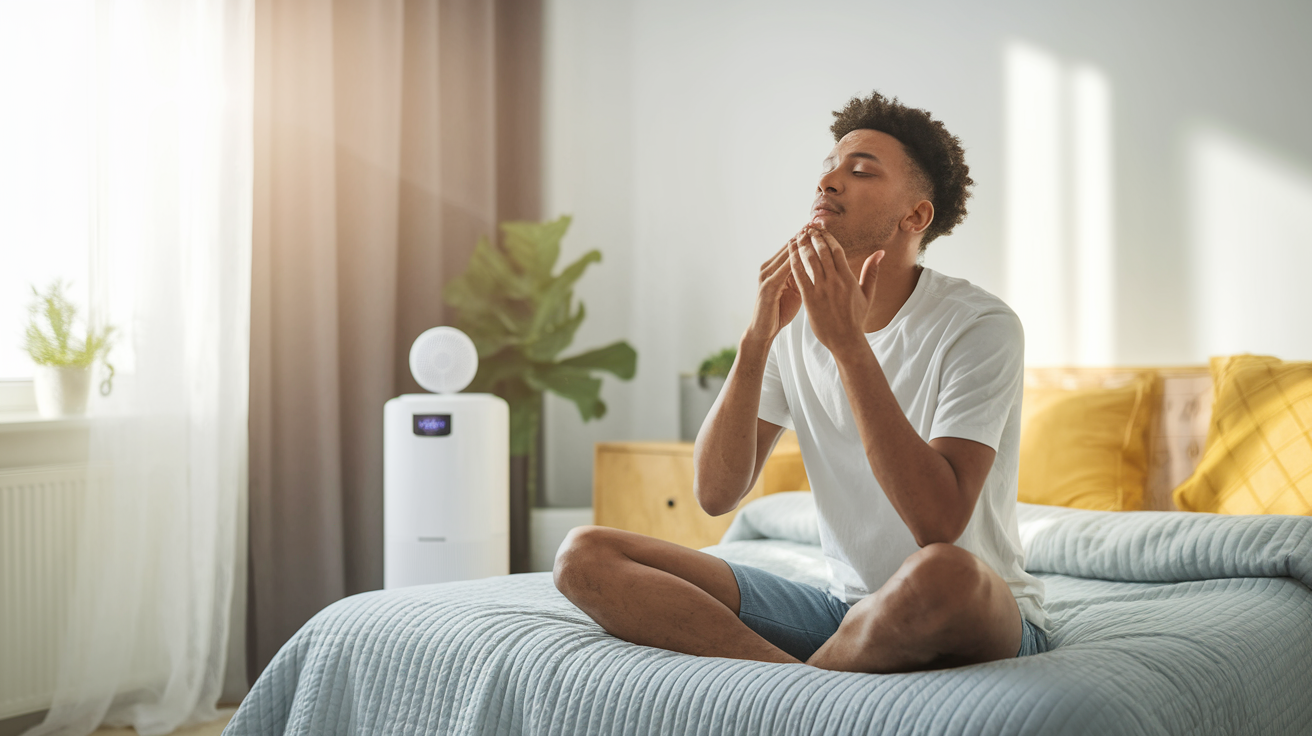
Once you know the underlying cause, there are practical steps you can take at home to reduce symptoms and improve your sleep. These strategies work best when combined with any prescribed treatments, not as a replacement for medical care.
Start by keeping your bedroom as clean and allergen free as possible. Wash bedding weekly in hot water, use allergen proof covers on pillows and mattresses, vacuum carpets and rugs regularly, and consider removing heavy curtains or upholstered furniture that traps dust. If you have pets, keep them out of the bedroom. A humidifier can help if dry air irritates your airways, but clean it frequently to prevent mold buildup.
Pursed lip breathing is a simple technique that helps clear stale air from your lungs and makes each breath more effective. Breathe in slowly through your nose for two counts, then purse your lips as if you’re about to whistle and breathe out gently for four counts. This creates a small amount of back pressure that keeps your airways open longer and reduces the trapped air common in COPD and asthma.
Try these additional steps:
- Avoid lying down within two to three hours of a large meal or drinking alcohol. Alcohol relaxes the muscles in your throat and can worsen reflux and sleep apnea.
- Stay physically active during the day, even gentle walking, to strengthen your heart and lungs and reduce fluid buildup.
- Use your prescribed inhaler, CPAP machine, or oxygen therapy every night as directed, not just on nights when symptoms feel severe.
- Keep a home pulse oximeter by your bed if your doctor recommends it, so you can check your oxygen levels when you wake up short of breath.
- Maintain a healthy weight. Extra weight around your neck and abdomen worsens both sleep apnea and the mechanical pressure on your diaphragm.
Medical Treatments Commonly Used for Nighttime Shortness of Breath
Treatment depends on the underlying cause, and in many cases more than one approach is needed at the same time. Respiratory conditions like asthma and COPD are managed with inhalers that deliver bronchodilators to relax and open the airways or corticosteroids to reduce inflammation. Quick relief inhalers are used during acute episodes, while long acting inhalers are taken daily to prevent symptoms. Some people also benefit from nebulizer treatments at home, especially during flare ups or respiratory infections.
Heart related breathlessness is often treated with diuretics, medications that help your kidneys remove excess fluid so it doesn’t pool in your lungs. Your doctor may also prescribe medications to strengthen your heart’s pumping action, lower your blood pressure, or control your heart rate. Monitoring your weight daily is important because a sudden gain of two or three pounds in a few days can signal fluid retention and the need to adjust your diuretic dose.
Sleep apnea is most commonly treated with continuous positive airway pressure (CPAP) therapy. This uses a mask connected to a small machine that delivers a steady stream of air to keep your airway open throughout the night. CPAP improves oxygen saturation, reduces the number of times you wake up gasping, and lowers your risk of high blood pressure, heart attack, and stroke. Some people also use oral appliances that reposition the jaw, or positional therapy devices that keep them sleeping on their side.
Reflux related breathlessness responds to proton pump inhibitors (PPIs) or H2 blockers, which reduce stomach acid production and prevent acid from irritating your esophagus and airways. Allergy symptoms are managed with antihistamines, nasal corticosteroid sprays, or leukotriene inhibitors. In some cases allergy shots or oral immunotherapy can reduce your overall sensitivity to triggers.
Lifestyle Factors That Can Reduce Nighttime Breathing Symptoms

Long term relief often comes from addressing the habits and exposures that contribute to your symptoms. Quitting smoking is the single most effective step for anyone with COPD, asthma, or heart disease. Smoking damages the airways and blood vessels, worsens inflammation, and accelerates the decline in lung function. Even secondhand smoke and vaping can trigger nighttime symptoms, so avoid exposure whenever possible.
Losing even a modest amount of weight can significantly improve sleep apnea and reduce the strain on your heart and diaphragm. Weight loss decreases fat deposits around the neck that narrow the airway and reduces the abdominal pressure that pushes up on your lungs when you lie down. Staying physically active also improves cardiovascular fitness, helps control weight, and strengthens respiratory muscles. All of which make breathing easier.
Focus on these changes:
- Avoid alcohol in the evening. It relaxes throat muscles and can worsen snoring and apnea episodes.
- Limit exposure to air pollution, strong fragrances, chemical fumes, and smoke. All of which irritate the airways.
- Move around regularly during the day, especially if you sit for long periods, to reduce the risk of blood clots that can travel to the lungs.
- Keep your home free of mold, dust, and pet dander by cleaning regularly and fixing leaks or moisture problems promptly.
Special Considerations for Children, Pregnancy, and Older Adults with Nighttime Breathing Issues

Children who wake up short of breath are most often dealing with viral infections like RSV, the flu, or the common cold. These cause airway inflammation and mucus buildup. Bacterial infections such as pneumonia or strep throat can also trigger breathing problems. Cystic fibrosis, a genetic condition that causes thick mucus to clog the lungs, is a less common but serious cause. If a child suddenly chokes, becomes agitated, and can’t breathe, suspect an inhaled object like a piece of food or a small toy and seek emergency care immediately. Encourage the child to cough if they can, but don’t try to reach into their throat and pull the object out. That can push it deeper.
Pregnant individuals often experience mild breathlessness, especially in the third trimester, because the growing uterus pushes the diaphragm upward and reduces lung capacity. Hormonal changes and increased blood volume also play a role. This is usually normal, but sudden or severe breathlessness, chest pain, or swelling in one leg should be evaluated urgently to rule out a pulmonary embolism or preeclampsia.
Older adults are more likely to have multiple chronic conditions, such as heart failure, COPD, and sleep apnea. All of which can overlap and worsen nighttime breathing. Medications are also more complex in older patients, and some drugs, such as certain beta blockers or sedatives, can affect breathing. Older adults may not notice gradual changes in their breathing and may wait longer to seek care. Family members should watch for new snoring, gasping at night, daytime confusion, or increasing fatigue.
How Nighttime Breathing Problems Affect Sleep Quality and Daytime Function
When your oxygen levels drop repeatedly during the night, a condition called nocturnal hypoxia, your body never reaches the deep, restorative stages of sleep. You may spend eight hours in bed but wake up feeling as tired as when you went to sleep. Your brain and heart work harder all night trying to compensate for low oxygen. This raises your blood pressure and puts strain on your cardiovascular system.
Daytime consequences add up quickly. You may struggle with concentration, memory problems, irritability, and mood swings. Morning headaches are common because carbon dioxide builds up in your blood overnight. Some people fall asleep during the day without intending to. This increases the risk of car accidents and workplace injuries.
Common daytime symptoms linked to nighttime breathing problems include:
- Severe fatigue that doesn’t improve with rest
- Difficulty focusing or completing tasks
- Increased risk of depression and anxiety
Over time, untreated nocturnal hypoxia raises your risk of high blood pressure, coronary artery disease, heart attack, stroke, and irregular heart rhythms. Recurrent arrhythmias in people with existing heart disease can lead to sudden cardiac death. This makes diagnosing and treating sleep related breathing disorders particularly urgent in that population.
Tracking Patterns and Knowing When to Seek Specialist Care
Keeping a record of your symptoms helps you and your doctor identify patterns and make faster, more accurate diagnoses. Note the time you go to bed, how many times you wake up short of breath, and what you were doing before symptoms started. Write down whether sitting up helps, if you notice chest pain, leg swelling, fever, cough, or wheezing, and whether you snore or your partner has heard you gasp or stop breathing during sleep.
Track these details and bring them to your appointment:
- The number of nights per week you wake up breathless.
- Whether breathlessness happens within the first few hours of sleep or closer to morning.
- Triggers you’ve noticed, such as large meals, alcohol, sleeping flat, or exposure to dust or pets.
- Any other symptoms, including daytime fatigue, morning headaches, chest pain, leg swelling, fever, or productive cough.
If your symptoms persist despite initial treatment, or if your primary care doctor is unsure of the cause, you’ll likely be referred to a specialist. Pulmonologists diagnose and treat lung conditions like asthma, COPD, and sleep apnea. Cardiologists evaluate heart related causes of breathlessness, including heart failure and coronary artery disease. In some cases, you may need to see both, especially if your symptoms involve overlapping heart and lung issues.
Final Words
Waking up short of breath is your body telling you something is making night breathing harder — fluid shifts, narrowed airways, reflux, sleep apnea, or heart strain.
This guide ran through why it happens, common causes, when to worry, simple home steps, and tests your clinician might use. Track timing, triggers, severity, and any chest pain so you can explain it clearly.
If shortness of breath at night is happening, get it checked and try easy fixes like elevating your head. Most people find clearer, safer sleep with the right steps.
FAQ
Q: What causes sudden shortness of breath at night?
A: Sudden shortness of breath at night is often caused by three main things: heart failure (fluid in the lungs), sleep apnea (airway collapse), and asthma or COPD; reflux or allergies can also trigger it.
Q: How do I know if my shortness of breath is heart related?
A: You can tell if your shortness of breath is heart related by signs like worse breathing when lying flat, waking gasping at night, ankle swelling, sudden weight gain, chest pressure, or known heart disease—get checked.
Q: How to fix difficulty breathing at night?
A: You can try fixing difficulty breathing at night by elevating your head, avoiding late meals and alcohol, cutting allergens, using prescribed inhalers or CPAP, practicing pursed-lip breathing, and calling your clinician if persistent.