

What if the snack in your hand, not stress or bad sleep, is the thing that keeps giving you headaches?
Researchers and real headache diaries point to nine food categories that show up most often, like caffeine, alcohol (especially red wine), aged cheeses, cured meats, MSG, artificial sweeteners, and very cold foods.
This post lists those common triggers, explains why they can cause pain, and gives a simple plan to test foods so you can stop guessing and find what truly matters for you.
Triggers are personal. Testing is the only reliable way to know.
Comprehensive List of Foods Most Commonly Linked to Headache Triggers

Some foods show up over and over in headache diaries. Researchers and headache clinics have grouped dietary triggers into a few core categories, making it easier to spot patterns in your own experience. These lists come from studies, clinical reports, and what people actually track when their headaches start.
Knowing the categories helps you scan ingredient labels and restaurant menus faster. When you’re trying to figure out why your head hurts, having a mental checklist narrows down the suspects.
Here are the nine major food and drink categories most often linked to headache triggers:
Caffeine – Coffee, tea, energy drinks, cola, and some pain relievers. Can help in small amounts but too much, or sudden withdrawal, can trigger headaches.
Artificial sweeteners – Especially aspartame in diet sodas, sugar-free gum, and low-calorie snacks.
Alcohol – Beer, wine, and spirits. Red wine’s the most commonly reported, with about 77% of alcohol-sensitive headache sufferers naming it specifically.
Chocolate – Candy bars, hot cocoa, baked goods with cocoa. Up to 33% of people with migraine report chocolate as a trigger.
MSG-containing foods – Bouillon cubes, packaged soups, restaurant meals with flavor enhancers, chips with “natural flavors.”
Cured and processed meats – Bacon, salami, hot dogs, deli turkey, sausages, and pepperoni.
Aged cheeses – Cheddar, blue cheese, parmesan, gouda, Swiss, brie. The longer it ages, the higher the trigger risk.
Fermented and pickled foods – Sauerkraut, kimchi, pickles, soy sauce, miso, kombucha.
Frozen or very cold foods – Ice cream, frozen smoothies, slushies. These can cause quick cold-stimulus headaches or worsen migraine in some people.
Triggers are never one-size-fits-all. One person might eat chocolate daily without issue while another gets a pounding headache from a single square. Your personal sensitivity depends on genetics, how often you’re exposed, and what else is happening that day. Missed meals, poor sleep, or stress all play a role. Tracking your own patterns is the only reliable way to know which foods really matter for you.
Why These Foods Trigger Headaches (With Detailed Examples)
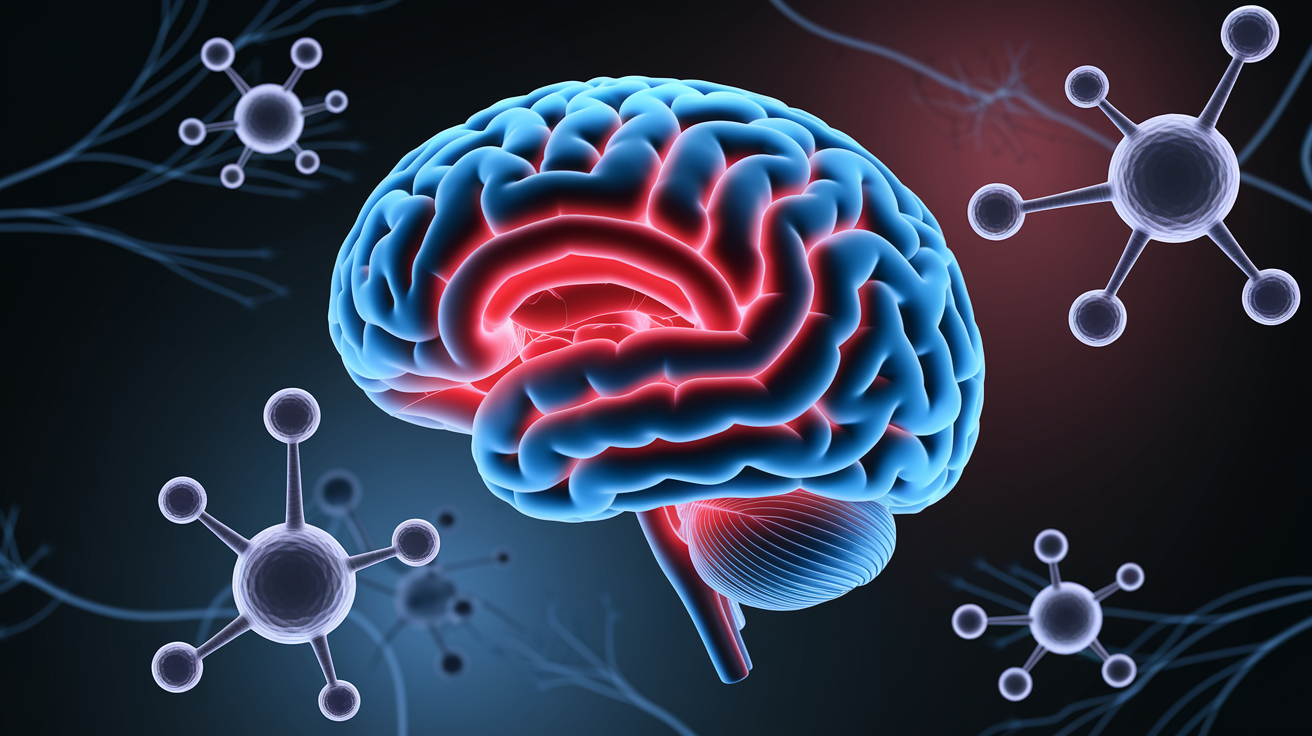
Different compounds in food affect blood vessels, nerves, and brain chemistry in ways that can spark a headache. Understanding the science behind each trigger helps you make sense of why specific foods keep showing up in headache diaries.
Tyramine forms when proteins break down during aging or fermentation. It can constrict and then rapidly dilate blood vessels in the brain, a pattern strongly linked to migraine attacks. Histamine and sulfites have similar effects, causing inflammation or widening blood vessels, especially in people who metabolize these compounds slowly.
Nitrates and nitrites, used as preservatives, convert in the body to nitric oxide. That’s a molecule that relaxes blood vessel walls and can trigger headaches in sensitive individuals.
Monosodium glutamate and related glutamates act on nerve receptors in the brain. Some people report headaches after eating meals high in MSG, though controlled studies show mixed results. The real-world experience varies widely.
Caffeine’s dose-dependent. Low to moderate amounts can actually stop a headache by narrowing swollen blood vessels. But too much caffeine or sudden withdrawal disrupts this balance and can trigger pain within 12 to 24 hours. Caffeine withdrawal headaches can last anywhere from two to nine days.
Artificial sweeteners, particularly aspartame, are reported by some headache sufferers as reliable triggers. Possibly by affecting neurotransmitter activity or excitatory pathways in the brain. Evidence is still debated, but aspartame appears frequently in elimination-diet success stories.
Aged Cheeses and Tyramine
Aged cheeses like cheddar, blue cheese, parmesan, and gouda accumulate tyramine as bacteria break down the protein over months or years. The older and sharper the cheese, the higher the tyramine load. Fresh cheeses like ricotta, mozzarella, and cottage cheese contain very little tyramine and are generally safer options for headache-prone people.
Processed & Cured Meats and Nitrates
Bacon, salami, pepperoni, hot dogs, deli ham, and sausages are cured with nitrates or nitrites to preserve color and prevent spoilage. Once eaten, these compounds convert to nitric oxide, which dilates cerebral blood vessels and can trigger migraine or tension-type headaches. Choosing fresh-cooked chicken, turkey, or beef avoids this pathway entirely.
Alcoholic Drinks, Histamine, and Sulfites
Red wine, beer, and champagne contain histamine produced during fermentation and sulfites added as preservatives. Both compounds are vasoactive and can trigger headaches within minutes to a few hours. Among people who report alcohol as a trigger, more than three-quarters specifically blame red wine. Even one standard drink (5 ounces of wine or 12 ounces of beer) can be enough for sensitive individuals.
Chocolate, Caffeine, and Phenylethylamine
Chocolate contains both caffeine and a compound called phenylethylamine, which can affect blood pressure and vascular tone. Milk chocolate has less of both than dark chocolate. But any amount can trigger headaches in people who are sensitive. Carob, which looks and tastes similar but lacks caffeine and phenylethylamine, is a common swap.
MSG & High-Glutamate Dishes
Monosodium glutamate appears in bouillon, canned soups, packaged snacks, soy sauce, and many restaurant meals. Some ingredient labels hide it under terms like “hydrolyzed vegetable protein,” “autolyzed yeast extract,” or “natural flavors.” Clinical trials on MSG and headache show conflicting results. But real-world reports are consistent enough that many headache clinics recommend testing elimination.
Frozen or Very Cold Foods and Cold-Stimulus Response
Eating ice cream, frozen smoothies, or drinking icy slush too fast can cause immediate, sharp “brain freeze” headaches. These cold-stimulus headaches are distinct from migraine but can sometimes trigger a full migraine attack in people who are already susceptible. Eating cold foods more slowly or letting them warm slightly in your mouth reduces the risk.
Here’s a quick reference linking compounds to food groups:
Tyramine – aged cheeses, fermented foods, nuts, some cured meats
Histamine & sulfites – red wine, beer, dried fruit, fermented pickles
Nitrates/nitrites – bacon, salami, hot dogs, deli meats
Glutamates (MSG) – packaged soups, flavor enhancers, soy sauce
Caffeine & phenylethylamine – chocolate, coffee, tea, energy drinks
Lesser-Known or Surprising Foods on Headache Trigger Lists

A few foods rarely make the headlines but show up often enough in headache diaries to deserve attention. These aren’t as universal as aged cheese or red wine, but they can matter for certain people.
Citrus fruits like oranges, lemons, and grapefruit contain natural acids and volatile compounds that some people find irritating. The acidity may affect digestion or trigger a headache through pathways that aren’t fully understood.
Nuts and seeds, including peanuts, walnuts, and sunflower seeds, can contain small amounts of tyramine or other bioactive compounds. Ice cream and other very cold desserts can cause cold-stimulus headaches even when eaten slowly. Some people also report headaches after eating foods with yellow dyes like tartrazine or preservatives like sodium benzoate, though evidence is limited.
If you’ve ruled out the big nine categories and still get unexplained headaches, these less common triggers are worth testing one at a time.
Citrus fruits – Try a week without oranges, lemons, or grapefruit to see if frequency drops.
Nuts and seeds – Especially peanuts and walnuts. Watch portion size.
Certain food dyes – Tartrazine (yellow 5) in candies, drinks, and snack foods.
Sodium benzoate – A preservative in soft drinks and some condiments.
Eating Patterns That Can Intensify Headache Food Triggers
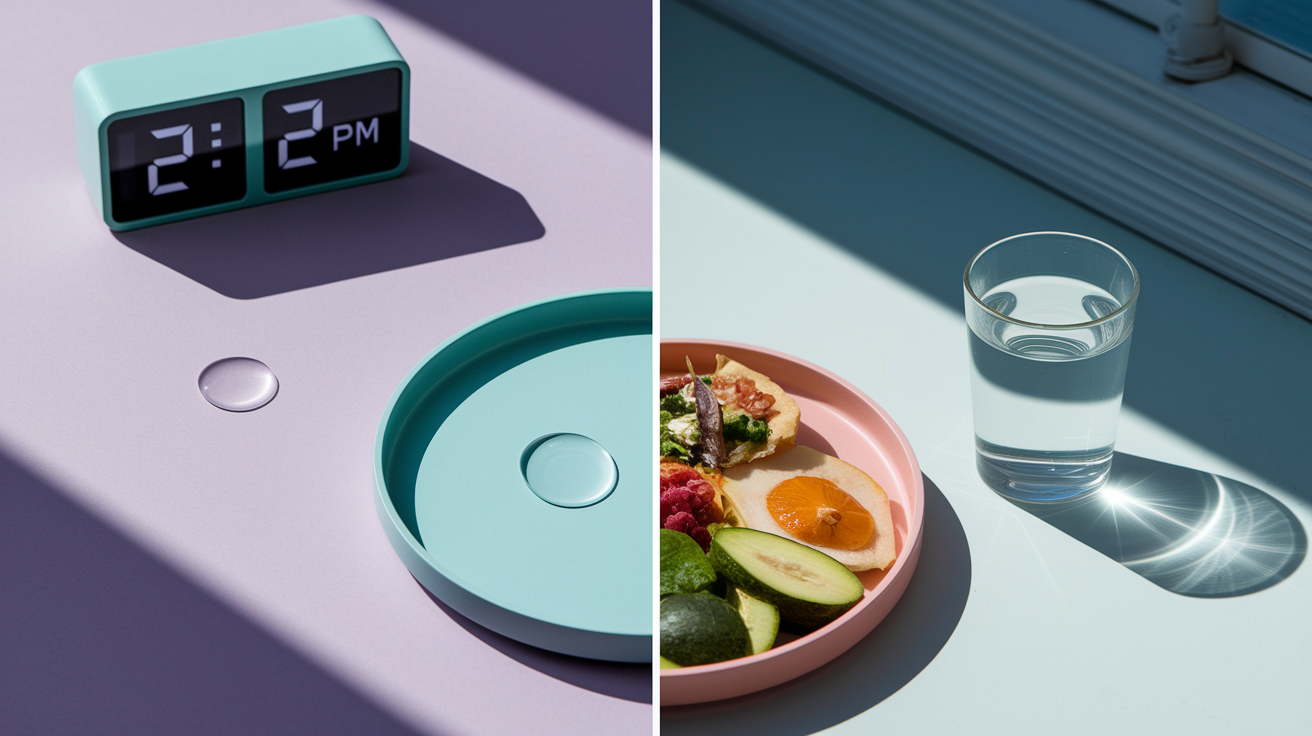
How and when you eat can matter as much as what you eat. Even safe foods can contribute to headaches if your meal timing, hydration, or caffeine routine is off.
Skipping meals for more than 8 to 12 hours can drop your blood sugar low enough to trigger a headache. Even if you haven’t touched a single trigger food. Dehydration makes blood vessels more sensitive and can amplify the effect of histamine, caffeine, or tyramine. If you’re slightly dehydrated and then eat aged cheese, the combination hits harder than either factor alone.
Sudden caffeine changes, whether you drink three extra cups or quit cold turkey, disrupt the balance your blood vessels have adapted to. Caffeine withdrawal headaches typically start 12 to 24 hours after your last dose, peak within a day or two, and can last up to nine days if you don’t taper gradually.
Watch for these patterns that make triggers worse:
Fasting or skipping breakfast, lunch, or dinner
Drinking less than six to eight cups of water daily
Abrupt increases or decreases in caffeine intake
How to Identify Your Personal Headache Food Triggers

The only way to know for sure which foods trigger your headaches is to track them systematically. Generic trigger lists give you a starting point. But your body may react differently than the averages suggest.
Keeping a Food and Headache Diary
Write down every meal, snack, and drink for at least 8 to 12 weeks, along with the date and time. Note when a headache starts, how severe it is, and any other factors like stress, sleep quality, weather changes, or skipped meals. Look for patterns. If headaches consistently follow aged cheese by 6 to 24 hours, that’s a strong signal. If they happen randomly, keep tracking.
Using an Elimination Diet
Remove one or two suspected trigger foods completely for 2 to 8 weeks. If headaches drop in frequency or severity, reintroduce the food and watch closely for 48 to 72 hours. If the headache returns, you’ve found a real trigger. If nothing changes, that food’s probably not your problem. Only test one new food at a time so you know exactly which one caused the reaction.
What to record daily:
Every food and drink, with portion sizes and preparation method
Time of each meal or snack
Headache onset time, duration, and intensity (rate 1 to 10)
Other possible triggers that day like poor sleep, high stress, or bright lights
Medications or supplements taken, including timing
Smart Substitutions and Safer Food Alternatives for Headache-Prone Individuals
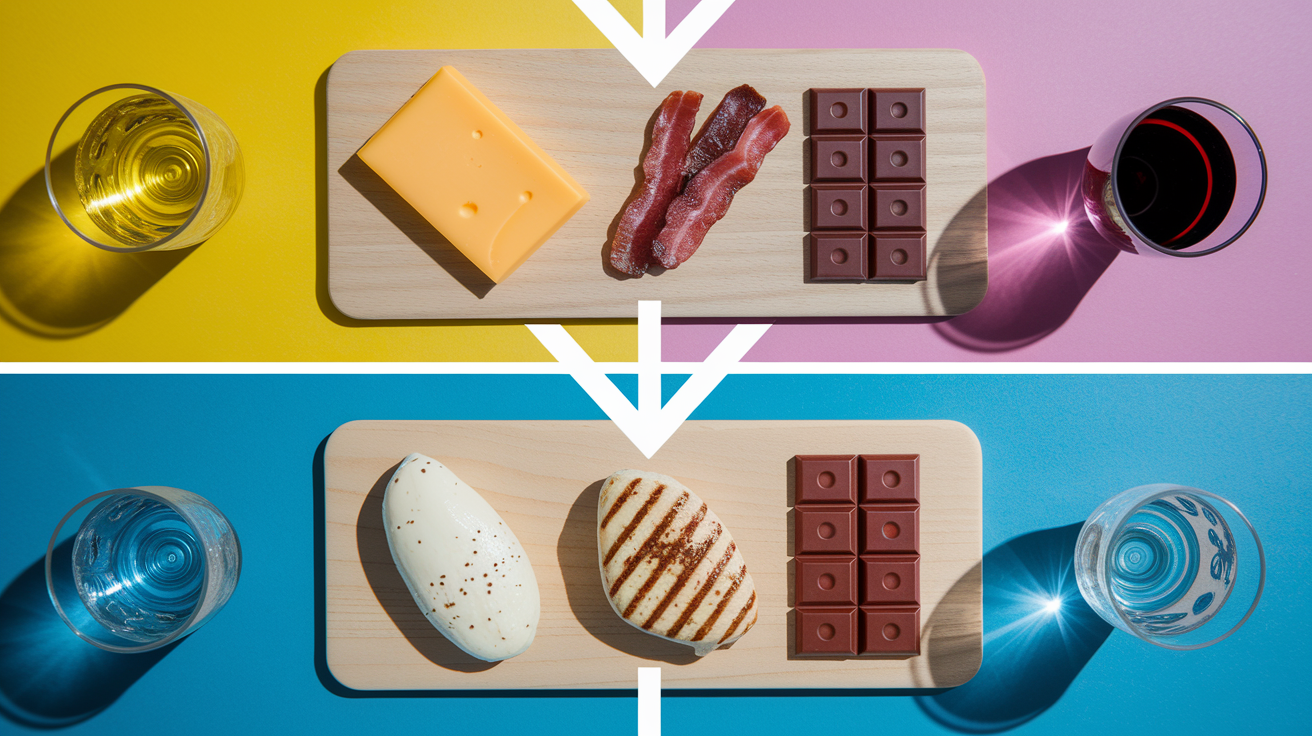
You don’t have to give up flavor or satisfaction to lower your headache risk. Simple swaps can reduce exposure to tyramine, histamine, nitrates, and other compounds without making meals feel restrictive.
Replace aged cheeses with fresh options like mozzarella, ricotta, cream cheese, or cottage cheese. Swap cured meats for fresh-cooked chicken breast, grilled fish, or plain roasted turkey. Choose decaffeinated coffee or herbal teas if caffeine’s a problem, and taper gradually if you’re used to several cups a day.
Instead of chocolate, try carob chips, fresh berries, or a handful of almonds if nuts don’t trigger you. Use fresh herbs, lemon juice, vinegar, or mushrooms for umami flavor instead of MSG-heavy bouillon or soy sauce. Opt for fresh vegetables instead of pickles, sauerkraut, or kimchi. And drink water or non-alcoholic mocktails instead of wine or beer.
Here are six quick food swaps to try:
Aged cheddar → fresh mozzarella or ricotta
Bacon or salami → fresh grilled chicken or plain deli turkey labeled “no nitrates added”
Red wine → sparkling water with a splash of cranberry juice
Chocolate bar → carob bar or a bowl of fresh strawberries
Soy sauce → coconut aminos or a squeeze of lemon with herbs
Ice cream → room-temperature yogurt or a smoothie sipped slowly
When Headache Food Triggers Suggest a Need for Medical Evaluation

Most food-triggered headaches are annoying but manageable with tracking and diet changes. Sometimes, though, frequent or severe headaches point to something that needs professional attention.
If you’re getting headaches multiple times a week despite eliminating common triggers, or if they’re so intense they interfere with work, school, or daily life, talk to a doctor. Persistent headaches can overlap with conditions like celiac disease, non-celiac gluten sensitivity, or chronic migraine that may benefit from preventive medications, supplements like riboflavin or magnesium, or other treatments.
Headaches that come with vision changes, weakness, confusion, or a stiff neck need urgent evaluation to rule out serious causes.
Signs that you should see a clinician:
Headaches happening more than twice a week even after diet changes
Severe pain that doesn’t respond to over-the-counter medication
New or worsening headache patterns, especially after age 50 or with other neurological symptoms
Final Words
You now have a scannable list of foods often linked to headaches and simple reasons they trigger symptoms. Examples: tyramine in aged cheeses, nitrates in cured meats, histamine and sulfites in alcohol, MSG, caffeine, and artificial sweeteners.
Track meals and symptoms for 8 to 12 weeks, try swaps, and reintroduce foods slowly. See a clinician if headaches get much worse or keep you from daily activities.
Use this headache food triggers list as a starting point. Small changes can bring real relief and more confident eating.
FAQ
Q: What foods worsen headaches?
A: The foods that worsen headaches are often those high in tyramine, histamine, nitrates, MSG, caffeine swings, alcohol, artificial sweeteners, chocolate, and very cold foods; sensitivity varies, so track what affects you.
Q: What is the 5 4 3 2 1 rule for migraines?
A: The 5 4 3 2 1 rule for migraines is a grounding exercise: name 5 things you see, 4 you can touch, 3 you hear, 2 you smell, 1 you taste to calm nerves and reduce escalation.
Q: What foods help headaches go away?
A: The foods that help headaches go away include water, magnesium-rich greens and nuts, ginger, omega-3 fish, and a small amount of caffeine for some; try these while tracking your response.
Q: Why does tuna help migraines?
A: The reason tuna may help migraines is that it contains omega-3 fats and some magnesium, which can reduce inflammation and relax vessels, but canned or aged tuna can contain histamine and may trigger some people.