

Controversial but true: everyday things—alcohol, a late night, a strong perfume—often don’t cause cluster headaches by themselves; they pull the trigger only when your brain is already primed.
Cluster headaches follow the brain’s internal clock (the hypothalamus), and certain exposures act like accelerants during active cycles.
This post lays out the most reliable triggers from the research, explains why they matter, and shows what to track so you can spot patterns and reduce your risk when a cluster period starts.
Key Factors That Commonly Provoke Cluster Headaches

Cluster headaches arrive in predictable patterns. Often at the same hour each day, during the same months each year. But what actually flips the switch for any individual attack? Still not fully understood. Research has identified a core set of provocations that significantly raise the risk of an extra attack during an active cluster period. These triggers don’t usually bring on headaches during remission. They act like accelerants, pushing an already vulnerable system over the edge.
The strongest evidence points to exposures and behaviors that interact with the brain’s internal clock and vascular tone. Some triggers, like alcohol and sleep disruption, show up repeatedly in patient diaries and clinical studies. Others, like certain foods or smells, are more individual and anecdotal. Though no less real for the people they affect.
Here are the seven triggers with the clearest patterns in the research:
Alcohol. Especially beer, but all types can provoke attacks within about two hours.
Inconsistent sleep patterns. Too little, too much, shift work, or sudden schedule changes.
Temperature extremes and barometric pressure shifts. Sudden weather changes or drops in pressure.
Smoking. Active tobacco use and secondhand exposure both linked to more frequent, severe attacks.
Bright lights. Sunlight and harsh indoor lighting.
Strong smells. Perfumes, colognes, cleaning products, and certain fruits.
Certain foods. Processed meats with nitrates, aged cheeses, and MSG-containing items.
What sets off one person’s cluster cycle may do nothing for another. The variability is frustrating, but it underscores why personalized tracking matters. A structured headache diary that captures timing, exposures, and attack details is the most reliable way to connect the dots and build a safer routine during active periods.
Biological and Circadian Links Behind Cluster Headache Triggers
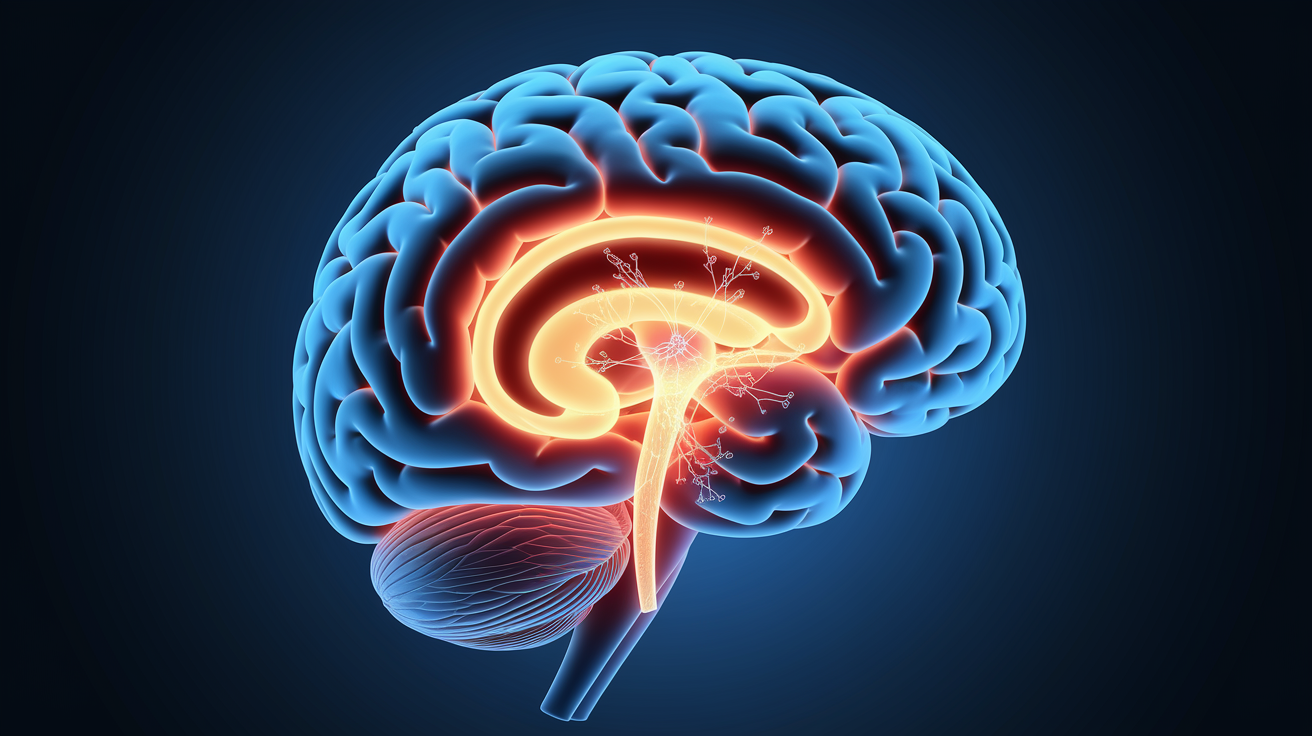
Cluster headaches follow an internal clock that researchers have traced to the hypothalamus, a walnut sized region deep in the brain that governs sleep, hunger, temperature, and hormone release. Embedded inside the hypothalamus is the suprachiasmatic nucleus (SCN), a bundle of about 20,000 neurons that acts as the body’s master timekeeper. The SCN responds directly to light input from the eyes and uses that signal to coordinate circadian rhythms across every organ system. When the SCN is functioning normally, you feel alert in daylight and sleepy after dark. But in people with cluster headaches, the hypothalamus appears to misfire. The SCN’s timing signals can become unstable.
More than 80 percent of people with cluster headaches report attacks at the same time each day, often during transitions out of REM sleep. A 2002 study documented abnormalities in melatonin secretion and cortisol levels in cluster patients, suggesting that the hormones governing sleep and wakefulness are out of sync. Melatonin normally rises in the evening to promote sleep, and cortisol peaks in the morning to help you wake. When these rhythms drift or collapse, the trigeminal nerve (the pain pathway behind cluster headaches) becomes more excitable. The brain’s pain regulating systems lose their steady footing.
Circadian disruption from daylight saving time, overnight shift work, or crossing multiple time zones can reset the SCN abruptly. That reset alters sleep depth, body temperature, eating patterns, and hormone pulses. For someone already vulnerable to cluster headaches, these shifts don’t just make you tired. They open a window for an attack that might not have occurred on a stable schedule. The triggers themselves (alcohol, heat, strong smells) become more potent when your internal clock is already wobbling.
Alcohol and Smoking as High-Impact Cluster Headache Triggers
Alcohol is the most consistently documented cluster headache trigger in the medical literature. It doesn’t matter whether you drink beer, wine, or liquor. All types can provoke an extra attack during an active cluster period, though beer shows up most often in patient reports. The onset is usually fast, within about two hours of drinking. That narrow time window makes the connection clear and repeatable. Alcohol acts as a vasodilator, widening blood vessels and altering the release of serotonin and calcitonin gene related peptide (CGRP), two signaling molecules implicated in cluster headache pathways. During remission, most people can drink without triggering a headache. During a cluster period, even a small amount can tip the balance.
Smoking carries a similar but slower pattern. A 2013 pilot survey linked active tobacco use to both increased attack frequency and more severe disease overall. The toxins in cigarettes (nicotine, cadmium, and carbon monoxide) affect the brain’s vascular tone and may promote inflammation around the trigeminal nerve. Secondhand smoke exposure has also been flagged as a risk, though the data are less robust. Quitting smoking may not stop cluster headaches entirely, but many clinicians see a reduction in severity and frequency over time in patients who stop.
Both alcohol and smoking share a common thread. They alter vascular tone and disrupt neurochemical balance during a time when the hypothalamus is already struggling to regulate pain signals. You can’t undo years of exposure overnight, but you can reduce harm during the weeks or months when attacks are clustering.
Practical steps to lower risk during active periods:
Stop all alcohol intake completely, or reduce to the smallest possible amount and track timing closely.
If you smoke, work with a clinician on a quit plan that includes behavioral support and pharmacologic aids like nicotine replacement or varenicline.
Avoid environments with heavy secondhand smoke, including bars, casinos, and outdoor smoking areas.
If quitting feels impossible right now, at least avoid smoking or drinking within three hours of your typical daily attack time.
Track every drink and every cigarette in your headache diary so you can see whether eliminating one or both creates a measurable drop in attack frequency.
Sleep Pattern Disruptions and Their Role as Cluster Triggers
Irregular sleep is one of the most underestimated cluster headache triggers, in part because people don’t always think of sleep as an exposure they can control. But the timing, duration, and quality of sleep directly influence melatonin release, cortisol rhythm, and the stability of the suprachiasmatic nucleus. Shift work, late nights followed by early mornings, napping at inconsistent times, and travel across time zones all destabilize the internal clock. For someone with cluster headaches, that instability raises the odds of an attack outside the usual daily pattern. Or it can trigger the start of a new cluster period altogether.
Nocturnal attacks are common. Many people wake with severe pain during the second half of the night, when REM sleep cycles are longest and transitions between sleep stages are most frequent. The hypothalamus governs these transitions, and any disruption (whether from an alarm, a late meal, or a shift in your sleep wake schedule) can provoke the trigeminal nerve. Daylight saving time is a classic example. Moving the clock forward or back by just one hour can trigger a cluster period in people who were previously in remission. The same effect occurs when you take a nap at a time your body isn’t expecting sleep, or when you sleep in on weekends and disrupt your weekday rhythm.
Stabilizing sleep is one of the most effective non drug interventions for reducing cluster headache frequency. The goal is predictability, not perfection. Your brain needs to know when sleep is coming and when it will end.
Go to bed within the same 30 minute window every night, even on weekends or during vacation.
Wake at the same time every morning, using an alarm if necessary, to anchor your circadian rhythm.
Avoid naps unless you can take them at the same time every day (and keep them under 30 minutes).
If you work shifts or travel frequently, discuss melatonin supplementation with your clinician. Low dose melatonin taken at a consistent evening time can help reset the clock and may reduce nocturnal attacks.
Environmental Triggers: Weather, Light, Smells, and Temperature
Environmental triggers are harder to control than alcohol or sleep, but they show up often enough in headache diaries that they deserve careful attention. Sudden shifts in barometric pressure (the kind that accompany a cold front moving through or a storm system arriving) are linked to the onset of cluster periods in population studies. A 2014 analysis found that drops in atmospheric pressure correlated with the start of new cycles, though the mechanism isn’t fully understood. Barometric changes may alter oxygen delivery to the brain or affect sinus pressure in ways that sensitize the trigeminal nerve.
Bright light is another well documented trigger. Sunlight, especially during midday, and harsh fluorescent or LED lighting indoors can provoke attacks in people who are already in an active period. The suprachiasmatic nucleus receives direct input from light sensitive cells in the retina, so sudden exposure to intense light can disrupt circadian signaling and make the hypothalamus more reactive. Strong odors work through a different pathway. The olfactory nerve connects to brain regions that regulate pain and autonomic responses, and concentrated smells (perfumes, colognes, industrial cleaners, fresh paint, or even certain fruits like bananas) can trigger attacks in susceptible individuals. Not everyone reacts to the same scents. The threshold varies.
Temperature extremes round out this category. Hot weather, hot baths, saunas, and prolonged exposure to heat have all been reported as triggers. Heat may act by raising core body temperature and altering vascular tone, though the exact pathway overlaps with physical exertion and isn’t yet fully mapped.
| Trigger Type | Example Exposure | Evidence Level | Suggested Precaution |
|---|---|---|---|
| Barometric pressure drop | Incoming storm, cold front | Population study (2014) | Monitor weather forecasts; have rescue medication ready |
| Bright sunlight | Midday outdoor light | Commonly reported, anecdotal | Wear polarized sunglasses; seek shade during peak hours |
| Harsh indoor lighting | Fluorescent office lights, LEDs | Commonly reported, anecdotal | Use diffused lamps; reduce overhead brightness |
| Strong perfumes or colognes | Scented environments, personal care products | Anecdotal, individual variation | Avoid heavily scented spaces; ask household members to use fragrance free products |
| Cleaning chemicals | Bleach, ammonia, commercial cleaners | Anecdotal, individual variation | Ventilate rooms; use unscented or natural cleaners |
| Heat exposure | Hot baths, saunas, prolonged sun | Commonly reported, anecdotal | Limit bath temperature; take breaks in cool environments |
Dietary Triggers: Foods and Chemicals That May Provoke Attacks
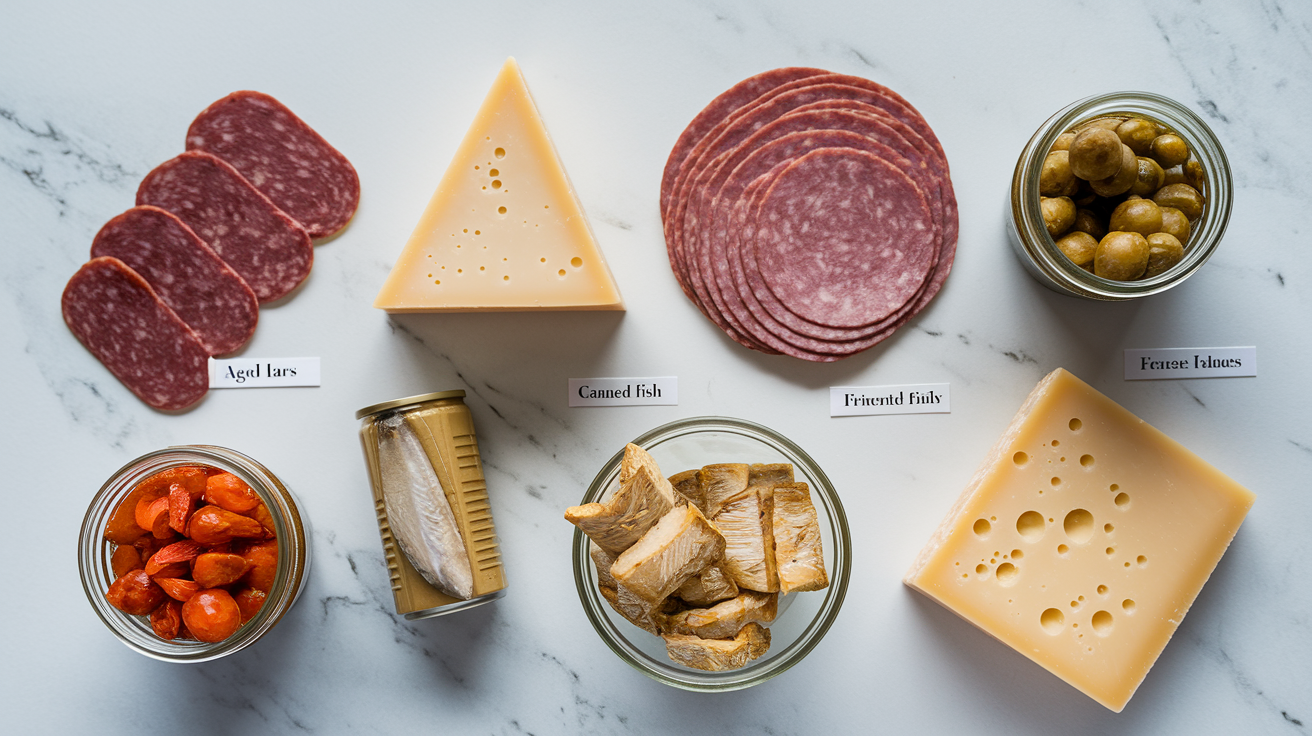
Food triggers are more variable than alcohol or sleep disruptions, but enough people report specific culprits that dietary tracking is worth the effort. The most commonly implicated items are processed meats (bacon, hot dogs, deli meats) that contain nitrates or nitrites. These preservatives can act as vasodilators, similar to the way alcohol widens blood vessels and shifts neurochemical balance. Aged cheeses are another frequent offender, likely because they contain high levels of tyramine, a compound that can influence serotonin release and vascular tone. Monosodium glutamate (MSG), a flavor enhancer in many restaurant dishes and packaged foods, has also been reported as a trigger. Though the evidence is more anecdotal than experimental.
Histamine rich foods, including fermented items, canned fish, and certain fruits, may provoke attacks in people whose bodies struggle to break down histamine efficiently. The connection between histamine and cluster headaches isn’t as well established as the link to migraines, but it shows up often enough in patient diaries to warrant attention. The challenge with dietary triggers is that they don’t affect everyone equally. One person may eat aged cheddar without issue, while another gets an attack within hours. The only way to know is to test and track.
Common food triggers reported by cluster headache patients:
Processed meats with added nitrates or nitrites (bacon, salami, hot dogs, deli turkey).
Aged or fermented cheeses (cheddar, blue cheese, parmesan).
Foods with added MSG (restaurant dishes, flavored chips, canned soups, instant noodles).
Fermented or pickled items (sauerkraut, kimchi, pickles).
Canned or smoked fish (tuna, mackerel, sardines).
High Altitude, Air Travel, and Physical Exertion as Episodic Triggers
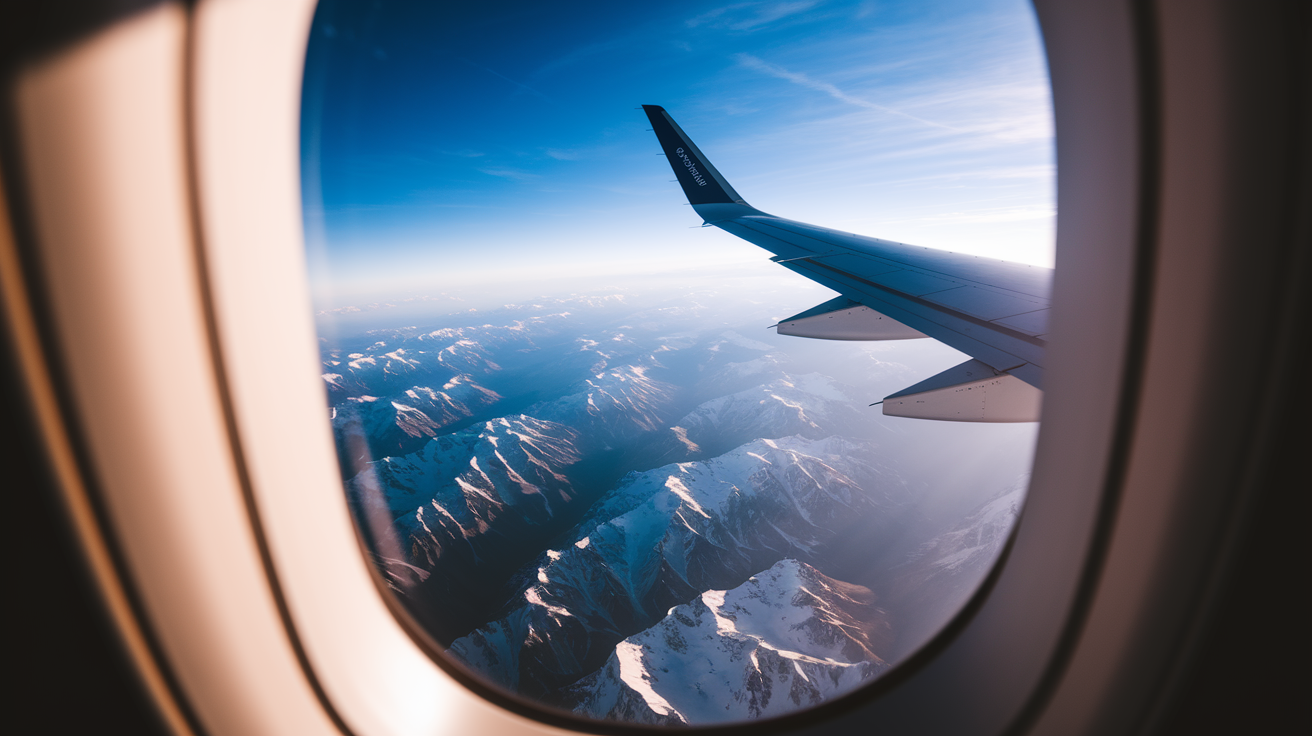
High altitude and air travel create rapid changes in atmospheric pressure and oxygen availability. For people in an active cluster period, that shift can provoke an extra attack or worsen the frequency of daily episodes. Flights expose you to cabin pressure equivalent to about 6,000 to 8,000 feet, even when cruising at 35,000 feet. That’s enough to alter oxygen saturation and trigger vascular changes in the brain. Driving or hiking to high elevations has the same effect, though the ascent is usually slower and the body has more time to adapt. Still, many cluster headache patients report attacks during mountain trips or within hours of landing after a flight.
Physical exertion, especially intense or prolonged exercise, can also act as a trigger. The mechanism likely involves increased core body temperature, elevated heart rate, and shifts in blood flow. Overheating during a workout or outdoor activity overlaps with heat as an environmental trigger, and the two often work together. Exercise isn’t universally harmful. Many people with cluster headaches maintain active routines without issue during remission. But during an active period, pushing too hard or heating up too fast can tip the balance.
If you know you’re entering a cluster cycle and need to fly or exercise, a few precautions can help:
Discuss preventive strategies with your clinician before unavoidable flights, including whether to carry high flow oxygen or a triptan injection for in flight use.
Stay well hydrated during air travel. Dehydration can worsen vascular reactivity and increase headache risk.
Moderate exercise intensity during active periods. Opt for lower impact activities and take breaks to cool down if you feel overheated.
Tracking Personal Cluster Headache Triggers With a Detailed Diary
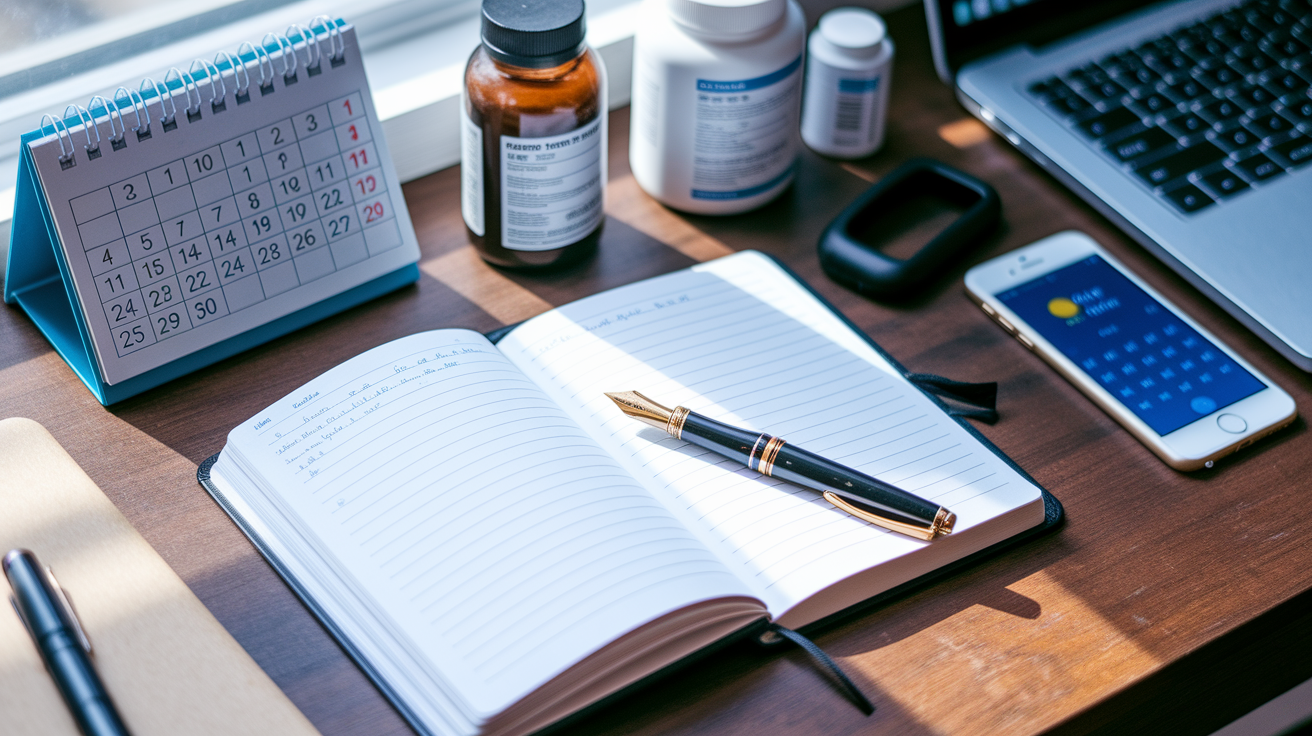
A headache diary is the single most valuable tool for identifying personal triggers and distinguishing real patterns from coincidence. The goal is to capture enough detail across at least one full cluster period so you and your clinician can see which exposures consistently precede attacks. Start by recording the basics (date, time the attack began, how long it lasted, and pain severity on a 0 to 10 scale), but don’t stop there. The real insight comes from logging everything that happened in the hours before the headache started.
Track the number of attacks per day, because an increase in frequency can signal that a trigger is active even if the pain level stays the same. Write down all medications you took, including over the counter drugs, supplements, and any prescribed preventive or acute treatments. Note the outcome. Did the medication help, and if so, how quickly? For environmental and situational factors, record bright light exposures (time outdoors, type of indoor lighting), strong smells you encountered, and any sudden weather changes or drops in temperature. Log your sleep. What time you went to bed, what time you woke, total hours, and whether you took a nap. If you drank alcohol, write down the type and quantity in standard drinks, and note the time you finished drinking. If you smoked or were around secondhand smoke, log that too.
What to log in your cluster headache diary:
Date and time each attack began.
Duration of pain (minutes to hours).
Pain severity (0 to 10 scale).
Number of attacks that day.
All medications taken, with doses and timing.
Alcohol. Type, quantity in standard drinks, time consumed.
Sleep. Bedtime, wake time, total hours, naps.
Foods eaten, especially processed meats, aged cheeses, MSG containing items.
Environmental exposures. Bright lights, strong smells, weather changes, heat.
Travel, altitude changes, flights, or physical exertion.
Clinicians use diary data to identify patterns you might miss on your own. A trigger that seems random when viewed day by day often reveals a clear rhythm when plotted across weeks. Your doctor can also spot interactions. Alcohol plus irregular sleep, for example, may provoke attacks more reliably than either one alone. That kind of layered insight shapes prevention strategies and helps prioritize which triggers to address first.
Avoidance Strategies and Lifestyle Modifications for Trigger Management
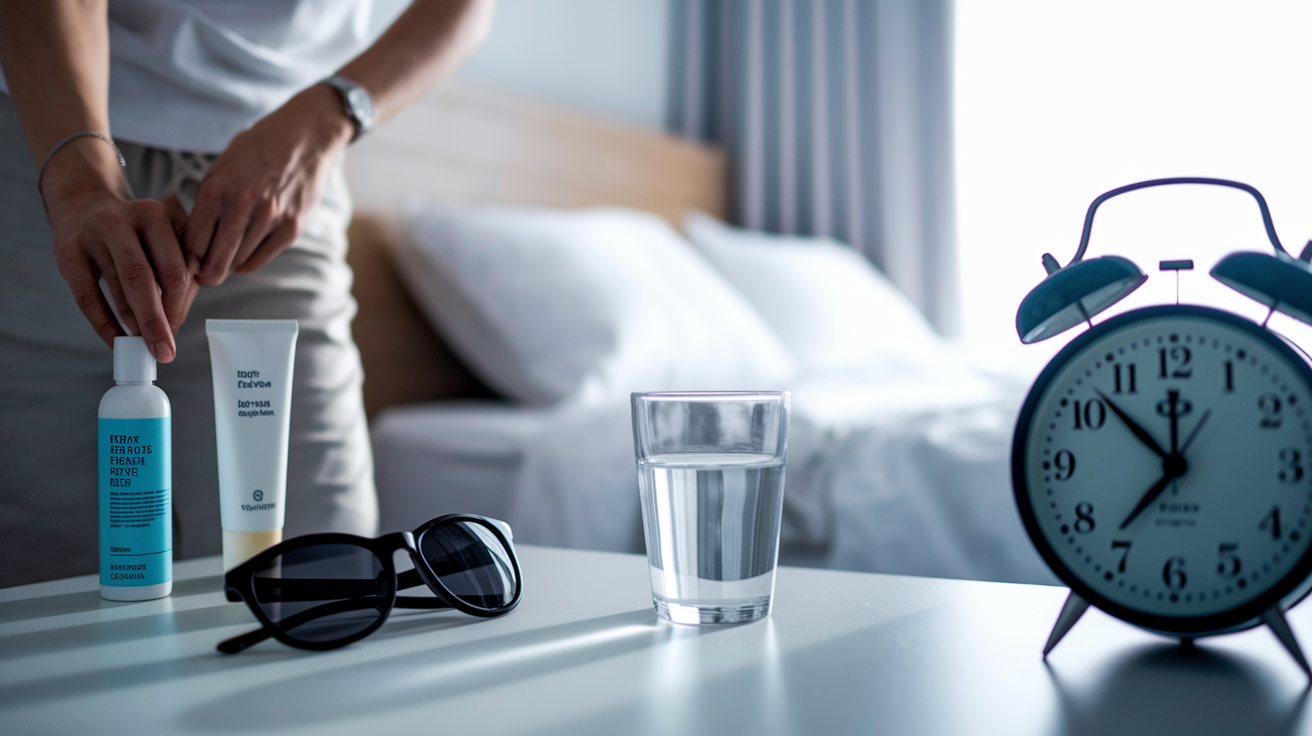
Once you’ve identified your most reliable triggers, the next step is building a routine that minimizes exposure during active cluster periods without turning your life upside down. The most effective approach is selective avoidance. Stop or sharply reduce the high impact triggers (alcohol, irregular sleep, smoking) and manage the rest with practical precautions. During an active cycle, many people stop drinking entirely. That’s not forever, just for the weeks or months when attacks are clustering. The same logic applies to sleep. You don’t need to become rigid about bedtime year round, but during a cluster period, going to sleep within the same 30 minute window every night can cut attack frequency measurably.
For environmental triggers like weather and barometric pressure, you can’t control the forecast, but you can prepare. Monitor weather apps for incoming fronts or storms, and have your rescue medications (high flow oxygen, sumatriptan injections) ready and accessible. If bright light is a consistent trigger for you, wear polarized sunglasses outdoors and switch to diffused, warm toned lighting indoors. Avoid overhead fluorescents when possible, and dim screens in the evening to reduce circadian disruption. Strong smells are harder to dodge in public spaces, but at home you can eliminate scented candles, air fresheners, and heavily perfumed cleaning products. Ask people you live with to switch to fragrance free soap and laundry detergent during your cluster period.
Heat management requires similar planning. Limit hot baths, keep showers lukewarm, and take cooling breaks during outdoor activities or workouts. If you know a seasonal cluster period is coming (spring or fall for most people), some clinicians recommend starting preventive medications a few weeks before the expected onset. Commonly prescribed options include verapamil, topiramate, and divalproex sodium. Low dose melatonin taken at a consistent evening time can also help stabilize sleep and reduce nocturnal attacks, supported by findings of abnormal melatonin secretion in cluster headache patients. The combination of behavioral changes, selective avoidance, and timely medication gives you the best odds of shortening a cluster period and reducing the number of attacks you endure.
Final Words
You saw the main trigger categories—alcohol, irregular sleep, smoking and secondhand smoke, weather and barometric shifts, bright light and strong smells, plus some foods—and how circadian rhythm and activity can make attacks more likely. The guide also explained high-impact triggers like alcohol and smoking and situational ones like travel or exercise.
We walked through practical steps: simple avoidance ideas, a sleep routine, and a detailed headache diary to track timing and patterns.
Testing what matters for you is the point. With focused tracking and small lifestyle changes, you can often reduce cluster headache triggers and feel more in control.
FAQ
Q: How to get rid of cluster headaches fast?
A: Getting rid of cluster headaches fast often means using high-flow oxygen (about 15 L/min via nonrebreather for 15 minutes) or fast-acting triptans (subcutaneous sumatriptan); seek urgent care if it’s your first severe attack.
Q: What to do to avoid cluster headaches?
A: To avoid cluster headaches, avoid alcohol and smoking during active periods, keep a strict sleep schedule, limit bright light and strong smells, and track triggers to discuss prevention with your clinician.
Q: What can trigger cluster headaches?
A: Cluster headaches can be triggered by alcohol, sleep disruption, smoking, sudden weather or barometric changes, bright lights, strong odors, and certain foods; triggers usually vary by person and by active periods.
Q: Which is worse cluster headaches or migraines?
A: Cluster headaches are often worse in pain intensity, with short, sharply severe one-sided attacks and restlessness, while migraines last longer and commonly cause nausea and light or sound sensitivity; individual experience varies.