
Can anxiety actually make you short of breath?
Yes, and the body’s stress response explains why.
When your brain senses danger it floods you with adrenaline.
Your breathing speeds up and becomes shallower (hyperventilation).
Chest and shoulder muscles tighten, so each breath feels harder even if your oxygen is fine.
That loop, fear making breath worse and breath making fear worse, creates real, scary sensations.
This post explains the physical connection, common triggers, quick relief steps, and clear signs to get checked by a clinician.
Did it start after a spike in stress or out of the blue?
How Anxiety Can Lead to Shortness of Breath
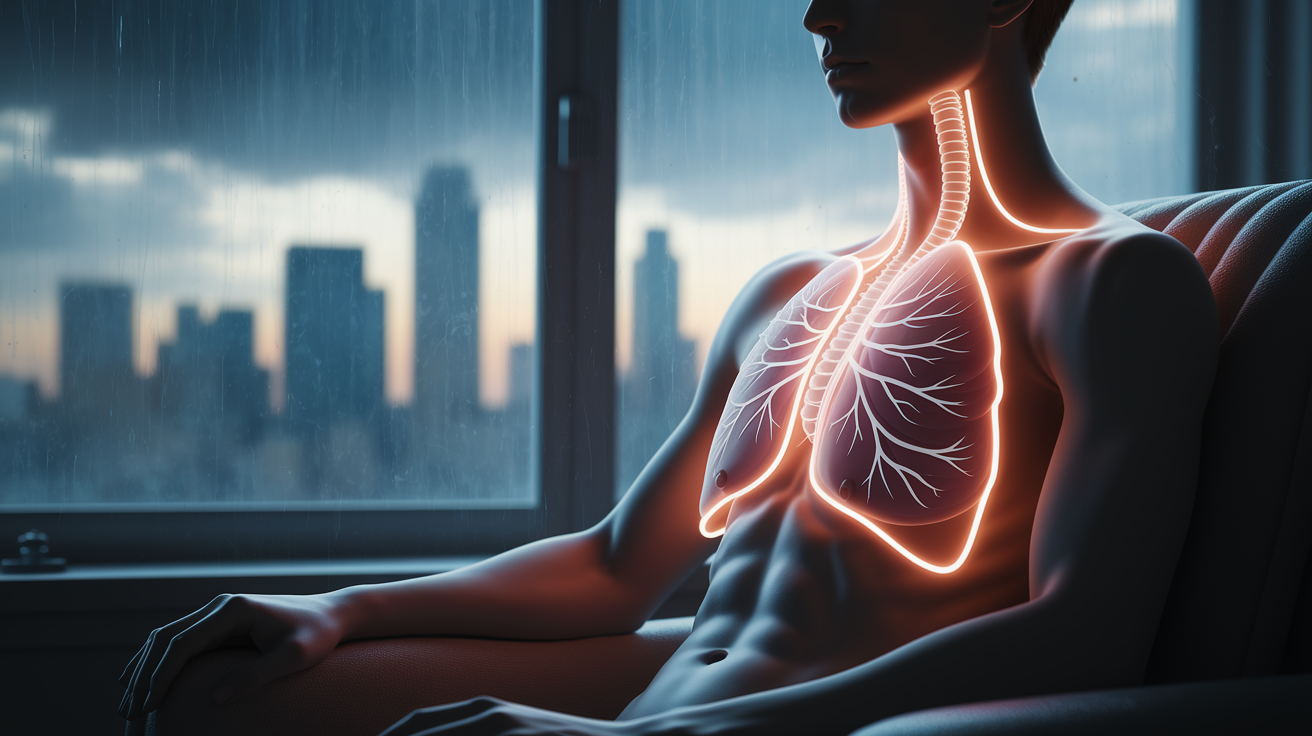
Yes, anxiety can directly cause shortness of breath. When your brain senses a threat, real or imagined, it kicks your fight-or-flight system into gear. That floods your body with adrenaline, which ramps up your heart rate, tightens your muscles, and speeds up your breathing. Your lungs aren’t damaged. Your airways aren’t blocked. But your body’s acting like it needs to run from danger, and that changes how you breathe.
The stress response triggers hyperventilation (faster, shallower breathing than normal), which can make you feel like you’re not getting enough air even though your oxygen levels are fine. At the same time, muscles around your chest and shoulders clench up. That tension makes each breath feel harder or incomplete. The combination creates a feeling that something’s wrong with your lungs or heart, which usually makes the anxiety worse.
These sensations feel scary. Your chest might feel tight. You might gasp or feel like you need to yawn over and over to catch your breath. But most of the time, anxiety-related shortness of breath isn’t dangerous. Understanding the connection between your nervous system and your breathing can help you recognize what’s actually happening and respond in ways that break the cycle instead of feeding it.
Common Triggers That Cause Anxiety-Related Breathing Issues

Certain situations and internal states are more likely to set off the breathing changes that come with anxiety. Recognizing your personal triggers can help you prepare, avoid escalation, or use calming strategies early.
Stressful events or confrontations like arguments, deadlines, or unexpected bad news can activate the fight-or-flight response within seconds. Crowded or enclosed spaces (subways, elevators, packed stores) can feel overwhelming and trigger shallow, rapid breathing. Health worries or physical sensations matter too. Noticing your heartbeat, feeling dizzy, or thinking about illness can spiral into panic and hyperventilation.
Caffeine or stimulants (coffee, energy drinks, certain medications) can mimic anxiety symptoms and make breathing feel off. Sleep deprivation lowers your stress threshold and makes it easier for small worries to become big reactions. Major life changes like moving, job loss, relationship shifts, or grief can create chronic background stress that erupts in physical symptoms.
Once you know what tends to set off your symptoms, you can start building strategies around those situations. That might mean limiting caffeine before a stressful meeting, practicing grounding techniques on your commute, or simply giving yourself permission to step outside when a room feels too full.
Symptoms That Often Accompany Anxiety-Related Shortness of Breath

Anxiety rarely shows up as just one isolated symptom. When shortness of breath is caused by anxiety, it usually arrives with a cluster of other physical and emotional sensations. That pattern can help you tell the difference between anxiety and a purely medical problem.
You might feel a rapid or pounding heartbeat (in your chest, throat, or ears). Sweating or chills can happen suddenly, along with clammy skin or hot flashes that don’t match the room temperature. Trembling or shaking affects your hands, legs, or your whole body. It might feel unsteady or jittery.
Dizziness or lightheadedness comes from hyperventilation altering carbon dioxide levels, making you feel faint or off-balance. Tingling or numbness (often in the fingers, hands, or around the mouth) happens because of changes in breathing rhythm. Nausea or an upset stomach can show up too since the stress response slows digestion and creates a queasy or fluttery feeling. There’s often a sense of dread or fear, a strong feeling that something terrible is about to happen even if there’s no clear danger.
When several of these symptoms happen together, especially if they started suddenly during or after a stressful moment, anxiety’s a likely explanation. Isolated shortness of breath without any other signs, or symptoms that worsen steadily over days, should be evaluated by a clinician to rule out lung, heart, or other medical causes.
Distinguishing Anxiety-Related Shortness of Breath From Medical Emergencies

Anxiety-related breathing trouble tends to come and go. It often peaks within a few minutes and improves with distraction, slower breathing, or a change of environment. If you can talk in full sentences, walk around, or notice that focusing on your breath makes it easier, anxiety’s more likely than a medical emergency. Medical breathing problems usually get worse with activity and don’t improve much when you try to calm down.
Red flags that need immediate medical attention include chest pain that feels like pressure or squeezing, fainting or near-fainting, shortness of breath that lasts more than 30 minutes without improvement, a bluish tint to your lips or fingernails, leg or ankle swelling, or severe nausea paired with breathlessness. If you feel confused, can’t speak in full sentences, or have a sense that your body’s shutting down, call 911. Don’t wait.
When you’re unsure, it’s okay to seek care. Uncertainty itself can make anxiety worse. A quick evaluation can rule out serious causes and give you clarity. If it turns out to be anxiety, you’ll know for next time. If it’s something else, you’ll get the treatment you need. Either way, checking is safer than guessing.
Quick Relief Techniques for Anxiety-Related Breathing Problems

When anxiety’s making it hard to breathe, slowing down your exhale and grounding your attention can interrupt the cycle. These techniques work best when practiced regularly, not just during a crisis.
Box breathing: Inhale slowly through your nose for 4 seconds. Hold for 4 seconds. Exhale through your mouth for 4 seconds. Hold empty for 4 seconds. Repeat 3 to 4 more times. This creates a steady rhythm that signals your nervous system to calm down.
Grounding with your senses: Name 5 things you can see, 4 things you can touch, 3 things you can hear, 2 things you can smell, and 1 thing you can taste. Anchoring to your surroundings pulls attention away from internal panic.
Progressive muscle relaxation: Starting at your toes, tense each muscle group for 5 to 10 seconds, then release for 15 to 20 seconds. Work your way up through your legs, stomach, chest, arms, and face. Releasing tension in your body helps release it in your breathing.
Counting backward: Count slowly backward from 100 by threes or sevens. The mild challenge occupies your mind and breaks the loop of fear feeding breathlessness.
Cold stimulus: Hold an ice cube, splash cold water on your face, or step outside into cooler air. The temperature change activates your vagus nerve and can quickly reduce heart rate and breathing speed.
The more you practice these steps when you’re calm, the easier they’ll be to use when panic hits. Your brain learns the pattern, and over time, you’ll need fewer repetitions to feel relief.
When to Seek Professional Help

If shortness of breath keeps coming back, lasts longer than 30 minutes, or happens without any clear trigger, see your primary care provider. Even if anxiety’s the cause, ruling out asthma, heart conditions, anemia, or thyroid problems is important. Persistent symptoms deserve a full workup, including a physical exam, a review of your medications, and possibly tests like an EKG, chest X-ray, or pulmonary function test. Once medical causes are ruled out, your provider can refer you to a cardiologist, pulmonologist, or mental health specialist depending on what the evaluation suggests.
Psychological support becomes necessary when anxiety interferes with daily life. If you avoid places, cancel plans, struggle to sleep, or spend hours each day worrying about your health or safety, a therapist trained in anxiety disorders can help. Cognitive behavioral therapy teaches you to recognize distorted thoughts and replace them with more balanced ones. Exposure techniques can help you slowly face feared situations in a controlled way. Medication, when appropriate, can lower the baseline level of anxiety and make other strategies more effective. You don’t have to wait until symptoms are unbearable to ask for help.
Long-Term Strategies to Reduce Anxiety and Improve Breathing
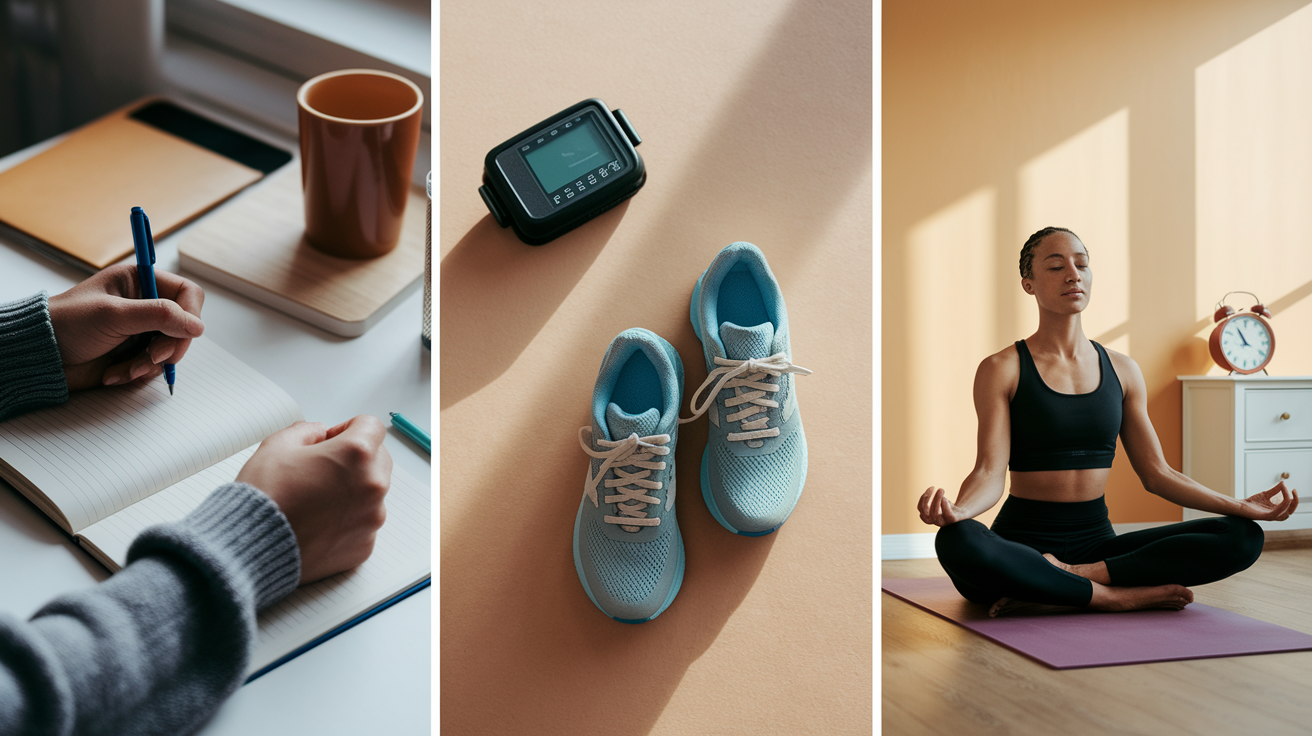
Building habits that support your nervous system can reduce how often anxiety triggers breathing trouble and how intense those episodes feel. Cognitive behavioral strategies, like challenging catastrophic thoughts and tracking patterns in a journal, help you see that breathlessness passes and that you have more control than it feels like in the moment. Regular therapy or self-guided workbooks can teach these skills in a structured way.
Lifestyle changes make a measurable difference. Aim for about 150 minutes of moderate exercise each week, roughly 30 minutes on five days. Physical activity burns off stress hormones, improves lung capacity, and helps regulate your nervous system. Prioritize consistent sleep by going to bed and waking up at the same time every day. If you can’t fall asleep within 20 minutes, get up and do something calming until you feel tired again. Limit caffeine, especially after noon, and reduce alcohol and heavily processed foods that can destabilize blood sugar and mood.
Environmental and social adjustments also help. Spend time with people who feel safe and supportive. Practice mindfulness or meditation for a few minutes each day, even when you’re not anxious. Set boundaries around work, social media, and obligations that drain you. Small, consistent changes in how you structure your days can lower your baseline stress and make it harder for anxiety to take hold in the first place.
Final Words
Anxiety commonly causes breathing trouble by activating the body’s stress response, causing faster breathing, chest muscle tightness, and sometimes hyperventilation.
You read about common triggers, symptoms that often come with shortness of breath, how to tell anxiety apart from a medical emergency, quick relief steps, and when to seek professional help. Track timing, triggers, and related signs to spot patterns and make better choices.
If you’re asking can anxiety cause shortness of breath, the answer is yes, and most episodes ease with simple techniques and ongoing care. If symptoms are new, severe, or not improving, get checked. Small steps and steady practice help you breathe easier.
FAQ
Q: How to deal with shortness of breath anxiety?
A: To deal with shortness of breath from anxiety, practice slow nasal breathing and paced exhalations, sit upright, loosen tight clothes, ground with five senses, and seek help if chest pain or fainting occurs.
Q: How long can shortness of breath last with anxiety?
A: Shortness of breath from anxiety can last minutes to hours during a panic episode and sometimes several days for lingering tightness; it usually eases with calming techniques, but check with a clinician if it persists or worsens.
Q: What are the symptoms of an anxiety flare-up?
A: An anxiety flare-up commonly causes rapid heartbeat, shortness of breath, dizziness, sweating, trembling, tingling, chest tightness, and a strong sense of dread or fear.
Q: Why do I feel like I cant take a full breath?
A: Feeling like you can’t take a full breath happens because anxiety can trigger rapid, shallow breathing and chest muscle tightness; hyperventilation (over-breathing) or tension creates this trapped-air sensation, usually not dangerous but check if severe.