

What if propping extra pillows is making your nighttime acid reflux worse?
Lying flat lets stomach acid creep up, and gravity is one of the easiest tools to use.
This post offers clear, practical steps: quick moves to stop a flare, sleep and bed fixes that use gravity, what to avoid at night, which over-the-counter meds help, and simple home remedies.
You’ll get things to try tonight and a short checklist to track what actually works for you.
Immediate Relief Strategies That Help Acid Reflux at Night
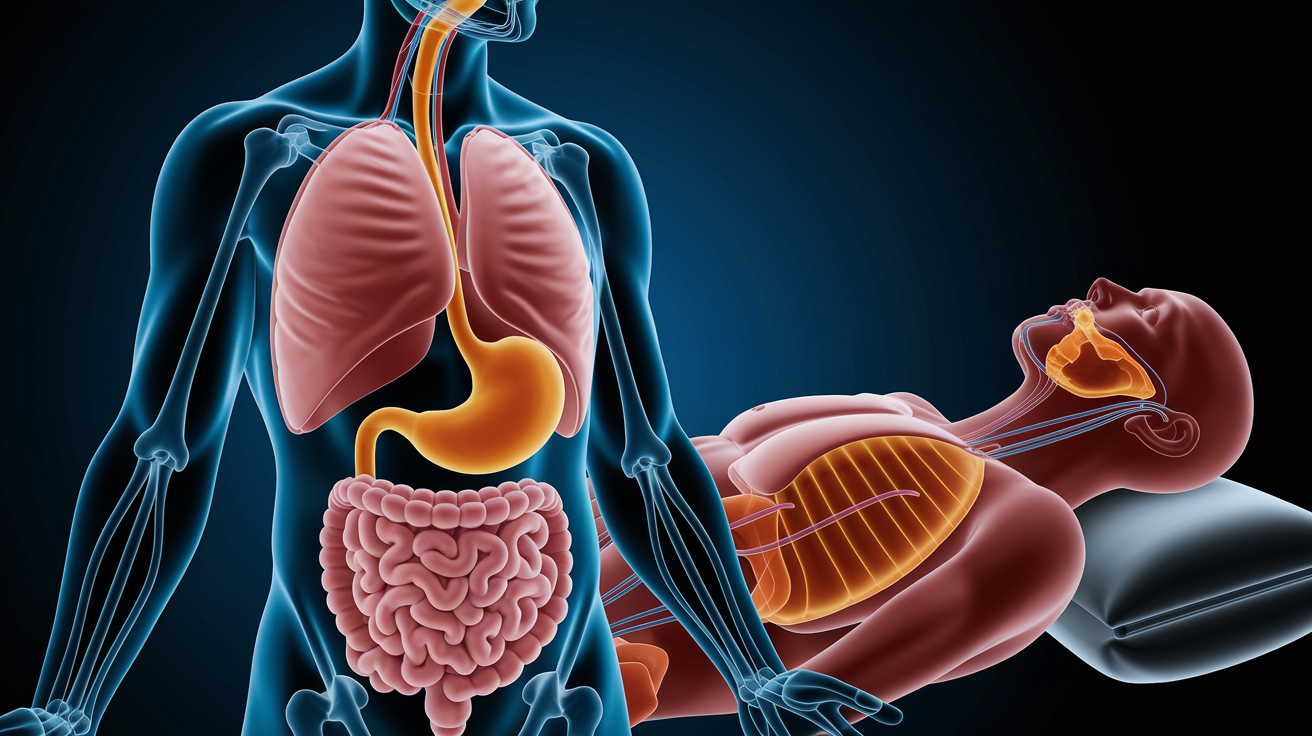
Nighttime acid reflux happens because lying flat removes gravity’s natural barrier. During the day, gravity keeps stomach acid where it belongs. At night, that horizontal position lets acid travel up into your esophagus more easily. And you swallow less often while asleep, so acid stays in contact with sensitive tissue longer.
The moment you wake with that burning chest pain or bitter taste, sit up right away. Stay upright for at least 30 minutes to let gravity pull acid back down. Sip 4 to 8 ounces of plain water slowly to help rinse acid from your esophagus and dilute what’s in your stomach. Walking around your room or house for a few minutes can also ease tightness and help your stomach begin to empty. Most people feel some relief within 10 to 20 minutes when they combine sitting up with gentle movement and hydration.
Here are the six most effective immediate actions to take during a nighttime episode:
- Sit upright immediately and remain upright for at least 30 minutes
- Sip 4 to 8 ounces of room temperature or slightly warm water
- Take an antacid tablet or liquid as labeled (typically 2 to 4 chewable tablets, each 500 to 1,000 mg calcium carbonate)
- Chew sugar free gum for 20 to 30 minutes to increase saliva flow, which naturally neutralizes acid
- Walk around slowly to encourage stomach emptying and reduce pressure
- Avoid lying back down until symptoms settle, and stay propped up if you must return to bed
Sleeping Positions and Bed Adjustments That Reduce Nighttime Acid Reflux

Gravity is your ally, even while you sleep. Raising the head of your bed by 6 to 8 inches creates a gentle slope that makes it harder for stomach acid to travel upward. This works far better than stacking regular pillows under your head. Pillows can bend your body at the waist and actually increase abdominal pressure. Use a foam wedge pillow designed for reflux, or place blocks under the legs at the head of your bed frame.
Studies show that sleeping on your left side reduces acid reflux episodes compared to sleeping on your right side or flat on your back. The stomach’s natural position in your abdomen means that left side sleeping keeps the junction between your stomach and esophagus higher than the pool of stomach acid. This makes backflow less likely.
| Method | Elevation/Angle | Notes |
|---|---|---|
| Wedge pillow | 30° to 45° incline, 6 to 8 inches at head | Cost $30 to $150; elevates upper body smoothly; portable |
| Bed risers under headboard legs | 6 to 8 inches at head of frame | Low cost, permanent fix; make sure bed is stable |
| Adjustable bed base | Variable incline up to 45° | Cost $500 to $2,000+; convenient but more expensive |
| Multiple regular pillows | Variable, often inconsistent | Not recommended; can bend at waist and worsen symptoms |
How to Position Your Body for Fewer Reflux Episodes
Once your bed is elevated, lie on your left side to take full advantage of your body’s anatomy. Imagine your stomach as a pouch that sits slightly to the left in your abdomen. When you lie on your left, the opening where your esophagus meets your stomach stays higher than the acid pool below. On your right side, that opening dips lower, making it easier for acid to spill upward. Keep a supportive pillow between your knees if that helps you stay comfortable on your side through the night.
Evening Eating Habits That Help Prevent Acid Reflux at Night
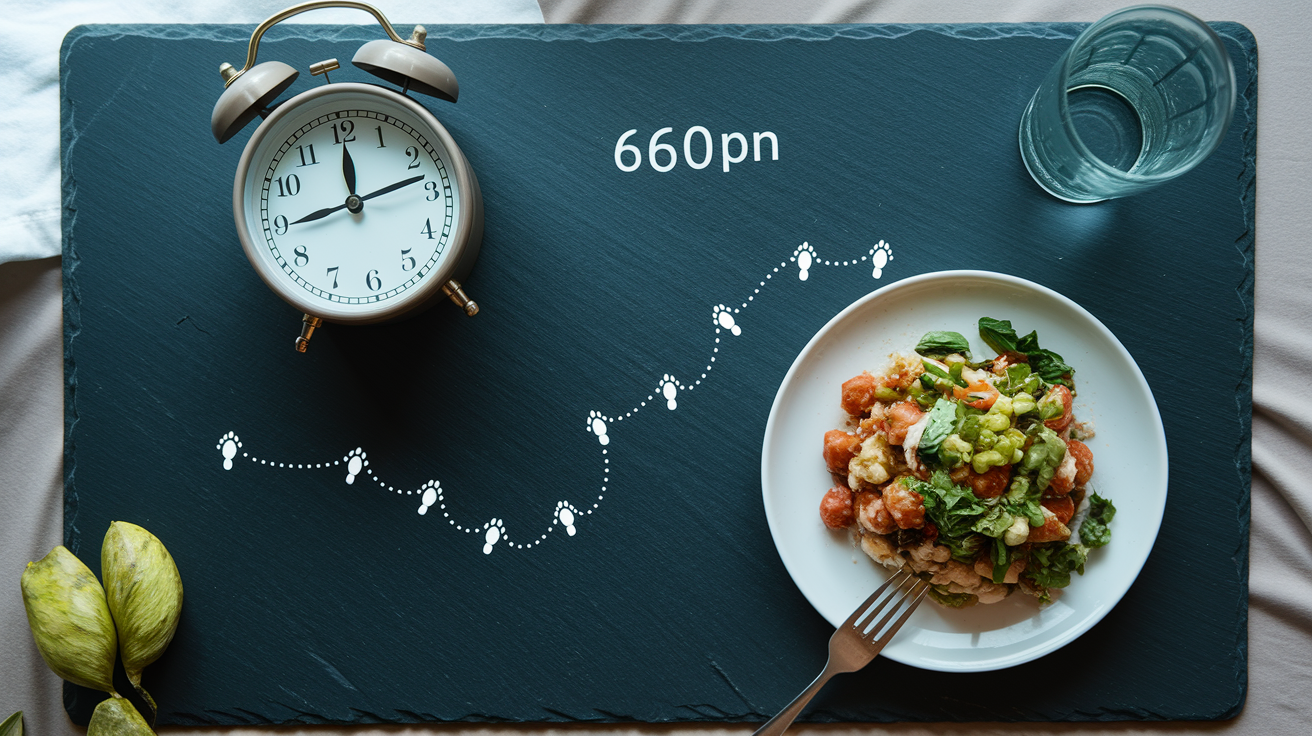
The timing of your last meal or snack matters as much as what you eat. Stop eating at least 2 to 3 hours before you lie down for the night. Ideally, aim for 3 full hours to give your stomach time to empty. A full or partly full stomach puts more pressure on the lower esophageal sphincter, the muscular ring that keeps acid from backing up.
After your evening meal, stay upright for at least 1 hour. Sit, stand, or take a gentle walk. Avoid heavy lifting, bending at the waist, or lying on the couch during this window. If you feel the urge to snack later in the evening, choose a very small portion of something bland and non-acidic, and keep it under 200 calories.
Here’s a simple evening timeline to follow:
- 6:00 pm to 7:00 pm: Finish your last full meal of the day
- 7:00 pm to 8:00 pm: Stay upright; take a short walk if possible
- 8:00 pm onward: Avoid all food; sip water only if needed
- 9:00 pm to 10:00 pm: Prepare for bed; elevate sleeping surface
- 10:30 pm or later: Lie down only after 3 hours have passed since eating
Foods and Drinks That Commonly Trigger Nighttime Acid Reflux

Certain foods and beverages relax the lower esophageal sphincter or irritate the lining of your esophagus, making reflux worse. Tomatoes and tomato based sauces are highly acidic and a common culprit in evening meals like pasta or pizza. Citrus fruits and juices, including orange juice and grapefruit, also increase acidity. Chocolate contains compounds that can relax the sphincter. Caffeine from coffee, tea, or soda does the same while also boosting stomach acid production.
Fried foods, fatty cuts of meat, and creamy sauces take longer to digest and keep your stomach full longer, raising the chance of reflux overnight. Alcohol relaxes the sphincter and can irritate your stomach lining. Peppermint, often used in teas or desserts, may feel soothing but can actually worsen reflux. Carbonated drinks create gas and pressure that push acid upward.
Avoid these items in the hours before bed:
- Tomato sauce, salsa, and ketchup
- Citrus fruits and juices (oranges, lemons, limes, grapefruit)
- Fried foods, deep fried snacks, and greasy meals
- Chocolate, including hot chocolate and chocolate desserts
- Coffee and caffeinated tea or soda
- Alcohol, including wine, beer, and spirits
- Onions and garlic, especially raw
- Peppermint tea or peppermint flavored treats
- Carbonated beverages and sparkling water
- Spicy foods with hot peppers or heavy seasoning
Over the Counter Options That Help Acid Reflux at Night
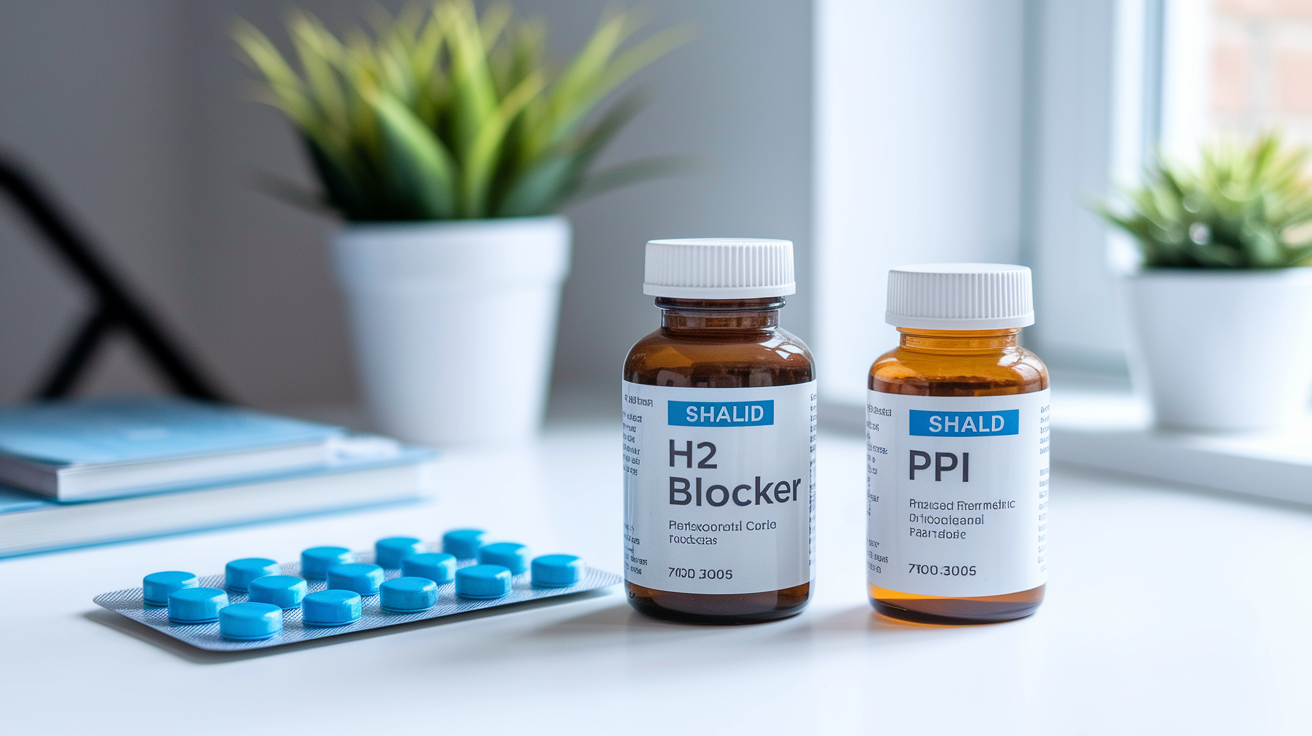
Antacids work within minutes to neutralize stomach acid that’s already present. You chew or swallow them, and they provide fast relief that lasts around 30 to 60 minutes. They’re best for occasional, mild symptoms but don’t prevent acid production or heal damage.
H2 blockers like famotidine reduce the amount of acid your stomach makes. A typical dose is 10 to 20 mg, taken about 30 to 60 minutes before bed if nighttime symptoms are your main concern. The effect kicks in within 30 to 60 minutes and can last several hours, giving you coverage through the night.
Proton pump inhibitors, or PPIs, are stronger acid reducers. Common examples include omeprazole and esomeprazole, usually taken at 20 mg once daily. PPIs work best when taken 30 to 60 minutes before your largest meal of the day, not right before bed. They take 2 to 4 days to reach full effectiveness, so they’re better for ongoing, frequent reflux rather than immediate nighttime relief.
If you’re using any of these medications more than twice a week for longer than 4 weeks, talk to a clinician. Long term or frequent use without medical supervision can mask serious problems or cause side effects.
| Medication Type | Onset | Duration | Typical Dose |
|---|---|---|---|
| Antacids (calcium carbonate) | Within minutes | 30 to 60 minutes | 2 to 4 chewable tablets (500 to 1,000 mg each) |
| H2 blockers (famotidine) | 30 to 60 minutes | Several hours | 10 to 20 mg, taken at bedtime or before evening meal |
| PPIs (omeprazole) | 2 to 4 days for full effect | 24 hours per dose | 20 mg once daily, 30 to 60 minutes before largest meal |
Home Remedies and Natural Supports for Nighttime Acid Reflux
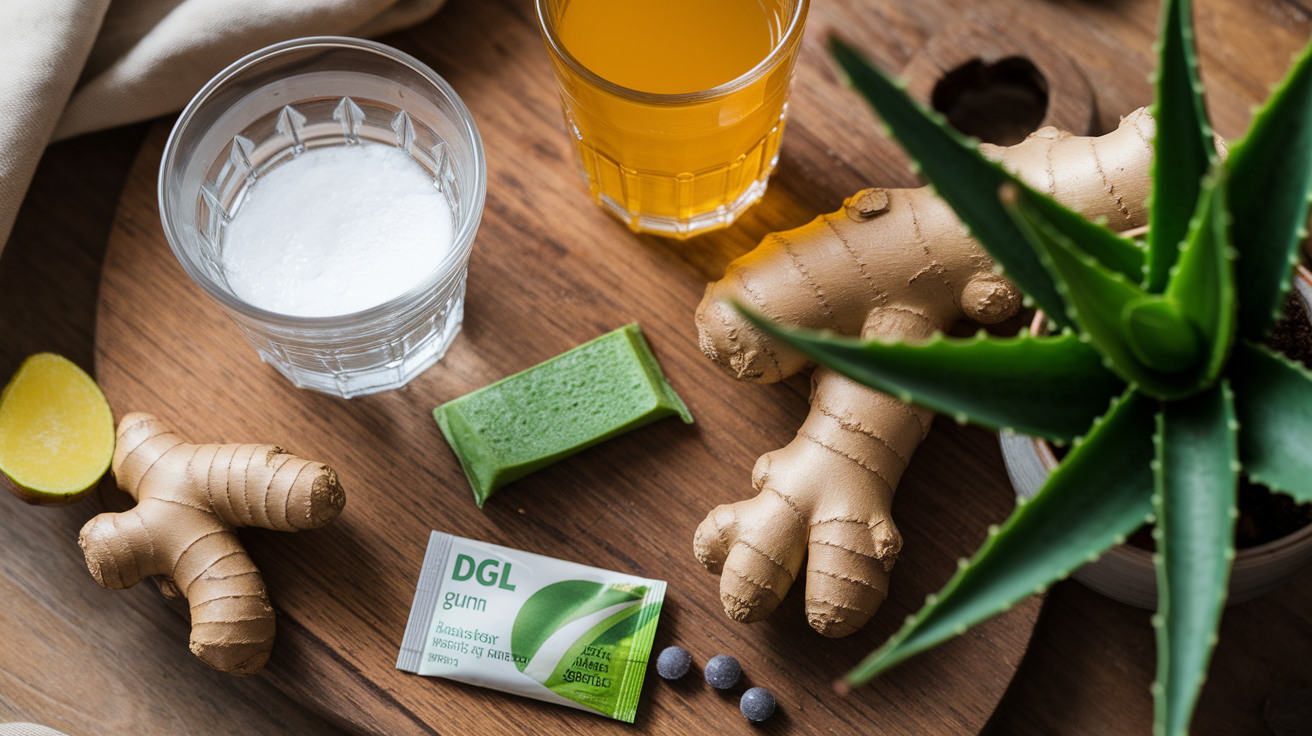
Baking soda, or sodium bicarbonate, is a quick home remedy that neutralizes acid. Mix 1/2 teaspoon in 4 ounces of water and drink it slowly. This can bring fast relief, but use it sparingly. Don’t rely on baking soda daily. Avoid it completely if you’re on a low sodium diet or have high blood pressure.
Chewing sugar free gum for 20 to 30 minutes after a meal or reflux episode stimulates saliva production. Saliva is naturally alkaline and helps wash acid back down and neutralize what’s left in your esophagus. Ginger, whether in tea or small amounts of fresh root, can calm your digestive system and reduce nausea that sometimes comes with reflux. Aloe vera juice, about 2 to 4 ounces, may soothe irritation, but make sure it’s specifically intended for internal use and free of laxative compounds.
Here are six natural options people use:
- Baking soda: 1/2 teaspoon in 4 ounces water, occasional use only
- Chewing gum: sugar free variety, chew for 20 to 30 minutes after eating
- Ginger tea or fresh ginger: small amounts to calm digestion
- Aloe vera juice: 2 to 4 ounces, make sure it’s decolorized and safe for internal use
- DGL licorice (deglycyrrhizinated): chewable tablets, 1 to 2 before meals; may support esophageal lining
- Slippery elm lozenges or tea: coats and soothes the throat and esophagus
Lifestyle Changes That Help Reduce Nighttime GERD Long Term

Losing even 5 to 10 percent of your body weight can reduce the frequency and severity of reflux symptoms. Extra weight around your abdomen increases pressure on your stomach, pushing acid upward. Set a realistic, measurable goal and work toward it gradually through balanced eating and regular movement.
Quit smoking if you currently use tobacco. Nicotine weakens the lower esophageal sphincter and makes reflux worse. Smoking also reduces saliva production, which means less natural acid neutralization. Avoid tight belts, waistbands, or shapewear at night, since anything that squeezes your midsection can force stomach contents upward.
Keep a food and symptom diary for at least two weeks. Write down what you eat, when you eat it, and any reflux symptoms that follow. Patterns will emerge, showing you which specific foods or habits trigger your symptoms. Once you know your triggers, you can eliminate or reduce them one at a time.
Core Habits That Reduce Nighttime Reflux
Start with smaller, more frequent meals instead of large dinners. Overfilling your stomach stretches it and puts more pressure on the sphincter. Eat slowly and chew thoroughly to give your digestive system a head start. Avoid lying down, bending over, or doing heavy physical work for at least 2 to 3 hours after any meal. Manage stress through simple practices like deep breathing, short walks, or quiet time before bed, because stress increases acid production and slows digestion.
Nighttime Routine That Helps Prevent Acid Reflux Symptoms
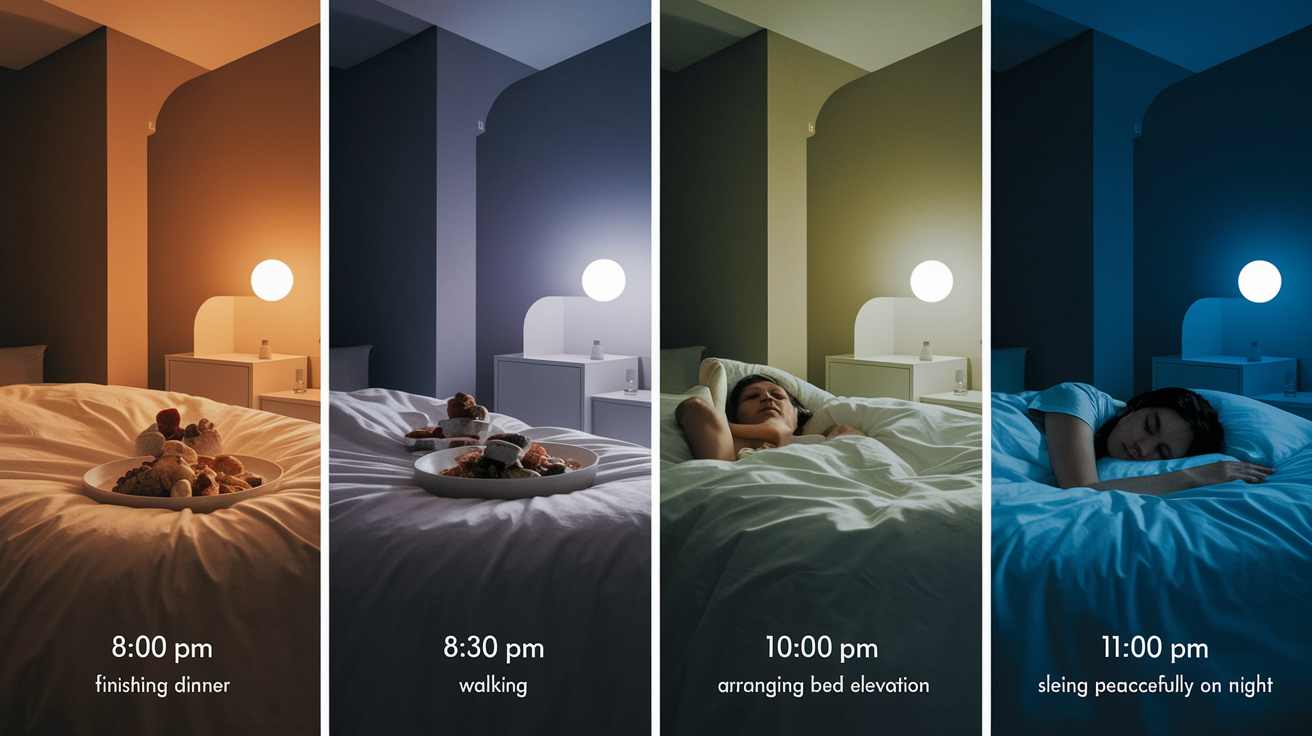
A consistent evening routine trains your body and reduces the chance of nighttime flare ups. Finish your last meal or snack at least 3 hours before your planned bedtime. If you usually go to bed at 11:00 pm, stop eating by 8:00 pm. After dinner, stay upright and take a 10 to 15 minute walk to help your stomach begin emptying.
About an hour before bed, prepare your sleeping space. Elevate the head of your bed by 6 to 8 inches or set up your wedge pillow. Place a glass of water on your nightstand in case you wake with mild symptoms. If your clinician has recommended an H2 blocker for nighttime use, take it 30 to 60 minutes before you lie down.
Here’s a sample step by step routine:
- Finish eating by 8:00 pm if bedtime is 11:00 pm (3 hour gap)
- Stay upright and take a short walk from 8:00 pm to 9:00 pm
- Avoid all food after 8:00 pm; sip water only if needed
- At 10:00 pm, elevate the head of your bed or position your wedge pillow
- Take any recommended H2 blocker around 10:00 pm to 10:30 pm
- Lie down on your left side and keep your upper body elevated throughout the night
When Acid Reflux at Night Requires Medical Evaluation

Occasional nighttime reflux that responds to simple measures usually isn’t a cause for alarm. But if you have symptoms every night for more than 2 weeks despite following timing, diet, and sleep position changes, it’s time to see a clinician. Frequent or severe reflux can damage your esophagus over time, leading to inflammation, strictures, or precancerous changes.
Some symptoms are red flags that need urgent attention. Chest pain that spreads to your arm, shoulder, or jaw could be a heart problem, not reflux, especially if it comes with shortness of breath, sweating, or nausea. Difficulty swallowing, pain when swallowing, or a feeling that food is stuck are warning signs of possible esophageal damage or narrowing. Vomiting blood or having black, tarry stools means bleeding somewhere in your digestive tract and requires immediate evaluation.
If you rely on over the counter antacids or acid reducers more than twice a week for several weeks, talk to a clinician. Persistent symptoms may need testing like an upper endoscopy to look at your esophagus and stomach lining, pH monitoring to measure acid exposure, or esophageal manometry to check how well your sphincter is working. Early evaluation prevents complications and helps you find the right long term treatment.
Watch for these warning signs and seek care right away:
- Chest pain that spreads to your arm, jaw, or shoulder, especially with shortness of breath or sweating
- Difficulty swallowing or pain when you swallow food or liquids
- Vomiting blood or material that looks like coffee grounds
- Black, tarry, or bloody stools
- Unintended weight loss over weeks or months
- Symptoms that happen nightly for more than 2 weeks and don’t improve with home measures
Final Words
If heartburn jolts you at night, act fast: sit up, sip a little water, walk gently, or take an antacid. This post walked through quick relief, bed elevation and left-side sleep, evening eating timing, common trigger foods, OTC options, home remedies, and long-term habits to lower night symptoms.
Keep a simple log of when it happens and what you ate. Get urgent care for red flags like vomiting blood or trouble breathing.
Ask your clinician “what helps with acid reflux at night” and use these steps to sleep more comfortably.
FAQ
Q: How do I calm my acid reflux at night and what soothes acid reflux immediately?
A: To calm nighttime reflux and get fast relief, sit upright for 30 minutes, sip 4–8 oz water, walk briefly, chew gum, or take an antacid (follow dosing). Relief often starts within minutes to an hour.
Q: Will drinking water help acid reflux?
A: Drinking water can help acid reflux by washing and diluting stomach acid; sip 4–8 oz during an episode for short-term relief, but it usually won’t replace antacids or other treatments.
Q: Does acid reflux go away at night?
A: Acid reflux doesn’t always go away at night; it often worsens when you lie flat because gravity no longer helps. If nightly symptoms persist more than two weeks, seek medical evaluation.