

Allergies aren’t just runny noses.
They can actually make it hard to breathe.
When allergens like pollen, mold, or pet dander reach your lower airways, the body can tighten airway muscles, swell the lining, and crank out mucus, which narrows the tubes air travels through.
That can feel like chest tightness, wheeze, or a sense of not getting enough air.
This post shows how that happens, common triggers, red flags, and what to track next.
How Allergies Lead to Shortness of Breath: The Clear Connection
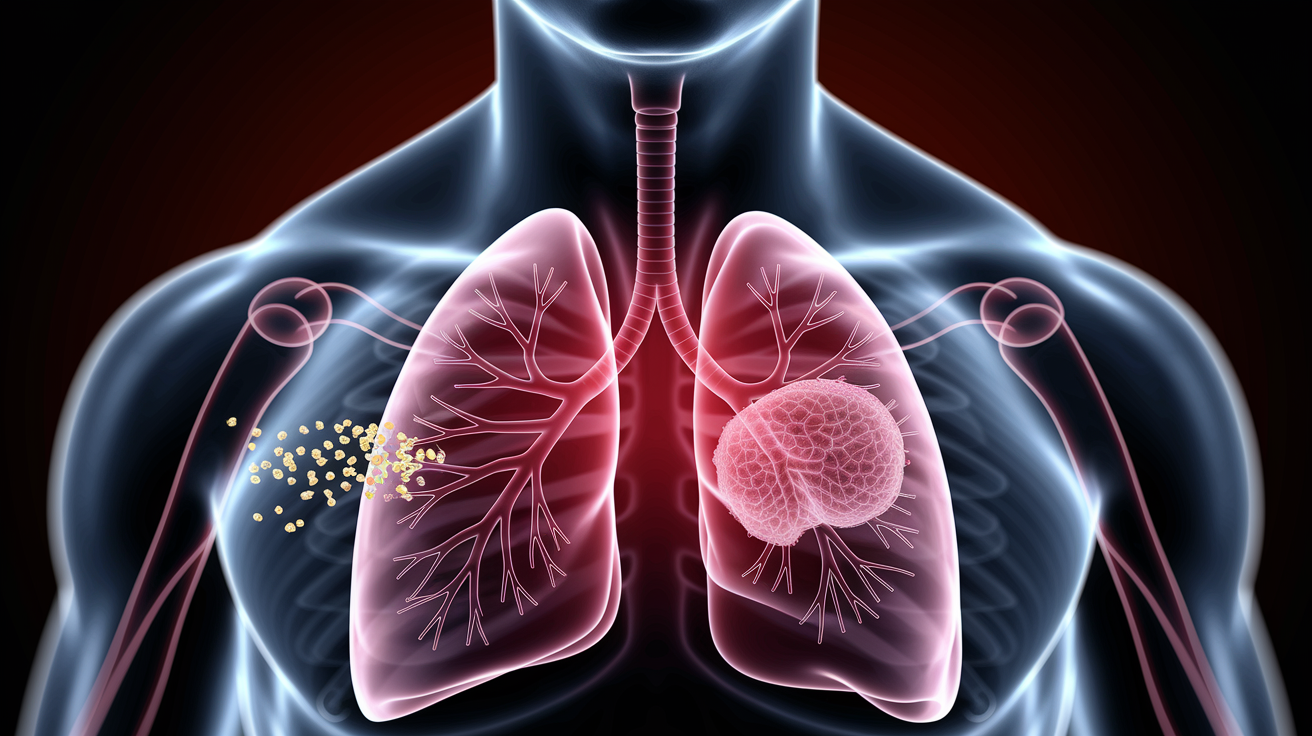
Yes, allergies can absolutely cause shortness of breath, though that feeling of not getting enough air usually means the reaction has moved past simple nasal congestion and into your lungs or lower airways. When you breathe in an allergen like pollen, mold spores, or pet dander, your immune system can launch a defense that narrows the passages air travels through, making each breath feel harder to pull in.
More than 25 million Americans have asthma, and about 60% of those cases are triggered or made worse by allergies, a condition called allergic asthma. The biological process starts the moment an allergen lands on the lining of your nose, throat, or lungs. Your immune system flags the substance as a threat and releases histamine along with other inflammatory chemicals. Those chemicals cause tissues to swell, muscles around airways to tighten, and glands to pump out thick mucus. The result? A narrowed breathing passage that some people describe as “breathing through a coffee straw.”
Allergies can trigger different types of respiratory symptoms depending on where the reaction takes hold:
Nasal congestion and sinus pressure when swelling blocks the upper airways
Postnasal drip that irritates the throat and sets off coughing
Wheezing when the bronchial tubes in the lungs constrict
Chest tightness and shortness of breath when inflammation reaches the lower airways
Not everyone with seasonal allergies will develop breathing trouble. But when shortness of breath shows up alongside sneezing, itchy eyes, or a known allergen exposure, an allergic reaction affecting the lungs is a common and medically recognized cause.
Allergic Breathing Problems: What Happens Inside the Airways
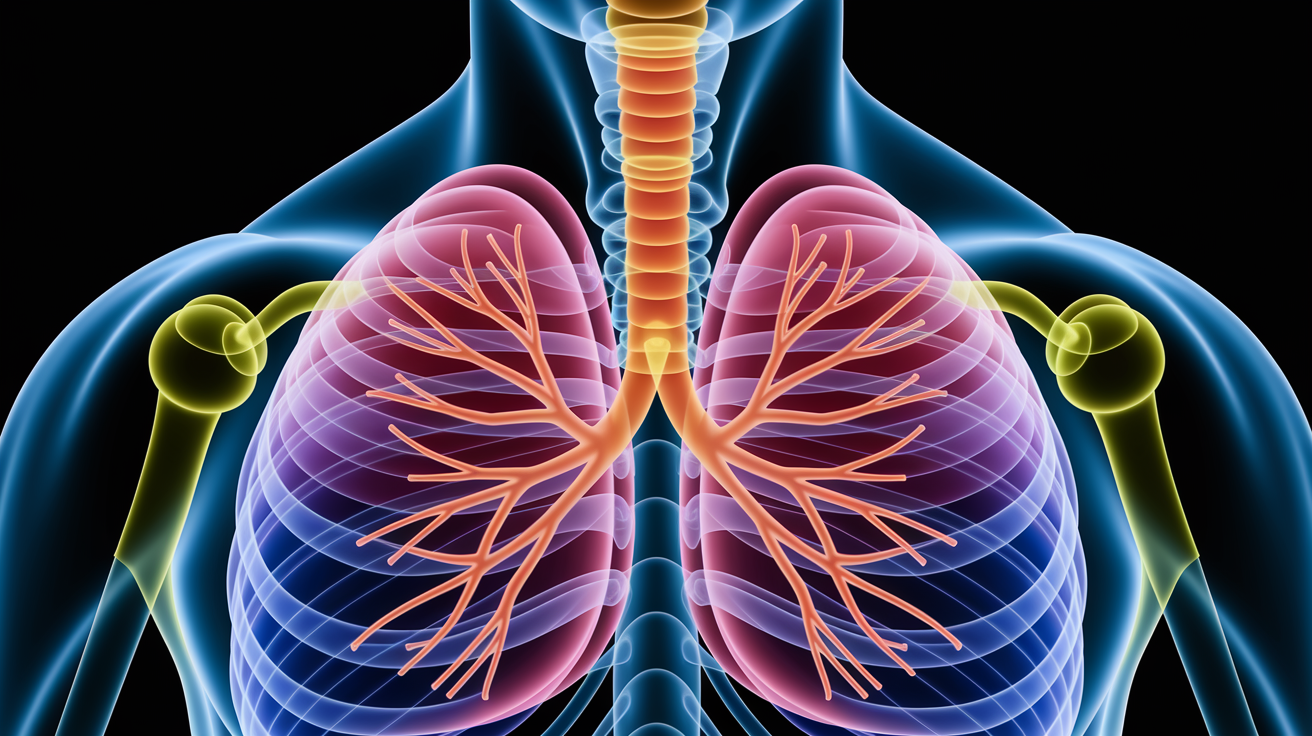
When you inhale an allergen, your immune system treats it like an invader. Mast cells in the airway lining burst open and dump histamine, leukotrienes, and other mediators into surrounding tissues. Those chemicals don’t just cause the familiar itchy nose symptoms. They also act directly on the smooth muscle wrapped around your bronchial tubes, the mucous glands embedded in airway walls, and the tiny blood vessels that supply oxygen to lung tissue.
The reaction unfolds in three overlapping steps that all make breathing harder:
Bronchoconstriction. The muscle bands around your airways squeeze tight, shrinking the diameter of the tubes air flows through.
Airway wall edema. Fluid leaks from blood vessels into the tissue lining your airways, causing swelling that further narrows the passage.
Mucus overproduction. Glands ramp up thick, sticky mucus that clogs already narrow tubes and triggers coughing.
Even mild swelling in the upper airways, like nasal congestion, can make you feel short of breath because you’re forced to mouth breathe or work harder to pull air through swollen nasal passages. Postnasal drip sliding down the back of your throat can irritate the vocal cords or upper trachea, adding a sensation of throat tightness that mimics lung trouble. But true lower airway reactions produce audible wheezing on exhale, visible chest retractions between the ribs, and a deep sense of not being able to empty or fill your lungs completely.
Common Allergy Triggers That Can Lead to Breathing Issues

Certain allergens are more likely than others to reach deep into the respiratory tract and provoke shortness of breath. Airborne particles small enough to bypass nasal filters and land in the bronchial tree are the usual suspects. Humid environments and certain weather patterns can make these allergens more potent or more plentiful.
The most common triggers that cause breathing difficulty include:
Ragweed pollen. Peak exposure in late summer and fall. Tiny grains easily inhaled deep into lungs.
Mold spores. Thrive in damp basements, bathrooms, and humid climates. Year round indoor exposure is common.
Dust mites. Microscopic bugs living in bedding, carpets, and upholstery. Populations explode when indoor humidity rises above 50%.
Pet dander. Skin flakes and dried saliva from cats, dogs, and rodents. Particles remain airborne for hours and stick to fabric.
Cockroach droppings and body fragments. Common indoor allergen in urban settings. Can trigger severe asthma flares.
Tree, grass, and weed pollens. Seasonal peaks vary by region. Thunderstorms can shatter pollen grains into fragments small enough to penetrate deep lung tissue.
Mold deserves special mention because it’s one of the most potent asthma triggers. If you notice breathing problems only in a particular room or after going into a basement, mold exposure is high on the list of causes. Humidity above 50% creates ideal conditions for both mold growth and dust mite reproduction, which is why people in humid climates or during muggy summers often report worse allergy related breathing symptoms.
Thunderstorm asthma is a newer recognized pattern. During certain storms, pollen grains absorb moisture, swell, and burst into hundreds of microscopic pieces. Those fragments bypass the nose’s filtering system and travel straight into the lower airways, sometimes triggering sudden, severe asthma attacks even in people who never had breathing trouble before.
Differentiating Allergy Related Shortness of Breath from Asthma and Other Conditions

Shortness of breath can stem from allergies, asthma, anxiety, or entirely different medical problems. Sorting out the cause matters because treatments differ and delays can be risky.
Allergy Related Breathing Pattern
Pure allergic rhinitis (hay fever) usually produces upper airway symptoms like sneezing, runny nose, nasal congestion, and watery eyes. You may feel mildly short of breath because your nose is blocked and you’re mouth breathing, but you won’t wheeze and your chest won’t feel tight. The shortness of breath is more about effort than obstruction.
When allergies reach the lower airways and trigger allergic asthma, the picture changes. You’ll notice chest tightness, a whistling sound when you breathe out, coughing that gets worse at night or after exercise, and a sensation that you can’t fully empty your lungs. The breathing trouble often comes in waves, worse during or right after allergen exposure.
Asthma Indicators
Asthma produces expiratory wheezing, the high pitched whistle you hear when air is forced out through narrowed tubes. A hallmark of asthma is response to a rescue inhaler. If you use albuterol (Ventolin) and your breathing eases within minutes, that strongly suggests bronchial constriction rather than anxiety or upper airway swelling.
People with asthma often describe their chest as “tight” or say it feels like a weight is sitting on their ribs. Coughing may be the only symptom in children with cough variant asthma. If you’re using a rescue inhaler more than twice a week, that signals poor control and a need for daily controller therapy.
Non Allergic Mimics
Vocal Cord Dysfunction (VCD) can look a lot like asthma but behaves differently. The vocal cords spasm and slam shut during inhalation, creating a high pitched sound called inspiratory stridor. It feels like your throat is closing, not your chest. Rescue inhalers don’t help and may even make VCD worse because the irritation from the spray can trigger more spasm.
Anxiety and panic attacks produce hyperventilation, rapid shallow breathing, tingling in the fingers, and a terrifying sense of suffocation. The breathing pattern is fast and high in the chest rather than slow and labored. Anxiety related breathing can coexist with allergic asthma, creating a feedback loop where physical airway narrowing triggers panic, which worsens the sensation of breathlessness.
Gastroesophageal reflux (GERD) can cause chronic cough and throat irritation that mimics or triggers both VCD and asthma. Stomach acid irritates the esophagus and can be aspirated into the airway, especially at night.
| Condition | Typical Symptoms | Response to Treatment |
|---|---|---|
| Allergic Asthma | Expiratory wheeze, chest tightness, cough, worse with allergen exposure | Improves rapidly with albuterol inhaler |
| Vocal Cord Dysfunction | Inspiratory stridor, throat tightness, feels like choking | Does not respond to inhalers, may worsen with bronchodilators |
| Anxiety/Panic | Rapid breathing, tingling, dizziness, sense of doom | Calms with slow breathing techniques, reassurance, no wheeze |
Sudden or Severe Breathing Trouble from Allergies: When It’s an Emergency

Most allergy related shortness of breath develops gradually over minutes to hours and responds to medication. But severe allergic reactions can escalate into anaphylaxis, a life threatening emergency that affects multiple body systems at once. Anaphylaxis strikes an estimated 1.6% to 5.1% of the U.S. population at some point in their lives, often triggered by foods, insect stings, or medications rather than airborne allergens.
Anaphylaxis doesn’t always announce itself with hives or itching. Sometimes the first and only warning is sudden respiratory distress. When the airways swell rapidly and blood pressure drops, every second counts.
Call 911 immediately if you or someone near you shows any of these signs:
Blue or gray lips, fingernails, or skin (cyanosis), which signals dangerously low oxygen
Inability to speak a full sentence without gasping for air
Audible wheezing that gets louder or doesn’t improve after using a rescue inhaler
Swelling of the tongue, throat, or face that makes swallowing or breathing difficult
Sudden confusion, extreme drowsiness, or loss of consciousness, which indicates the brain isn’t getting enough oxygen
If a rescue inhaler does not bring relief within 15 minutes, or if you see visible retractions where the skin pulls in between the ribs with each breath, get emergency care. Don’t wait to see if symptoms improve on their own. Severe airway swelling can progress quickly, and early treatment with epinephrine, oxygen, and IV medications can be lifesaving.
Why Antihistamines Often Don’t Help Allergy Related Shortness of Breath

It’s common to reach for an over the counter antihistamine like Zyrtec, Claritin, or Allegra when allergy symptoms flare. Those medications work well for sneezing, itchy eyes, and runny nose because they block histamine receptors in the skin and mucous membranes. But when shortness of breath appears, antihistamines alone often fall short.
The reason is simple. Shortness of breath from allergies usually means inflammation has reached the bronchial tubes, where histamine is only one piece of a more complex reaction. Leukotrienes, prostaglandins, and other inflammatory chemicals drive bronchoconstriction and mucus production in the lungs, and antihistamines don’t touch those pathways. Blocking histamine may reduce nasal swelling, but it won’t relax the smooth muscle squeezing your airways or clear the thick mucus clogging them.
Relying solely on antihistamines when you’re short of breath can delay the treatment you actually need, like a bronchodilator inhaler or a corticosteroid to calm deeper airway inflammation. If you’ve taken an antihistamine and your breathing doesn’t improve, or if chest tightness and wheezing are part of the picture, it’s time to move beyond antihistamines and consider treatments that target the lungs directly.
| Medication Type | Works For | Does Not Help |
|---|---|---|
| Oral Antihistamines (Zyrtec, Claritin, Allegra) | Sneezing, runny nose, itchy eyes, nasal congestion | Bronchial constriction, wheezing, chest tightness |
| Nasal Steroid Sprays (Flonase, Nasacort) | Nasal inflammation, sinus pressure, postnasal drip | Lower airway symptoms like shortness of breath |
| Decongestants (Sudafed) | Nasal stuffiness, sinus pressure | Lung inflammation, wheezing, asthma symptoms |
| Rescue Inhalers (Albuterol/Ventolin) | Bronchoconstriction, wheezing, acute shortness of breath | Nasal symptoms, long term inflammation prevention |
How Allergists Diagnose Allergy Related Breathing Symptoms

Figuring out whether your shortness of breath comes from allergies, asthma, or another condition requires more than a quick listen to your lungs. Allergists and pulmonologists use a combination of lung function tests, inflammation markers, and allergy panels to pinpoint the cause and guide treatment.
Spirometry
Spirometry measures how much air you can blow out and how fast. You take a deep breath and exhale as hard and fast as you can into a handheld device. The key number is FEV1, forced expiratory volume in one second, which tells the clinician how open your airways are.
After the first measurement, you inhale a dose of albuterol (a fast acting bronchodilator) and wait 15 minutes. Then you repeat the test. If your FEV1 jumps by more than 12%, that confirms reversible airway obstruction, the hallmark of asthma. A smaller improvement or no change suggests your breathing trouble may come from something else, like VCD, anxiety, or structural lung disease.
Spirometry is quick, noninvasive, and can be done in most allergy or pulmonary clinics. It gives objective data that helps separate true bronchoconstriction from other causes of breathlessness.
FeNO Testing
FeNO stands for fractional exhaled nitric oxide. When your lower airways are inflamed, cells lining the bronchial tubes produce extra nitric oxide, which you breathe out in measurable amounts. A FeNO test captures that signal even if you feel fine at the moment of testing.
You exhale slowly into an analyzer for about 10 seconds. A high FeNO reading (typically above 25 parts per billion in adults, or above 20 in children) indicates active eosinophilic inflammation, the type driven by allergies. It’s especially useful when spirometry looks normal but you still have symptoms, or when a clinician wants to know if inhaled steroids are working.
Skin Prick Testing
Skin prick testing identifies exactly which allergens your immune system reacts to. A nurse or allergist places tiny drops of common allergens like ragweed, mold, dust mites, pet dander, and various pollens on your forearm or back, then gently pricks the skin surface so the extract can enter. After 15 minutes, raised welts (wheals) mark positive reactions.
The results guide avoidance strategies and help decide whether immunotherapy (allergy shots) might help. If your skin lights up for dust mites and mold but you’ve been focused on avoiding pollen, you now know where to target environmental controls.
Before your appointment, track these details to help your clinician make sense of your symptoms:
When shortness of breath started and whether it’s getting better, worse, or staying the same
Timing patterns. Worse at night, after exercise, in certain rooms, or during specific seasons
Triggers you’ve noticed. Exposure to pets, going into a basement, mowing the lawn, high pollen days
Treatment Options for Allergy Related Breathing Problems

Once the cause is clear, treatment usually unfolds in tiers, starting with fast relief for acute symptoms and building toward long term control that reduces the need for rescue medication.
Immediate Relief Options
Rescue inhalers containing albuterol (brand names Ventolin, ProAir) work within minutes by relaxing the smooth muscle wrapped around bronchial tubes. You inhale two puffs, and tightness typically eases in less than five minutes. Keep a rescue inhaler with you if you’ve ever had allergy triggered wheezing or shortness of breath.
If you’re reaching for your rescue inhaler more than twice a week, that’s a red flag. Frequent use means your airways are chronically inflamed and you need a different approach.
Long Term Control Treatments
Daily controller inhalers deliver low dose corticosteroids directly to the lungs, calming inflammation before it triggers symptoms. Common examples include Flovent, Pulmicort, and Qvar. You use them every day, even when you feel fine, to keep airways stable.
Leukotriene modifiers like Singulair (montelukast) are oral pills that block a different inflammatory pathway. They’re especially helpful for people whose asthma flares with exercise or nighttime symptoms, and they double as allergy treatment.
Combination inhalers pair a corticosteroid with a long acting bronchodilator (Advair, Symbicort, Dulera). These are prescribed when a steroid alone isn’t enough, giving both prevention and sustained airway relaxation.
Advanced Therapies
For people with severe allergic asthma that doesn’t respond to standard inhalers, biologic medications offer targeted relief. Xolair (omalizumab) binds to IgE antibodies, preventing them from triggering allergic reactions. Dupixent (dupilumab) blocks IL-4 and IL-13, cytokines that drive eosinophilic inflammation. Both are given as injections every few weeks.
Immunotherapy, also called allergy shots, is the only treatment that can actually modify your immune system’s response over time. You receive gradually increasing doses of the allergens you react to, training your body to tolerate them. The process takes months to years, but many people see lasting improvement even after stopping shots.
Questions to ask your clinician:
Do I need spirometry or FeNO testing to confirm asthma?
Should I use a rescue inhaler before exercise or allergen exposure?
How often should I expect to use a controller inhaler, and how will we know if it’s working?
Am I a candidate for immunotherapy or biologic treatment?
How to Reduce Allergen Exposure to Prevent Shortness of Breath

Medication helps, but reducing the allergen load in your home and routine can cut symptoms at the source. Small, consistent changes often make a bigger difference than relying on pills and inhalers alone.
Humidity control is one of the most effective steps. Dust mites and mold both thrive when indoor humidity climbs above 50%. In humid regions or during summer months, a dehumidifier can keep levels in the 30% to 45% range, starving those allergens. Empty the tank daily and clean it weekly to prevent mold growth inside the unit.
HEPA air purifiers trap particles as small as 0.3 microns, pulling pollen, mold spores, and pet dander out of the air you breathe. Run one in your bedroom and any room where you spend several hours a day. Pair it with a HEPA vacuum to avoid stirring dust back into the air when you clean.
Use allergy proof mattress and pillow covers. Zippered encasements block dust mites from feeding on dead skin cells in bedding. Wash sheets weekly in hot water.
Keep pets out of bedrooms. Even if you love your dog or cat, dander concentrates where you sleep. Vacuuming and air filters help but can’t eliminate exposure entirely.
Stay indoors during high pollen counts. Check local pollen forecasts. Keep windows closed and shower after being outside to rinse pollen off skin and hair.
Fix leaks and ventilate damp areas. Mold needs moisture. Repair leaks promptly, use exhaust fans in bathrooms, and clean visible mold with diluted bleach or hydrogen peroxide.
Avoid smoking and secondhand smoke. Smoke irritates already inflamed airways and makes allergic reactions worse. Quitting is one of the best things you can do for breathing health.
Children and Allergy Related Shortness of Breath: What Parents Should Know

Kids don’t always describe breathing trouble the way adults do. A child may not say “I feel short of breath.” Instead, you might notice a lingering cough, trouble keeping up during recess, or complaints of a “tired chest” after running. Cough variant asthma is especially common in children and easy to miss because the main symptom is a persistent dry, hacking cough rather than obvious wheezing.
Watch for coughing that lasts for weeks after a cold clears, coughing fits that wake your child at night, or coughing until they vomit up mucus. Those are red flags that point toward asthma rather than a simple post viral cough. Kids with untreated allergic asthma may avoid physical activity, fall behind in sports, or seem tired all the time because their bodies are working overtime to breathe.
Younger children can’t perform spirometry reliably, so diagnosis often relies on observing symptoms, tracking triggers, and doing a trial of asthma medication. If a controller inhaler stops the nighttime cough or lets your child run without wheezing, that confirms the suspicion even without formal testing.
Key signs to bring to your pediatrician or allergist:
Chronic cough lasting more than three weeks, especially if it’s worse at night or after exercise
Wheezing or chest tightness that comes and goes, often linked to colds, allergen exposure, or weather changes
Frequent “colds” that always settle in the chest or take weeks to resolve. May actually be asthma flares.
Final Words
Allergic reactions can tighten airways, cause swelling, and increase mucus. That combination is why breathing can feel tight, wheezy, or harder than usual.
This article walked through the biology, common triggers, how to tell allergies from asthma or other causes, when to get urgent care, what tests an allergist uses, and practical treatments and avoidance steps. It also covered children’s signs and what to track for appointments.
If you’re asking can allergies cause shortness of breath the short answer is yes — but testing and the right plan can bring relief and safer breathing.
FAQ
Q: What are the top 3 causes of shortness of breath?
A: The top three causes of shortness of breath are lung problems (asthma, COPD, pneumonia), heart issues (heart failure or heart attack), and anxiety or panic causing rapid breathing.
Q: How do you get rid of shortness of breath from allergies?
A: You get rid of shortness of breath from allergies by avoiding triggers, using prescribed rescue inhalers and inhaled steroids for airway inflammation, and working with a clinician on allergy shots or controller medicines.
Q: Can allergies make you feel like you’re not getting enough oxygen?
A: Allergies can make you feel like you’re not getting enough oxygen by narrowing airways, causing mucus and congestion, which create a sensation of low oxygen even when oxygen levels are normal.
Q: What is the best allergy medicine for shortness of breath?
A: The best allergy medicine for shortness of breath is usually a bronchodilator or inhaled corticosteroid prescribed for allergic asthma; antihistamines relieve nasal symptoms but don’t treat airway tightening.