

Could your morning coffee actually be the thing causing your headaches?
It sounds backward, but people use caffeine to stop headaches and it can start them.
Caffeine blocks adenosine (a brain chemical that makes you sleepy) and tightens blood vessels, so it can help at first yet trigger rebound pain as your brain adapts.
In this post you’ll learn how daily use, sudden changes, or a big spike in caffeine can cause different headache types, how to spot patterns, and practical steps to stop the cycle without making symptoms worse.
Comprehensive Explanation of How Caffeine Can Lead to Different Types of Headaches
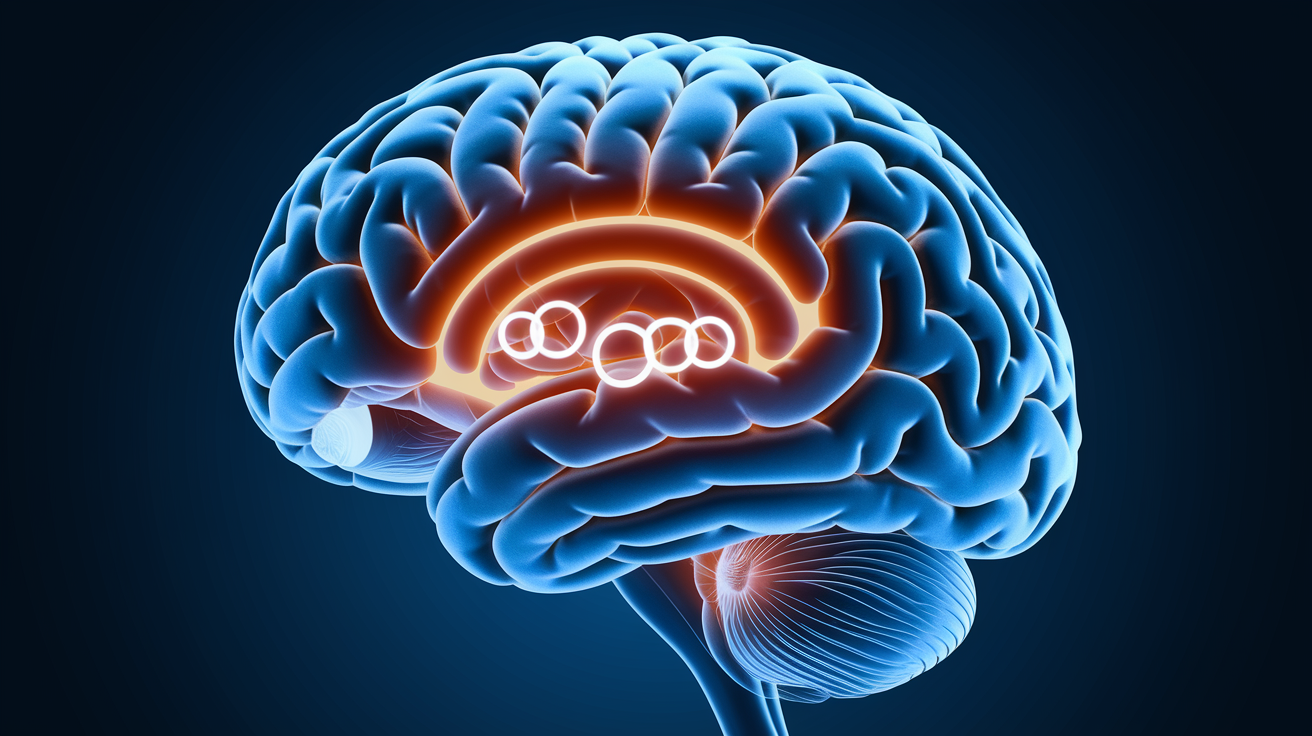
Caffeine works by blocking adenosine receptors in your brain. Adenosine is a neurotransmitter that makes you feel relaxed and tired. When caffeine blocks those receptors, you feel more alert. But it also constricts your blood vessels. That constriction can actually reduce headache pain, which is why you’ll find caffeine in lots of migraine medications. The problem is that the same process offering relief can later cause headaches, especially once your brain gets used to regular caffeine.
When you drink coffee every day, your brain adapts by making more adenosine receptors. That’s tolerance. Once your body expects caffeine and you stop or cut back, those extra receptors suddenly flood with adenosine. This triggers rapid blood vessel dilation. That dilation increases blood flow and puts pressure on surrounding nerves, leading to the throbbing pain of a withdrawal headache. This usually starts 12 to 24 hours after your last dose, right around when you’d normally have another cup.
Drinking too much caffeine or suddenly increasing your intake can also trigger headaches. When you consume way more than usual, the rapid shift in blood vessel tone and heightened nervous system activity can cause pain. Some people get what feels like a migraine just because their system can’t handle the spike. This happens more often if you drink caffeine on an empty stomach or late in the day when your body’s stress responses are already running higher.
Your individual sensitivity matters a lot here. Genetics influence how quickly your liver breaks down caffeine and how strongly your adenosine receptors respond. People with certain variants in the CYP1A2 or ADORA genes may metabolize caffeine more slowly or react more intensely to adenosine shifts. For these individuals, even moderate caffeine can trigger migraines or tension headaches shortly after drinking it, regardless of whether they’re regular users.
Five key ways caffeine connects to different headache types:
Adenosine receptor blockade that builds tolerance and dependence
Vasoconstriction followed by rebound dilation during withdrawal
Rapid nervous system stimulation from sudden caffeine spikes
Genetic differences in how you metabolize caffeine and respond to receptors
Poor sleep from late day caffeine, which causes secondary headaches
Understanding the Timeline and Pattern of Caffeine Withdrawal Headaches
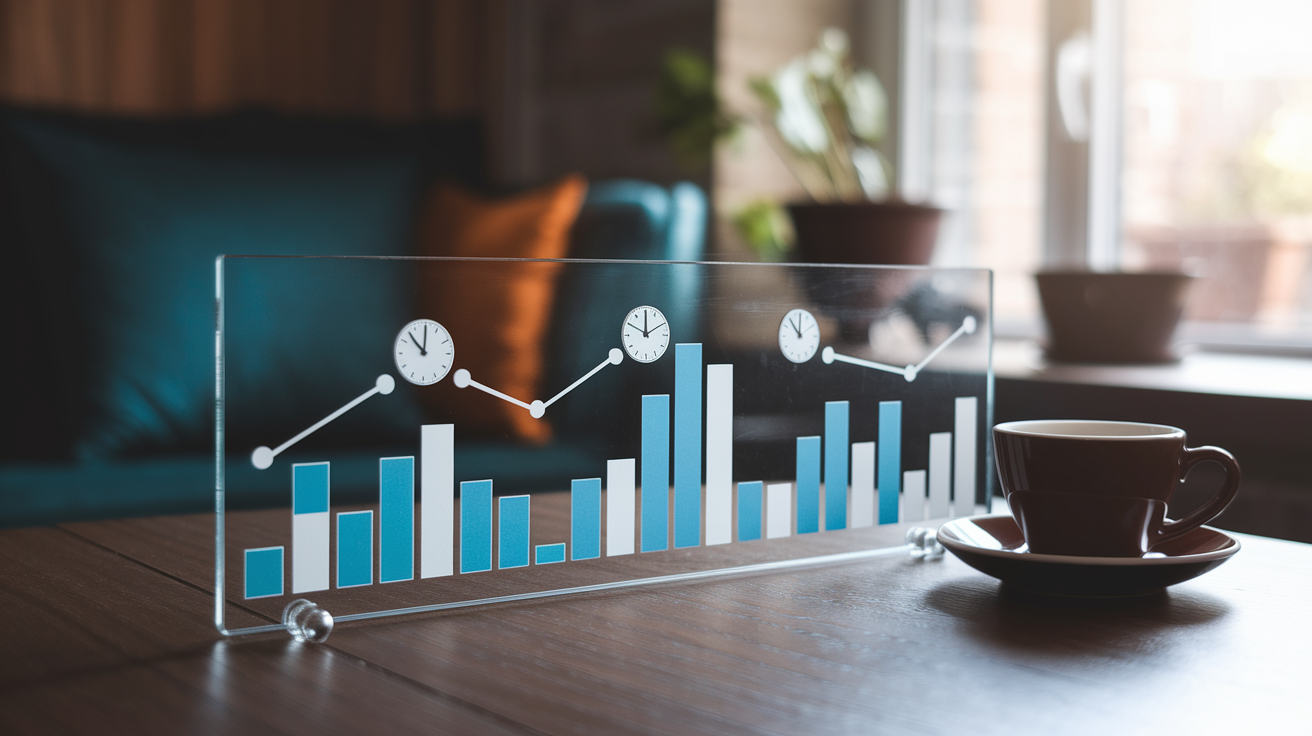
Caffeine withdrawal follows a pretty predictable timeline. Headaches typically start within 12 to 24 hours after your last dose. That’s why so many people feel pain when they skip morning coffee or sleep past their usual caffeine time. Intensity peaks around 24 to 48 hours. It’s often described as a dull, bilateral pressure or steady throb that wraps around your head. Along with the headache, you might notice fatigue, irritability, trouble focusing, and changes in sleep quality. Some people also get mild nausea or muscle aches that feel like flu symptoms.
Most withdrawal headaches clear up within two to nine days, though lighter symptoms like fatigue and mood changes can stick around for up to two or three weeks in people who consumed high daily amounts for a long time. Severity and duration depend on how much caffeine you used, how long you used it, and how abruptly you stopped. Someone drinking four cups of coffee daily for years will generally face a longer, more intense withdrawal than someone drinking one cup a few times a week.
| Symptom | Typical Timing | Expected Duration |
|---|---|---|
| Headache (throbbing or pressure) | 12–24 hours after last dose | 2–9 days (peak at 24–48 hours) |
| Fatigue and sluggishness | 12–24 hours | Up to 2–3 weeks |
| Difficulty concentrating | Within 24 hours | 3–7 days |
| Irritability or mood changes | 12–36 hours | 5–10 days |
| Sleep disturbances | Within 1–2 days | 1–2 weeks |
| Mild nausea or muscle pain | 24–48 hours | 2–5 days |
Specific Scenarios Where Caffeine Directly Triggers Migraines or Tension Headaches

Your individual sensitivity determines whether caffeine helps or hurts. People with genetic variants that slow caffeine metabolism or heighten adenosine receptor sensitivity may develop migraines within minutes to hours after consuming caffeine, even if they don’t use it regularly. For these people, caffeine is a direct migraine trigger, not a withdrawal issue. The headache often starts on one side of the head, with nausea, light sensitivity, or sound sensitivity coming along for the ride.
Timing makes a difference. Caffeine you drink early in the morning might be fine, but that same person having a second or third cup in the afternoon or evening may get headaches from accumulated stimulation and disrupted sleep. Late day caffeine messes with sleep quality, and poor sleep is a well known headache trigger. This creates a cycle where caffeine causes poor rest, which makes you reach for more caffeine the next day, which increases headache risk even further.
Going beyond your typical amounts or drinking caffeine too quickly also raises headache chances. If you normally drink one cup of coffee and suddenly consume three cups in a short window, the rapid spike in blood vessel constriction and nervous system activation can overwhelm your tolerance. This happens a lot on stressful days when people grab extra coffee or energy drinks to stay alert. Your body sees the surge as a stressor, and tension headaches or migraines show up soon after.
Caffeine Amounts, Sources, and How Much Can Trigger Headaches
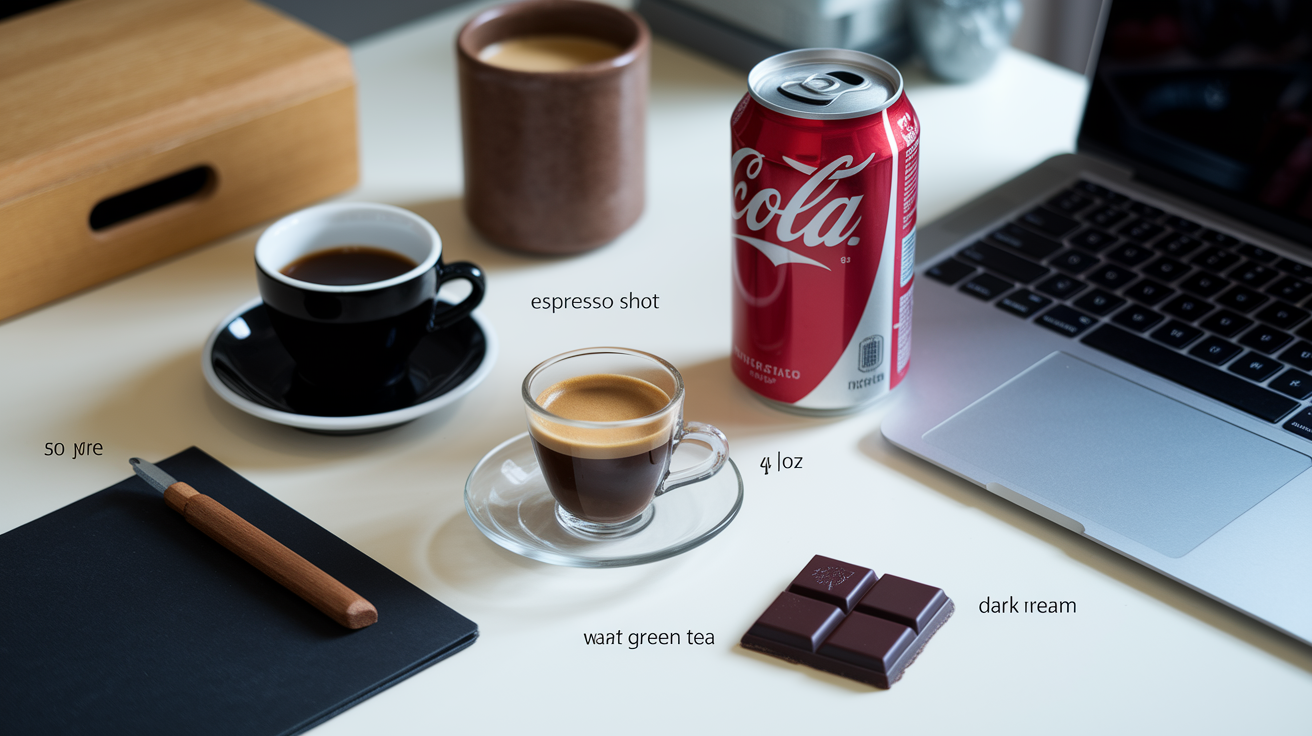
Caffeine content varies widely across drinks and foods, which makes tracking your intake important if you think it’s contributing to headaches. Most health guidelines say up to 400 milligrams per day is safe for healthy adults, though individual tolerance varies. Pregnant people are advised to limit intake to 200 milligrams or less per day, and adolescents should typically stay under 100 milligrams daily. Going beyond these thresholds increases your risk of withdrawal headaches when intake drops, as well as overstimulation headaches when intake spikes.
Understanding where caffeine hides in your routine helps you manage total daily exposure. Some sources are obvious, others not so much. Energy drinks and specialty coffee drinks often pack way more caffeine than you’d expect, and combining multiple sources throughout the day can push you over safe limits without you realizing it.
Seven common caffeine sources with approximate milligram amounts:
8 fl oz brewed coffee: 70–140 mg (average around 95 mg)
1 shot espresso (1 oz): 63–75 mg
8 fl oz black tea: 40–70 mg (average around 47 mg)
8 fl oz green tea: 20–45 mg (average around 28 mg)
12 fl oz cola: 30–40 mg (average around 34 mg)
8 fl oz energy drink: 80–300+ mg (varies widely by brand)
1 oz dark chocolate: 12–30 mg
Recognizing Symptoms of Caffeine-Related Headaches
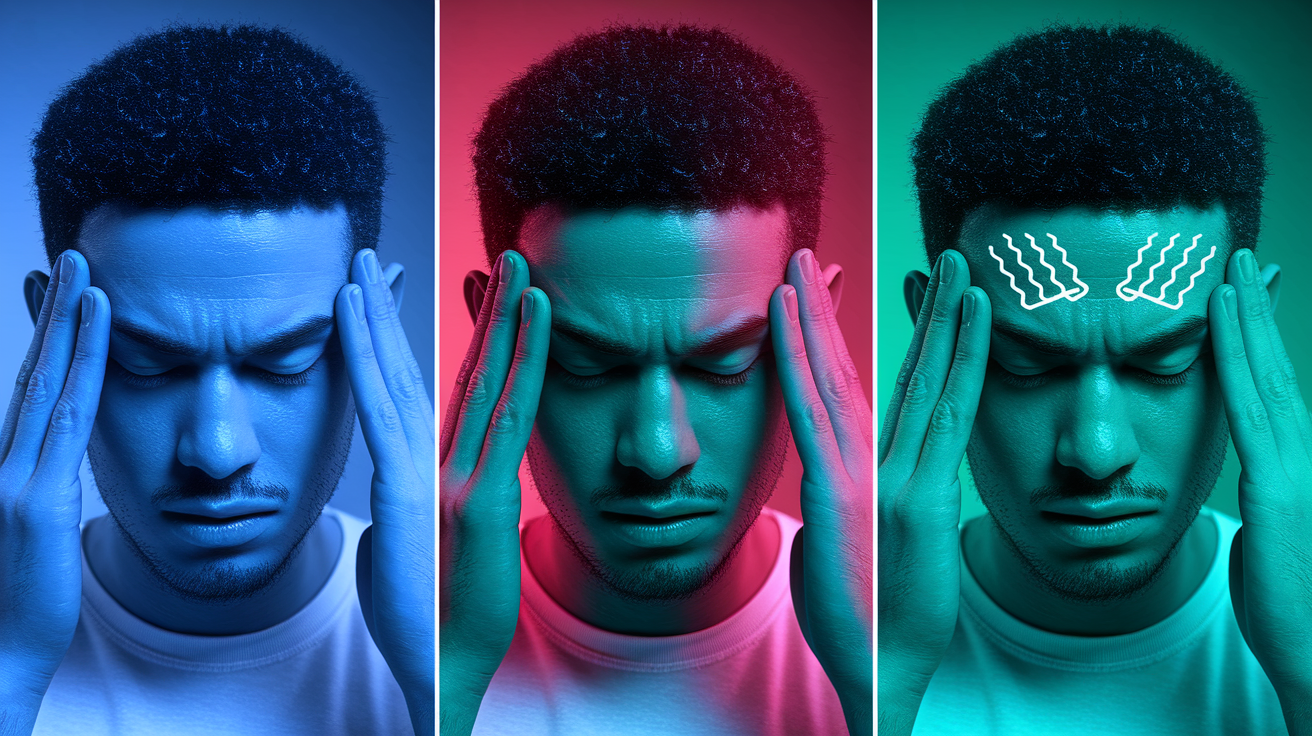
Caffeine related headaches show up differently depending on what’s causing them. Withdrawal headaches are usually bilateral, meaning they affect both sides of your head. The pain feels like steady pressure or a dull ache, similar to wearing a tight band around your forehead or the back of your head. It’s persistent but not always severe, and it often improves slightly with movement or distraction, though it rarely disappears without some kind of intervention.
Caffeine triggered migraines tend to be unilateral and throbbing. The pain pulses with your heartbeat and gets worse with physical activity. Nausea is common, and many people become sensitive to light, sound, or strong smells during the episode. These migraines can last several hours or even a full day if untreated, and they may appear within an hour or two of consuming caffeine in sensitive people.
Tension headaches linked to overconsumption or poor sleep from late caffeine use show up as a generalized tightness across the forehead, temples, or back of the neck. The pain is steady rather than throbbing, and it may stick around throughout the day if the underlying issue (like caffeine disrupted sleep or ongoing overstimulation) isn’t addressed. Recognizing which pattern you experience helps you decide whether to adjust intake, taper off caffeine, or get further evaluation.
How to Tell if Caffeine Is Your Headache Trigger

Tracking patterns is the most reliable way to figure out whether caffeine triggers your headaches. Keep a simple diary for two to four weeks. Note the time and amount of each caffeinated drink or food, the time any headache starts, and how severe it feels. Also record sleep quality, stress levels, and whether you skipped a usual caffeine dose that day. Patterns will emerge over time. You might notice headaches cluster on days you consume more than usual, or they appear on weekends when you sleep in and delay your first cup.
Individual sensitivity and metabolism rate vary widely. Some people metabolize caffeine in three hours, others take six or more. If you’re a slow metabolizer, afternoon caffeine may still be active at bedtime, disrupting sleep and setting up a headache the next morning. If you’re highly sensitive to adenosine fluctuations, even small changes in daily intake can trigger pain. Paying attention to your own responses instead of relying on general guidelines will give you the clearest answers.
Five things to track in your caffeine and headache diary:
Time and estimated milligrams of each caffeinated item you consumed
Time headache began and how long it lasted
Pain location (one side, both sides, forehead, neck) and character (throbbing, pressure, ache)
Sleep duration and quality the night before the headache
Any missed or delayed caffeine doses compared to your usual routine
Prevention Strategies for Caffeine-Triggered Headaches
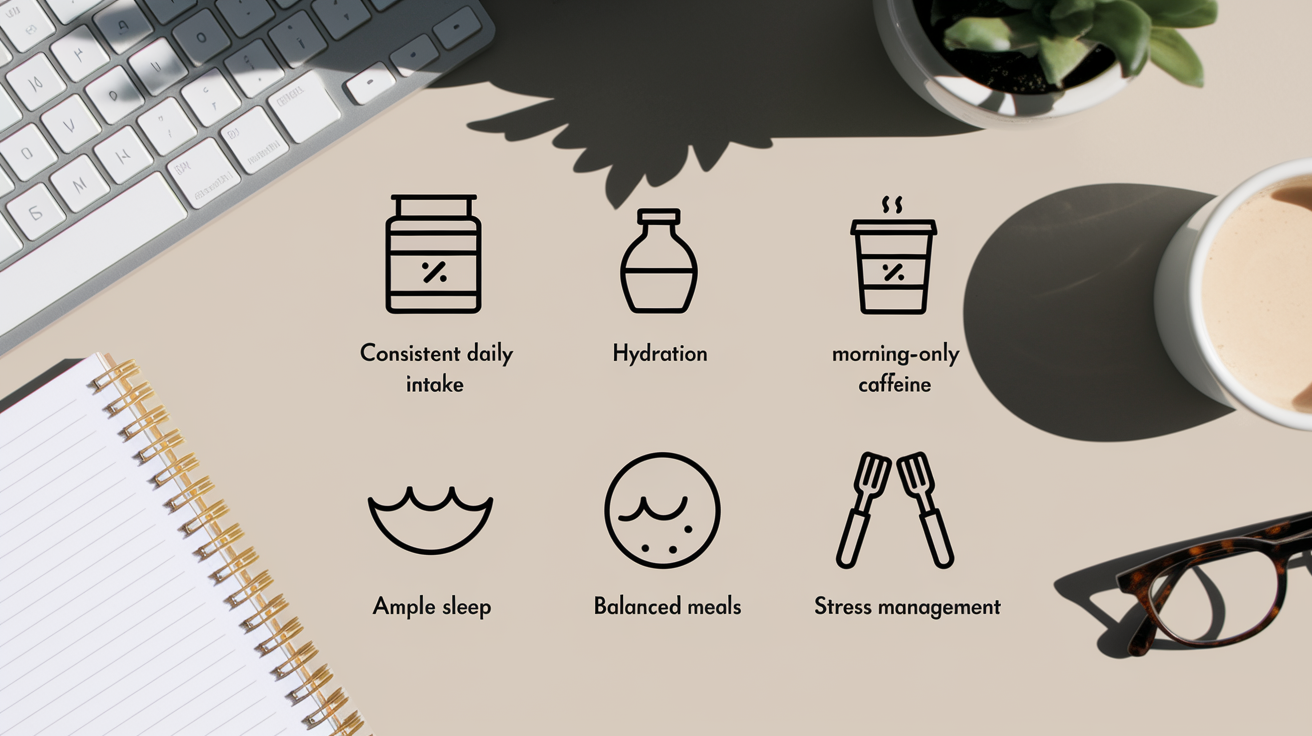
Preventing caffeine related headaches starts with consistent daily intake. If you drink coffee, try to consume roughly the same amount at the same time each day. Fluctuations (drinking three cups one day and none the next) increase the chance of withdrawal headaches. Consistency stabilizes adenosine receptor activity and keeps blood vessel tone steady, reducing the likelihood of pain triggered by sudden changes.
Hydration plays a supporting role. Caffeine has a mild diuretic effect, which can contribute to dehydration if you don’t drink enough water throughout the day. Dehydration is a well known headache trigger on its own, so balancing caffeinated drinks with plain water, herbal tea, or other non caffeinated fluids helps prevent overlapping triggers. Aim for at least eight cups of total fluid per day, more if you’re active or live in a hot climate.
Timing your caffeine intake earlier in the day protects sleep quality. Caffeine has a half life of three to six hours in most people, meaning half the dose is still active hours after you drink it. Coffee or energy drinks in the late afternoon or evening can interfere with falling asleep or reduce deep sleep stages, and poor sleep is a major headache trigger. Try to finish caffeinated drinks by early afternoon, and avoid them entirely within six hours of bedtime.
Six practical prevention steps:
Keep daily caffeine intake consistent in amount and timing
Stay hydrated with water or non caffeinated drinks throughout the day
Limit caffeine to morning and early afternoon hours
Aim for 7 to 9 hours of sleep per night on a regular schedule
Eat balanced meals at regular intervals to stabilize blood sugar
Manage stress with relaxation techniques or brief movement breaks
How to Cut Back on Caffeine Without Triggering Headaches

Gradual reduction is the safest way to lower caffeine intake without causing withdrawal headaches. Quitting cold turkey works for some people, but most experience several days of intense headache, fatigue, and irritability. Tapering slowly over two to four weeks lets your brain adjust adenosine receptor levels gradually, minimizing discomfort. The key is reducing intake in small, manageable steps instead of making drastic cuts all at once.
A simple tapering approach involves cutting your daily intake by about 25 percent each week. For example, if you currently consume 400 milligrams per day (roughly four cups of brewed coffee), drop to 300 milligrams in week one by eliminating one cup or switching one serving to half caff or decaf. In week two, reduce to 200 milligrams, then 100 milligrams in week three, and finally switch entirely to decaf or stop in week four. If you get headaches during a reduction step, pause at that level for a few extra days before cutting further.
| Week | Target Daily Intake (mg) | Suggested Strategies |
|---|---|---|
| 1 | 300 mg | Remove one cup of coffee or replace one serving with half-caff |
| 2 | 200 mg | Switch a second serving to decaf or reduce serving sizes |
| 3 | 100 mg | Limit to one small cup or switch to green tea |
| 4 | 0–50 mg | Move to fully decaf coffee or herbal tea; maintain ritual without caffeine |
When Caffeine Helps Instead of Hurts: Therapeutic Uses
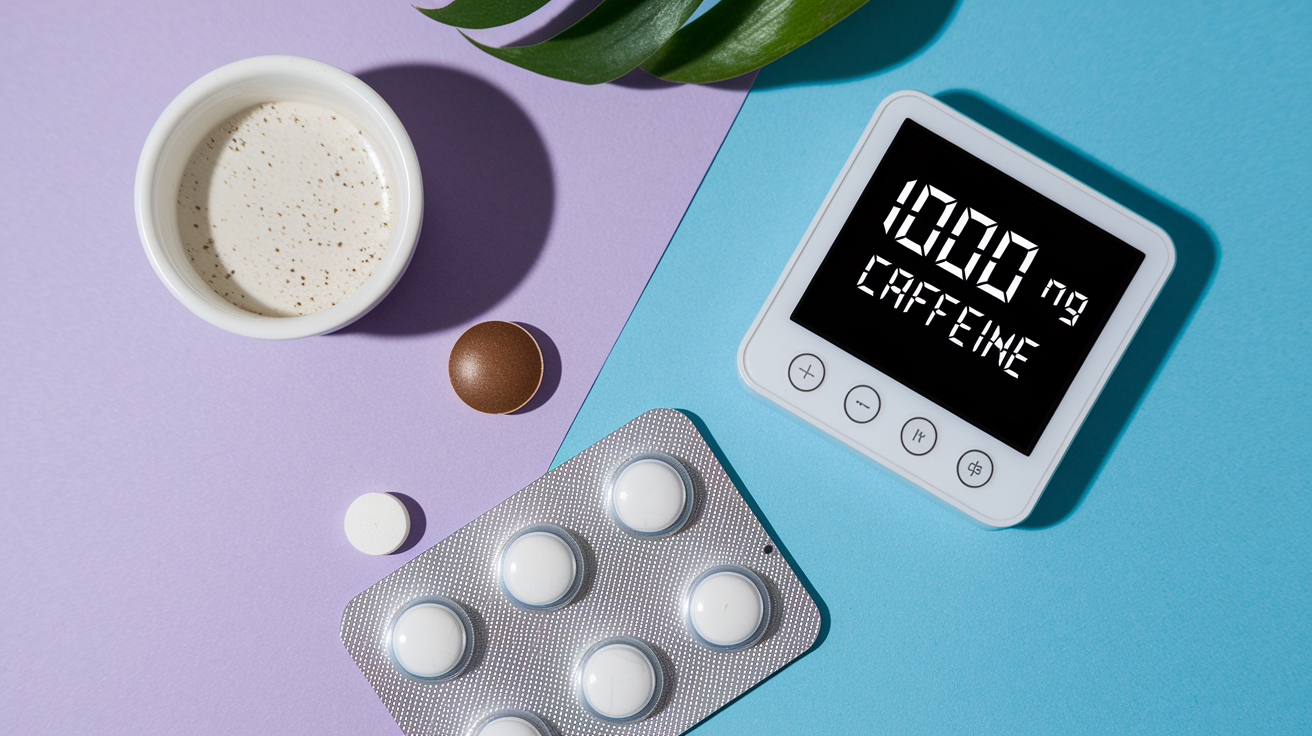
Caffeine can actually be effective for treating acute headaches when used strategically. Small doses of around 100 milligrams boost the pain relieving effect of over the counter medications like acetaminophen, ibuprofen, or aspirin. That’s why many migraine medications include 65 to 100 milligrams of caffeine per dose. The caffeine constricts blood vessels and may improve drug absorption, providing faster and stronger relief for some people. If you get an occasional tension headache or mild migraine, a single dose of a caffeine containing pain reliever can help stop the attack.
The key is frequency. Using caffeine as an acute treatment works best when limited to no more than two or three days per week. If you rely on caffeine containing pain relievers more often, you risk developing medication overuse headaches, also known as rebound headaches. This creates a cycle where frequent use leads to daily or near daily headaches that only respond temporarily to more medication. For people who don’t regularly consume caffeine, a single therapeutic dose can provide relief without triggering dependence or withdrawal later.
Rebound and Medication-Overuse Headaches Linked to Caffeine

Medication overuse headaches develop when acute headache treatments get used too frequently. The threshold varies by drug type, but combination pain relievers that contain caffeine are especially likely to cause rebound headaches if taken more than 10 to 15 days per month. The headaches show up as daily or near daily pain that feels similar to your original headache type but responds only briefly to medication. As soon as the drug wears off, the headache returns, prompting another dose and keeping the cycle going.
Caffeine containing medications contribute to this problem because caffeine itself can cause withdrawal. When you take a combination pill every day or several times a week, your brain adapts to the regular caffeine dose. Missing a dose or delaying it triggers withdrawal symptoms, including headache, which you then treat with another caffeine containing pill. Over time, the medication that once relieved pain becomes part of the problem.
Breaking the cycle requires stopping or significantly reducing the overused medication, often under medical guidance. Some people need a brief period of preventive treatment or a different acute therapy that doesn’t contain caffeine. Withdrawal from medication overuse can be uncomfortable, but most people see improvement in headache frequency and severity within two to four weeks after stopping the overused drug.
When to Seek Medical Care for Caffeine-Related Headaches
Most caffeine related headaches improve with gradual tapering or consistent intake adjustments, but certain symptoms need prompt medical evaluation. If you get a sudden, severe headache that feels different from any headache you’ve had before, seek urgent care. This type of headache can signal a serious condition like a brain bleed, aneurysm, or stroke, especially if it reaches peak intensity within seconds or minutes. Don’t wait to see if it improves on its own.
Neurological symptoms alongside a headache are red flags. These include weakness or numbness on one side of your body, vision changes, difficulty speaking, confusion, or loss of consciousness. A headache with fever, stiff neck, or sensitivity to light may indicate meningitis or another infection. Headaches that start after a head injury, even a minor one, should be evaluated to rule out concussion or bleeding. New, persistent headaches in people over age 50 also warrant medical assessment, as they may signal conditions like temporal arteritis or other age related issues.
Five red flags that require urgent medical evaluation:
Sudden, severe headache reaching peak intensity within minutes (“thunderclap” headache)
Neurological symptoms such as weakness, numbness, vision loss, speech difficulty, or confusion
Headache with fever, stiff neck, or sensitivity to light
Headache following a head injury, even if the injury seemed minor
New persistent headaches in people over 50, or headaches that progressively worsen over days or weeks
Final Words
You learned how caffeine affects adenosine (a brain chemical that helps you feel sleepy), tightens or widens blood vessels, and how those shifts can lead to withdrawal, overuse, or sensitivity headaches.
We covered the withdrawal timeline, common drink amounts, how to track patterns, and practical prevention and tapering steps you can try at home.
If caffeine triggers headache for you, track intake, try steady habits or a slow taper, and get help for red flags. Small changes often make a big difference.
FAQ
Q: Why does caffeine make my headache worse?
A: Caffeine can make your headache worse because it narrows blood vessels and blocks adenosine (a brain chemical that affects blood flow). Sudden changes or too much intake commonly trigger or worsen headache pain.
Q: Why does coke help migraines?
A: Coke can help migraines because its caffeine (a mild vessel constrictor) and sugar can temporarily reduce migraine pain, but relief is short-lived and frequent use risks rebound or worsened headaches.
Q: How do I get rid of caffeine headaches?
A: To get rid of caffeine headaches, slowly taper caffeine, drink water, rest, and use an over-the-counter pain reliever if needed. Track timing and reduce intake gradually to avoid rebound pain.
Q: How to know if caffeine is causing migraines?
A: You can tell caffeine is causing migraines by tracking a diary: headaches start soon after intake, follow abrupt changes in use, improve when you skip caffeine, or come with withdrawal symptoms like fatigue and irritability.