

What if you didn’t need a pill the next time your stomach feels blown up or tight?
Indigestion (upper belly pain, bloating, nausea, or heartburn) is common and usually manageable at home.
This guide shows simple, safe natural fixes you can try right away for fast relief, such as peppermint, ginger, and warm water, and longer-term plant and kitchen remedies that support digestion over days or weeks.
You’ll also get practical eating changes, what to track, and clear signs that mean you should seek care.
Read on to learn what to try first and what to watch for.
Immediate Fast-Acting Natural Relief Methods

When indigestion hits, you want something that works now. The fastest natural options can start helping within 15 to 30 minutes. They calm muscle spasms in your stomach, reduce inflammation, or ease nausea. Best results come when you use them early, before the discomfort gets worse.
Peppermint tea is one of the quickest fixes. The menthol inside relaxes the smooth muscles in your stomach and intestines, cutting down on cramping and gas. Steep one tea bag in 8 ounces of boiling water for 5 to 10 minutes, then sip it slowly. Most people feel better in 15 to 20 minutes. But here’s the catch: skip peppermint if you’ve got heartburn or GERD. It can relax the valve between your stomach and esophagus and make reflux worse.
Ginger tea works fast for nausea and bloating by helping your stomach empty faster. Take a 1 inch piece of fresh ginger root, slice it thin, or use 1 teaspoon of dried ginger. Boil it in 4 cups of water for 10 minutes, strain, and drink it warm. You’ll often feel relief in 15 to 30 minutes. Keep your total ginger intake at or below 4 grams per day to avoid irritating your throat. Chamomile tea is gentler. It reduces inflammation and calms things down. Steep 1 to 2 tea bags in 8 ounces of hot water for 10 minutes. If you’re on blood thinners, check with your doctor before you make chamomile a regular thing.
Quick natural remedies for immediate indigestion relief:
- Peppermint tea – Steep 1 tea bag in 8 oz boiling water for 5–10 minutes, relief in 15–20 minutes, avoid if you have heartburn or GERD.
- Ginger tea – Boil 1 inch piece of fresh ginger or 1 tsp dried in 4 cups water for 10 minutes, relief in 15–30 minutes, limit total ginger to 4 g/day.
- Chamomile tea – Steep 1–2 tea bags in 8 oz hot water for 10 minutes, gentle relief in 20–30 minutes, caution with blood thinners.
- Warm water – Sip 8 oz of plain warm water slowly to help relax stomach muscles and ease cramping, works within minutes.
- Heating pad or warm compress – Place over upper abdomen for 10–15 minutes to relax tight muscles and reduce discomfort quickly.
Herbal & Plant-Based Options That Support Natural Indigestion Relief

Some herbs and plant remedies work more slowly. They build support over days or weeks, not minutes. They reduce gas, calm spasms, and help food move through your stomach at a normal pace. If you deal with indigestion regularly and want something gentle and sustainable, these are worth considering alongside your fast relief methods.
Herbs like fennel, ginger, and chamomile have what’s called carminative properties. That means they help push out gas and reduce bloating. Others act as prokinetics, helping your stomach empty on schedule. Some reduce inflammation in the stomach lining, easing discomfort from irritation or mild gastritis. These work best when you use them consistently as part of your daily routine or for a few weeks straight.
Ginger
Ginger reduces nausea, speeds up how fast your stomach empties, and calms inflammation. Use fresh ginger tea daily or add grated ginger to meals. Keep total intake at or below 4 grams per day. If you take blood thinners or diabetes medication, check with your doctor before using it regularly.
Chamomile
Chamomile tea soothes the stomach lining and reduces cramping. Steep 1 to 2 tea bags in hot water for 10 minutes and drink after meals or before bed. Avoid frequent use if you take anticoagulants. Chamomile may increase bleeding risk.
Fennel Seeds
Fennel seeds ease bloating, gas, and cramping. Crush ½ teaspoon of fennel seeds, add to 8 ounces of boiling water, and steep for 10 minutes. Or chew a small pinch of seeds after meals. You can use fennel up to three times a day. Watch for increased sun sensitivity in some people.
| Herb | Benefit |
|---|---|
| Ginger | Reduces nausea, speeds gastric emptying, calms inflammation |
| Chamomile | Soothes stomach lining, reduces cramping and inflammation |
| Fennel | Eases gas, bloating, and abdominal cramping |
| Turmeric | Anti-inflammatory properties may reduce digestive irritation |
Food-Based Natural Remedies and Kitchen Ingredients for Indigestion

Your kitchen has several ingredients that can help manage indigestion. They work by adjusting stomach acid levels, supporting digestive enzyme activity, or neutralizing acid related discomfort. Some add acid when your stomach isn’t producing enough, others neutralize excess acid, and a few provide enzymes that help break down food more efficiently.
Baking soda is one of the fastest kitchen fixes for acid related indigestion. Dissolve ½ teaspoon of sodium bicarbonate in 4 ounces of warm water and sip slowly. It neutralizes stomach acid within minutes, but you can’t use it all the time. Adults under 60 should take no more than seven half teaspoon doses in 24 hours. Adults 60 and older should limit it to three doses in 24 hours. Overuse can cause muscle cramps, nausea, and electrolyte imbalances. Avoid baking soda if you have high blood pressure, heart failure, or kidney disease because of its high sodium content.
Apple cider vinegar works differently. It’s for people whose indigestion comes from too little stomach acid, not too much. Mix 1 to 2 teaspoons of raw, unpasteurized apple cider vinegar in 1 cup of water and drink it 30 minutes before meals. This may help stimulate acid production and improve digestion. Always dilute it. Undiluted vinegar can burn your throat and erode tooth enamel. Rinse your mouth with plain water after drinking. If you take diuretics, insulin, or digoxin, check for interactions before using vinegar regularly. Watch for low blood sugar if you have diabetes.
Lemon water can help neutralize acid for some people. Squeeze 1 tablespoon of fresh lemon juice into a glass of warm or hot water and drink a few minutes before eating. The citric acid can stimulate digestion, but like vinegar, it can erode enamel if used too often or not followed by a water rinse. Limit use to once or twice a day. Licorice root may reduce inflammation in the digestive tract and improve motility, but it carries risks. Licorice contains glycyrrhizin, which can cause sodium retention, potassium loss, and high blood pressure. Keep glycyrrhizin intake at or below 100 milligrams per day, roughly 60 to 70 grams of licorice root. Alternative dosing guidance suggests 0.015 to 0.229 milligrams per kilogram of body weight per day. Check with your doctor if you have blood pressure issues or take heart medications.
Kitchen staples for indigestion with preparation steps:
- Baking soda – Mix ½ tsp in 4 oz warm water, sip slowly, wait at least 2 hours before repeating, observe daily dose limits.
- Apple cider vinegar – Dilute 1–2 tsp in 1 cup water, drink 30 minutes before meals, rinse mouth afterward, limit to 1–2 tbsp/day.
- Lemon water – Add 1 tbsp fresh lemon juice to warm water, drink a few minutes before eating, rinse mouth after to protect enamel.
- Papaya – Eat ½ cup of fresh papaya after meals, contains papain enzyme that helps break down proteins and ease digestion.
- Pineapple – Eat a few fresh pineapple chunks, bromelain enzyme supports protein digestion, avoid canned pineapple, enzymes are destroyed during processing.
Risks to keep in mind include tooth enamel erosion from acidic remedies like lemon and vinegar, throat irritation from undiluted liquids, and electrolyte imbalances from overusing baking soda. Licorice can raise blood pressure and interact with heart medications. Enzyme rich fruits are generally safe but may cause mouth irritation in sensitive individuals. Always dilute acidic ingredients, follow dose limits, and stop if symptoms worsen.
Eating Patterns and Dietary Adjustments to Prevent Indigestion Naturally

How you eat matters as much as what you eat. Large meals, fast eating, and certain foods can overwhelm your digestive system and trigger indigestion. Adjusting portion sizes, meal timing, and food choices can reduce or prevent symptoms without medication.
Eat smaller, more frequent meals throughout the day. Four to six small meals instead of two or three large ones. Aim to keep individual meals at or below 500 to 700 calories. Overeating stretches your stomach and slows digestion, increasing the chance of acid reflux and bloating. Chew each bite 20 to 30 times and take at least 20 to 30 minutes to finish a meal. Slower eating gives your stomach time to signal fullness and reduces the amount of air you swallow, which can cause gas and cramping.
Avoid drinking more than 16 ounces of liquid during a single meal. Too much fluid dilutes stomach acid and digestive enzymes, making it harder to break down food. Sip water between meals instead. Wait at least 2 to 3 hours after eating before lying down. Gravity helps keep stomach contents in place when you’re upright.
Certain foods are common indigestion triggers. Fatty and fried foods slow stomach emptying and relax the valve between your stomach and esophagus, allowing acid to move upward. Spicy foods, tomatoes, citrus, garlic, onions, mint, chocolate, caffeine, alcohol, and carbonated drinks can irritate the stomach lining or increase acid production. If you notice a pattern, try eliminating suspected triggers for a week or two and see if symptoms improve.
Foods to avoid and foods that soothe indigestion:
- Avoid: Fatty or fried foods, spicy dishes, tomato based sauces, citrus fruits and juices, garlic, onions, peppermint (if you have reflux), chocolate, caffeine, alcohol, carbonated beverages.
- Soothe with: Plain rice, oatmeal, bananas, toast, boiled potatoes, skinless chicken, steamed vegetables, applesauce, non citrus herbal teas, ginger, chamomile.
- Portion guidance: Fill two thirds of your plate with vegetables and lean protein, one third with starchy carbs, keep meals under 500–700 calories.
- Hydration timing: Drink most of your water between meals, limit to small sips (under 16 oz) during eating.
- Meal frequency: Aim for 4–6 small meals per day instead of 2–3 large meals to reduce digestive burden.
- Low FODMAP option: If bloating and gas are major problems, consider a short trial of low FODMAP foods (avoid onions, garlic, beans, certain fruits) for 2–4 weeks under guidance.
Mindful Eating
Slow down, put your fork down between bites, and focus on your food instead of screens or work. Mindful eating helps you recognize fullness signals before you overeat. It also reduces stress during meals, which can improve digestion and reduce cramping.
Lifestyle and Habit Changes That Improve Digestion Naturally

Daily habits outside of meals have a strong impact on how often indigestion happens and how severe it feels. Small adjustments to posture, movement, sleep, and stress can reduce symptoms over weeks and months.
Stay upright for at least 2 to 3 hours after eating. Lying down too soon lets gravity work against you, allowing stomach acid and partially digested food to move back toward your esophagus. If you need to rest, sit in a reclined chair instead of lying flat. Gentle movement helps digestion. A 10 to 20 minute walk after meals encourages your stomach to empty and reduces bloating. Avoid vigorous exercise right after eating. It can worsen reflux and cramping.
Five lifestyle steps to reduce indigestion recurrence:
- Stay upright after meals – Wait 2–3 hours before lying down, sit or walk gently instead of reclining immediately.
- Stop smoking – Smoking weakens the lower esophageal sphincter and increases acid production, quitting reduces reflux and irritation.
- Limit alcohol and caffeine – Both relax the esophageal valve and can irritate the stomach lining, reduce intake or avoid before bed.
- Avoid tight clothing – Belts, waistbands, and tight pants put pressure on your abdomen and can push stomach acid upward.
- Lose 5–10% of body weight if overweight – Excess abdominal weight increases pressure on the stomach, even modest weight loss often reduces reflux and indigestion frequency.
Sleep Positioning to Reduce Nighttime Reflux
Elevate the head of your bed by 6 to 8 inches using bed risers or a wedge pillow. Sleeping at an incline uses gravity to keep stomach acid in place and reduces nighttime reflux. Don’t just stack regular pillows. This bends your body at the waist and can increase abdominal pressure. Lying on your left side may also help. Your stomach sits lower than your esophagus in this position, making it harder for acid to move upward.
Gut Health Support: Probiotics, Fiber, and Digestive Enzymes
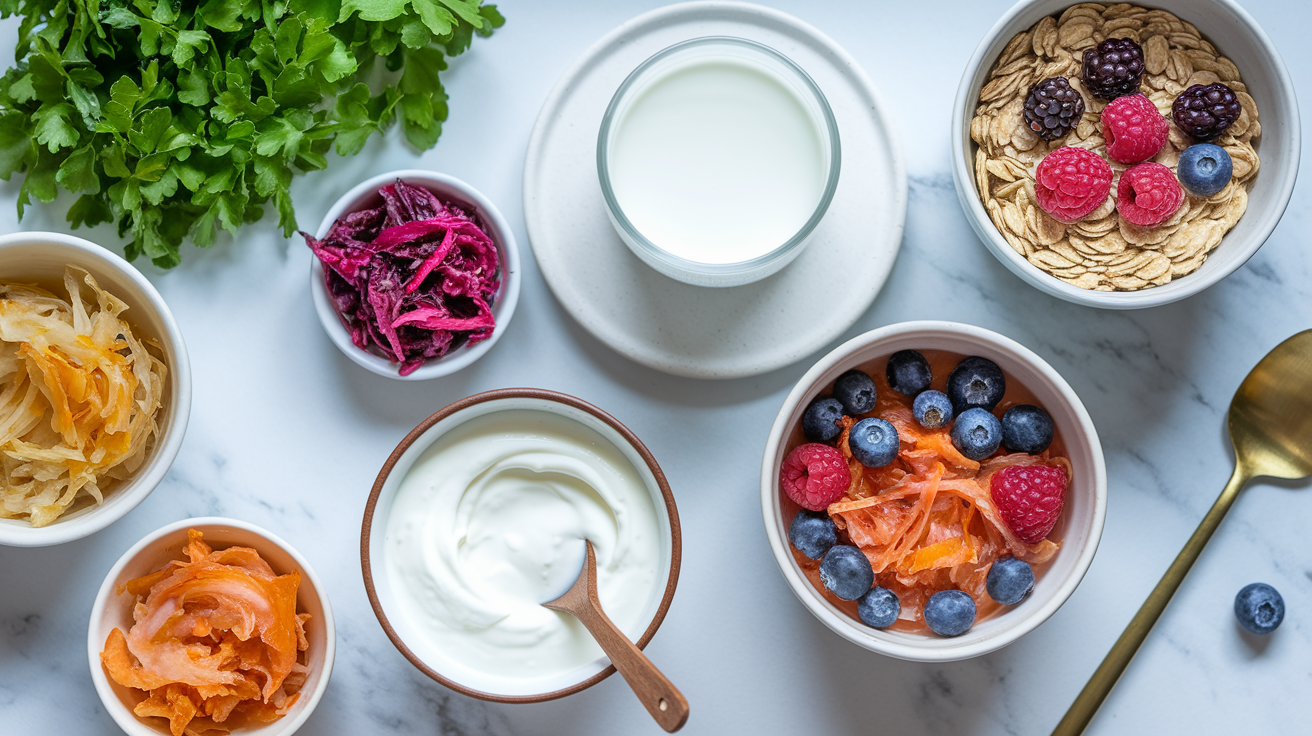
A balanced gut microbiome and adequate fiber intake support smooth digestion and can reduce bloating, gas, and discomfort over time. Probiotics and fiber aren’t fast fixes, but they help create conditions that prevent indigestion from recurring.
Probiotics are beneficial bacteria that live in your digestive tract. Eating probiotic rich foods may help restore balance after illness, antibiotic use, or poor diet. Try ½ cup of plain yogurt with live active cultures or 4 to 6 ounces of kefir daily. Fermented foods like sauerkraut, kimchi, and miso also provide probiotics. Evidence for probiotics in treating dyspepsia is variable. Some people notice improvement in bloating and regularity after 2 to 4 weeks, others see little change. It’s worth a trial if you have frequent digestive discomfort.
Fiber helps move food through your digestive system and supports healthy gut bacteria. Soluble fiber, found in oats, apples, and beans, absorbs water and forms a gel that slows digestion and can ease diarrhea. Insoluble fiber, in whole grains, vegetables, and nuts, adds bulk and speeds transit, which helps with constipation. Increase fiber gradually to avoid gas and bloating. Aim for 25 to 30 grams per day from whole foods. Digestive enzyme supplements, such as papain from papaya or bromelain from pineapple, may help break down proteins and fats. These are available as supplements or naturally in fresh fruit. Evidence is limited, but they’re generally safe to try.
Probiotic foods and fiber recommendations for gut health:
- Probiotic foods: Plain yogurt with live cultures (½ cup/day), kefir (4–6 oz/day), sauerkraut, kimchi, miso, tempeh.
- Soluble fiber sources: Oatmeal, bananas, apples, carrots, beans, lentils.
- Insoluble fiber sources: Whole wheat bread, brown rice, leafy greens, nuts, seeds.
- Enzyme rich foods: Fresh papaya (papain), fresh pineapple (bromelain), supplements available but check quality and dosing.
Natural Indigestion Relief at Night and Sleep-Related Strategies

Nighttime indigestion is common because lying flat removes the help of gravity and can allow acid and food to move back toward the esophagus. A few targeted strategies can reduce symptoms and help you sleep more comfortably.
Avoid eating within 2 hours of bedtime. Late meals mean your stomach is still actively digesting when you lie down, increasing the chance of reflux and discomfort. If you must eat late, keep it small and bland. Plain toast, a banana, or a small bowl of oatmeal. Skip alcohol, caffeine, and heavy exercise in the evening. All three can stimulate acid production or relax the esophageal valve, making nighttime symptoms worse.
A warm bath or a heating pad placed over your upper abdomen before bed can relax tight stomach muscles and ease cramping. The warmth increases blood flow and reduces spasms, helping you feel more comfortable as you settle in for sleep.
Three sleep strategies to reduce nighttime indigestion:
- Elevate your head 6–8 inches – Use a wedge pillow or bed risers, avoid stacking regular pillows, which can bend your torso and increase abdominal pressure.
- Avoid food within 2 hours of bedtime – Give your stomach time to empty before lying down, keep late snacks small and bland if necessary.
- Use warmth to relax muscles – Take a warm bath or apply a heating pad to your abdomen for 10–15 minutes before bed to reduce cramping and discomfort.
When Natural Remedies Are Not Enough: Signs You Need Medical Evaluation

Most indigestion is mild and resolves with home care, but some symptoms require a doctor’s evaluation to rule out serious conditions like ulcers, gallbladder disease, H. pylori infection, or heart problems.
See your primary care provider if indigestion lasts longer than 2 weeks despite home treatment, or if symptoms happen more than twice a week. Frequent or persistent indigestion can signal an underlying issue that needs diagnosis and targeted treatment. Watch for difficulty swallowing, unintentional weight loss of more than 10 pounds, loss of appetite, black or tarry stools, or persistent vomiting. These are red flags that require prompt medical attention.
| Symptom | Action Required | Timeframe |
|---|---|---|
| Chest pain with jaw or arm pain, sweating, shortness of breath | Call 911 or go to emergency room immediately | Right away |
| Vomiting blood, black or tarry stools, severe abdominal pain | Seek emergency care or urgent medical evaluation | Same day |
| Difficulty swallowing, unintentional weight loss >10 lbs, loss of appetite | Schedule appointment with primary care provider | Within 1–2 weeks |
| Indigestion lasting >2 weeks or recurring >2 times/week despite self-care | Consult provider for evaluation and possible testing | Within 2–4 weeks |
Chest pain is especially important to evaluate carefully. Indigestion and heart attack symptoms can overlap. Both can cause discomfort in the chest, nausea, and sweating. If chest pain comes with pain radiating to your jaw, left arm, or shoulder, sudden shortness of breath, lightheadedness, or fainting, treat it as a medical emergency. Get help immediately. Don’t wait to see if it passes.
Your doctor may order tests such as an upper endoscopy, H. pylori breath or stool test, abdominal ultrasound, or blood work to find the cause of chronic indigestion. Early diagnosis and treatment can prevent complications and give you a clear path to lasting relief.
Final Words
You’ve got fast fixes like peppermint, ginger, and chamomile, plus slower herbs, food‑based options, eating habits, lifestyle steps, gut support, and night strategies to try right away.
Track when signs start, how strong they are, what you ate, and how long relief takes. Patterns matter.
Watch red flags — trouble swallowing, black stools, sudden weight loss, or chest pain — and seek care quickly if they appear.
If you want to know how to get rid of indigestion naturally, start with small, safe changes and build from what helps.
FAQ
Q: How do you get rid of indigestion fast and what is the best fast-acting indigestion relief?
A: Getting rid of indigestion fast usually means antacids, ginger tea, or peppermint tea, which often ease symptoms within 15–30 minutes; choose ginger for nausea and avoid peppermint if you have reflux.
Q: Can drinking water help indigestion?
A: Drinking water can help indigestion by easing mild stomach irritation and moving food along when sipped slowly; avoid drinking more than 16 ounces with meals and don’t gulp large amounts.
Q: What drink gets rid of indigestion fast?
A: Drinks that relieve indigestion fast include ginger tea (boil 1–2 pieces root in 4 cups water; keep ≤4 g/day), peppermint tea (antispasmodic but may worsen reflux), and chamomile (1–2 teabags steep 10 minutes; avoid with blood thinners).