

Shortness of breath after eating isn’t always just indigestion.
It can be a sign of reflux, an allergy, overeating, or less common heart and lung problems.
It happens more often than people think.
Reflux affects about 1 in 4 adults and food allergies about 6 percent.
In this post I’ll explain the most likely causes, simple relief steps you can try, what clues point to something serious, and when you should get immediate care.
You’ll also get a short checklist to track timing, triggers, and related symptoms so you can talk clearly with your clinician if needed.
Key Reasons You May Experience Breathing Difficulty After Meals

Feeling short of breath after you eat happens more often than you’d think. It shows up in people dealing with digestive trouble, heart problems, or lung conditions. Timing matters. Some folks notice breathlessness almost immediately, usually from an allergic reaction or when food goes down the wrong pipe. Others feel it creep in over the first two hours as digestion kicks into gear and the stomach stretches. A smaller group gets delayed symptoms hours later, typically tied to ongoing acid reflux or the body’s metabolic demands.
Most of the time, breathing trouble after meals comes from ordinary digestive issues. GERD hits roughly 18 to 28 percent of adults in Western countries, making it one of the top suspects. When stomach acid irritates your esophagus, it can set off a reflex that tightens your airways or let tiny amounts of acid reach your lungs. Food allergies affect about 6 percent of people in the U.S. and can produce wheezing or throat tightness anywhere from minutes to two hours after eating. Overeating is another everyday trigger. A packed stomach pushes up against your diaphragm, limiting how deeply you can breathe, especially if you lie down soon after a big meal.
But some causes need immediate attention. Anaphylaxis can spiral in minutes, producing severe throat swelling, widespread hives, dropping blood pressure, and life threatening airway closure. Postprandial angina happens when the blood flow demands of digestion unmask underlying coronary artery disease, causing chest pain and breathlessness. Heart failure can worsen after meals because of fluid shifts. Pulmonary embolism is less commonly triggered by eating but remains critical to rule out when symptoms hit suddenly and hard. Aspiration in people with swallowing problems can lead to pneumonia if food particles get into the lungs.
The main categories to keep in mind:
GERD and reflux disorders: acid irritation, vagal reflexes, or tiny amounts of aspiration into the airways
Food allergies: immune reactions ranging from mild wheeze to full anaphylaxis
Overeating and diaphragm pressure: mechanical compression limiting lung expansion
Hiatal hernia or esophageal motility disorders: structural problems that worsen reflux and pressure effects
Cardiac causes: postprandial angina, heart failure exacerbation, or ischemia unmasked by increased metabolic demand
Pulmonary causes: aspiration pneumonia, COPD exacerbation, or rarely pulmonary embolism
How Digestion, Bloating, and Diaphragm Pressure Contribute to Post-Meal Breathlessness
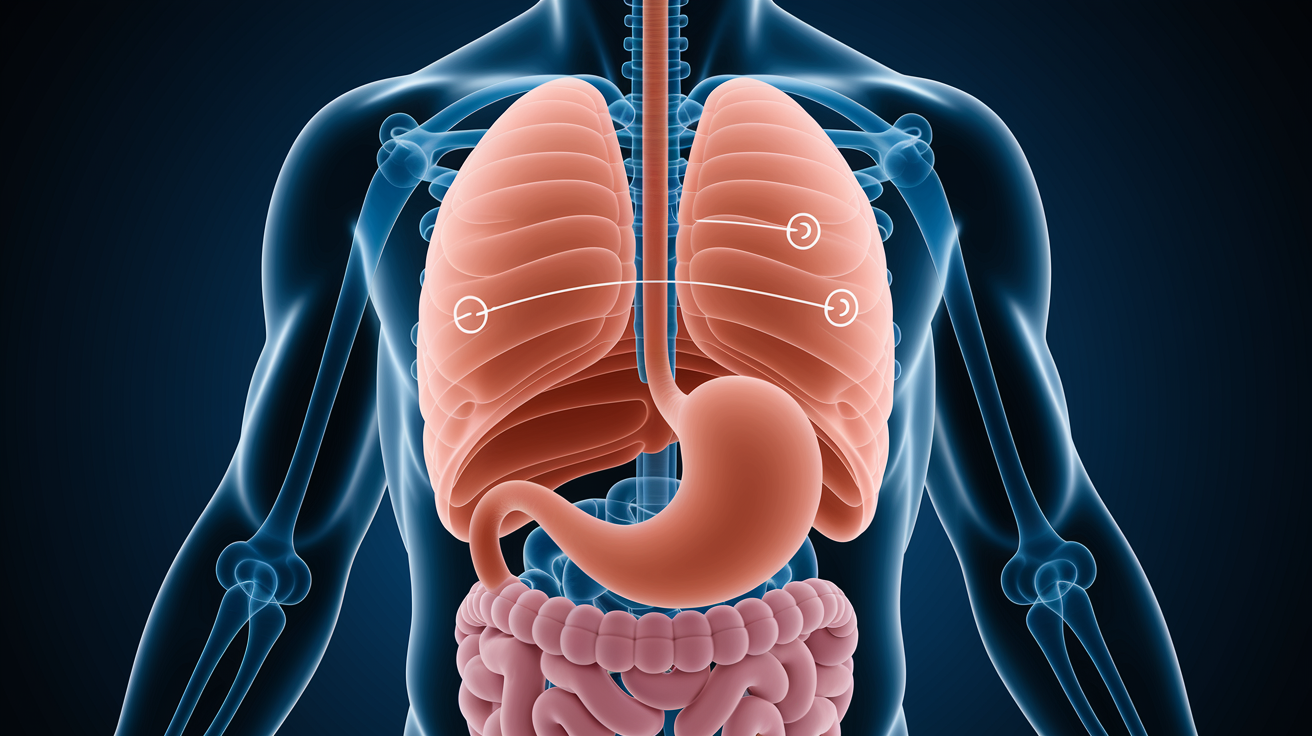
When you eat, your stomach stretches to make room for the volume of food and liquid you just took in. That expansion pushes the entire organ upward against the diaphragm, the dome shaped muscle sitting at the base of your lungs that powers every breath. The bigger the meal, the more your diaphragm gets squeezed from below. Less room means your lungs can’t fill with air the way they normally would. People often notice this within minutes to two hours after eating, especially if they ate quickly, chose high fat foods that slow gastric emptying, or wore tight belts or waistbands that increase abdominal pressure. Sitting upright helps the stomach settle lower in your abdomen and reduces the upward push. Lying flat does the opposite, allowing the full weight of stomach contents to press directly on the diaphragm.
Bloating makes the problem worse. Gas production during digestion, swallowed air, or fermentation of certain carbohydrates can distend the stomach and intestines even further. The combination of solid food, liquid, and trapped gas creates a balloon effect that compresses everything above it. For most people, this produces mild discomfort or a sense of fullness. For those with underlying lung disease, obesity, or poor diaphragm strength, the breathing difficulty can feel more pronounced.
| Digestive Factor | How It Affects Breathing |
|---|---|
| Large meal volume | Stomach expansion pushes diaphragm upward, reducing lung space and tidal volume |
| High fat foods | Slow gastric emptying keeps stomach distended longer, prolonged pressure on diaphragm |
| Gas and bloating | Additional abdominal distension further compresses diaphragm and restricts breathing depth |
| Tight clothing or belts | Increases intra-abdominal pressure, worsening upward displacement of stomach and diaphragm |
| Lying down soon after eating | Allows gravity to shift stomach contents toward chest, maximizing diaphragm compression and reflux risk |
GERD, Acid Reflux, and Heartburn as Causes of Shortness of Breath

GERD does more than cause that familiar burning sensation in your chest. When stomach acid backs up into the esophagus, it can reach high enough to irritate your throat and vocal cords or even enter the airways in tiny droplets, a process called microaspiration. Those acid droplets inflame the delicate lining of the bronchi, triggering cough, wheeze, and a tight feeling in your chest. Some people never feel classic heartburn but still develop respiratory symptoms hours after eating acidic or fatty foods.
The second pathway is a nerve reflex. The vagus nerve runs alongside your esophagus and connects directly to the airways. When acid irritates the esophageal lining, the vagus nerve can send signals that cause the bronchial muscles to tighten, narrowing the airways even without any acid physically reaching the lungs. This reflex bronchoconstriction can happen quickly and feels like sudden breathlessness, wheezing, or chest tightness. People with asthma are especially vulnerable because their airways are already prone to spasm.
Timing and relief strategies help confirm GERD as the source. Symptoms often show up within two hours of eating and worsen when you lie down. Sitting upright for two to three hours after meals and elevating the head of your bed by six to eight inches reduces nighttime reflux and gives gravity a chance to keep acid in the stomach. Antacids work within minutes to neutralize existing acid. H2 blockers like famotidine take 30 to 60 minutes to reduce acid production. Proton pump inhibitors such as omeprazole require several days of daily use to reach full effect but provide longer lasting control. If you notice a pattern of post-meal breathing trouble that improves with upright posture and antacid use, reflux is a likely contributor.
Food Allergies, Intolerances, and Anaphylaxis That Can Trigger Breathing Problems

Food allergies are immune reactions that can produce symptoms anywhere from minutes to two hours after you swallow the trigger. About 6 percent of people in the United States have a confirmed food allergy. The most common culprits are peanuts, tree nuts, shellfish, fish, milk, eggs, wheat, and soy. When your immune system mistakes a food protein for a threat, it releases histamine and other chemicals that cause swelling, hives, and airway constriction. Mild allergic reactions might produce a scratchy throat or a few hives. Moderate reactions can cause wheezing and chest tightness. Severe reactions progress to anaphylaxis.
Anaphylaxis is a medical emergency. Throat tightness and difficulty swallowing appear quickly, often accompanied by facial, lip, or tongue swelling. Breathing becomes labored. You may hear wheezing or stridor, a high pitched sound on inhalation. Widespread hives, rapid heart rate, dizziness, and fainting follow as blood pressure drops. Without treatment, anaphylaxis can lead to complete airway closure or cardiovascular collapse. If you or someone near you shows these signs, use an epinephrine auto-injector immediately. The standard adult dose is 0.3 milligrams intramuscular. For children weighing 15 to 30 kilograms, the dose is 0.15 milligrams. Call emergency services right after the injection. Epinephrine buys time, but further medical care is essential.
Five major types of food triggered breathing issues to recognize:
Immediate IgE mediated allergy: rapid onset wheeze, hives, and possible anaphylaxis within minutes to two hours
Oral allergy syndrome: mild throat itching and swelling from cross reactive pollen proteins in raw fruits or vegetables. Rarely causes severe breathing problems.
Food dependent exercise induced anaphylaxis: symptoms appear only when you eat the trigger food and then exercise within a few hours
Non-IgE food intolerances: lactose or gluten sensitivity causing bloating and abdominal distension, which can compress the diaphragm but don’t cause immune mediated airway swelling
Aspiration during allergic reactions: coughing and throat tightness can lead to inhaling food particles, compounding respiratory distress
Aspiration, Swallowing Difficulties, and Airway Irritation After Eating
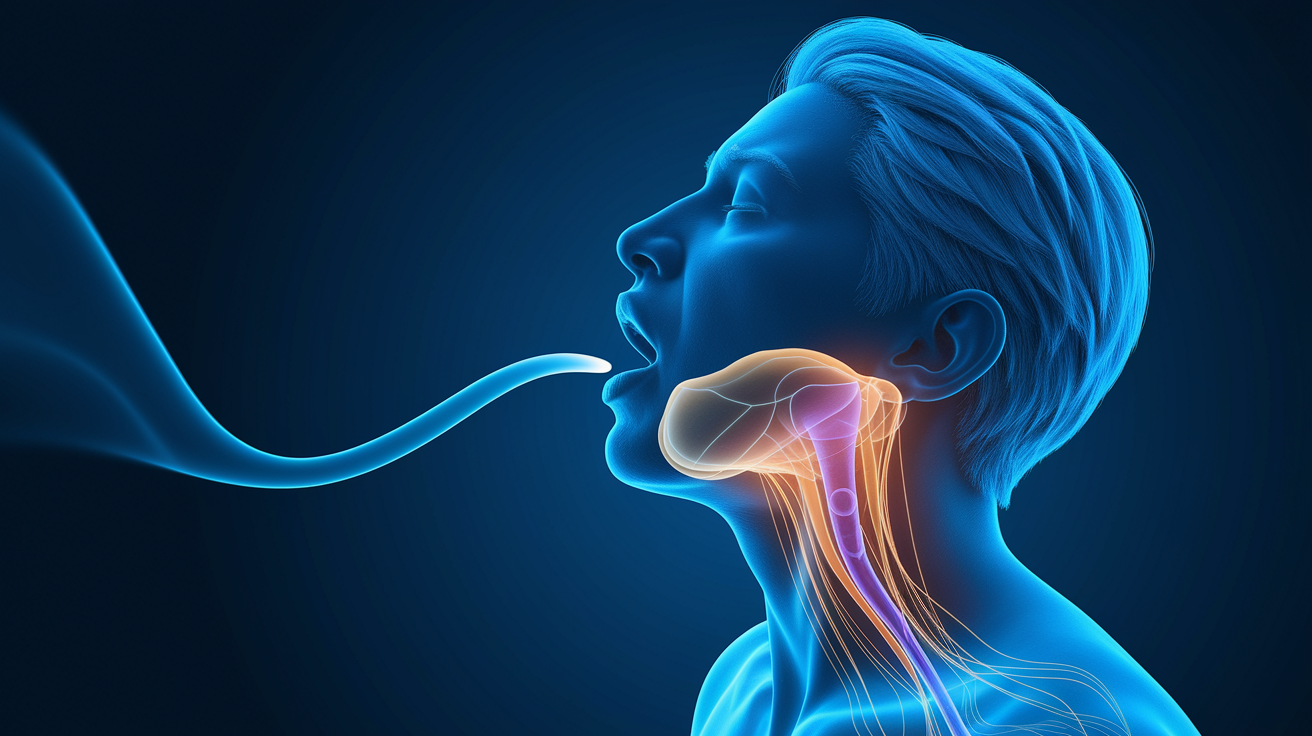
Aspiration happens when food, liquid, or saliva enters the airway instead of the esophagus. A small particle can trigger immediate coughing and a brief feeling of breathlessness as your body works to expel it. Most of the time, a few strong coughs clear the airway and the episode resolves. But if you have dysphagia, or difficulty swallowing, particles can slip past your vocal cords repeatedly, especially with thin liquids or foods that require careful chewing. Over time, this sets the stage for aspiration pneumonia, a lung infection caused by bacteria carried in on food or saliva.
Aspiration pneumonia develops when the lungs can’t clear the aspirated material and an infection takes hold. You may notice shortness of breath that worsens over days, a productive cough with green, yellow, or even bloody phlegm, foul smelling breath, chest pain, and excessive sweating. People with neurological conditions, stroke history, or advanced age are at higher risk because their swallowing reflexes may be impaired. COPD patients face a double challenge. Their baseline lung function is already reduced, so even a modest meal can leave them breathless as digestion and breathing compete for oxygen and energy. The American Lung Association recommends that people with COPD eat smaller, more frequent meals, rest before eating, and avoid large meals late in the day to reduce this strain.
Heart and Lung Conditions That Can Make Breathing Harder After Eating

Digestion isn’t a passive process. Your body redirects blood flow to the stomach and intestines to support the breakdown and absorption of nutrients, and your metabolic rate ticks upward. For someone with coronary artery disease, that increased demand can tip the balance. The heart muscle may not receive enough oxygenated blood to keep up, triggering postprandial angina, chest pain or pressure that appears during or shortly after a meal. The breathlessness that comes with it is the heart’s way of signaling distress. This pattern is more common after large, heavy meals and can be mistaken for indigestion until other cardiac symptoms appear.
Heart failure introduces a different mechanism. Fluid that’s pooled in the legs during the day can shift back into the bloodstream when you sit or lie down after eating. If the heart is already struggling to pump effectively, that extra volume can overwhelm it, causing fluid to back up into the lungs and producing sudden shortness of breath. This is why people with heart failure often feel worse at night or after reclining following a meal. Elevated blood pressure, swelling in the ankles and feet, and a chronic cough that worsens when lying flat are warning signs that the heart may be involved.
Chronic lung diseases like COPD reduce your breathing reserve. Every breath requires more effort, and the diaphragm and accessory muscles are already working near their limit. When digestion demands additional oxygen and energy, there’s less capacity left over. Even a moderate meal can leave someone with severe COPD feeling winded and fatigued. Pulmonary embolism is a less common but critical cause. A clot that travels to the lungs usually produces sudden, severe breathlessness, but smaller emboli can present more subtly, especially if symptoms coincide with the stress of eating or moving around after a meal.
Symptoms and Warning Signs That Should Never Be Ignored
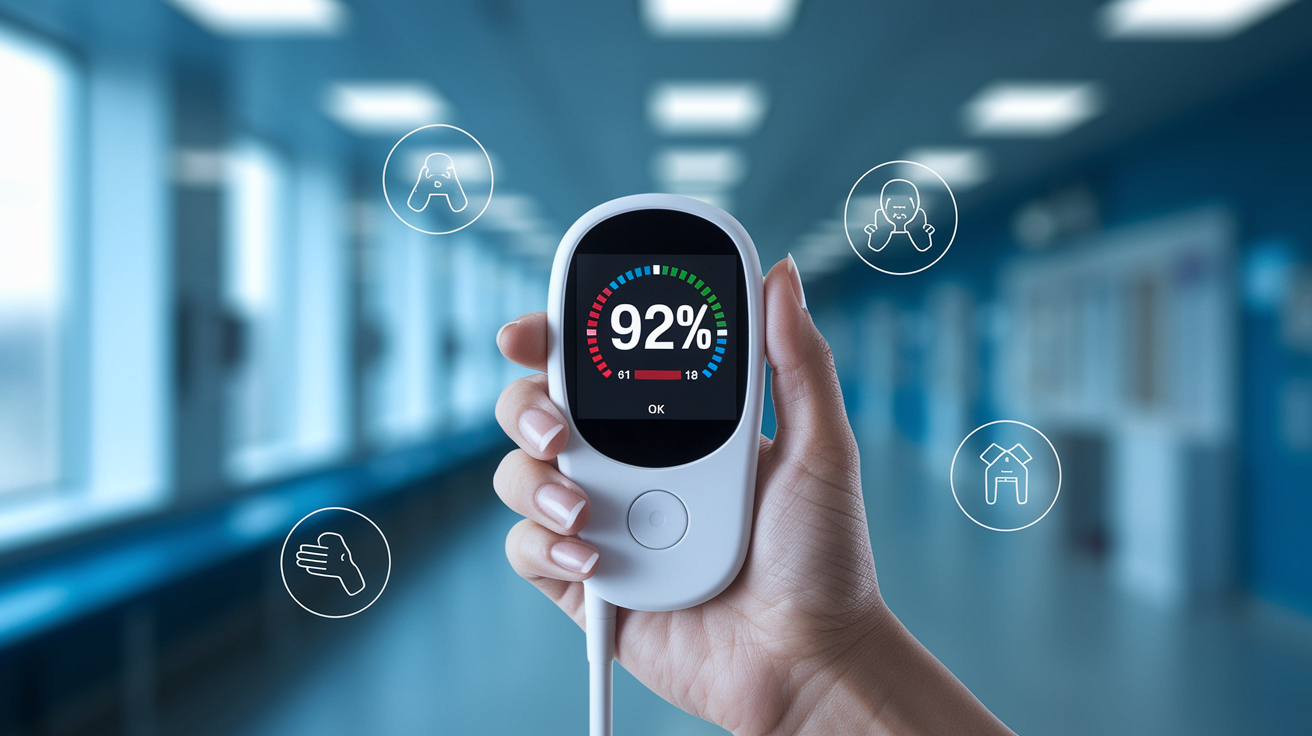
Some patterns of breathlessness after eating require immediate medical evaluation. Pulse oximetry readings below 92 percent indicate that your blood oxygen level has dropped into a concerning range. Cyanosis, a blue tint to the lips, fingernails, or skin, means oxygen delivery is critically low. Throat tightness, especially when it comes on rapidly and is accompanied by swelling of the face, lips, or tongue, signals possible anaphylaxis. Fainting or near fainting, also called syncope, suggests a drop in blood pressure or a cardiac arrhythmia that needs urgent assessment.
Red flag symptoms that should prompt you to seek emergency care:
Severe chest pain or pressure, especially if it radiates to the jaw, shoulder, or arm
Rapid worsening of breathlessness within minutes, particularly with throat swelling or widespread hives
Oxygen saturation below 92 percent on a pulse oximeter
Blue discoloration of the lips, face, or fingernails
Sudden collapse, loss of consciousness, or inability to speak in full sentences
Vomiting blood or black, tarry stools, which can indicate upper gastrointestinal bleeding
Progressive difficulty swallowing solid foods or liquids, combined with unintentional weight loss
What You Can Do Immediately If You Feel Breathless After Eating

The first step is to sit upright. Gravity helps settle your stomach lower in the abdomen and reduces upward pressure on the diaphragm. Don’t lie down for at least two to three hours after eating, especially if you suspect reflux or overeating. Sip water slowly. Small amounts of water can help clear the throat and esophagus without adding significant volume to the stomach. If you think you may have inhaled a food particle, cough firmly to try to expel it. Most small aspirations resolve with a few strong coughs.
For suspected reflux, an over the counter antacid can bring relief within minutes by neutralizing stomach acid. If you have a history of asthma or reactive airways and you hear yourself wheezing, use your prescribed short acting bronchodilator inhaler. If you recognize signs of anaphylaxis, use your epinephrine auto-injector immediately and call emergency services. Don’t wait to see if symptoms improve on their own.
| Situation | Immediate Action |
|---|---|
| Suspected aspiration of food | Cough firmly, sit upright, avoid drinking large amounts of liquid until breathing normalizes |
| Reflux related breathlessness | Sit upright, take antacid if available, avoid further acidic or caffeinated food or drink |
| Wheezing or chest tightness | Use prescribed bronchodilator inhaler, sit upright, monitor for worsening symptoms |
| Signs of anaphylaxis (throat swelling, hives, dizziness) | Inject epinephrine auto-injector (0.3 mg adult, 0.15 mg child 15 to 30 kg), call emergency services immediately |
| Severe chest pain or fainting | Call emergency services, sit or lie in a comfortable position, do not eat or drink until evaluated |
| Oxygen saturation below 92% or blue lips | Call emergency services, remain calm and still, avoid exertion until help arrives |
Diagnostic Tests Used to Identify the Cause of Post-Meal Breathlessness

When you see a clinician for recurrent or severe post-meal breathing trouble, the evaluation starts with vital signs and a focused physical exam. Pulse oximetry measures your blood oxygen saturation. Levels below 92 percent at rest raise concern for lung disease, aspiration, or cardiac dysfunction. A respiratory exam listens for wheezing, crackles, or decreased breath sounds. A cardiac exam checks for irregular rhythms, extra heart sounds, or signs of fluid overload like swollen ankles and elevated neck veins.
An electrocardiogram, or ECG, records the heart’s electrical activity and can reveal ischemia, arrhythmias, or prior heart damage. If a heart attack is suspected, blood tests for cardiac biomarkers such as troponin are drawn at presentation and repeated at three hours, following standard protocols to detect rising levels that indicate muscle injury. A chest X-ray provides a snapshot of the lungs and heart, showing infiltrates from pneumonia, fluid in the lungs from heart failure, or an enlarged cardiac silhouette. Spirometry measures how much air you can move in and out of your lungs and how quickly, helping diagnose asthma or COPD. A bronchodilator trial during spirometry can confirm reversible airway obstruction.
For suspected GERD, upper endoscopy allows direct visualization of the esophagus and stomach lining, identifying inflammation, ulcers, or a hiatal hernia. Esophageal pH monitoring tracks acid exposure over 24 hours, confirming reflux even when symptoms are atypical. Esophageal manometry assesses the muscle contractions that move food through the esophagus and can detect motility disorders. Allergy testing includes skin prick tests or blood tests for food specific IgE antibodies, pinpointing which foods trigger immune reactions. If aspiration is suspected, a videofluoroscopic swallow study observes your swallowing mechanism in real time under X-ray, revealing whether food or liquid is entering the airway. An ENT evaluation may follow to assess vocal cord function and rule out structural problems in the throat.
Treatment Options and Long-Term Symptom Management

Treatment depends entirely on the underlying cause. For GERD, antacids provide quick symptom relief, H2 receptor blockers like famotidine reduce acid production within 30 to 60 minutes, and proton pump inhibitors such as omeprazole or esomeprazole deliver sustained acid suppression over days to weeks. People with confirmed food allergies must strictly avoid trigger foods and carry an epinephrine auto-injector at all times. Newer therapies include injectable omalizumab, which reduces the severity of accidental allergic reactions, and Palforzia, an oral immunotherapy approved for peanut allergy in children.
Aspiration pneumonia requires antibiotics chosen based on the suspected bacteria and the severity of infection. For people with ongoing aspiration risk, swallowing therapy with a speech language pathologist can teach safer eating techniques and posture adjustments. Large hiatal or paraesophageal hernias that cause persistent symptoms may require surgical repair to reposition the stomach and prevent further reflux or diaphragm compression. Cardiac causes demand management of the underlying heart disease, whether that means medications to improve heart function, procedures to open blocked arteries, or careful monitoring of fluid balance in heart failure.
Four major categories of treatment for post-meal breathlessness:
Acid suppression and reflux management: antacids, H2 blockers, PPIs, positional strategies, dietary modification
Allergy and anaphylaxis interventions: strict allergen avoidance, epinephrine auto-injectors, antihistamines for mild reactions, biologic therapies for high risk patients
Respiratory support: inhaled bronchodilators for asthma or COPD, antibiotics for aspiration pneumonia, supplemental oxygen if needed
Cardiac and structural treatments: medications for heart failure or ischemia, surgical repair of large hernias, cardiac catheterization or revascularization for coronary disease
Daily Habits, Eating Strategies, and Preventive Tips
Preventing post-meal breathlessness starts with how and when you eat. Smaller, more frequent meals reduce the peak volume in your stomach at any one time, lowering diaphragm pressure and acid reflux risk. Eat slowly and chew thoroughly. Rushing through a meal increases the amount of swallowed air and reduces the time your stomach has to signal fullness, leading to overeating. Don’t eat large meals or any food within two to three hours of bedtime. Late night eating allows gravity to work against you once you lie down, increasing reflux and diaphragm compression.
Identify and eliminate personal trigger foods. Common reflux triggers include spicy dishes, citrus, tomato based sauces, chocolate, caffeine, and alcohol. High fat and fried foods slow gastric emptying and prolong bloating. If you have COPD, the American Lung Association recommends keeping a food diary to spot patterns, avoiding fluids for one hour before meals to prevent early fullness, staying hydrated throughout the rest of the day, and resting before you sit down to eat. Elevate the head of your bed by six to eight inches using blocks under the bedposts or a wedge pillow. This reduces nighttime reflux without the neck strain that extra pillows can cause. Loosen tight belts, waistbands, and shapewear that increase abdominal pressure.
Daily preventive steps to reduce post-meal breathing trouble:
Eat smaller, more frequent meals rather than two or three large ones
Chew slowly and stop eating when comfortably satisfied, not stuffed
Stay upright for at least two to three hours after eating. Avoid lying flat or bending over.
Eliminate known trigger foods and keep a meal and symptom diary to identify new patterns
Maintain a moderate weight. Even modest weight loss can significantly reduce reflux and diaphragm pressure.
Elevate the head of your bed six to eight inches to prevent nighttime reflux and aspiration
How to Decide Between Routine and Urgent Medical Care
Deciding when to seek care comes down to severity, speed of onset, and whether symptoms are new or worsening. Severe breathlessness that comes on suddenly, especially with chest pain, fainting, throat swelling, or oxygen saturation below 92 percent, requires emergency evaluation. If you notice a pattern of post-meal breathlessness that’s mild, happens occasionally, and resolves with simple measures like sitting upright or using an antacid, schedule a routine appointment with your primary care clinician to explore the cause and start appropriate treatment. Recurrent episodes that are getting more frequent or more intense, progressive difficulty swallowing, unintentional weight loss, or a persistent cough and hoarseness that doesn’t improve with reflux treatment all warrant prompt outpatient evaluation and likely referral to a specialist such as a gastroenterologist, allergist, pulmonologist, or cardiologist.
Final Words
If you feel shortness of breath after a meal, note when it started, what you ate, and whether you have chest pain, wheeze, or throat swelling.
Often the causes are nonserious—reflux, overeating, allergies, or diaphragm pressure—but serious issues like anaphylaxis or heart trouble can look similar.
Try smaller meals, sit upright after eating, avoid trigger foods, and track episodes.
If symptoms are frequent or severe, see a clinician. With simple changes and the right care, shortness of breath after eating often improves and you can feel more confident at mealtimes.
FAQ
Q: Why do I feel so short of breath after I eat?
A: Feeling short of breath after eating is often caused by overeating or bloating pushing the diaphragm, acid reflux, food allergy reactions, or less commonly heart or lung problems. Track timing, severity, and related symptoms.
Q: Does GERD or other digestive issues cause shortness of breath?
A: GERD and other digestive issues can cause shortness of breath through reflux-related airway irritation, vagal reflex bronchospasm, or diaphragm compression from bloating. Antacids may help, but persistent symptoms need medical evaluation.
Q: How do you know if shortness of breath is heart or lungs?
A: You can tell heart versus lung causes by related signs. Chest pain, pressure, sweating, exertional onset, or ECG/troponin changes suggest a heart problem. Wheeze, cough, sputum, low oxygen, or abnormal spirometry suggest lung causes.