
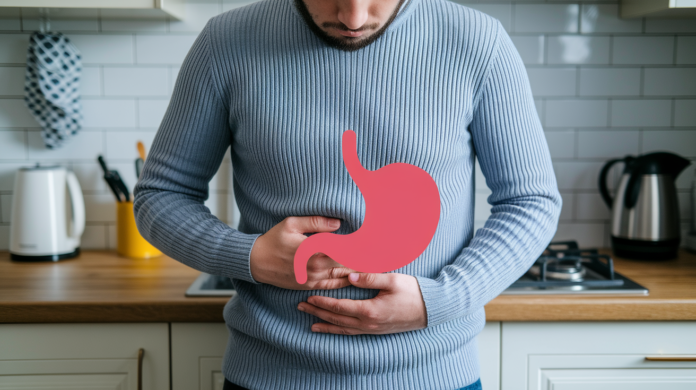
Is that burning in your stomach just heartburn, or a sign something more serious?
Most often it comes from stomach acid irritating the lining, from reflux, gastritis (inflammation of the stomach lining), peptic ulcers, certain medicines, or food and lifestyle triggers.
I’ll walk you through the common triggers, the less common causes, clear red flags to watch for, what to track, and simple steps you can try at home.
By the end you’ll know when to treat it yourself and when to see a clinician.
Key Causes Behind a Burning Sensation in the Stomach
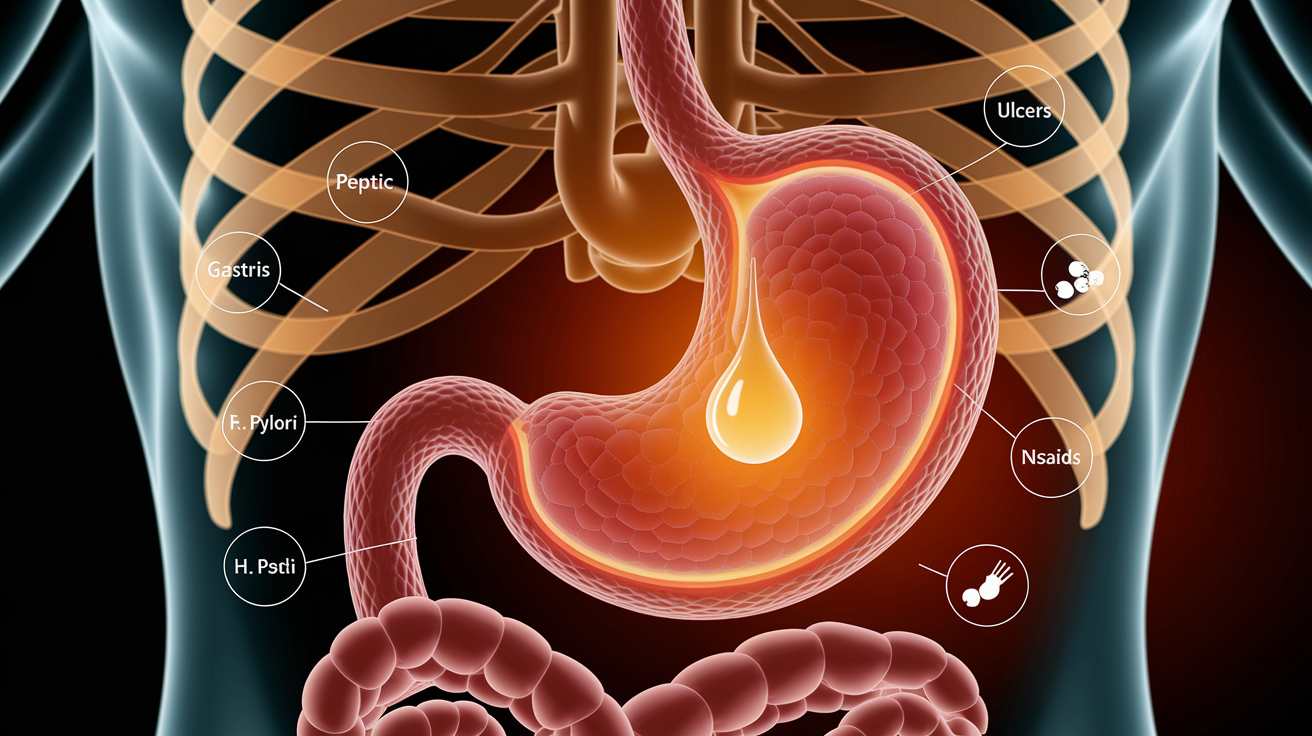
A burning sensation in your stomach usually comes from acid irritation, inflammation, or damage to the protective lining. When stomach acid contacts exposed or inflamed tissue, you’ll feel burning, gnawing, or stinging pain in your upper abdomen or just below your breastbone. This can happen when acid splashes up from the stomach, when the stomach lining thins or erodes, or when open sores form in your digestive tract.
The most common medical causes are acid reflux, which sends stomach acid into the esophagus, and GERD, the chronic version of reflux. Gastritis refers to inflammation or erosion of the stomach lining itself. Peptic ulcers are actual holes or sores in the stomach or upper small intestine. Indigestion, also called dyspepsia, describes a broader category of upper abdominal discomfort that may not have a clear structural cause.
While many episodes are temporary and related to food or stress, persistent or severe burning can signal something more serious. H. pylori infection, a bacterial cause that affects roughly half the world’s population, is responsible for many chronic cases of gastritis and ulcers. Certain medications, especially NSAIDs taken regularly, directly damage the stomach lining. Red flags like vomiting blood, black stools, sudden severe pain, or unexplained weight loss require urgent evaluation.
The six primary causes of stomach burning include:
- Acid reflux and GERD: stomach acid flows back into the esophagus, causing heartburn and upper stomach burning.
- Gastritis: inflammation or irritation of the stomach lining, often from infection or medication.
- Peptic ulcer disease: open sores in the stomach or duodenum, causing localized burning pain.
- H. pylori infection: a bacterial infection that triggers chronic inflammation and raises ulcer risk.
- Medication-induced injury: regular use of NSAIDs, aspirin, or certain other drugs that erode protective mucus.
- Food-related triggers: spicy, fatty, or acidic foods that increase acid production or irritate sensitive tissue.
How Acid Reflux and GERD Trigger Stomach Burning
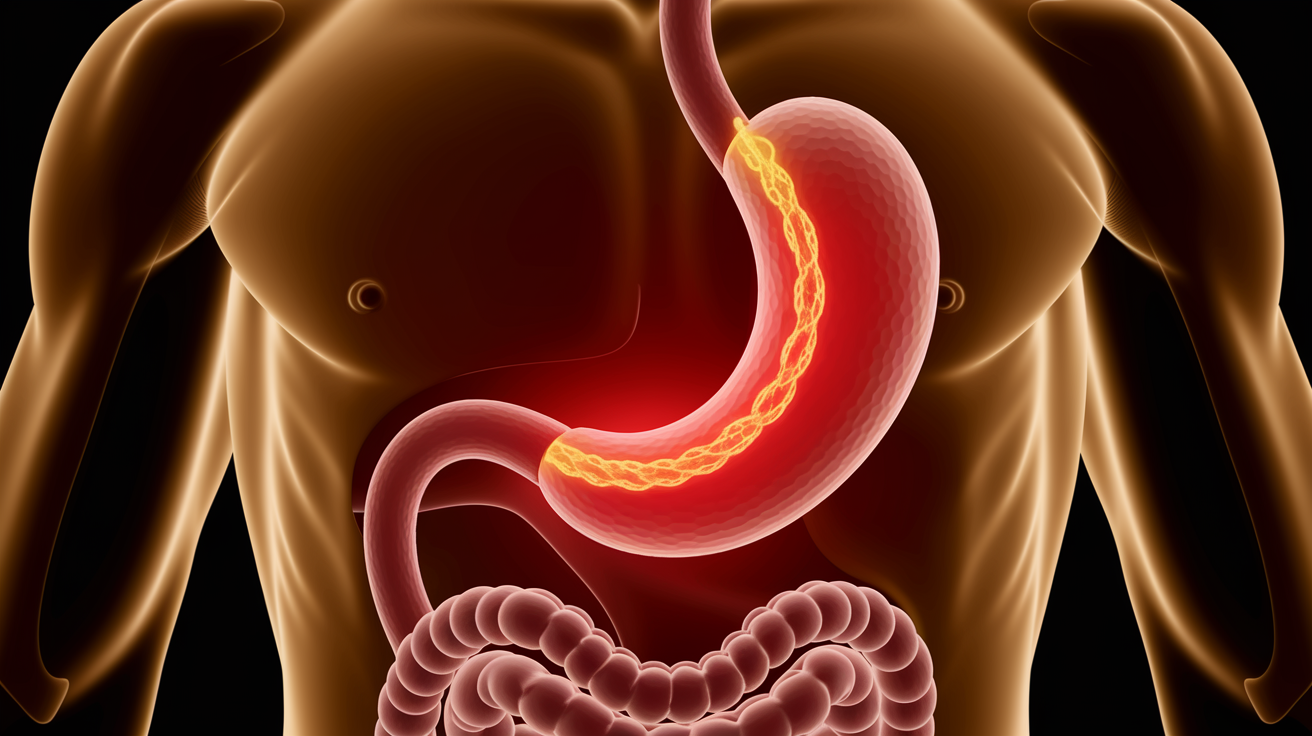
Acid reflux happens when the ring of muscle at the bottom of your esophagus, called the lower esophageal sphincter, relaxes when it shouldn’t. Stomach acid and partly digested food wash back up into the esophagus. This causes a burning sensation behind your breastbone and sometimes in your upper stomach. When this happens more than once or twice a week, it’s called GERD, which affects about 10 to 20 percent of adults weekly.
Reflux symptoms often get worse after large meals, when lying down within two to three hours of eating, or when bending forward. You might feel a sour or bitter taste in your mouth, notice hoarseness in your voice, or develop a chronic cough. Some people describe it like food is stuck in the throat. If left untreated over years, GERD can erode the esophageal lining and lead to complications like Barrett’s esophagus or strictures.
Key GERD Features
Burning from GERD tends to flare when you eat trigger foods like tomatoes, citrus, chocolate, peppermint, or caffeine. Fatty and fried foods slow stomach emptying, leaving more time for acid to reflux. Lying down or going to bed soon after a meal allows gravity to stop working in your favor.
Many people find relief by eating smaller portions, avoiding food for two to three hours before lying down, and elevating the head of the bed six to eight inches. These simple changes reduce the chance that acid will climb back into your esophagus at night.
Gastritis and Stomach Lining Inflammation as a Cause of Burning
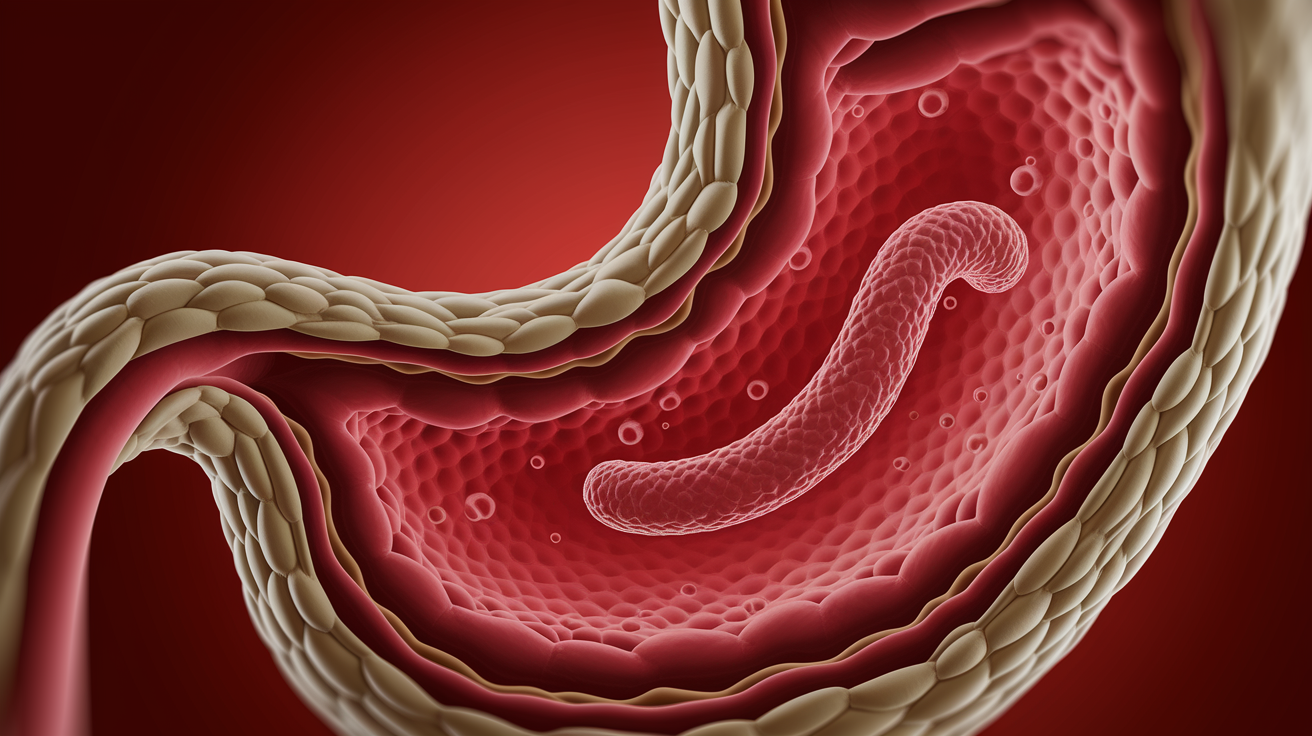
Gastritis means your stomach’s protective mucous lining is inflamed, irritated, or starting to erode. When that barrier thins, stomach acid comes into direct contact with the underlying tissue, creating a burning or gnawing ache in your upper abdomen. You might also feel nausea, bloating, or a sense of fullness after only a few bites.
The two most common causes are H. pylori infection and regular use of NSAIDs like ibuprofen or naproxen. H. pylori is a spiral-shaped bacterium that burrows into the stomach lining and triggers chronic inflammation. NSAIDs block enzymes that protect the stomach’s mucous coat, leaving the lining vulnerable to acid damage. Alcohol binges, severe stress, and autoimmune conditions can also spark gastritis.
Unlike reflux, which usually burns behind the breastbone, gastritis pain sits higher in the abdomen, just below the sternum. The pain may worsen right after eating, especially with spicy or acidic foods. Severe cases can cause vomiting blood, black or tarry stools, or dizziness from internal bleeding.
Common triggers for gastritis include:
- Regular NSAID use: even low-dose aspirin taken daily for heart protection.
- Heavy alcohol consumption: irritates and inflames the stomach lining directly.
- H. pylori infection: spreads through contaminated food, water, or close contact.
- Chronic stress or major illness: reduces blood flow to the stomach and weakens the mucous barrier.
Peptic Ulcers and Their Role in Stomach Burning
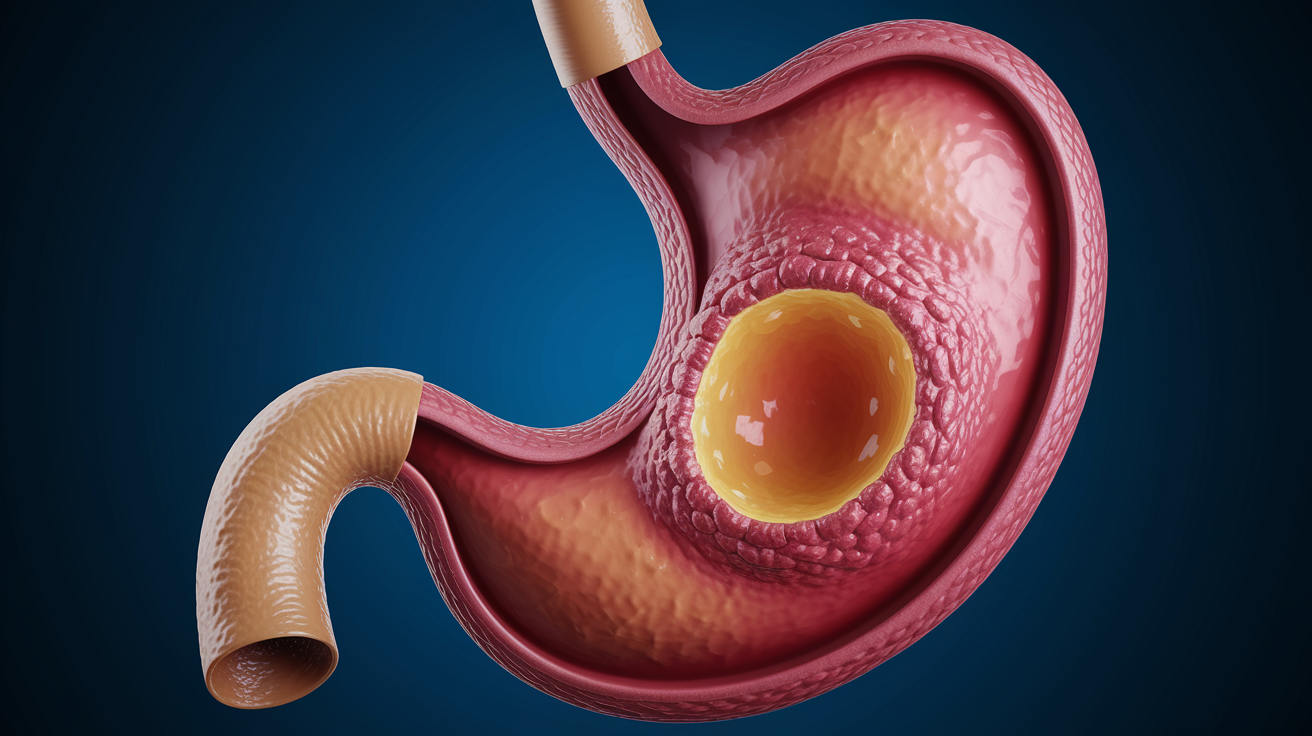
Peptic ulcers are open sores that form on the inside lining of your stomach or the upper part of your small intestine, called the duodenum. When stomach acid hits these raw spots, you’ll feel a sharp, burning, or gnawing pain in your upper abdomen. The pain can come and go, and how it responds to food depends on where the ulcer sits.
Duodenal ulcers often feel better temporarily when you eat, because food buffers the acid. Gastric ulcers, which sit in the stomach itself, may hurt more right after a meal. Both types can cause nausea, bloating, and a feeling of fullness. If an ulcer bleeds, you may vomit blood that looks like coffee grounds or pass black, tarry stools.
H. pylori infection and long-term NSAID use are responsible for most peptic ulcers. The combination of NSAIDs with steroids, blood thinners, or certain antidepressants raises the risk even further. Untreated ulcers can perforate the stomach wall or cause severe bleeding, both of which are medical emergencies. Lifetime prevalence of symptomatic peptic ulcer disease is roughly 5 to 10 percent.
Foods, Habits, and Lifestyle Triggers That Cause Stomach Burning
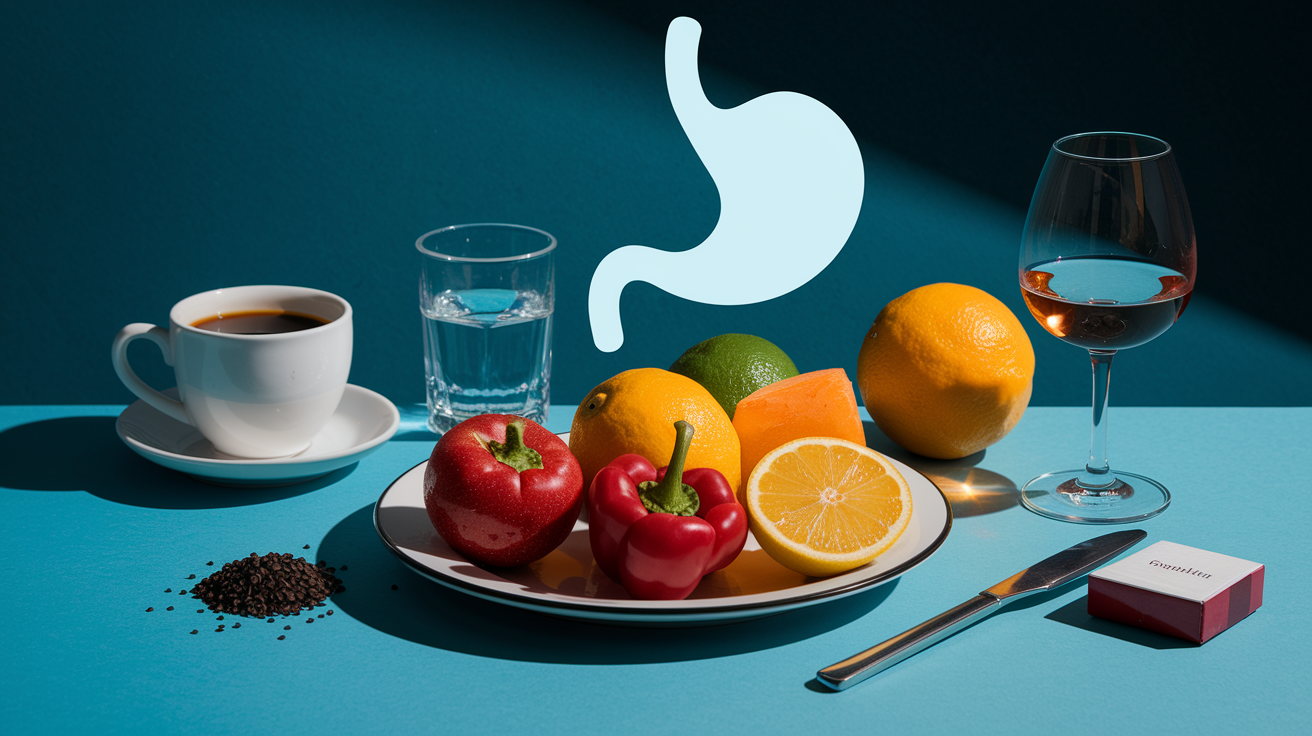
What you eat and when you eat it can directly trigger or worsen stomach burning. Spicy foods increase acid secretion and irritate inflamed tissue. Fatty and fried foods slow digestion, giving acid more time to reflux. Citrus fruits, tomatoes, and vinegar are highly acidic and can sting a sensitive stomach lining.
Caffeine from coffee and tea relaxes the lower esophageal sphincter and boosts acid production. Alcohol does the same and also damages the stomach’s protective mucous layer. Smoking weakens the sphincter, reduces saliva production, and slows healing. Eating large meals or lying down within two to three hours of eating allows gravity to work against you.
The most common food and lifestyle triggers include:
- Spicy dishes with hot peppers or heavy seasoning.
- Fried and fatty foods like french fries, burgers, or creamy sauces.
- Citrus fruits and juices, including orange, grapefruit, and lemon.
- Tomato-based sauces and ketchup.
- Caffeine in coffee, tea, and energy drinks.
- Alcohol, especially on an empty stomach or in amounts exceeding two drinks per day for men and one for women.
- Smoking or using tobacco products.
- Late-night eating or snacking right before bed.
Diagnosing the Cause of a Burning Stomach

A clinician will start by asking about your symptoms, when they happen, what makes them better or worse, and whether you’ve noticed any red-flag signs like weight loss or bleeding. They’ll review your medication list, dietary habits, and history of alcohol or tobacco use. A physical exam checks for tenderness in your upper abdomen and other clues.
If your symptoms are mild and recent, your clinician may suggest a trial of acid-reducing medication for four to eight weeks. If burning improves, it points toward GERD or gastritis. If symptoms persist, recur more than twice a month, or come with alarm features, further testing is needed.
H. pylori testing is common when gastritis or ulcers are suspected. The stool antigen test and urea breath test are preferred because they’re accurate and noninvasive. Endoscopy uses a thin, flexible tube with a camera to look directly at your esophagus, stomach, and duodenum. It’s recommended for anyone over 55 with new symptoms, anyone with alarm signs, or anyone whose symptoms don’t respond to a four-to-eight-week course of treatment.
Common Diagnostic Tests
An upper endoscopy lets the clinician see inflammation, erosions, ulcers, or abnormal tissue and take biopsies if needed. A barium swallow is an X-ray study that tracks liquid as it moves through the digestive tract, highlighting strictures or blockages. pH monitoring measures acid levels in the esophagus over 24 hours to confirm reflux. Blood tests may check for anemia from chronic bleeding or antibodies to H. pylori, though stool and breath tests are more accurate.
Treatment Options for Burning in the Stomach

Treatment depends on the cause, but most plans combine medication with lifestyle changes. Antacids like calcium carbonate neutralize acid quickly and offer short-term relief, but they don’t heal underlying damage. H2 blockers such as famotidine reduce acid production and work well for mild to moderate symptoms, usually taken at 20 milligrams once or twice daily.
Proton pump inhibitors are stronger acid suppressors and are the standard for GERD, gastritis, and peptic ulcers. Omeprazole 20 milligrams once daily is a typical starting dose, usually continued for four to eight weeks. PPIs allow your stomach lining and esophagus to heal. If H. pylori is found, you’ll need a combination antibiotic regimen that runs 10 to 14 days, tailored to local resistance patterns.
Lifestyle changes amplify the effect of medication. Losing 5 to 10 percent of body weight if you’re overweight can significantly reduce reflux symptoms. Elevating the head of your bed six to eight inches keeps acid from climbing at night. Quitting smoking, limiting alcohol, and avoiding trigger foods all reduce irritation and give your stomach lining a chance to repair.
Treatment categories include:
- Over-the-counter antacids for immediate symptom relief.
- H2 receptor blockers like famotidine for short-term acid control.
- Proton pump inhibitors such as omeprazole or esomeprazole for healing and long-term management.
- Antibiotics and bismuth to eradicate H. pylori infection.
- Dietary adjustments to avoid spicy, fatty, acidic, and caffeinated foods.
- Medication review and substitution to stop or replace NSAIDs when possible.
Warning Signs and When to Seek Medical Care for Stomach Burning

Most stomach burning improves with dietary changes and over-the-counter medication within a week or two. But certain symptoms mean something more serious is happening and you need urgent evaluation. Vomiting blood or material that looks like coffee grounds signals active bleeding. Black, tarry, or bloody stools indicate bleeding higher in the digestive tract.
Sudden, severe abdominal pain that doesn’t let up can mean a perforation or another emergency. Difficulty swallowing or a feeling that food is stuck may point to a stricture or tumor. Fainting, near-fainting, or shortness of breath suggests significant blood loss or a cardiac event mimicking stomach pain. Unexplained weight loss of more than 5 percent of your body weight and persistent fever above 38 degrees Celsius also demand prompt attention.
Emergency symptoms that require immediate care include:
- Vomiting blood or coffee-ground material.
- Black, tarry, or visibly bloody stools.
- Severe, sudden abdominal pain that keeps getting worse.
- Trouble swallowing or breathing.
- Fainting, dizziness, or feeling lightheaded.
- Unexplained weight loss greater than 5 percent or fever above 38 degrees Celsius.
Quick Ways to Tell GERD, Gastritis, and Ulcers Apart
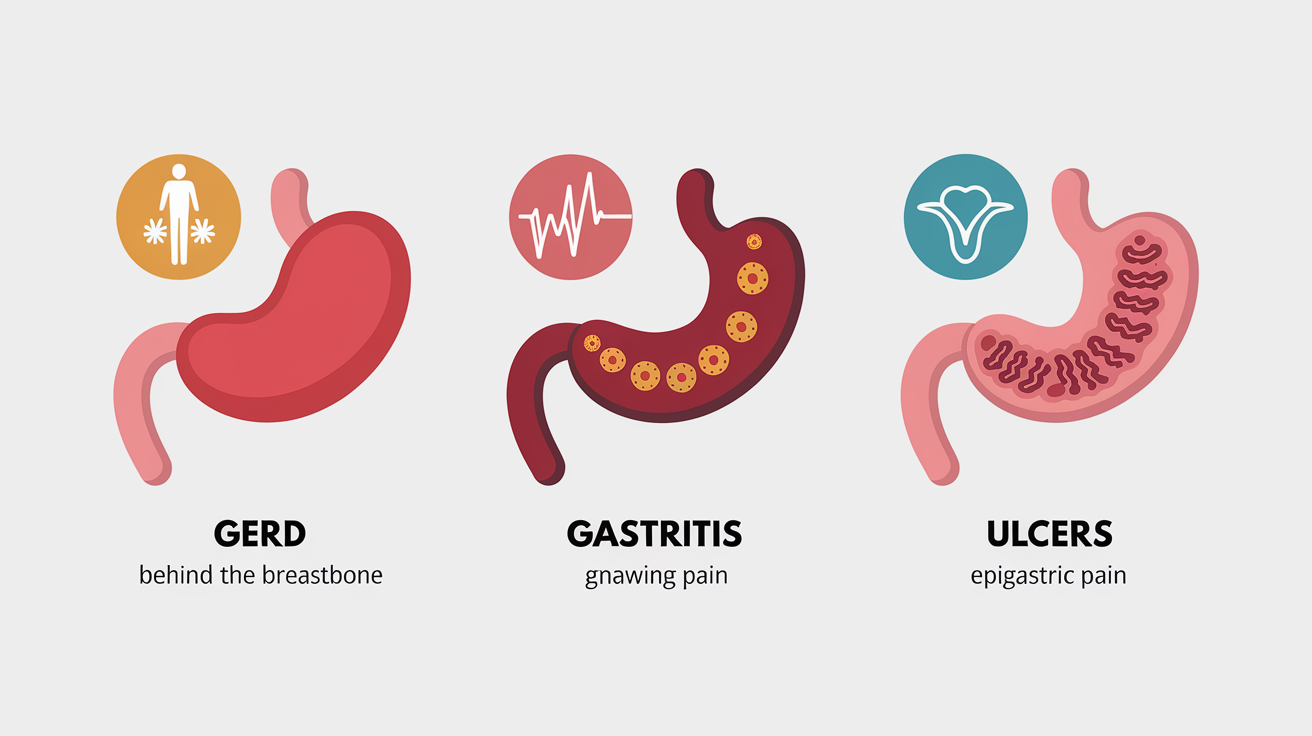
Burning in your stomach can come from several different conditions, and the pattern of pain and timing helps narrow down the cause. GERD typically burns behind the breastbone and gets worse after meals or when you lie down. Gastritis creates a gnawing ache in the upper abdomen, often with nausea and bloating, and may flare after certain foods or medications. Peptic ulcers cause localized pain that can improve or worsen with eating, depending on whether the ulcer is in the stomach or duodenum.
| Condition | Key Features | Typical Triggers |
|---|---|---|
| GERD | Burning behind breastbone, regurgitation, worse when lying down | Large meals, fatty foods, lying down within 2–3 hours of eating |
| Gastritis | Gnawing upper abdominal pain, nausea, bloating, early fullness | NSAIDs, alcohol, H. pylori infection, stress |
| Peptic Ulcer | Localized epigastric burning, pain may improve or worsen with food | H. pylori, NSAIDs, smoking, stress |
| Functional Dyspepsia | Chronic discomfort without structural cause, variable symptoms | Food sensitivities, stress, irregular eating habits |
Final Words
You learned quick reasons a burning stomach happens: acid irritation, inflammation, or mucosal injury. Common causes covered include GERD, gastritis, peptic ulcers, H. pylori, medications, and food or habit triggers.
We also reviewed how doctors check for the cause (tests and when to consider endoscopy) and clear warning signs to act on. Track when it starts, what makes it better or worse, and any related symptoms.
If you’re asking what causes burning sensation in stomach, use this checklist to guide your next steps and share it at your appointment. Small changes and timely care often help. There’s a clear path forward.
FAQ
Q: How do you stop your stomach from feeling like it’s burning?
A: To stop your stomach from feeling like it’s burning, try an antacid for quick relief, avoid lying down after meals, eat bland foods, cut caffeine and alcohol, and see a clinician if persistent.
Q: What does a burning stomach indicate?
A: A burning stomach indicates acid irritation or inflammation of the stomach lining; common causes are acid reflux (GERD), gastritis, peptic ulcers, H. pylori infection, NSAID use, or trigger foods.
Q: What should I eat if my stomach is burning?
A: If your stomach is burning, eat bland, low-fat items like plain rice, bananas, applesauce, toast, oatmeal, or plain yogurt; avoid spicy, fried, citrus, and caffeinated foods and drinks.
Q: What medicine is good for a burning stomach?
A: Medicines good for a burning stomach include antacids for rapid relief, H2 blockers for short-term symptom control, and proton pump inhibitors for longer therapy; see a clinician for the right choice.