
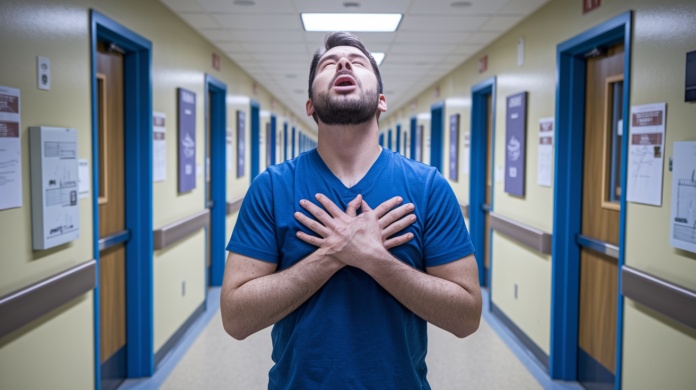
Shortness of breath isn’t always a lung problem—sometimes it’s your heart, anxiety, or a blood clot.
If breathing gets hard for no clear reason, that uncertainty is frightening and worth sorting out.
This guide cuts through the noise and explains the most common causes you should know: asthma, COPD (long-term lung damage), infections, heart issues, anxiety, allergic reactions, and clots.
You’ll learn quick clues to watch for, what to track, and when to get urgent care so you can act with confidence, not panic.
Immediate Breakdown of the Most Common Causes of Difficulty Breathing

Normal shortness of breath after a hard run or climbing several flights of stairs is expected. Your breathing rate goes up, you feel winded, and then within a couple of minutes you recover. That’s your body doing exactly what it should. But when breathlessness shows up suddenly without a clear trigger, lasts longer than it should, or comes with chest pain, swelling, or blue-tinted lips, something else is going on.
Sudden difficulty breathing can signal a range of problems. Respiratory infections like pneumonia build up mucus and inflame lung tissue. Anxiety and panic attacks can make you hyperventilate without realizing it. Heart rhythm issues, including atrial fibrillation or supraventricular tachycardia, sometimes make breathing feel impossible even when the lungs themselves are fine.
The most common causes include:
Asthma – Airways narrow, swell, and produce mucus, making it hard to move air in and out.
COPD – Chronic bronchitis and emphysema from years of smoking or other irritants damage lung tissue permanently.
Pneumonia – Infection fills air sacs with fluid and pus, reducing oxygen exchange.
Anxiety and panic attacks – Rapid, shallow breathing from stress or fear, often paired with chest tightness.
Heart failure or arrhythmias – Poor cardiac pumping or irregular rhythms reduce oxygen delivery.
Allergic reactions – Exposure to nuts, shellfish, or insect stings can trigger anaphylaxis, closing airways within minutes.
Pulmonary embolism – A blood clot blocks lung circulation, causing sudden chest pain and severe breathlessness.
Environmental triggers – Poor air quality, extreme temperature, humidity, or high altitude can make breathing harder temporarily.
Pay attention to timing. Gradual worsening over weeks may point to a chronic lung or heart issue. Sudden onset with chest pain, fainting, or blue skin is a medical emergency.
Respiratory System Causes Behind Difficulty Breathing

Your airways and lungs are designed to move oxygen into your bloodstream and carbon dioxide out with each breath. When something disrupts that process, breathing becomes harder.
Asthma happens when your airways overreact to triggers like pollen, cold air, exercise, or stress. The airway lining swells, muscles tighten around the tubes, and mucus clogs the passages. The result is wheezing, coughing, and a feeling that you can’t pull in enough air. Most asthma flare-ups ease within a couple of hours with a rescue inhaler, but some linger or worsen and need urgent care.
COPD is different. It involves permanent damage to the lungs, usually from smoking over many years. Chronic bronchitis causes long-term inflammation and mucus production. Emphysema destroys the tiny air sacs where oxygen is absorbed. Both make every breath feel like work, and the damage doesn’t reverse.
Pneumonia, bronchitis, and other respiratory infections cause inflammation and mucus buildup that blocks airflow. You may run a high fever, cough up yellow or green mucus, and feel worn out. Most infections improve as the body fights them off. If symptoms persist beyond a couple of weeks or you’re struggling to breathe at rest, call your doctor.
Key respiratory causes include:
Asthma flare-ups from allergens, exercise, or cold weather
COPD from smoking or long-term irritant exposure
Pneumonia or bronchitis causing mucus-filled airways and fever
Altitude sickness from rapid ascent to high elevation, usually resolving within one to two days
Poor air quality, extreme heat, or humidity making breathing harder temporarily
Cardiac-Related Reasons You May Struggle to Breathe
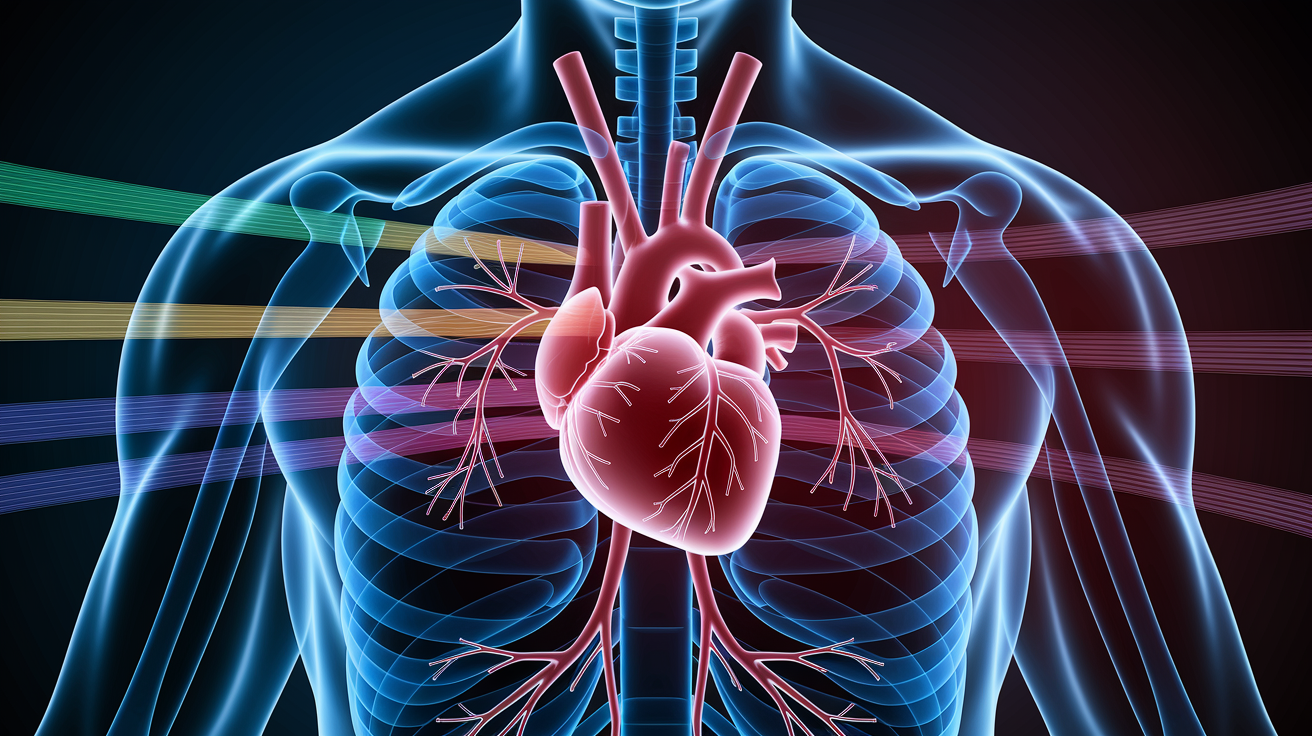
Your heart pumps oxygen-rich blood to every tissue in your body. When the heart weakens, beats irregularly, or can’t keep up with demand, breathlessness follows.
Heart failure doesn’t mean your heart has stopped. It means the pumping function is impaired, often from years of high blood pressure, a past heart attack, or valve problems. Fluid backs up into the lungs, making it feel like you’re breathing through a wet sponge. You may notice swelling in your ankles and feet, fatigue that doesn’t improve with rest, and shortness of breath that gets worse when you lie flat.
Arrhythmias are irregular or very fast heartbeats that reduce how much blood the heart can push out with each beat. Atrial fibrillation causes a rapid, chaotic rhythm. Supraventricular tachycardia creates a regular but very fast pulse. Both can leave you winded, dizzy, and uncomfortable.
Pulmonary embolism is a blood clot that travels to the lungs and blocks a major vessel. It causes sudden, sharp chest pain, rapid breathing, coughing up blood, and sometimes collapse. This is a life-threatening emergency requiring immediate hospital care.
Warning signs of cardiac-related breathlessness:
Chest pain lasting more than a few minutes or that comes and goes
Swelling in your ankles, legs, or abdomen
Shortness of breath that worsens when lying down and improves when sitting up
Dizziness, fainting, or a racing or fluttering heartbeat
Anxiety, Panic, and Stress-Triggered Breathing Difficulty
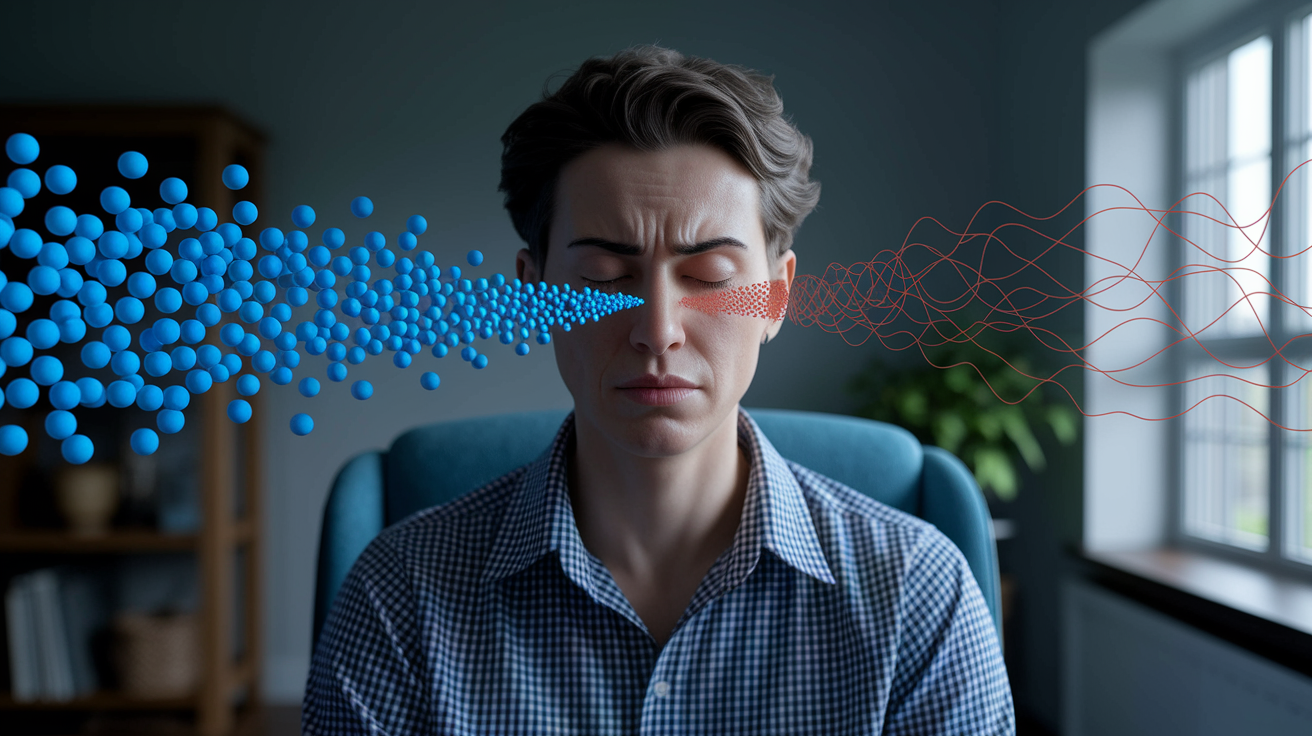
Anxiety and panic attacks can mimic serious medical problems so closely that many people end up in the emergency room convinced they’re having a heart attack. The symptoms are real. Your chest tightens, your heart races, and you start breathing faster and faster without meaning to.
Hyperventilation happens when you take rapid, shallow breaths, often without realizing it. You blow off too much carbon dioxide, which can make you feel dizzy, tingly in your fingers and lips, and even more short of breath. The cycle feeds on itself. You feel breathless, so you breathe faster, which makes the sensation worse.
If you’re certain the cause is anxiety and there are no other warning signs like chest pain, blue skin, or fainting, the immediate goal is to slow your breathing. Try inhaling slowly through your nose for a count of two, then exhaling gently through pursed lips for a count of four or more. Breathing into a paper bag is sometimes suggested, but only if you’re absolutely sure it’s hyperventilation from panic and not something else. If you have any doubt, get checked out.
Less Common but Serious Causes of Breathing Difficulty
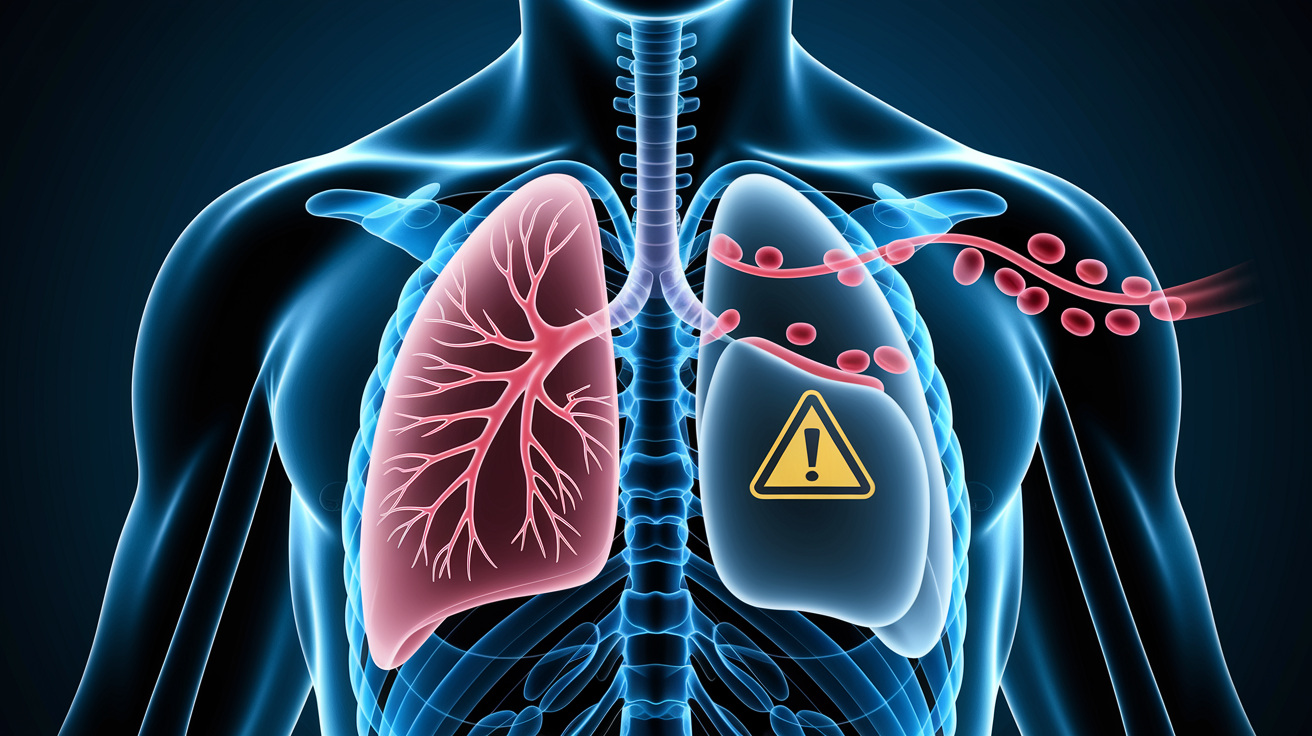
Some causes of breathlessness don’t show up often, but when they do, they require careful medical evaluation and long-term management.
Interstitial lung disease and pulmonary fibrosis involve scarring of the lung tissue itself. Over time, the lungs become stiff and can’t expand properly. You may notice a dry cough and progressive shortness of breath that builds over months or years.
Lung cancer can also cause breathlessness, especially if a tumor blocks an airway or fluid accumulates around the lung.
Anemia means you don’t have enough healthy red blood cells to carry oxygen around your body. You feel tired, weak, and short of breath even during light activity. Causes include low iron, vitamin deficiencies, chronic disease, or blood loss. Treatment may involve supplements, dietary changes, or in severe cases, blood transfusion.
Carbon monoxide poisoning is rare but deadly. This odorless gas from faulty heaters, generators, or car exhaust builds up in your blood and prevents oxygen from reaching your tissues. Symptoms include headache, dizziness, nausea, confusion, blurred vision, muscle weakness, and fainting. If you suspect carbon monoxide exposure, get to fresh air immediately and call 911.
| Cause | Typical Onset | Key Symptoms |
|---|---|---|
| Interstitial lung disease | Gradual, over months to years | Dry cough, progressive breathlessness, fatigue |
| Lung cancer | Gradual, often subtle at first | Persistent cough, chest pain, weight loss, coughing up blood |
| Anemia | Gradual or sudden if caused by bleeding | Fatigue, pale skin, dizziness, breathlessness with light activity |
| Carbon monoxide poisoning | Sudden, within minutes to hours of exposure | Headache, dizziness, nausea, confusion, muscle weakness, fainting |
| Altitude sickness | Within hours of rapid ascent | Headache, nausea, dizziness, breathlessness; usually resolves in one to two days |
Physical, Weight-Related, and Lifestyle Contributors to Difficulty Breathing

You don’t need a diagnosed disease to struggle with breathing. Everyday habits and physical condition play a big role.
Nearly 42% of U.S. adults are obese, defined as a BMI of 30 or higher. Excess weight makes the chest and abdomen heavier, restricting how much the lungs can expand. It also increases inflammation throughout the body, including the airways. The more weight you carry, the harder your heart and lungs have to work just to keep up with normal activity.
Deconditioning, being out of shape, reduces your cardiovascular fitness and lung capacity. If you’re not active regularly, even light tasks like climbing stairs or carrying groceries can leave you winded.
Smoking is one of the worst things you can do for your lungs. Tobacco, vaping, and marijuana all damage airway tissue and increase the risk of chronic bronchitis, emphysema, and lung cancer. Quitting is the single most important step you can take to protect your breathing long term.
Environmental triggers matter too. Allergens like pollen, pet dander, mold, and dust mites can make airways swell and produce mucus. Poor air quality from pollution, wildfire smoke, or chemical fumes irritates the lungs and worsens existing conditions.
Diagnostic Steps Doctors Use to Identify the Cause of Breathing Problems
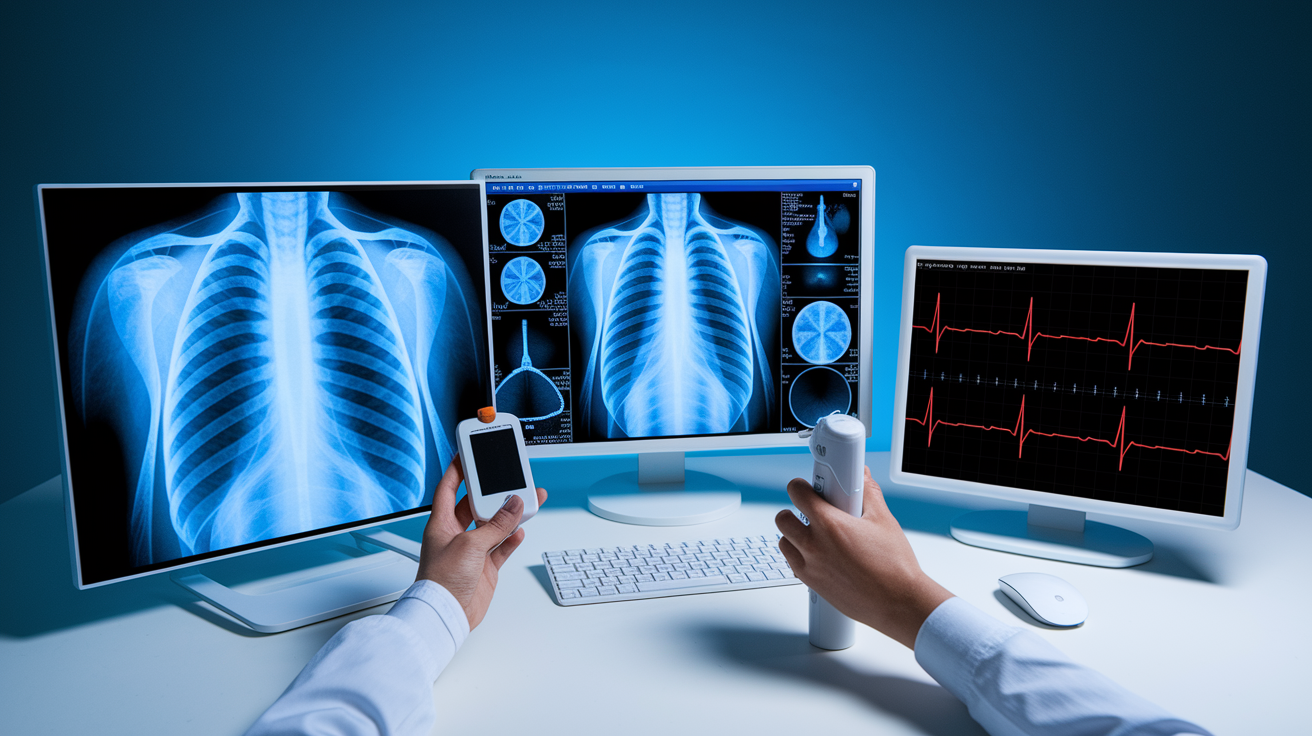
When you tell your doctor you’re having trouble breathing, the first step is a conversation. They’ll ask when it started, how often it happens, what makes it better or worse, and whether you have chest pain, fever, swelling, or other symptoms.
A physical exam follows. The doctor listens to your lungs and heart, checks your oxygen level with a small clip on your finger called a pulse oximeter, and looks for signs of fluid retention or cyanosis.
Blood tests and a chest X-ray are often ordered next. Blood work can reveal anemia, infection, or markers of heart strain. A chest X-ray shows whether there’s fluid in the lungs, pneumonia, an enlarged heart, or a collapsed lung.
If those tests don’t give a clear answer, more advanced workups may be needed. Spirometry measures how much air you can blow out and how fast, helping diagnose asthma and COPD. An ECG records the electrical activity of your heart to detect arrhythmias. A CT scan provides detailed images of the lungs and blood vessels, useful for spotting blood clots, tumors, or scarring.
The typical diagnostic process flows like this:
Take a detailed medical history and review symptoms, triggers, and timing.
Perform a physical exam and measure oxygen saturation.
Order blood tests and a chest X-ray as initial screening tools.
If needed, add spirometry, ECG, or echocardiogram to evaluate lung and heart function.
Use CT imaging, stress tests, or referral to a specialist (pulmonologist or cardiologist) for complex or unclear cases.
Treatment Options for Difficulty Breathing Based on Underlying Cause

Treatment depends entirely on what’s causing the breathlessness.
Asthma flare-ups are managed with rescue inhalers that open the airways quickly, usually within minutes. Long-term control inhalers with corticosteroids reduce inflammation and prevent future attacks.
COPD requires a similar approach, but the damage is permanent, so the focus shifts to slowing progression, quitting smoking, and using bronchodilators to ease symptoms.
Pneumonia and other bacterial infections are treated with antibiotics when appropriate. Viral infections like the flu or COVID-19 don’t respond to antibiotics, but rest, fluids, and fever reducers help the body recover.
Cardiac-related breathlessness may require medications to control blood pressure, manage heart failure, or regulate arrhythmias. In some cases, procedures like stent placement, valve repair, or pacemaker implantation are needed.
Oxygen therapy is used when blood oxygen levels drop too low, delivered through a mask or nasal cannula. Pulmonary rehabilitation programs combine exercise training, breathing techniques, and education to help people with chronic lung disease improve function and quality of life.
Breathing exercises like pursed-lip breathing (inhale through your nose for two counts and exhale slowly through pursed lips for four or more counts) can reduce the work of breathing and improve oxygen exchange.
Treatment categories include:
Medications such as inhalers, bronchodilators, corticosteroids, antibiotics, or cardiac drugs depending on the diagnosis
Oxygen therapy for low blood oxygen levels
Breathing exercises and techniques to strengthen respiratory muscles and improve control
Pulmonary or cardiac rehabilitation to rebuild endurance and manage chronic conditions
Lifestyle changes including smoking cessation, regular physical activity, weight management, and a heart-healthy diet
Trigger avoidance such as staying indoors during high pollen counts, using air purifiers, and limiting exposure to smoke or chemical fumes
Warning Signs and When Difficulty Breathing Requires Emergency Care

Most breathing problems don’t require a 911 call, but some do.
If you have sudden, severe breathlessness that makes it hard to speak or function, don’t wait. If your lips, fingernails, or skin turn blue, that means your oxygen level is dangerously low.
Chest pain that comes with shortness of breath, especially if it lasts more than a few minutes or radiates to your arm, jaw, or back, could be a heart attack. Fainting, near-fainting, or extreme dizziness paired with breathlessness is another red flag.
Anaphylaxis, a severe allergic reaction, can close your airway within seconds to minutes. Signs include throat swelling, hives, a rapid weak pulse, and a sudden drop in blood pressure. If you have an epinephrine auto-injector, use it immediately and call 911.
Pulmonary embolism causes sudden chest pain, rapid breathing, coughing up blood, and sometimes collapse. Carbon monoxide poisoning requires leaving the area and getting emergency help right away.
Call 911 or go to the emergency room if you experience:
Sudden, severe breathlessness that doesn’t improve after 30 minutes of rest
Blue or gray color to your lips, fingernails, or skin
Chest pain or pressure, especially if it comes and goes or radiates to other areas
A fast, irregular, or pounding heartbeat
Wheezing or a high-pitched sound when you breathe
Fainting, near-fainting, or confusion
High fever, persistent nausea, or swelling in your ankles and feet that appears suddenly
Final Words
You now have a clear, short map of common reasons for breathing trouble, including lung and airway problems, heart-related causes, anxiety, rare conditions, and lifestyle factors, plus how doctors test and treat them.
Track when it started, how bad it feels, any triggers, and related signs like chest pain, fever, or sudden onset. That helps you decide if it’s urgent.
If you’re wondering what causes difficulty in breathing, use this guide to record symptoms, try simple breathing steps, and reach out for care when warning signs show. You’ll get clearer answers and safer next steps.
FAQ
Q: What is the most common cause of difficulty breathing?
A: The most common cause of difficulty breathing is lung conditions like asthma or COPD (chronic obstructive pulmonary disease, a long-term lung disease) that narrow airways; infections and anxiety are also common causes.
Q: What are three signs of breathing difficulty?
A: Three signs of breathing difficulty are shortness of breath (trouble catching your breath), rapid or shallow breathing, and wheezing or noisy breathing that you or others can hear.
Q: Why am I struggling to breathe all of a sudden?
A: Sudden breathing difficulty happens because of acute problems like asthma attacks, allergic reactions, pulmonary embolism, heart events, severe infections, or panic attacks; any sudden severe shortness of breath deserves immediate medical attention.
Q: What is the first aid for breathing difficulty?
A: First aid for breathing difficulty is to sit upright, loosen tight clothes, use a prescribed inhaler if available, give epinephrine for a known severe allergy, and call emergency services for worsening or severe symptoms.