

What if the foods people always suggest for an upset stomach actually make you feel worse?
There are simple, gentle choices that help fast, like white rice, plain toast, and ripe banana that calm the gut, absorb extra fluid, and replace potassium you might have lost.
This post shows the best foods for upset stomach that soothe fast, how to prepare them simply, what to skip, and clear signs that mean you should see a clinician.
How Gentle Carbohydrates Support Digestive Recovery
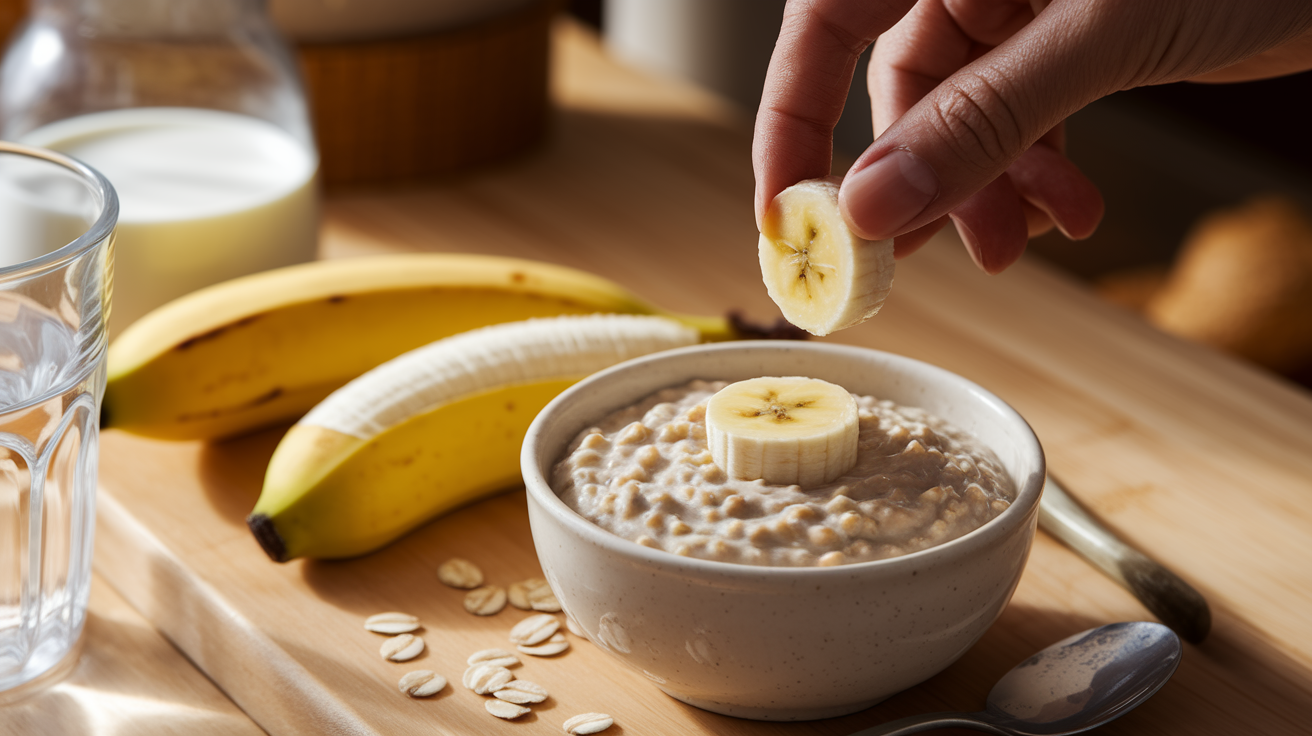
When your stomach’s upset, refined carbs and soft, low fiber foods help by cutting down on mechanical stress. Your gut lining’s already irritated. These foods also help rebalance what you’ve lost through fluid and electrolyte depletion.
Soluble fiber (the kind in bananas and some cooked grains) dissolves in water and forms this gel that slows how fast your stomach empties. It absorbs extra liquid in your colon and firms up loose stools without scraping things up the way raw vegetables or whole seeds would. Bananas bring natural pectin too. That’s a soluble fiber that can bind toxins and calm inflammation. Plus, you’re getting potassium back after losing it through vomiting or diarrhea.
Their pH is slightly alkaline, and the starch acts like a buffer against stomach acid. Think of it as a gentle antacid effect. Soft texture, mild flavor, low acidity, moisture binding fiber. That’s why bananas earned their spot in recovery diets without needing some rigid BRAT rulebook.
Start small when you’re adding gentle carbs back in. Pace yourself based on what you can actually tolerate, not some strict menu. You might mash half a banana into plain cooked rice, or blend a ripe one with a few spoonfuls of cooled oatmeal and a splash of water. Makes a smooth, low fat pudding. Keep it simple. No added sugars, fats, or acidic fruit. Let the carbohydrate do the settling work. As things ease up, you can add a bit more texture or volume. Just stop if nausea or cramping comes back.
Gentle Carbohydrate Recipe Adaptations
You can turn Chocolate Banana Pudding into something stomach friendly by using mashed ripe banana, a teaspoon of unsweetened cocoa or carob powder, and a splash of plain almond milk or water. Skip the cream, sugar, and chocolate chips while symptoms are active. Banana rice porridge works the same way. Cook white rice until it’s very soft, stir in thin banana slices or mashed banana, and add just enough warm water to make it soupy and easy to swallow. Both rely on banana’s natural sweetness and binding properties. You’re keeping fat and acidity low so your stomach can focus on recovery.
Why Certain Starches Ease Nausea and Digestive Irritation

Low fiber starches calm things down by giving your digestive system fuel that doesn’t require much enzymatic effort and produces almost no residue in the colon. Refined white rice, plain crackers, white flour toast. They break down fast in your stomach and small intestine, releasing glucose without all that bulky cellulose scaffolding from whole grains. That scaffolding can mechanically irritate an inflamed gut lining.
When motility gets erratic (speeding up with stress related diarrhea or slowing down with nausea and bloating), bland starches act like a neutral anchor. They don’t trigger peristaltic surges or gastric acid spikes. That’s why toast and rice have been recommended for generations. They slip through with little friction and leave behind a gentle residue that helps firm watery stools.
Rice, toast, and other simple grains absorb water in your gut. That changes stool texture and slows transit time just enough to reduce urgency and cramping. White rice releases amylose and amylopectin starches that bind fluid in the colon and create thicker, more formed stool. Plain toast from white flour does something similar in your stomach. It soaks up excess gastric juice and bile, cutting down on that sloshing sensation that makes nausea worse. Neither food forces your gut to work hard. Neither carries the fiber load that can scrape or distend a sensitive intestine. That’s the key difference from brown rice or whole grain bread, which add insoluble fiber that speeds transit and increases stool bulk before you’re ready.
Oats become tolerable once the acute phase passes because their soluble fiber (beta-glucan) forms a smooth gel instead of rough bran. This gel coats your stomach lining, slows food release into the small intestine, and supports beneficial bacteria without the mechanical irritation of raw oat bran or steel cut oats eaten cold and dry.
Recipe adaptations help. Cook gluten free oats in extra water until they’re very soft. Skip butter or coconut oil. Add a small mashed banana or a pinch of cinnamon instead of nuts or dried fruit. An oatmeal smoothie can work if you blend cooked oats with water or plain almond milk and keep it thin. The blending breaks down any remaining fiber structure so it’s easier to swallow and digest.
Soluble fiber pulls water into the gut and slows things down. Insoluble fiber scrubs the intestinal wall and speeds things up. Knowing that difference lets you choose the starch that matches your symptom pattern.
| Food | Why It Helps | Mechanism In Digestion |
|---|---|---|
| White rice | Firms loose stools and reduces urgency | Amylose starch absorbs water in the colon and slows transit time |
| Plain white toast | Neutralizes excess stomach acid and reduces nausea | Soaks up gastric juice and bile; low fiber minimizes irritation |
| Gluten-free oats | Provides soothing soluble fiber without wheat sensitivity triggers | Beta-glucan forms a gel that coats the gut lining and slows gastric emptying |
| Banana | Balances electrolytes and buffers acid | Pectin binds fluid and toxins; potassium replaces losses; mild alkalinity reduces acidity |
| Plain crackers | Settles nausea with minimal digestive load | Simple starch absorbs gastric secretions and provides quick glucose without fat or fiber |
Final Words
You saw how gentle carbs like bananas, plain rice, and soft oats calm digestion, with soluble fiber, mild starches, and natural electrolytes that soothe irritation and help form stool.
We also showed easy recipe swaps, like low-fat banana rice porridge and plain oat bowls, and stressed pacing by how your stomach tolerates each change.
Keep noting timing, triggers, and how strong the symptoms are. These simple steps help you pick the best foods for upset stomach and move toward a calmer, steadier recovery.
FAQ
Q: What foods settle an upset stomach?
A: Foods that settle an upset stomach include bland, low-fat, low-acid choices like bananas, plain rice, toast, applesauce, clear broth, ginger, and mild yogurt; eat small amounts and sip fluids slowly.
Q: What soup is good for diarrhea?
A: Soup good for diarrhea is clear, low-fat broth with gentle carbs and salt, such as chicken-and-rice broth or vegetable broth with cooked carrots and rice; it helps replace fluids and soothe the gut.
Q: What 12 foods stop diarrhea?
A: Twelve foods that can help stop diarrhea include bananas, white rice, applesauce, toast, plain crackers, boiled potatoes, clear broth, plain boiled chicken, plain yogurt with live cultures, cooked carrots, oatmeal, and ginger tea.
Q: What has replaced the BRAT diet?
A: The BRAT diet has been replaced by advice to eat a balanced, gentle diet, with easy carbs, some lean protein, low fat, and continued fluids, based on tolerance rather than strict BRAT restrictions.