
Sick of waking up drenched in sweat and wondering why it keeps happening?
You don’t have to redesign your whole bedroom or start prescription medications to get relief.
Simple steps like cooling your body, adjusting bedding, small diet shifts, and a brief breathing pause can reduce sweating by tonight.
This short guide shows quick, natural actions you can try right away, what to track, and which signs mean you should see a clinician.
Try one or two tricks tonight and see if you sleep drier.
Fast Natural Remedies for Night Sweats You Can Use Tonight
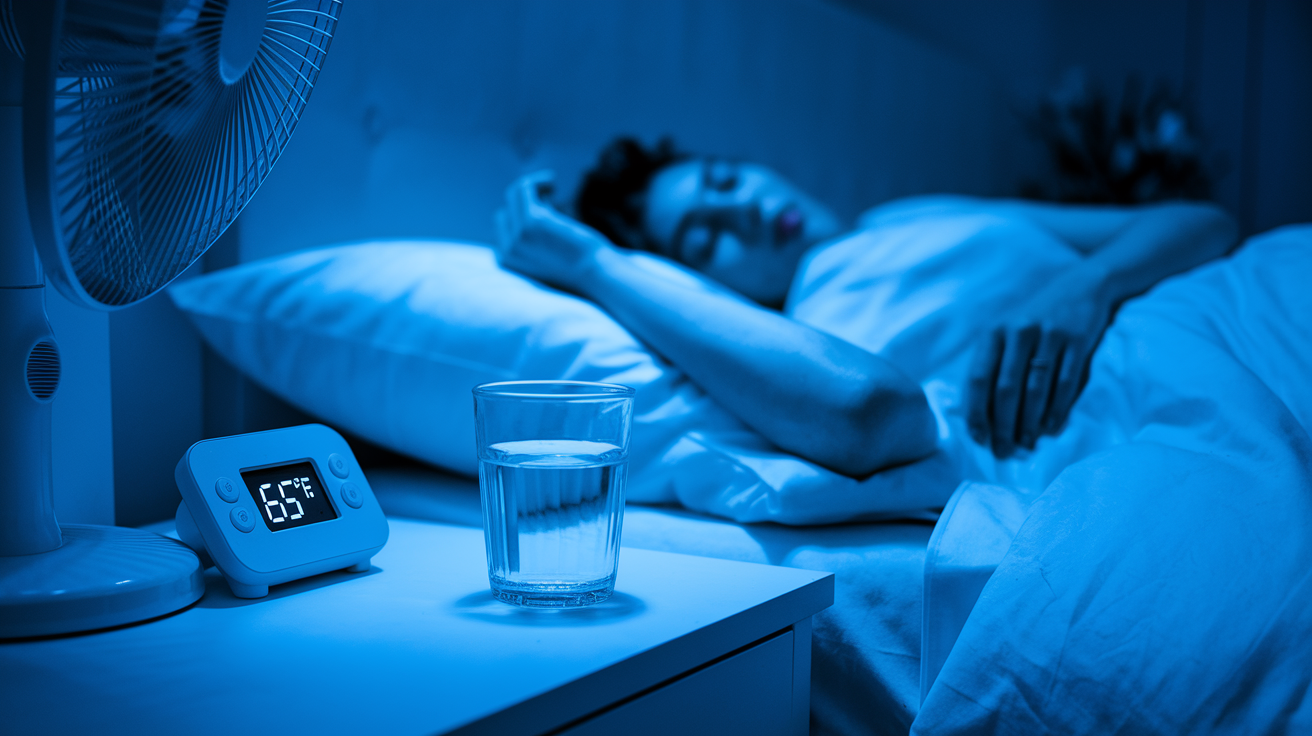
Most natural strategies for night sweats work within minutes. You don’t need to redesign your whole bedroom or wait weeks for supplements to do anything. Simple temperature shifts, better hydration, and small bedtime changes can make tonight noticeably more comfortable.
The fastest relief? Lower your core body temperature before you get into bed. Cool water brings down internal heat quickly. Dropping the room temp even a few degrees tells your body to stop overheating. Peeling off one layer of bedding or switching to lighter fabric prevents that cycle where you wake up soaked. Even a two minute breathing session can slow down the adrenaline surge that often triggers sweating.
Here are six things you can do in the next hour to reduce sweating tonight:
- Drink a glass of cool (not ice cold) water 30 minutes before bed to help keep your core temperature steady.
- Drop the thermostat to 65°F or crack a window to get fresh, cooler air moving through the bedroom.
- Pull one blanket or comforter off the bed and stick with a lightweight sheet or a single layer you can kick off easily.
- Change into loose, lightweight sleepwear made from cotton or linen instead of synthetics or thick fabrics.
- Skip the late spicy snack or hot tea within two to three hours of bedtime. Both can spike your body temperature.
- Try five minutes of slow, deep breathing while sitting on the edge of your bed to calm your nervous system and cut down stress driven heat.
Understanding Natural Causes Behind Night Sweats
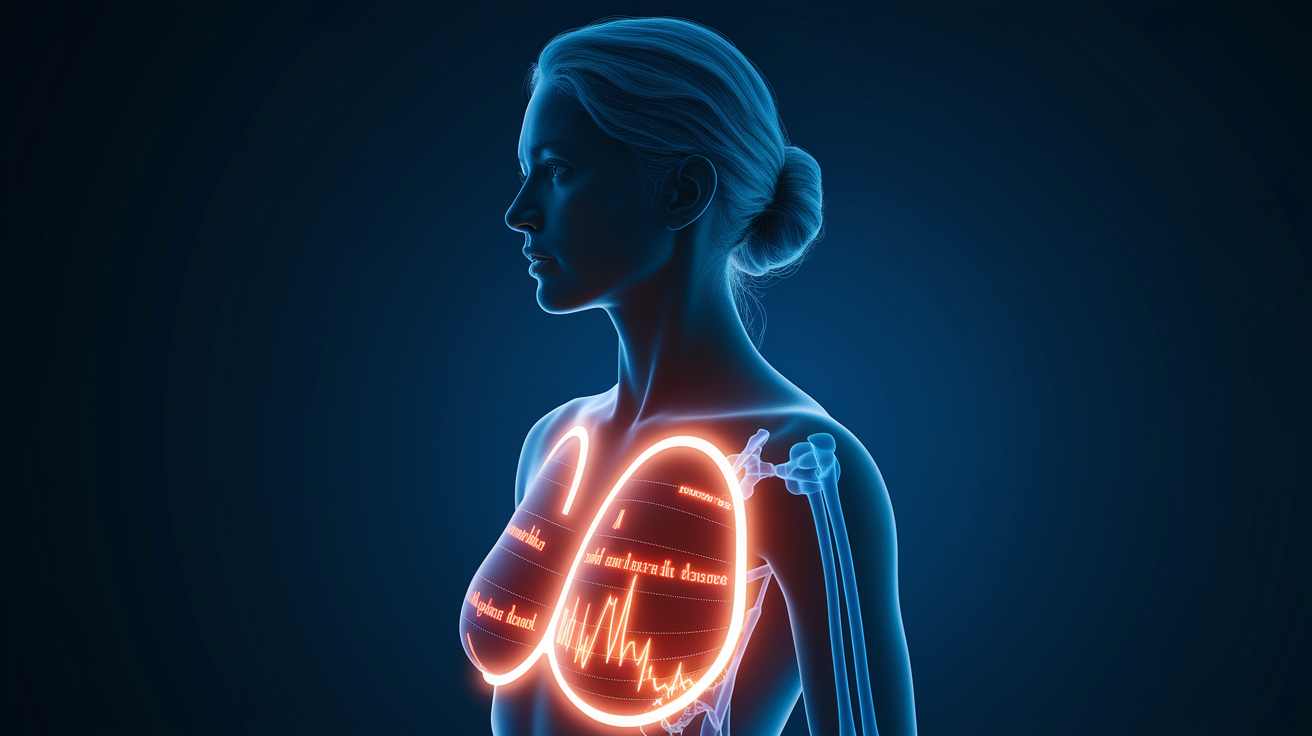
Night sweats can start for tons of reasons. The most common? Hormone changes, blood sugar fluctuations, stress driven adrenaline, and certain medications. For people between 40 and 55, declining estrogen is often the main driver. Estrogen helps regulate your internal thermostat. When it drops, your body’s temperature set point gets unstable. That instability sets off a cascade: blood vessels dilate suddenly, your heart rate climbs, and you start sweating to cool down, even when the room’s already cool.
Blood sugar plays a role too. When glucose falls too low overnight (often after drinking alcohol or skipping an evening protein source), your body releases adrenaline to raise it back up. That adrenaline surge can feel like a hot flash and leaves you drenched. Infections, thyroid disorders, sleep apnea, some cancers, and medications like antidepressants, steroids, and certain diabetes drugs can all cause or worsen nighttime sweating.
Identifying the root cause matters because it helps you pick the most effective natural remedies. If your sweats started around perimenopause and you’re otherwise healthy, you can lean on cooling strategies, diet shifts, and stress reduction. If they showed up suddenly or alongside weight loss, fever, or other concerning symptoms, medical evaluation is the first step. For menopausal night sweats, up to 80 percent of people experience them, and symptoms can stick around anywhere from 2 to 10 years. Effective natural management becomes essential for long term comfort.
Natural Bedroom Adjustments to Reduce Sweating at Night
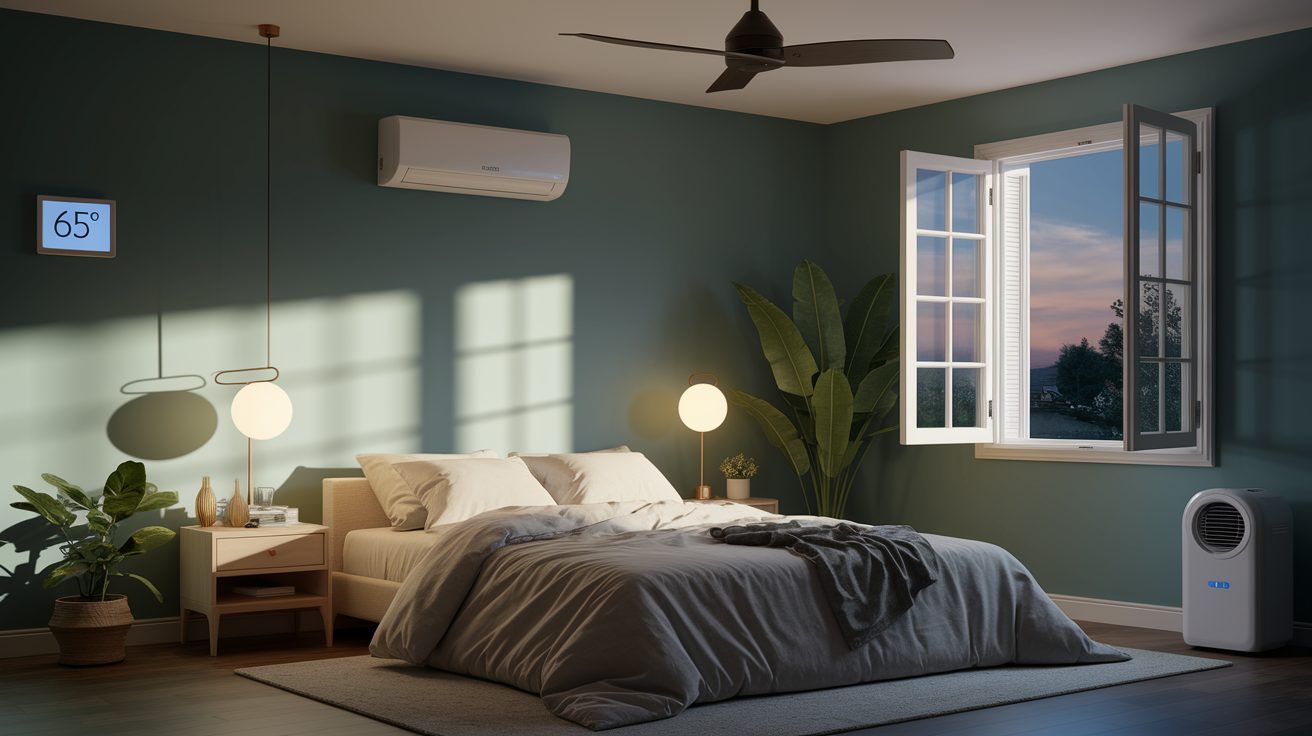
Your bedroom environment is one of the fastest and most controllable factors in managing night sweats. The ideal sleeping temperature sits around 65°F, cool enough to support your body’s natural drop in core temperature during sleep but not so cold you need heavy blankets. If your room’s warmer than 68°F, your body works harder to shed heat. That effort can trigger sweating episodes throughout the night.
Airflow matters too. Stagnant, humid air traps heat near your skin. A ceiling fan set on low keeps air circulating without creating a draft. An oscillating fan placed across the room moves air gently and reduces moisture buildup. If you live somewhere humid, a small dehumidifier in the bedroom lowers both humidity and perceived temperature. Cracking a window an inch or two brings in fresh air and helps regulate overnight warmth, even in winter.
Natural bedroom upgrades for cooler, drier sleep:
- Set the thermostat to 65°F or use a programmable timer to drop the temperature one hour before bedtime.
- Swap heavy comforters for lightweight cotton or linen sheets, layered so you can remove one at a time.
- Use a cooling gel pillow or mattress topper to draw heat away from your head and torso.
- Keep a bowl of ice water and a washcloth on your nightstand for quick cooling relief if you wake up hot.
- Switch to moisture wicking or breathable mattress protectors that let heat escape instead of trapping it under your body.
Diet and Lifestyle Shifts That Naturally Reduce Night Sweats
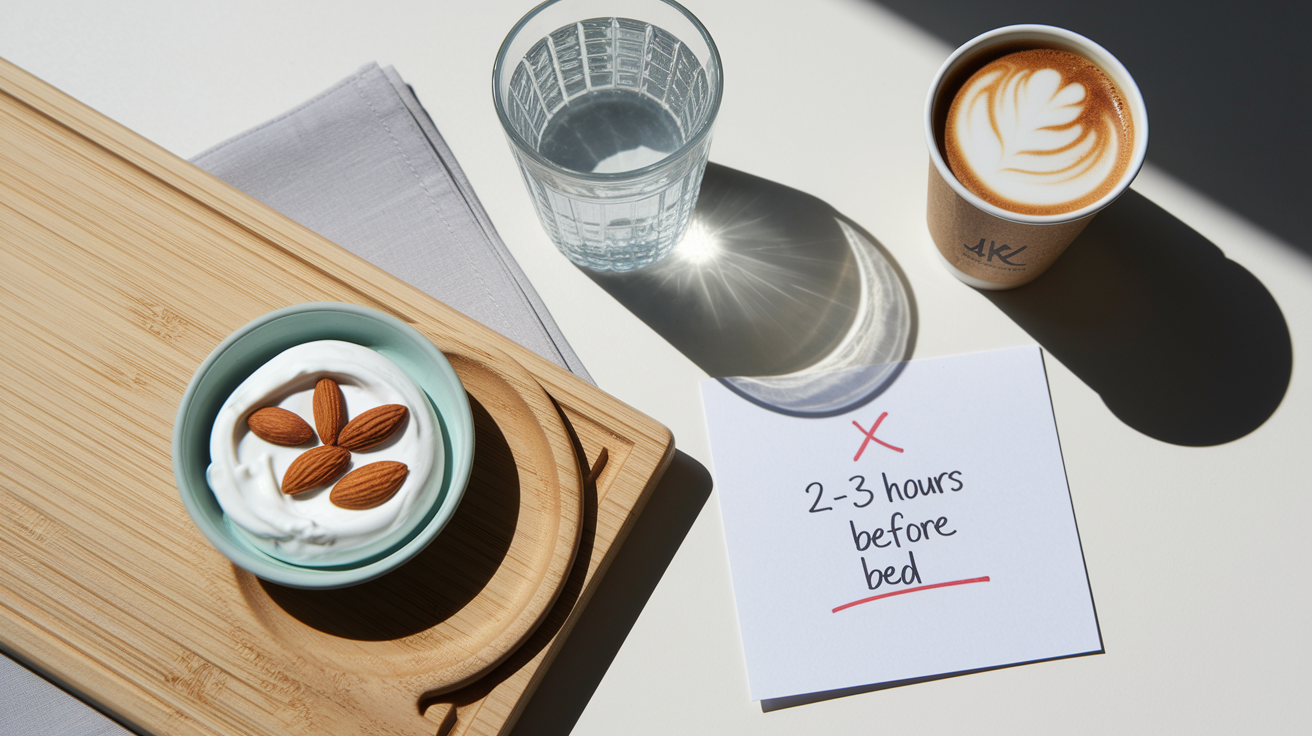
What you eat and drink in the hours before bed directly affects your body temperature and sweat patterns overnight. Spicy foods contain capsaicin, a compound that raises your core temperature and dilates blood vessels. It’s the same physiological response that causes a hot flash. Hot drinks, even herbal tea, add heat from the outside and can tip your internal thermostat into sweating mode. Alcohol might make you feel relaxed at first, but it disrupts blood sugar regulation and often causes a middle of the night adrenaline spike that wakes you up drenched.
Caffeine’s a stimulant that keeps your nervous system active and can prevent your body from cooling naturally during sleep. Heavy, fatty, or large meals close to bedtime force your digestive system to work hard, which generates internal heat. The timing of your last meal or drink matters as much as the content. Stopping alcohol, caffeine, spicy foods, and hot beverages at least two to three hours before bed gives your body time to process them and stabilize before you lie down.
Regular exercise supports better sleep, lower stress, and improved metabolic health. All of which reduce night sweats over time. But vigorous exercise too close to bedtime raises your core temperature and keeps it elevated for an hour or more. Finish intense workouts at least two hours before you plan to sleep. If you prefer evening movement, choose gentle yoga, stretching, or a short walk instead of high intensity intervals or heavy lifting. Maintaining a healthy weight also helps, especially if you carry extra abdominal fat, which is linked to more frequent and severe sweating episodes.
| Trigger | Effect on Body Temperature | Best Natural Alternative |
|---|---|---|
| Spicy foods (capsaicin) | Raises core heat, dilates blood vessels | Mild herbs like basil or parsley; cooling foods like cucumber |
| Hot drinks (tea, coffee) | Adds external heat, may contain caffeine | Room temperature or cool water; iced herbal tea |
| Alcohol | Disrupts blood sugar, triggers adrenaline surge | Sparkling water with lemon; chamomile or peppermint tea (cooled) |
| Caffeine (coffee, soda, chocolate) | Stimulates nervous system, prevents cooling | Decaf herbal blends; naturally caffeine free rooibos |
| Large or fatty late meals | Increases digestive heat production | Small protein rich snack (Greek yogurt, almonds) 1–2 hours before bed |
Natural Herbal and Nutritional Options for Managing Night Sweats
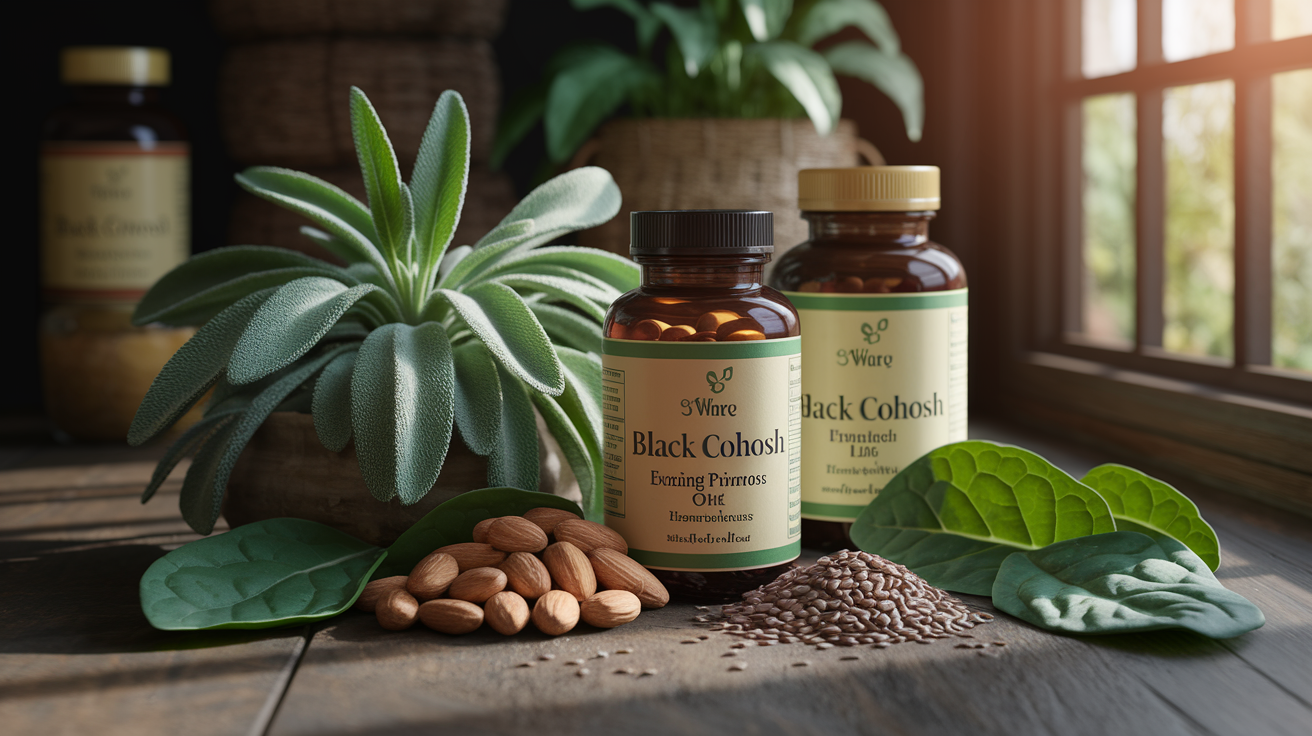
Certain herbs and nutrients have shown promise in small studies and traditional use for reducing vasomotor symptoms like hot flashes and night sweats. Sage is one of the most researched. In a trial of 79 women, flushing dropped by 50 percent after four weeks of sage supplementation and by 64 percent after eight weeks. Sage appears to work by supporting the body’s ability to regulate perspiration and may have mild estrogenic effects.
Black cohosh is another commonly suggested herb. A small study of 80 women found that after eight weeks, participants reported fewer and less severe hot flashes. The evidence remains mixed, and larger trials are still needed, but many people find it helpful when combined with other natural strategies. Evening primrose oil contains gamma linolenic acid and is often recommended for hormonal symptoms, though clinical evidence is weaker. Vitamin E has been associated with reduced hot flashes and night sweats in some observational studies. Dietary sources include almonds, sunflower seeds, avocado, spinach, and chard.
Phytoestrogen rich foods like soy products (tofu, tempeh, miso, edamame), ground flaxseed, chickpeas, lentils, sesame seeds, and certain vegetables (broccoli, kale, Brussels sprouts) may gently support hormone balance. A 2015 clinical guidance note indicated that isoflavones from soy may relieve vasomotor symptoms in some individuals. Adaptogens such as ashwagandha can lower stress driven adrenaline, which in turn reduces stress related sweating.
Natural herbal and nutritional options to consider:
- Sage tea or capsules for perspiration regulation and mild hormonal support.
- Black cohosh for reducing hot flash frequency and severity (consult a provider first).
- Evening primrose oil as a source of gamma linolenic acid.
- Vitamin E rich foods like almonds, sunflower seeds, and leafy greens.
- Soy based foods for gentle phytoestrogen support (tofu, tempeh, edamame).
- Ground flaxseed added to smoothies or oatmeal for lignans and omega 3s.
- Ashwagandha to lower stress and reduce adrenaline driven sweating.
Always consult a healthcare provider or registered nutritional therapist before starting supplements, especially if you’re taking hormone replacement therapy, hormonal birth control, or prescription medications. Some herbs can interact with drugs or cause side effects. Don’t combine multiple supplements without professional guidance.
Breathwork and Stress Reduction Methods to Naturally Cool the Body
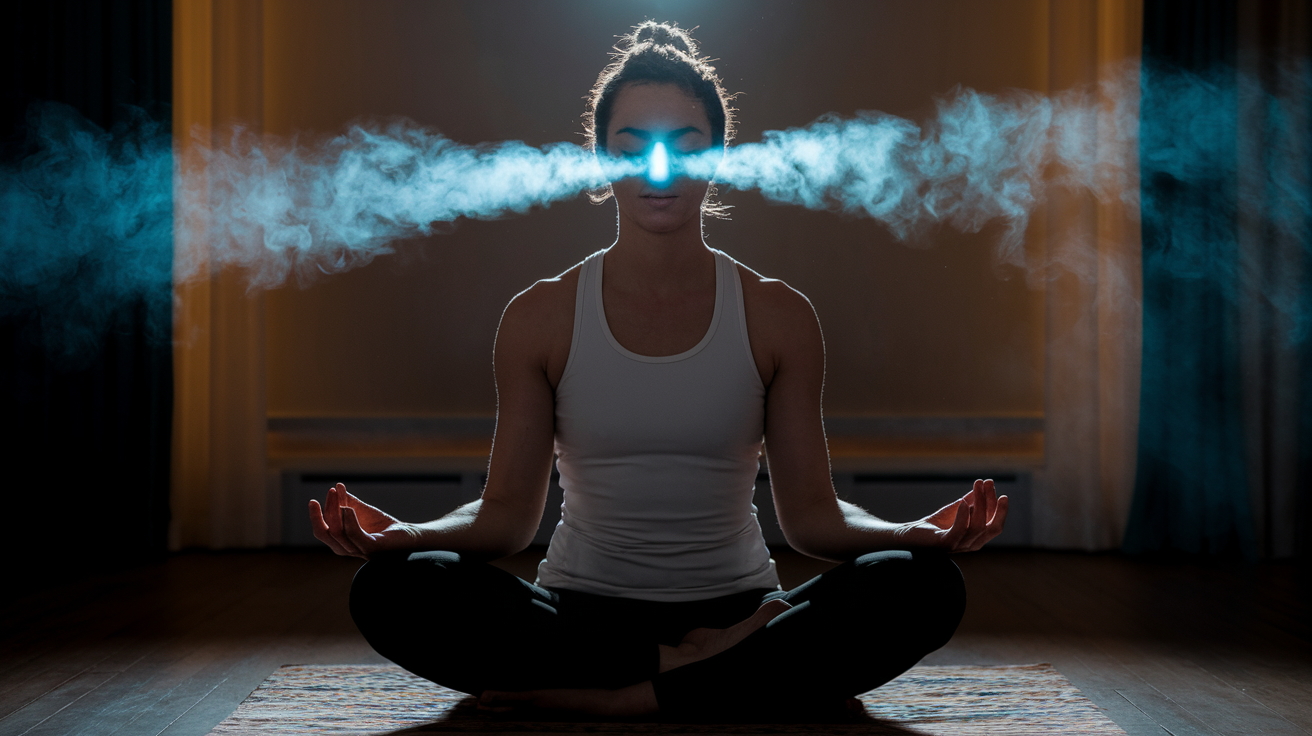
Stress and anxiety trigger the release of adrenaline, which raises your heart rate, constricts blood vessels, and can spike your core body temperature. That physiological response is identical to what happens during a hot flash. That’s why stress management techniques often reduce both the frequency and severity of night sweats. Breathing exercises, meditation, mindfulness, and gentle yoga all activate the parasympathetic nervous system, the calming branch that lowers adrenaline and helps your body return to a cooler, more stable state.
Simple deep breathing before bed can stop a sweating episode before it fully develops. Progressive muscle relaxation, where you tense and then release each muscle group from your toes to your head, helps release physical tension that contributes to overheating. Guided meditation apps or recordings can walk you through calming imagery that distracts your mind from worry and lowers your baseline stress level. Restorative yoga poses like legs up the wall or supported child’s pose encourage relaxation and slower breathing, which naturally cools the body.
How to Perform Alternate Nostril Breathing
This technique is one of the most effective natural breathwork methods for lowering body temperature and calming the nervous system. Sit comfortably with your shoulders relaxed. Rest your left hand on your lap. Bring your right hand up to your face and place your index and middle fingers gently at the point between your eyebrows (sometimes called the “third eye”). You’ll use your thumb to close your right nostril and your ring finger to close your left nostril.
Exhale fully through both nostrils to start. Close your right nostril with your thumb. Inhale slowly through your left nostril for a count of six. At the top of the inhale, close your left nostril with your ring finger so both nostrils are gently closed. Pause briefly. Release your thumb and exhale slowly through your right nostril for a count of eight.
Now inhale through your right nostril for a count of six. Close your right nostril with your thumb. Pause. Open your left nostril and exhale for a count of eight. That completes one full round.
Start with 10 rounds, which takes about 3 to 4 minutes. As you get comfortable, you can extend the practice to 5 minutes total. Always finish by exhaling through your left nostril. Practice this technique 30 minutes before bed or anytime you feel a hot flash beginning.
Cooling Tools and Practical Products for Natural Relief
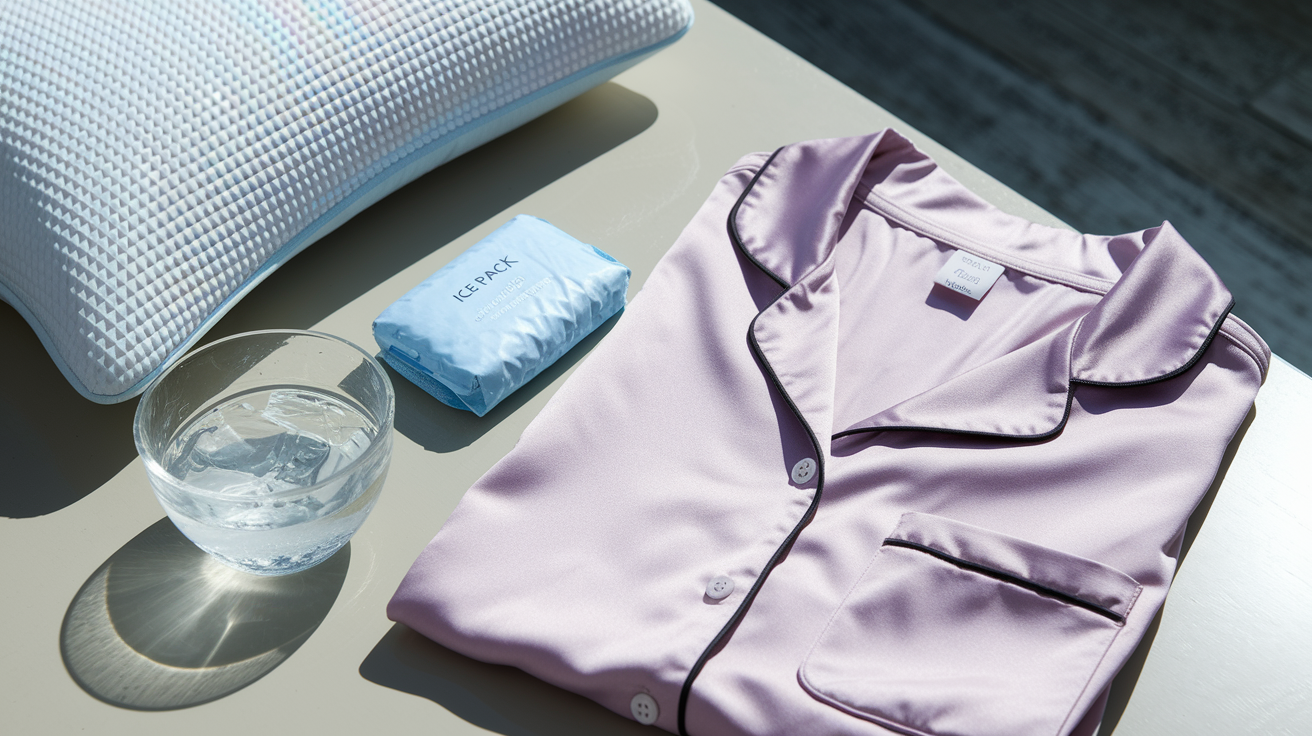
Small, natural cooling tools can make an immediate difference without requiring prescriptions or complex routines. Cooling gel pillows and mattress toppers work by drawing heat away from your head and torso. They don’t require electricity and stay cool passively through phase change materials or gel layers. Moisture wicking pajamas made from bamboo, merino wool, or specialty synthetic blends pull sweat away from your skin and dry quickly, so you don’t wake up in damp fabric.
Keeping a small cooling pack or a damp washcloth in a bowl of ice water on your nightstand gives you instant relief if you wake up overheated. Press it gently against your forehead, the back of your neck, or your wrists. Pulse points where blood vessels are close to the surface. Layered bedding is another simple tool. Instead of one heavy comforter, use a flat sheet, a lightweight blanket, and a thin quilt. You can remove layers one at a time throughout the night without fully waking up.
Quick natural cooling products to keep nearby:
- Cooling gel pillow or pillowcase for passive heat absorption.
- Moisture wicking sleepwear in breathable, natural fibers or technical blends.
- Small ice pack or frozen gel pack wrapped in a thin towel for pulse point cooling.
- Bowl of ice water and washcloth on the nightstand for quick face and neck relief.
When Natural Remedies Aren’t Enough: Signs You Should See a Clinician

Most night sweats linked to menopause, diet, or stress respond well to natural strategies within a few weeks. But some sweating episodes are signs of a medical condition that needs evaluation and treatment. If your sweats began suddenly, are getting worse, or are accompanied by unexplained weight loss, fever, fatigue, or other new symptoms, schedule an appointment with a healthcare provider.
Night sweats caused by infections like tuberculosis, influenza, or endocarditis often come with other signs such as persistent cough, chills, or chest pain. Hormonal disorders beyond menopause, including thyroid problems or primary ovarian insufficiency, can also trigger excessive sweating. Cancers such as leukemia or lymphoma sometimes present with night sweats as an early symptom. Sleep apnea, which disrupts breathing during sleep, can cause sweating due to repeated oxygen drops and stress on the body. Certain medications, including some antidepressants, steroids, and diabetes drugs, list night sweats as a side effect.
If you’ve tried bedroom adjustments, dietary changes, and stress reduction techniques for four to six weeks without improvement, or if sweating is disrupting your sleep and quality of life, it’s worth discussing medical options. Hormone replacement therapy (estrogen) is the most effective treatment for menopausal night sweats, though it carries risks that must be weighed individually. Nonhormonal prescription medications, including certain antidepressants and anti seizure drugs, are alternative options. A clinician can also order blood work or other tests to rule out thyroid dysfunction, blood sugar disorders, or infections.
Tracking Patterns to Naturally Reduce Night Sweats Over Time

Keeping a simple log of your night sweats helps you identify personal triggers and measure whether natural strategies are working. A hot flush or night sweat diary doesn’t need to be complex. Each morning, jot down the date, how many times you woke up sweating, and what you ate or drank in the evening. Note your stress level, exercise timing, any new medications, and whether you changed your bedroom setup or sleepwear.
Over a few weeks, patterns often emerge. You might notice that sweats are worse after evenings when you had wine with dinner, or that they improve on nights when you finish your workout by 6 p.m. instead of 8 p.m. Tracking also gives your healthcare provider useful information if you need to schedule a visit. Concrete data (“I had six sweating episodes this week compared to nine last week”) helps guide treatment decisions more effectively than vague descriptions.
What to track in your night sweat log:
- Date and number of sweating episodes each night.
- Foods and drinks consumed within three hours of bedtime, especially alcohol, caffeine, spicy foods, or hot beverages.
- Exercise timing and intensity that day.
- Stress level or major life events that could raise adrenaline.
- Medications or supplements started or changed recently.
Building a Long Term Natural Routine to Prevent Night Sweats

Sustainable relief comes from combining several natural strategies into a consistent routine rather than relying on one quick fix. Start by stabilizing your bedroom environment. Keep the temperature at 65°F, use breathable bedding, and maintain good airflow. Layer in dietary changes gradually. Cut out late caffeine and alcohol first, then experiment with cooling foods and phytoestrogen rich options. Add a daily stress reduction practice, even if it’s just five minutes of deep breathing before bed.
Consistency matters more than perfection. If you skip your breathing exercise one night or have a spicy meal at a dinner party, your sweats might return temporarily. That’s normal. The goal is to build habits that lower your baseline risk over weeks and months, not to eliminate every trigger overnight. Even when hot flashes and night sweats persist for years (which is common during the menopausal transition), natural strategies can reduce their severity and frequency enough to restore restful sleep.
Track your progress monthly. Notice whether you’re waking up drenched less often, whether the episodes are shorter, or whether you’re falling back asleep more easily. Adjust your routine based on what your log reveals. If sage tea seems to help, keep it. If cooling gel pillows make no difference, try a different product. Long term management is about finding the combination of natural tools that works for your body and your life.
Final Words
Start tonight with a few simple steps: sip cool water, lower the thermostat, remove extra bedding, and skip spicy late meals.
This post covered fast, same-night fixes, common versus serious causes, bedroom and diet shifts, herbal options and breathwork, useful cooling products, tracking tips, and when to see a clinician.
Try one or two changes and track how you feel for a few nights. If sweating keeps waking you or you notice red flags, get checked. Small, steady steps can teach you how to stop night sweats naturally and sleep more comfortably.
FAQ
Q: Can you do anything to stop night sweats?
A: You can often reduce night sweats with quick steps tonight and longer-term habits: cool the room (about 65°F), sip cool water, use lighter bedding, avoid late spicy foods or alcohol, and relax before bed.
Q: What is the number one cause of night sweats?
A: The number one cause of night sweats is hormonal change, most often menopause-related drops in estrogen that trigger hot flashes and sweating, especially in people aged about 40 to 55.
Q: What vitamin helps night sweats and what hormone are you lacking if you have night sweats?
A: The vitamin that helps night sweats is vitamin E (and magnesium may help); low estrogen is the most common hormone linked to night sweats, though thyroid or low blood sugar can also contribute. Check with your clinician.