
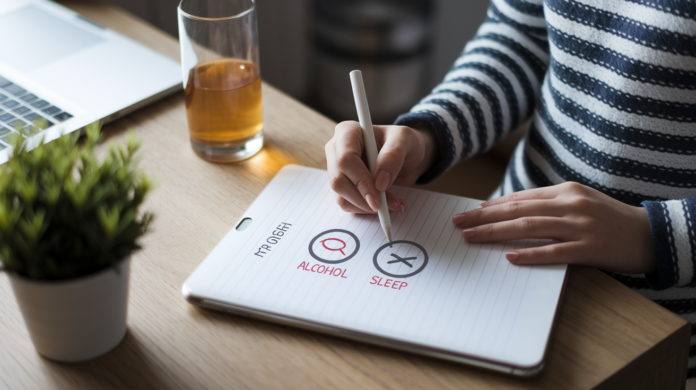
Could a single sip of wine really trigger a cluster headache?
Yes, but usually only when you are in an active cluster period.
Triggers like alcohol, cigarette smoke, strong odors, bright light, sleep disruption, and certain foods often set off extra attacks during a cycle and usually do not start a new cycle during remission.
This post lists the common triggers, explains why timing and daily habits matter, and gives simple tracking steps you can use to spot and avoid the exposures that matter most to you.
Comprehensive List of Common Cluster Headache Triggers

Cluster headache triggers can spark extra attacks when you’re in an active period, but they won’t usually kick off a new cycle during remission. That same glass of wine or flash of bright light that sets off an attack mid-cluster? It’s probably harmless when you’re between episodes.
Most people start to notice certain triggers showing up before an attack. Tracking these patterns helps you spot the exposures that matter for you, even though there’s common ground across a lot of people.
Alcohol is one of the best documented triggers. Beer, wine, liquor. An attack can hit within about two hours of drinking, and for some people a few ounces of red wine is all it takes.
Common cluster headache triggers include:
- Alcohol consumption Beer, wine, and liquor. Red wine comes up a lot. Attacks often begin within 2 hours of drinking
- Cigarette smoke and tobacco use Smoking, vaping, chewing tobacco. All linked to higher risk and more chronic patterns
- Strong odors Perfumes, paint fumes, cleaning products, volatile organic compounds from solvents or new materials
- Bright lights Direct sunlight, fluorescent lighting, sudden shifts from dark to bright
- Hot weather and overheating Hot baths, saunas, intense exercise, prolonged heat
- High altitude Mountain travel and airplane flights, possibly tied to oxygen level changes
- Nitroglycerin and vasodilators Heart medications that dilate blood vessels. Talk with your clinician before stopping anything
- Histamine-rich foods Aged cheese, fermented products, processed meats, certain preserved foods
- Nitrates Found in cured meats, hot dogs, bacon, some preserved foods
- Weather changes Sudden temperature shifts and barometric pressure drops
- Irregular sleep patterns Late nights, shift work, frequent travel across time zones, inconsistent wake times
- Caffeine withdrawal Stopping abruptly after regular daily use
- Stress and tension Emotional stress, physical strain, muscle tension in the neck and shoulders
- Intense exercise High intensity workouts or strenuous activity that raises body temperature significantly
- MSG and artificial additives Monosodium glutamate, artificial sweeteners, yellow food dyes reported by some people
Triggers typically provoke attacks only during active cluster periods. During remission, the same exposures usually don’t restart a cycle. That’s why avoidance strategies matter most when you’re already dealing with daily attacks.
How Lifestyle Factors Influence Cluster Headache Vulnerability

Your daily habits shape your nervous system’s baseline sensitivity. Stress, irregular sleep, caffeine withdrawal, tobacco use, intense exercise. They don’t always trigger immediate attacks, but they create conditions that make your trigeminal pathways and autonomic nervous system more reactive during active cluster periods.
Stress tightens your shoulders and neck, which aggravates head pain pathways. When you’re tense, your nervous system stays in a heightened state. That chronic activation can lower the threshold for cluster attacks. Tobacco use is connected with higher risk and more chronic patterns. Smoking, vaping, chewing tobacco all seem to worsen cluster headache severity and make episodes last longer or recur more often. Caffeine withdrawal causes vasodilation, a widening of blood vessels, that can provoke pounding pain. If you drink coffee or energy drinks every day and then stop suddenly, the shift in blood vessel tone may trigger an attack. Intense exercise may set off headaches for some people, possibly because overheating and rapid changes in heart rate and blood pressure activate autonomic responses that are already sensitized during cluster periods.
Sleep Timing and Circadian Vulnerability
In a study of more than 1,000 people with cluster headache, over 80 percent reported attacks at the same time each day. That predictable daily timing points to the hypothalamus, your brain’s circadian clock, as a key player in cluster physiology.
Irregular sleep schedules and circadian disruption are tied to increased attack frequency. Late nights, shift work, frequent travel across time zones, inconsistent wake times. All of it destabilizes your body’s internal rhythm. When your circadian rhythm is off, the hypothalamus and trigeminal pathways become more vulnerable.
Stabilizing sleep may help reduce attack frequency and intensity. Going to bed and waking up at the same time every day, even on weekends, supports circadian alignment. Naps during the day sometimes provide relief mid-attack, but frequent napping can also disrupt nighttime sleep and worsen overall circadian stability.
How Environmental Conditions Affect Cluster Headache Sensitivity

Environmental exposures don’t just irritate your senses. They can directly activate the trigeminal nerve and autonomic pathways that drive cluster headache pain. Bright sunlight, strong odors, smoke, paint fumes, cleaning products are commonly implicated. High altitude and flights may provoke attacks, possibly because lower oxygen levels trigger compensatory vascular and autonomic responses. Sudden temperature or barometric pressure changes, heat, hot baths are frequently reported triggers, likely because they alter blood flow and autonomic tone.
The trigeminal nerve carries sensation from your face and head. It’s deeply connected to your autonomic nervous system, which controls involuntary functions like tearing, nasal congestion, and blood vessel dilation. When you’re exposed to strong odors or volatile organic compounds, those chemicals can irritate trigeminal nerve endings and provoke autonomic activation. Bright lights can have a similar effect, overstimulating sensory pathways that are already sensitized during a cluster period.
Altitude and airplane travel create pressure and oxygen changes that your body compensates for by adjusting blood flow. That shift in vascular tone can be enough to trigger an attack if you’re in an active cluster. Weather changes and barometric pressure drops may work through a similar mechanism, altering the balance of pressure inside and outside blood vessels in the brain.
| Trigger | Typical Reaction | Notes |
|---|---|---|
| Bright sunlight | Overstimulation of trigeminal sensory pathways | Sunglasses and shaded environments can reduce exposure |
| Strong odors (perfume, paint) | Irritation of trigeminal nerve endings, autonomic activation | Volatile organic compounds are especially problematic |
| High altitude / airplane travel | Lower oxygen levels, compensatory vascular changes | Plan travel around active cluster periods when possible |
| Sudden temperature changes | Autonomic response to regulate body temperature and blood flow | Heating and cooling shifts can both provoke attacks |
Why Dietary and Chemical Substances Affect Cluster Headache Activity

Certain foods and chemical exposures act on blood vessels and inflammatory pathways in ways that can provoke cluster attacks. Red wine is a major trigger. As little as a few ounces can be sufficient for some people. Wine contains histamine, sulfites, and alcohol itself. All of which dilate blood vessels and may trigger inflammatory responses in sensitized individuals. Foods containing nitrates, such as cured meats, hot dogs, and bacon, work through a similar vasodilatory mechanism. Nitroglycerin, a heart medication, is known to provoke attacks during active cluster periods because it directly dilates blood vessels. The same process that helps angina patients by increasing blood flow to the heart can activate trigeminal pathways in someone with cluster headache.
MSG, or monosodium glutamate, and fermentation byproducts in aged cheese, sauerkraut, kimchi, and other fermented foods may cause headaches in some people through histamine release or excitatory effects on nerve cells. Chocolate and artificial sweeteners are also reported by some individuals, though the mechanisms are less clear and may involve multiple pathways including histamine, tyramine, and changes in blood sugar or neurotransmitter levels.
Histamine-rich foods, which include aged cheese, processed meats, fermented products, and certain preserved or pickled items, can trigger inflammatory and vascular responses. During an active cluster period, your trigeminal and autonomic systems are already sensitized, so even small increases in histamine or vascular changes can tip you into an attack. That’s why the same food you eat without issue during remission may provoke pain during a cluster.
How Medications Interact With Cluster Headache Physiology

Nitroglycerin is a well documented trigger. It’s prescribed to widen blood vessels in people with angina, but that same vasodilation can reliably provoke cluster headaches during active periods. Histamine-related medications, including some allergy treatments and supplements, may also provoke attacks, possibly through inflammatory pathways or by altering vascular tone.
Triggers generally act only during active clusters. The same medication that provokes an extra attack when you’re in a cluster period usually has no effect during remission. Don’t stop prescribed heart medications or other essential treatments without medical advice. If you notice that a medication seems to trigger attacks, talk with your clinician. There may be alternative options, timing adjustments, or other strategies that let you manage both conditions safely.
Seasonal and Timing Patterns in Cluster Headache Sensitivity
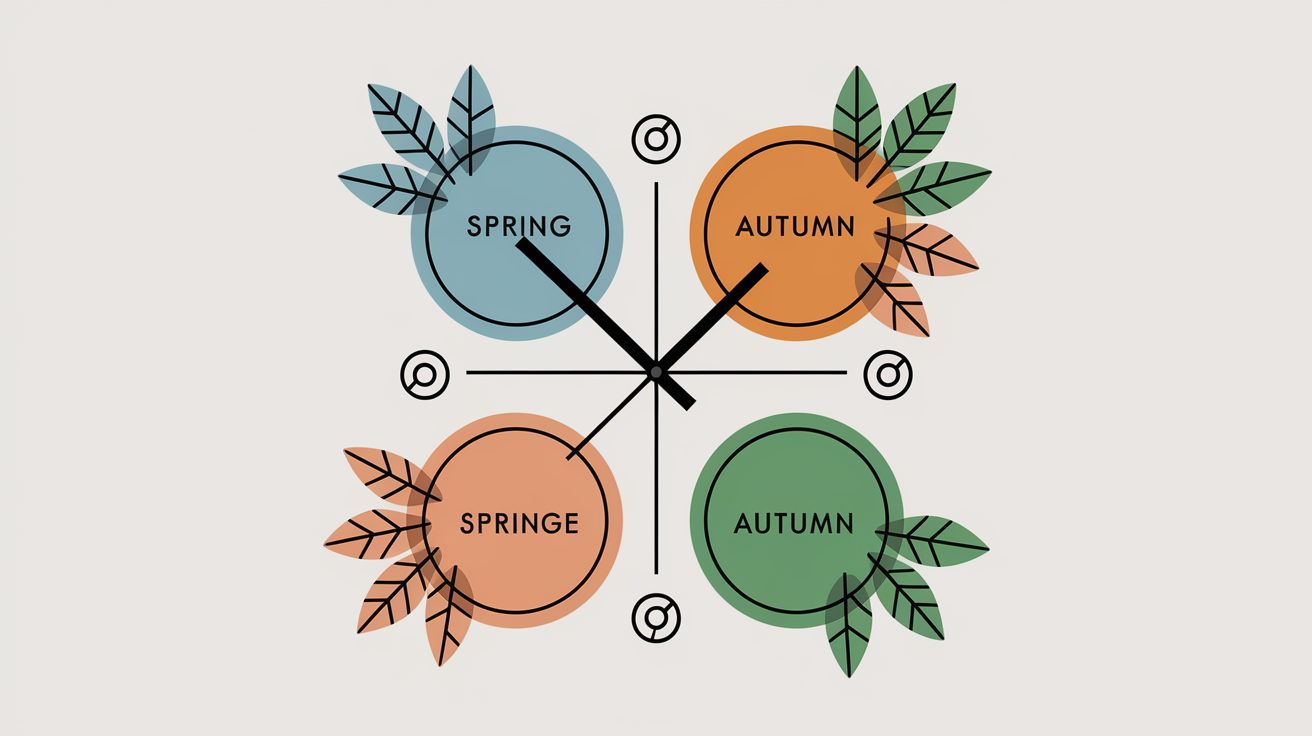
About 90 percent of people with cluster headache experience attacks daily for weeks to months during active periods, and then enter remission for months or years. Those cycles may recur seasonally, often in spring or fall. The seasonal pattern suggests that environmental changes, daylight duration, temperature shifts, and circadian alignment all influence cluster vulnerability.
Many people have consistent daily timing. Attacks may strike at the same hour each day, often waking you from sleep or appearing in the late afternoon. That predictable rhythm points to the hypothalamus and your body’s circadian clock as key drivers of cluster physiology. When seasons change and daylight shifts, your circadian rhythm has to adjust, and that transition period may destabilize the hypothalamic pathways that regulate cluster cycles.
Typical seasonal and timing patterns include:
- Spring and autumn cluster episodes, coinciding with major daylight and temperature changes
- Daily attacks at consistent times, often during sleep or within an hour of waking
- Cluster periods lasting weeks to months, followed by remission periods lasting months to years
- Episodic patterns (remission ≥3 months) or chronic patterns (remission <1 month)
How to Identify Your Personal Cluster Headache Triggers

Tracking your exposures and symptoms over time is the most reliable way to identify your individual triggers. Cluster headaches follow predictable daily and seasonal patterns, but the specific triggers that provoke extra attacks vary from person to person. Some people react strongly to alcohol and heat, while others are more sensitive to sleep disruption, altitude changes, or strong smells.
A headache diary helps you spot patterns that aren’t obvious day to day. When you record the same information consistently, you can compare attack days to non-attack days and see which exposures line up with increased pain. Recommended diary fields include exact time of attack, medications used (prescription, over-the-counter, and supplements), alcohol quantity and type, exercise timing and intensity, overheating episodes (hot baths, saunas, hot weather), travel and altitude exposure, sleep schedule (bedtime, wake time, total hours), and stress level on a simple 1 to 10 scale.
What to Record in a Trigger Diary
Focus on capturing concrete, measurable details rather than vague notes. Instead of “felt stressed,” write “worked late, skipped dinner, stress 8/10.” Instead of “drank alcohol,” write “2 glasses red wine, 7 p.m.” That specificity makes it easier to identify thresholds and timing patterns.
Track your sleep schedule carefully, including any naps. Note any deviations from your usual routine, such as staying up late, waking early, or traveling across time zones. Record environmental exposures like bright sunlight, strong odors at work or home, sudden weather changes, or time spent in hot or cold environments. If you exercise, note the time, duration, and intensity, along with whether you felt overheated or pushed harder than usual.
| Field to Track | Why It Matters | Example |
|---|---|---|
| Exact time of attack | Reveals circadian patterns and daily timing consistency | “2:30 a.m., woke from sleep” or “4:15 p.m., at work” |
| Alcohol quantity and type | Identifies dose thresholds and beverage-specific reactions | “1 beer (12 oz) at 6 p.m.” or “3 oz red wine with dinner” |
| Sleep schedule (bed/wake times) | Shows circadian disruption and sleep debt patterns | “Bed 11 p.m., woke 6 a.m., total 7 hours” or “napped 2 to 3 p.m.” |
| Exercise timing and intensity | Links physical exertion and overheating to attack onset | “Ran 5 miles, 6 a.m., very hot afterward” or “light walk, 20 min” |
| Environmental exposures | Captures smells, temperature, altitude, and weather changes | “Painted bedroom, strong fumes” or “flight to Denver, altitude 5,000 ft” |
Practical Strategies to Reduce Exposure to Cluster Headache Triggers

Avoidance strategies are most effective during active cluster periods. During remission, the same exposures usually don’t provoke attacks, so you can relax some restrictions. When you’re in a cluster, small adjustments can reduce the number and severity of attacks.
Avoid alcohol during active clusters. If you notice that red wine provokes attacks more reliably than beer or liquor, note that individual sensitivity and avoid that type specifically. Manage heat exposure by cooling down during and after exercise, avoiding hot baths and saunas, and dressing in layers so you can adjust quickly when you feel overheated. Stabilize sleep timing by going to bed and waking up at the same time every day, even on weekends. That consistency supports circadian alignment and may reduce attack frequency.
Consider stress management through breathing exercises, meditation, or regular moderate exercise. Exercise benefits sleep, circulation, and stress reduction without overheating. Use sunglasses in bright light, especially outdoors during midday. Avoid fumes and strong scents by choosing fragrance-free cleaning products, avoiding fresh paint, and stepping away from areas with heavy perfume or volatile organic compounds. Plan travel around active periods when possible. If you need to fly or visit high altitude during a cluster, talk with your clinician about abortive medications you can carry and use at the first sign of an attack.
Practical avoidance steps:
- Abstain from alcohol during active cluster periods. Track which types provoke attacks most reliably
- Avoid hot baths, saunas, prolonged heat exposure. Cool down quickly after exercise
- Maintain consistent sleep timing every day to support circadian rhythm stability
- Minimize bright light exposure with sunglasses and shaded environments during vulnerable times
- Step away from strong odors, paint fumes, cleaning products, heavy fragrances
- Delay nonessential flights and high altitude travel until you’re in remission, or prepare with abortive medication on hand
Final Words
In the action, you’ve got a clear, scannable list of common cluster headache triggers and how lifestyle, environment, diet, medicines, and seasonal timing influence attacks.
Keep a simple diary. Note exact time, alcohol use, sleep, exercise, travel, and meds so patterns pop out.
Try small, practical steps. Skip alcohol during active periods, steady your sleep, avoid strong scents and heat, wear sunglasses in bright light, and plan travel around active times.
Use this cluster headache triggers list to guide changes and feel more in control. Small steps add up.
FAQ
Q: What is the most common trigger for cluster headaches?
A: The most common trigger for cluster headaches is alcohol (beer, wine, liquor). It often brings on an attack within about two hours when you’re in an active cluster period.
Q: How do you calm a cluster headache?
A: To calm a cluster headache, use high-flow oxygen and prescribed fast-acting meds (like injectable or nasal triptan, a migraine drug), sit in a dark, quiet place, and call your clinician if it doesn’t ease quickly.
Q: Do cluster headaches affect the brain?
A: Cluster headaches do not usually damage the brain, but they involve trigeminal nerve (the main facial pain nerve) pathways and blood vessel changes that cause intense pain and eye symptoms like tearing and redness.
Q: What to eat to reduce cluster headaches?
A: To reduce cluster headaches, avoid alcohol and foods with nitrates, MSG, aged cheeses, and fermented products; eat regular meals, stay hydrated, and track food reactions to find personal triggers.