

Want to feel less bloated in the next 15 to 30 minutes?
You can, without a diet overhaul or special supplements, by doing a few simple things right now.
Stop fizzy drinks and gum, avoid sugar alcohols, take an over the counter simethicone tablet, walk for 5 to 10 minutes, or sip warm peppermint or ginger tea.
These quick actions often reduce trapped gas and pressure so you feel noticeably better fast.
Read on for the exact order to try them, what to track, and when to see a clinician.
Fast-Acting Methods to Reduce Bloating Immediately

Bloating relief starts with the fastest, simplest actions you can take right now. The quickest way to reduce trapped gas? Stop adding more air and bubbles into your digestive system, then help your body move what’s already stuck.
Within minutes, you can start feeling better by making a few deliberate changes. Here’s what to do first, ordered by speed:
Stop all carbonated drinks immediately. Soda, seltzer, sparkling water. Every bubble you swallow can make bloating worse.
Take an over the counter antacid with simethicone. Products like Mylanta Gas or Alka Seltzer Anti Gas work by breaking up small gas bubbles into larger ones so they pass more easily.
Stop chewing gum. It increases the amount of air you swallow with every chew, and sugar free gum often contains gas producing sugar alcohols.
Avoid artificial sweeteners and sugar alcohols. Sorbitol and xylitol, common in diet sodas and low calorie snacks, ferment in the gut and create excess gas.
Go for a short walk. Even 5 to 10 minutes after a meal helps stimulate digestion and encourages trapped gas to move through.
Sip warm peppermint or ginger tea. Both relax the muscles in your digestive tract and help reduce cramping and fullness.
If you’ve just finished a large meal and feel uncomfortably full, the combination of stopping fizzy drinks, taking a simethicone tablet, and walking gently for a few minutes can start to ease the pressure. The goal is to stop making it worse, then give your gut a chance to reset. These steps won’t eliminate bloating instantly, but they can reduce it noticeably within 15 to 30 minutes.
Understanding What Causes Fast Onset Bloating
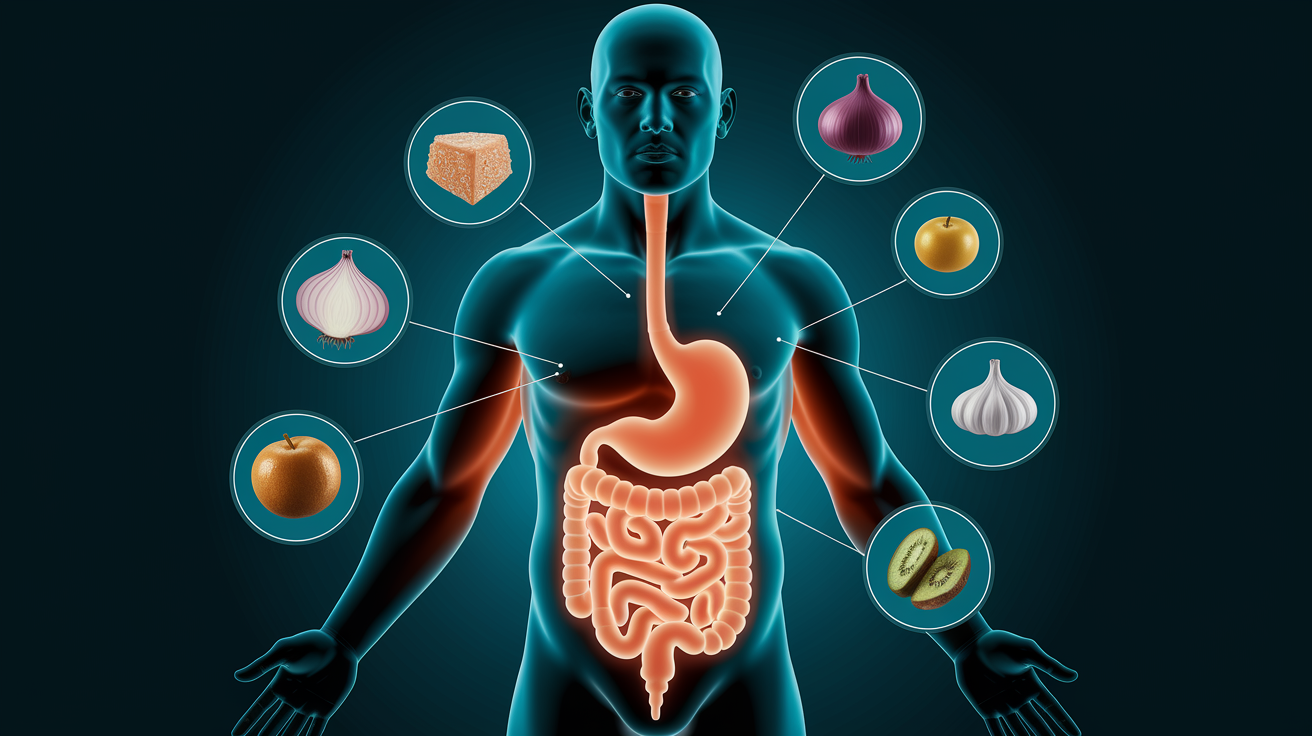
Bloating happens when gas gets trapped in your digestive system, your stomach empties more slowly than usual, or your intestines hold onto extra fluid. Sometimes the cause is simple. You ate too fast and swallowed a lot of air. Other times, it’s a reaction to certain foods or hormonal shifts that slow things down.
The most common fast onset triggers are swallowed air from eating quickly or chewing gum, carbonated beverages that release carbon dioxide in your stomach, and foods your body struggles to digest fully. High FODMAP foods like onions, garlic, apples, and pears ferment in the gut and produce gas. Lactose intolerance, bacterial imbalances, delayed stomach emptying, and irritable bowel syndrome can all cause bloating that comes on quickly after eating or drinking.
| Trigger | Why It Causes Bloating |
|---|---|
| Carbonated drinks | Release carbon dioxide bubbles directly into your stomach and intestines |
| Chewing gum | Increases swallowed air with every chew; sugar free gum adds sugar alcohols that ferment |
| Eating too fast | Swallowing air along with food reduces time for proper chewing and early digestion |
| High FODMAP foods | Poorly absorbed carbs ferment in the gut, producing gas and drawing in water |
Foods and Drinks That Reduce Bloating Quickly
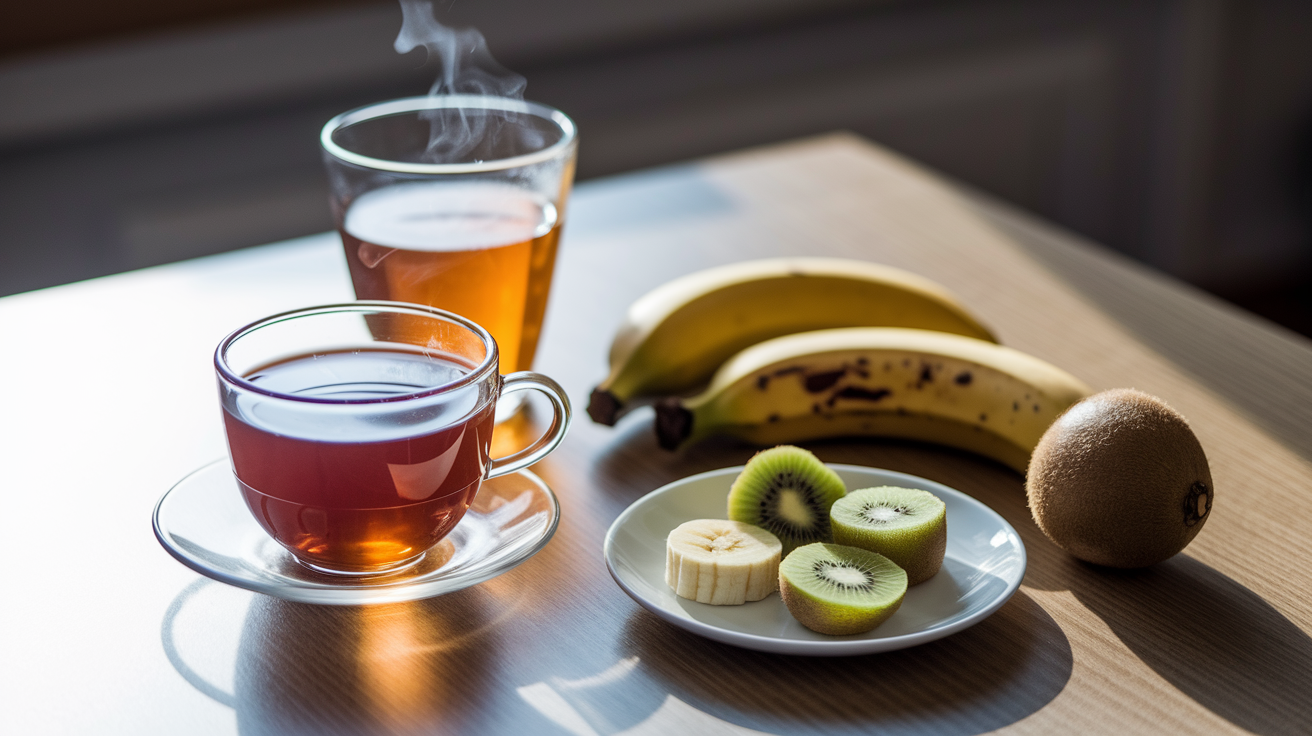
The right foods and drinks can calm your digestive system, reduce gas production, and help trapped air move through. Warm liquids and low FODMAP options work fastest because they support gentle movement without triggering fermentation.
Peppermint tea relaxes gut muscles and contains menthol that soothes cramping. It’s been shown to reduce IBS symptoms including bloating.
Ginger tea speeds up stomach emptying and reduces nausea. A 2011 study found ginger supplements lowered bloating in people with functional gut issues.
Warm water stimulates intestinal motility and helps your system move gas and waste along more smoothly.
Bananas are a low FODMAP fruit that provides potassium, which can help balance fluid retention.
Kiwi is another low FODMAP fruit that supports gentle digestion and regularity.
Low FODMAP foods are easier to digest because they produce less fermentation and gas. When you’re feeling bloated, stick with simple proteins like eggs, tofu, chicken, turkey, or seafood. Choose vegetables like lettuce, kale, celery, and potatoes. For grains, reach for rice, quinoa, or corn instead of wheat or barley. Small handfuls of almonds, peanuts, or walnuts are usually well tolerated. Grapes and citrus fruits are safer bets than apples or pears. These choices give your gut a break while still providing nutrients and energy.
Foods Most Likely to Cause Rapid Bloating
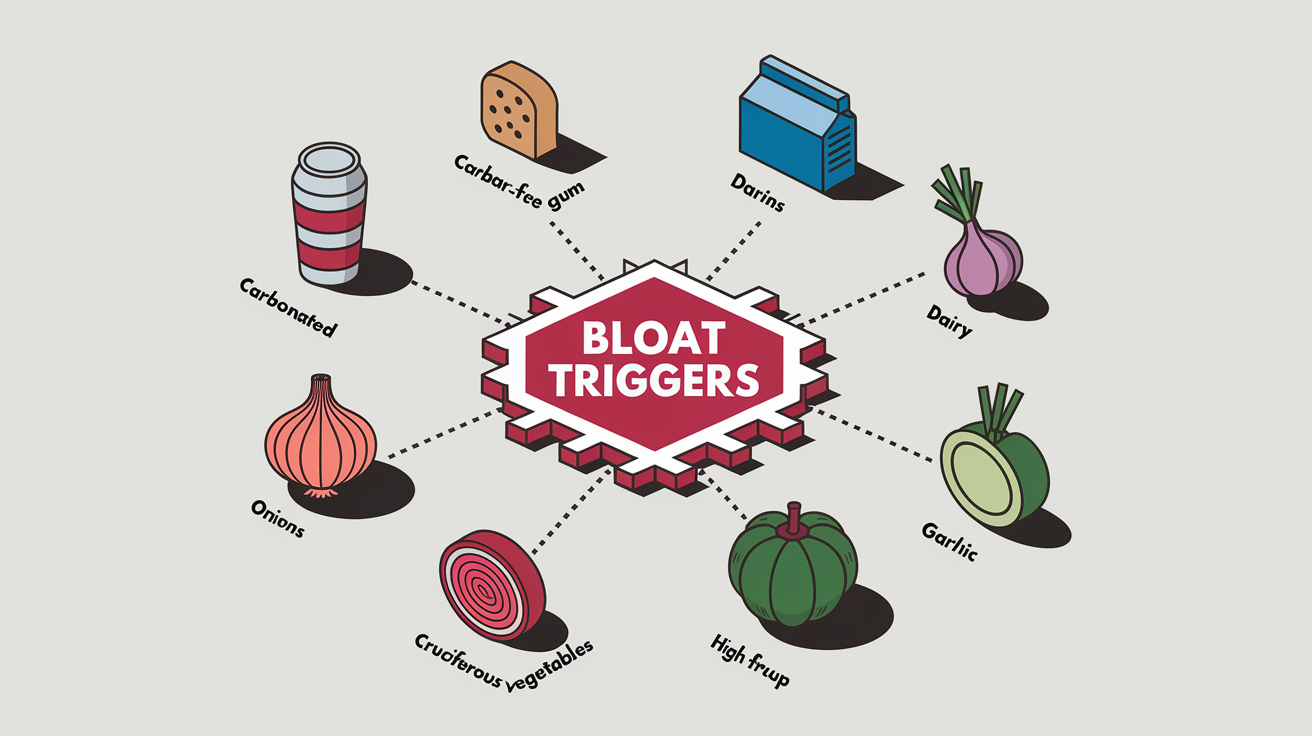
Some foods are common offenders that trigger bloating within an hour or two of eating them. If you’re trying to reduce bloating fast, temporarily avoiding these can make a noticeable difference.
Carbonated drinks like soda, seltzer, sparkling water, and beer are immediate culprits. Sugar alcohols, sorbitol, xylitol, and mannitol found in sugar free gum, candy, and diet products ferment quickly. Cruciferous vegetables including broccoli, cauliflower, Brussels sprouts, and cabbage produce gas during digestion. High FODMAP fruits like apples, pears, watermelon, and cherries ferment in the gut. Dairy products such as milk, cheese, yogurt, and ice cream cause problems if you’re lactose intolerant. And onions and garlic both contain fructans that ferment and produce gas.
You don’t have to avoid these foods forever. But during a bloating flare up, cutting them out for a few days can help you figure out which ones are your personal triggers. Pay attention to how you feel when you add them back one at a time. If bloating returns right after reintroducing dairy, for example, that’s a pattern worth tracking.
Quick At Home Techniques to Physically Reduce Gas and Bloating

Sometimes the simplest way to ease bloating is to physically encourage trapped gas to move. Gentle movement, stretching, and breathing exercises all help your digestive system shift air and waste along.
Step by Step Abdominal Massage
Lie on your back with your knees bent and feet flat on the floor. Place your right hand on your lower right abdomen, just inside your hip bone. Using gentle circular pressure, massage upward toward your ribs, following the path of your colon. Continue across your upper abdomen from right to left, then down the left side. Repeat the full circle 5 to 10 times, applying steady but light pressure.
Walking after meals is one of the easiest ways to reduce bloating. Even a slow 10 minute walk helps gravity and muscle contractions move gas through your intestines. Yoga poses like child’s pose, cat cow, and gentle twists can also encourage gas release.
Diaphragmatic breathing, breathing slowly and deeply into your belly instead of your chest, reduces the amount of air you swallow and relaxes the muscles around your stomach. Try breathing in for 4 counts, holding for 2, and exhaling for 6. Do that for a few minutes and notice whether the tightness starts to ease.
Over the Counter Options for Fast Bloating Relief
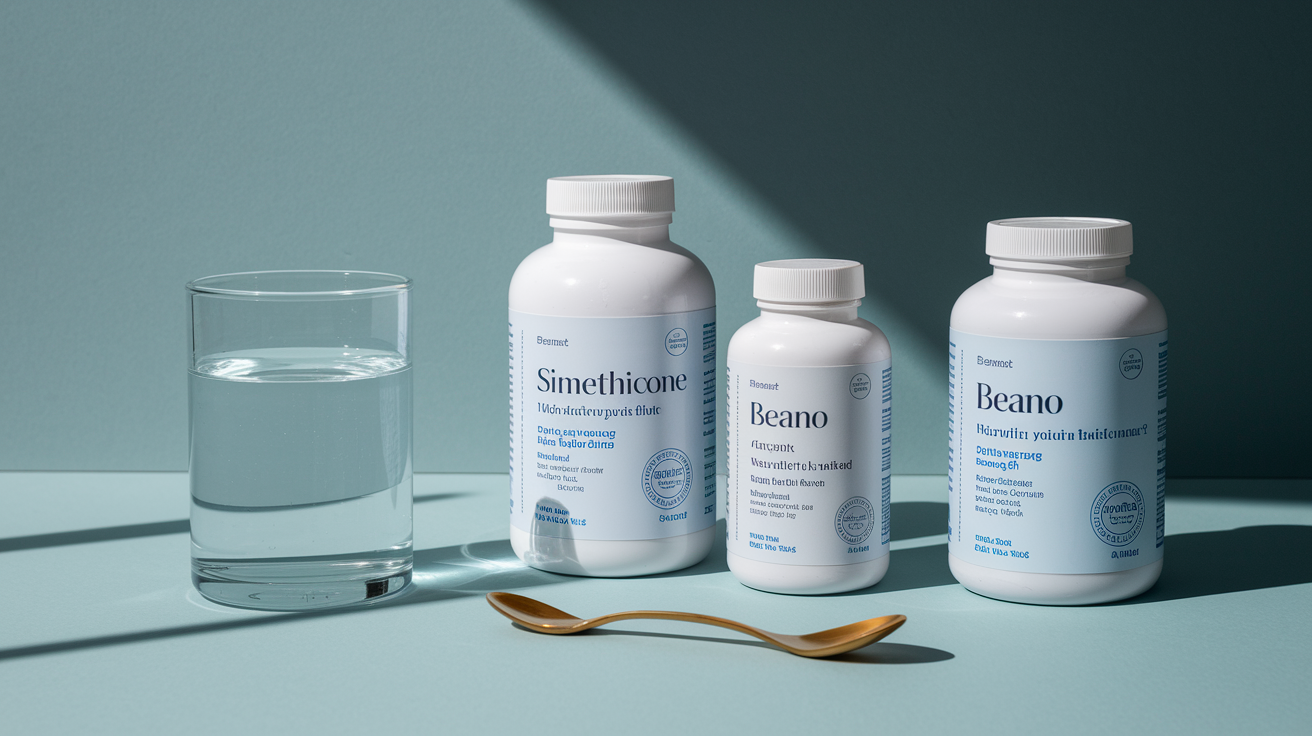
Over the counter products can provide noticeable relief, especially when combined with the other fast acting steps. Some work in minutes, while others take days or weeks to show benefits.
Simethicone products like Mylanta Gas, Maalox Anti Gas, and Alka Seltzer Anti Gas are designed to break up gas bubbles so they’re easier to pass. They work faster than hydration or diet changes, often within 15 to 30 minutes.
Digestive enzymes can help if your bloating is tied to specific foods. Lactase supplements like Lactaid or Dairy Ease break down lactose in dairy, making them useful if you suspect lactose intolerance. Alpha galactosidase products like Beano help digest the complex carbs in beans, chickpeas, lentils, and cruciferous vegetables. You take them right before eating the trigger food.
| Product Type | Best For | How Fast It Works |
|---|---|---|
| Simethicone (Mylanta Gas, Alka Seltzer Anti Gas) | Breaking up trapped gas bubbles | 15 to 30 minutes |
| Lactase (Lactaid, Dairy Ease) | Lactose intolerance, dairy related bloating | Within the meal or shortly after |
| Alpha galactosidase (Beano) | Beans, lentils, cruciferous vegetables | During digestion, within 1 to 2 hours |
Probiotics are another option, but they work more slowly. Daily supplements or probiotic rich foods like kimchi, kefir, and some yogurts help balance your gut bacteria over time. Look for strains like Lactobacillus acidophilus and Bifidobacterium lactis. Expect it to take a few weeks before you notice a reduction in bloating.
Tracking Patterns to Prevent Recurring Bloat Quickly

The fastest way to stop bloating from coming back is to identify your personal triggers and avoid them. A food and symptom diary makes patterns easy to spot.
Write down everything you eat and drink each day, along with the time and how you feel an hour or two later. Note bloating severity, other symptoms like gas or cramping, and anything unusual. Stress, rushed meals, new medications, lack of sleep. After a week or two, look for connections. Did bloating always follow dairy? Did it happen after large dinners but not smaller lunches? Did it show up on days you drank soda or chewed gum?
Track when symptoms started and how long they lasted. Note severity on a scale of 1 to 10. Write down what you ate or drank in the two hours before bloating began. And include other factors like stress, posture, activity level, or menstrual cycle timing.
If you suspect lactose intolerance, try eliminating all dairy. Milk, cheese, yogurt, ice cream. Do it for two full weeks. Switch to lactose free milk during the trial. If your bloating improves significantly, that’s a strong signal.
You can also try a low FODMAP elimination diet under the guidance of a dietitian, though that’s more restrictive and takes longer to evaluate. Eating slowly and mindfully also reduces the amount of air you swallow, which can prevent bloating before it starts.
When Fast Remedies Aren’t Enough: Medical Causes Behind Persistent Bloating

If you’ve tried the fast acting steps and your bloating doesn’t improve within a few weeks, or if it keeps getting worse, there may be an underlying medical cause that needs evaluation.
Conditions like small intestinal bacterial overgrowth (SIBO), irritable bowel syndrome (IBS), celiac disease, and gastroparesis (delayed stomach emptying) can all cause frequent or chronic bloating. Hormonal changes during your menstrual cycle, perimenopause, or menopause can also slow digestion and increase water retention.
SIBO happens when bacteria overgrow in the small intestine, producing excess gas, bloating, diarrhea, and cramping. It’s often diagnosed with a breath test and may be treated with antibiotics. IBS can present with bloating alongside constipation or diarrhea, and management often includes diet changes, stress reduction, and sometimes antispasmodic medications to relax the gut.
Common Medical Evaluations
Bloodwork and stool tests check for celiac disease, inflammation markers, nutrient malabsorption, or infection.
SIBO breath test measures hydrogen and methane levels after you drink a sugar solution. Elevated levels suggest bacterial overgrowth.
Imaging or endoscopy. In some cases, a doctor may order an abdominal ultrasound, CT scan, or upper endoscopy to look for structural issues, ulcers, or blockages.
If your bloating is persistent, progressively worsening, or paired with other symptoms like unexplained weight loss, severe abdominal pain, or chronic diarrhea, it’s worth getting checked. Your primary care provider or a gastroenterologist can help zero in on the cause and offer treatment options beyond what you can do at home.
When to See a Doctor for Ongoing or Severe Bloating

Most bloating improves with simple changes, but some symptoms are red flags that need medical attention. If your bloating lasts for several weeks despite home remedies, or if it’s accompanied by worrying signs, don’t wait.
Make an appointment if bloating is getting worse instead of better, if it never fully goes away, or if you notice other changes that don’t make sense. Bloating that comes with severe, sharp abdominal pain, persistent vomiting where you can’t keep food or liquids down, ongoing nausea, chronic diarrhea, or unintentional weight loss all warrant evaluation.
Watch for bloating that persists for more than a few weeks without improvement. Severe abdominal pain that doesn’t ease with gas relief or movement needs attention. Vomiting that won’t stop or prevents you from eating or drinking is a concern. Unexplained weight loss over the past few weeks or months shouldn’t be ignored. And blood in your stool, black tarry stools, or persistent diarrhea all require medical evaluation.
Final Words
Start by trying the fastest fixes we listed: stop fizzy drinks, walk after a meal, try simethicone or a cup of ginger or peppermint tea. Those give relief in minutes for many people.
You also learned common triggers, quick foods that help or hurt, simple massage and breathing moves, OTC choices, tracking tips, and when to see a clinician.
Use these practical steps to test what works and learn how to reduce bloating fast. With a little tracking, relief and better control are within reach.
FAQ
Q: How do I debloat my stomach asap?
A: Debloating your stomach ASAP means tackling gas and swallowed air. In five minutes: stop fizzy drinks, sip warm ginger or peppermint tea, and do a gentle belly massage. In thirty minutes: walk, take simethicone, eat a low‑FODMAP snack.
Q: How to reduce bloating in 5 minutes?
A: Reducing bloating in five minutes works best by stopping carbonated drinks, sitting upright, sipping warm ginger or peppermint tea, and doing gentle abdominal massage or knee‑to‑chest movements to help move trapped gas.
Q: How to get unbloated in 30 minutes?
A: Getting unbloated in thirty minutes often needs mild activity and remedies: take a short brisk walk, do abdominal massage or yoga poses, use simethicone if available, and avoid more food or fizzy drinks.
Q: How long does it take for a bloated belly to go down?
A: A bloated belly usually eases within minutes to hours for simple gas or swallowed air. Food-related bloating can last 24 to 72 hours. If it lasts weeks or worsens, see a clinician.