

Tired of sudden stomach cramps that stop you in your tracks?
You can often ease them fast with simple, natural steps, like heat, gentle movement, herbal teas, and calm breathing.
This quick guide walks you through step-by-step relief you can try right now, easy home remedies that really work, and clear signs that mean you should see a clinician.
Read on to learn what to do first, what to track, and when to get help.
Immediate Relief Methods to Ease Stomach Cramps Fast

Heat relaxes the smooth muscles in your abdomen and stops cramping by improving blood flow. When you apply warmth, those muscle fibers loosen up and the sharp, twisting discomfort backs off. A hot water bottle on your belly, a heated wheat bag from the microwave, or a warm bath can all help within 10 to 20 minutes.
Simple breathing exercises calm your nervous system and reduce muscle tension. Diaphragmatic breathing works because you’re breathing deeply into your belly instead of your chest, which signals your digestive tract to relax. Try lying on your back, placing one hand on your chest and the other on your belly, then inhaling slowly through your nose so only your belly rises. Breathe out slowly. Repeat this for three to five minutes.
Body position matters more than most people realize. Lying flat can worsen reflux and pressure, so sit upright or recline with pillows propping your head, neck, and chest. Don’t curl into a tight fetal position, even though it feels instinctive. That can trap gas and make cramping worse.
Here are the fastest relief methods you can try right now:
- Heat: Use a heating pad, hot water bottle with a cover, or take a warm bath to relax abdominal muscles.
- Hydration: Sip water slowly or suck on ice chips to prevent dehydration, especially if you’re vomiting or have diarrhea.
- Gentle stretching: Try light yoga or a slow walk to release trapped gas and ease muscle tension.
- Breathing techniques: Practice diaphragmatic breathing for a few minutes to reduce stress related cramping.
- Upright posture: Sit or lie with your upper body elevated instead of lying flat or curling tightly.
- Herbal teas: Drink peppermint, ginger, or chamomile tea to calm your stomach and reduce inflammation.
Home Remedies That Help Reduce Stomach Cramps

Natural remedies offer quick relief without side effects when you use them correctly. Peppermint, ginger, chamomile, and apple cider vinegar work through different pathways to reduce cramping, nausea, and inflammation. They’re easy to prepare and you can use them at home as soon as symptoms start.
Each remedy has a slightly different benefit, so you can choose based on your symptoms. If you feel nauseous, ginger and peppermint are the strongest options. If cramping comes with stress or tightness, chamomile helps relax your digestive tract. Apple cider vinegar is best for indigestion and bloating.
Peppermint
Peppermint contains menthol, a natural compound that acts as a pain reliever and reduces spasms in your intestinal muscles. You can drink peppermint tea, suck on peppermint candy, chew fresh leaves, or sniff peppermint extract. It helps with nausea, intestinal spasms, diarrhea, and the discomfort of heartburn. The effect is often noticeable within 15 to 30 minutes.
Ginger
Ginger has two active compounds, gingerols and shogaols, that speed up stomach contractions and reduce nausea, vomiting, and diarrhea. Fresh ginger root is the most effective form. You can grate it into hot water to make tea, chew fresh slivers, take capsules, or drink ginger ale made with real ginger. Ginger tea soothes the stomach faster than almost any other natural remedy, especially when nausea hits hard.
Chamomile Tea
Chamomile is a mild anti-inflammatory that relaxes stomach muscles and reduces cramping. It works best when sipped slowly before bed, since it also supports relaxation and sleep. Add a little honey and lemon if the taste feels too plain. Chamomile is safe for most people and gentle enough to use daily if cramping is a regular problem.
Apple Cider Vinegar
Apple cider vinegar can help with gas and indigestion when mixed correctly. Combine 1 tablespoon of apple cider vinegar with 1 cup of warm water and 1 teaspoon of honey, then sip slowly. Never drink it undiluted because it can irritate your throat and damage tooth enamel. Some people take 1 spoonful daily as a preventive measure, but wait until symptoms appear if this is your first time trying it.
Dietary Adjustments to Stop or Prevent Stomach Cramps

Bland starchy foods reduce the digestive workload and let your stomach rest. Bananas, rice, toast, crackers, and boiled potatoes are easy to break down and rarely trigger more cramping. Bananas also help replace potassium and magnesium lost from vomiting or diarrhea. If you’re constipated, add fiber carefully with apples, mango, whole grains, beans, or sweet potato. But don’t make a sudden jump in fiber intake because that can worsen gas and pain.
Certain foods trigger cramps by increasing acid production, gas, or muscle spasms. Fried, fatty, spicy, creamy, and salty foods slow digestion and irritate your stomach lining. Alcohol, fizzy drinks, and gas producing vegetables like broccoli, sprouts, and asparagus make bloating worse. Avoid these until the cramping stops completely.
| Food | Effect on Cramps |
|---|---|
| Bananas, rice, toast | Calm stomach, easy to digest, replace lost nutrients |
| Fried or spicy foods | Increase acid production, slow digestion, worsen pain |
| Ginger, chamomile tea | Reduce nausea, relax muscles, reduce inflammation |
| Broccoli, sprouts, beans | Produce gas, increase bloating, trigger cramping |
Over-the-Counter Options for Stomach Cramp Relief

OTC analgesics like paracetamol or ibuprofen reduce fever and general aches, but they don’t stop diarrhea or vomiting. They can help if cramping comes with headaches or body pain. Use them as directed on the package and avoid taking them on an empty stomach if you’re already experiencing digestive upset.
Simethicone is designed to reduce gas related cramping by breaking up gas bubbles in your digestive tract. It doesn’t treat the cause of the gas, but it does provide fast relief from bloating and pressure. Antacids can help if cramping is linked to heartburn or indigestion. Check the label to confirm suitability, especially if you’re taking other medications.
Antidiarrheal medicines may reduce cramping tied to diarrhea, but they shouldn’t be used if you have a fever, blood in your stool, or signs of infection. OTC antiemetics (anti-vomiting medicines) may also be available. Read the leaflet carefully and speak with a pharmacist or GP before taking any new OTC medication, especially if symptoms have lasted more than a day or two.
Common Causes Behind Stomach Cramps
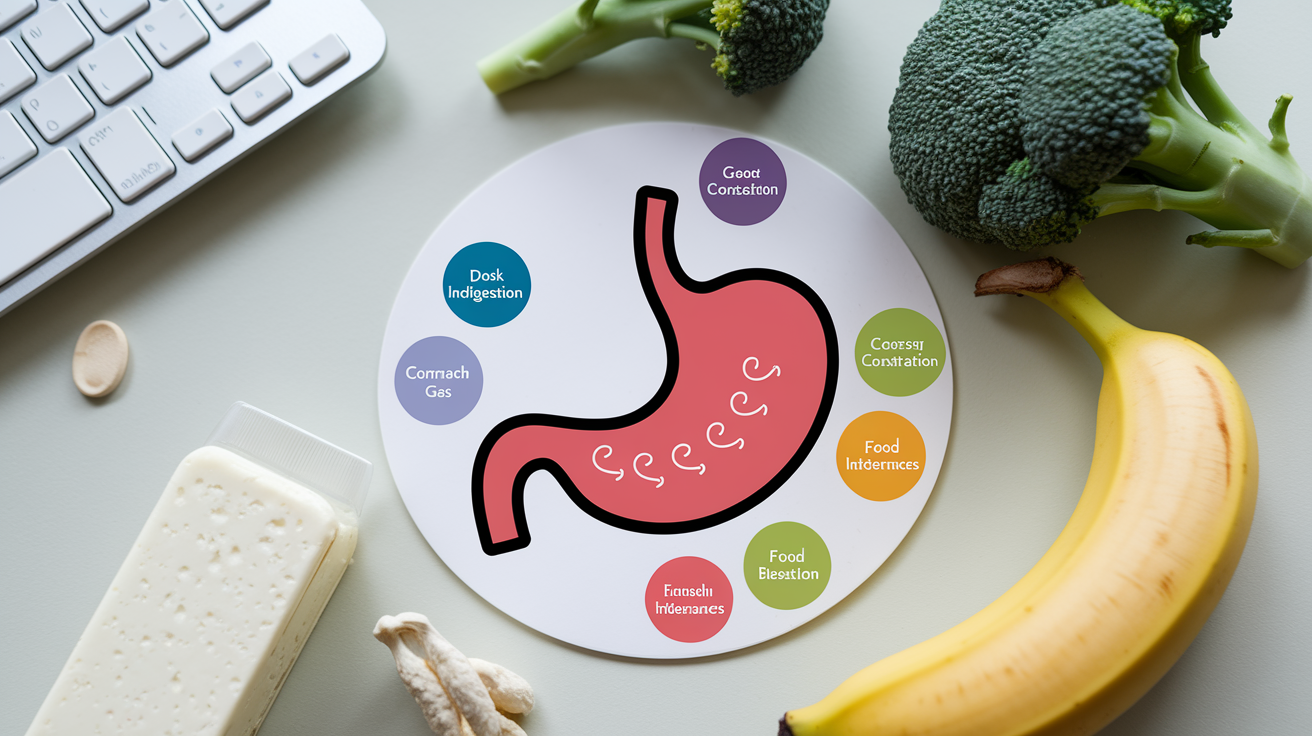
Indigestion is one of the most common causes and often follows overeating, eating too fast, or consuming greasy, spicy, or fried foods. It creates a dull ache or tightness in your upper abdomen and may come with heartburn, belching, or a sour taste. Indigestion usually improves within a few hours, especially if you rest and avoid more food.
Gas related cramps feel sharp and move around your abdomen. They can be triggered by swallowing air, eating gas producing foods, or drinking carbonated beverages. A gentle back twist yoga stretch, done while sitting on your feet, can help release trapped gas. Light walking also encourages movement through your digestive tract and reduces pressure.
Constipation causes cramping when stool builds up and stretches your intestines. The pain is often lower in your abdomen and improves after a bowel movement. Food intolerances, like lactose intolerance, trigger cramping within 30 minutes to 2 hours of eating the problem food. Stress and anxiety can also cause cramping by increasing muscle tension and disrupting normal digestion.
Other common causes include:
- Diarrhea from infection, food poisoning, or stomach flu.
- Medication side effects, especially antibiotics and painkillers.
- Menstrual cramps that radiate into your lower belly.
- Irritable bowel syndrome (IBS), which causes recurring cramping with bloating and changes in bowel habits.
- Gastritis or peptic ulcers, which create burning pain in your upper stomach.
When Stomach Cramps Signal a Need for Medical Attention

Most stomach cramps improve within a few hours to 24 hours with rest, fluids, and simple home care. But certain symptoms mean you shouldn’t wait. If pain gets worse instead of better, lasts for several days, or comes with other worrying signs, medical review is necessary. This is especially true for children who’ve been vomiting violently for more than 1 day, or older adults with vomiting and diarrhea, since dehydration risk is higher.
Persistent or sudden worsening of pain can signal something more serious, like appendicitis, gallbladder inflammation, kidney stones, or a bowel obstruction. Difficulty swallowing food, changes in urination (peeing more or less often, or painful urination), or unexplained weight loss are all reasons to see a GP promptly.
Seek emergency care immediately if you notice any of these urgent warning signs:
- Blood in your stool or vomit, or black stool that looks like tar.
- Severe abdominal tenderness where it hurts to touch your stomach.
- Inability to stop vomiting or continual diarrhea.
- Dizziness or lightheadedness, which suggests severe dehydration.
- Yellowing of your eyes (jaundice).
- Sudden severe pain that stops you from moving or doing normal activities.
Long-Term Prevention Strategies for Reducing Stomach Cramps

Stress and anxiety have a direct link to stomach cramping through the gut brain connection. When you’re anxious, your body releases hormones that increase muscle tension in your digestive tract and change how your stomach processes food. Relaxation techniques like deep breathing, progressive muscle relaxation, or short meditation sessions can reduce cramping frequency. Light walking after meals also helps by encouraging digestion and reducing bloating.
Identifying dietary triggers is one of the most effective long term strategies. Some people find that dairy, gluten, caffeine, or artificial sweeteners consistently cause cramping. A low FODMAP diet, which reduces fermentable carbohydrates, has been shown to reduce symptoms in people with IBS. Start by removing one suspected trigger food at a time for 2 weeks, then reintroduce it and watch for changes.
Daily habits matter. Eating smaller, more frequent meals instead of three large ones reduces the digestive load and prevents overproduction of stomach acid. Chew food slowly and avoid eating while distracted. Stay hydrated throughout the day, aiming for about 8 or more cups of water. Avoid lying down immediately after eating because this can worsen reflux and cramping.
Using a Symptom/Food Diary
A symptom and food diary helps you find patterns that are hard to notice otherwise. Write down what you eat, when you eat it, and how you feel 30 minutes to 2 hours later. Track the timing, severity, and type of cramps, plus any related symptoms like bloating, nausea, or changes in bowel movements. After 2 weeks, review the entries and look for repeated connections between certain foods or situations and your symptoms. This information is also helpful to share with your GP if cramping continues.
Final Words
Try quick, practical steps now: warmth, water, upright rest, gentle stretching and slow belly breaths to calm cramping right away. Try peppermint, ginger, or chamomile and consider simple OTC options if needed.
If pain keeps coming back or you notice worrying signs, get checked. Track timing, triggers, foods, and meds so you can share clear info with a clinician.
With simple steps and better tracking, you can learn how to stop stomach cramps and feel more in control.
FAQ
Q: How do you get rid of stomach cramps fast?
A: Getting rid of stomach cramps fast involves applying heat to the belly, sipping water or ice chips, gentle stretching, diaphragmatic breathing, and sitting upright or slightly reclined; peppermint or ginger tea can help calm muscles.
Q: What triggers stomach cramps?
A: Stomach cramps are triggered by indigestion, gas, constipation, food intolerances, stomach infections, stress or anxiety, and some medicines like antibiotics or painkillers; triggers shape timing and how long pain lasts.