

Have you ever felt a tight band around your chest and struggled to take a full breath?
That combination can mean many things, from heart problems like a heart attack (when blood flow to part of the heart stops) or a clot in the lung called a pulmonary embolism, to asthma, reflux, or a strained rib muscle.
This post gives clear steps to help you decide when to get urgent care, which warning signs to watch, what to track, and what to ask your clinician.
Immediate Clarity on Chest Tightness and Trouble Breathing

Chest tightness paired with shortness of breath means your body’s signaling that something’s interfering with oxygen delivery or the mechanics of breathing. It can feel like a band squeezing your chest, like you can’t pull in a full breath, or like your heart’s beating too fast to keep up. Sometimes it starts gradually during exertion. Other times it strikes suddenly while you’re resting or asleep. Either way, the combination matters because your heart and lungs work as a team. When one system struggles, the other often shows symptoms too.
The dangerous possibilities include a heart attack, when blood flow to part of the heart is blocked, a pulmonary embolism, when a clot travels to the lung arteries, and severe asthma or pneumothorax, when the lung collapses or airways close down. Less urgent but still important causes range from acid reflux and muscle strain near the ribs to panic attacks and chronic lung disease. The key is recognizing which symptoms suggest an emergency and which allow time for scheduled evaluation. Even mild episodes that recur or slowly worsen deserve a conversation with your doctor.
If you notice any of the red flags below, get urgent medical care. Don’t wait to see if they pass on their own:
Sudden severe chest pain or heavy pressure that feels crushing or doesn’t ease after a few minutes. Pain radiating to your jaw, neck, shoulder, or left arm. Shortness of breath that persists after 30 minutes of rest or worsens rapidly. Fainting, near fainting, severe dizziness, or cold sweats. Skin, lips, or fingernails turning blue. Rapid or irregular heartbeat with breathlessness, or coughing up blood.
Cardiac Causes Behind Tight Chest and Breathing Difficulty
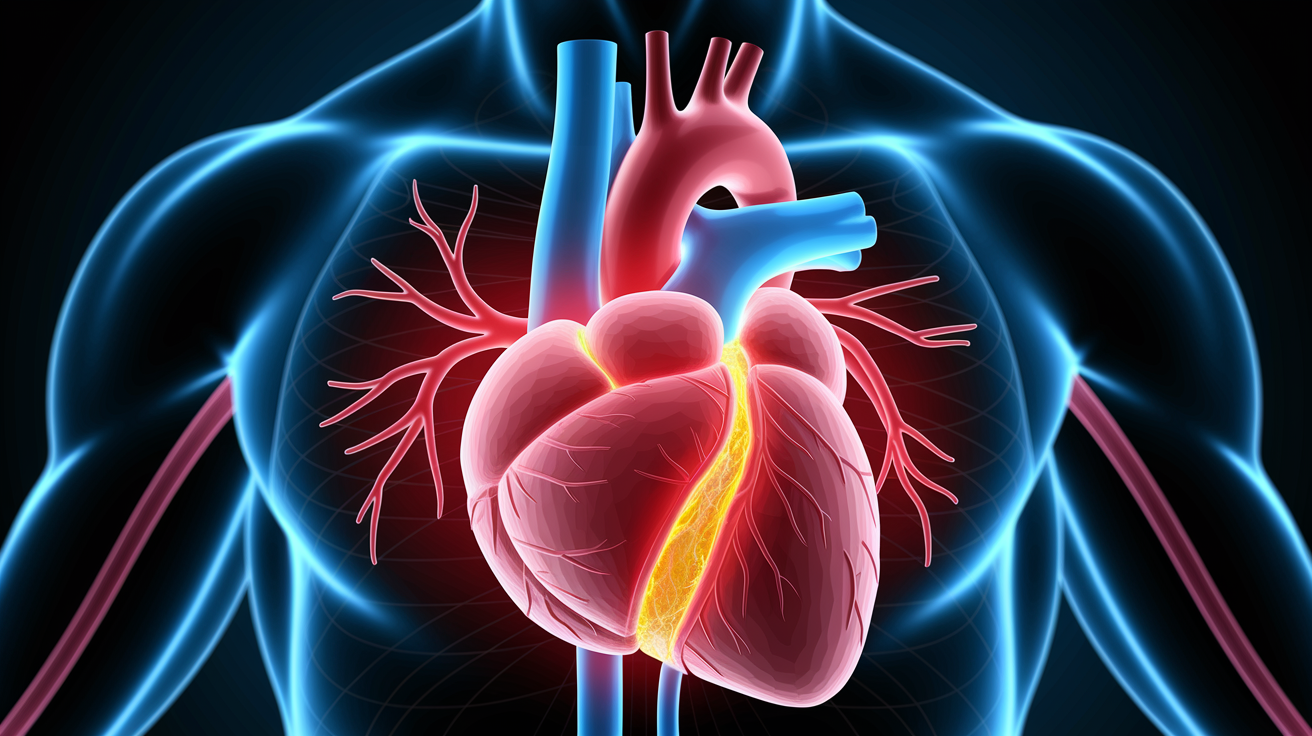
Your heart pumps oxygen rich blood to your body and returns oxygen poor blood to your lungs. When that pump weakens, narrows its fuel lines, or beats chaotically, the mismatch shows up as chest pressure and air hunger. Cardiac causes are common in adults with risk factors like high blood pressure, high cholesterol, smoking, diabetes, or a family history of early heart disease. The sensation often gets worse with activity because your heart can’t meet the higher demand for blood flow.
Heart related breathlessness may come with nausea, sweating, or a sense of dread. It can improve briefly when you rest, especially if the arteries are narrowed but not yet blocked. Or it may persist and worsen if heart muscle is actively damaged or the pump is failing. Either pattern requires evaluation.
Coronary Artery Disease
Coronary artery disease happens when cholesterol plaques build up inside the arteries that feed your heart muscle. As the opening narrows, less oxygen rich blood gets through, especially during exertion or stress. You feel it as chest tightness or pressure, often on the left side or across the center of your chest. The pain may spread to your jaw, neck, or left arm. Shortness of breath tags along because your heart’s working harder to supply the body. Symptoms that come on with activity and ease with rest are called angina, and they’re a warning that complete blockage could happen without treatment.
Heart Attack vs. Acute Ischemia
A heart attack occurs when a plaque ruptures and a blood clot completely blocks an artery. Blood flow to part of the heart muscle stops, and tissue begins to die. The chest pain is typically sudden, severe, and feels like an elephant sitting on your chest. Sweating, nausea, shortness of breath, and lightheadedness often appear together. Acute ischemia is the broader term for reduced blood flow that may or may not cause permanent damage yet, but both situations are urgent. Every minute of delay increases the risk of lasting heart failure, dangerous rhythms, or death.
Arrhythmias and Heart Failure
Arrhythmias are irregular or too fast heartbeats that reduce pumping efficiency. Atrial fibrillation is the most common type. You may feel your heart fluttering or racing, and you get breathless with mild activity. Heart failure means the heart can’t pump strongly enough to keep fluid from backing up into the lungs. Symptoms include persistent shortness of breath that worsens when you lie flat (orthopnea), swelling in your legs or belly, and fatigue that limits daily tasks. The tightness in your chest comes from congested lungs rather than blocked arteries, but the result feels just as alarming.
Lung Related Triggers for Chest Tightness and Shortness of Breath
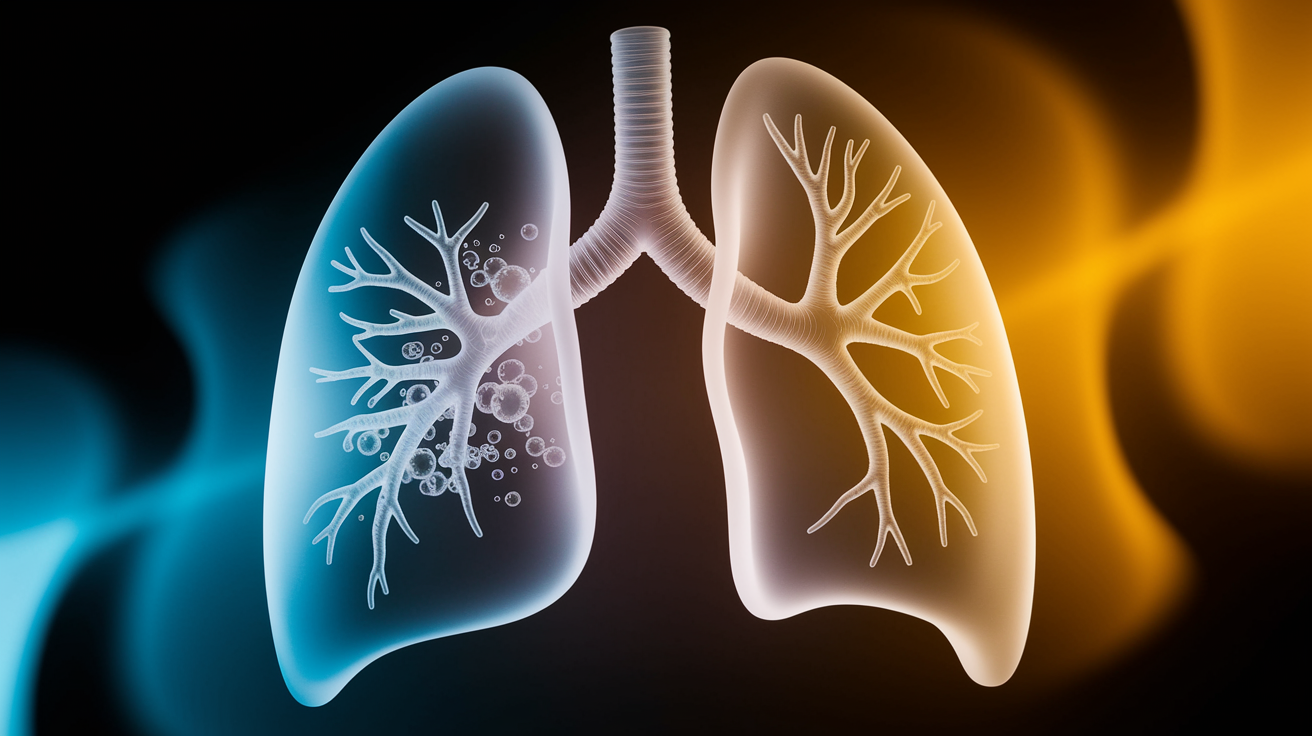
Your lungs pull oxygen in and push carbon dioxide out. When airways narrow, lung tissue stiffens, or air pockets collapse, the work of breathing becomes harder and you feel short of air. Lung conditions often produce a tight or squeezing sensation across the chest wall because respiratory muscles strain to move air. Coughing, wheezing, and sharp pain with deep breaths are common clues that the problem sits in the airways or lung tissue rather than the heart.
Infections, chronic inflammatory diseases, and sudden structural failures all interfere with gas exchange. Some lung emergencies develop in seconds, like a collapsed lung after trauma. Others build over weeks, like pneumonia or a flare of chronic obstructive pulmonary disease (COPD). Tracking the speed of onset and accompanying symptoms helps narrow the list of possibilities.
Obstructive Conditions (Asthma, COPD)
Asthma causes the airways to swell and tighten in response to triggers like allergens, cold air, exercise, or respiratory infections. You hear a wheeze or high pitched sound when you breathe out, and your chest feels tight as if you can’t empty your lungs fully. Chronic obstructive pulmonary disease (COPD), which includes emphysema and chronic bronchitis, develops after years of smoking or exposure to lung irritants. Breathlessness starts with heavy exertion and gradually creeps into lighter activities. Chest tightness in COPD comes from air trapping and overworked breathing muscles. Both conditions require daily medication to keep airways open and prevent dangerous flare ups.
Sudden Onset Emergencies (Pneumothorax)
Pneumothorax means air leaks into the space between the lung and chest wall, causing the lung to collapse partially or completely. It can follow a rib injury, happen spontaneously in tall thin individuals, or complicate underlying lung disease. The hallmark is sudden sharp chest pain on one side and immediate severe breathlessness. Moving or taking a deep breath makes the pain worse. A tension pneumothorax, where pressure builds and shifts the heart, is life threatening and needs emergency decompression.
Infections and Inflammation (Pneumonia, COVID 19, ILD)
Pneumonia is a lung infection that fills air sacs with fluid and pus. You develop fever, cough, sharp chest pain that worsens with breathing, and difficulty getting enough air. COVID 19 can cause similar symptoms and may leave lingering breathlessness even after the acute infection clears, a pattern known as long COVID. Interstitial lung disease (ILD) is a group of chronic conditions where lung tissue becomes scarred and stiff. Breathlessness develops slowly over months, and chest tightness comes from the mechanical effort of expanding rigid lungs. Pleurisy, inflammation of the lining around the lungs, adds sharp stabbing pain with each breath.
| Lung Condition | Typical Chest Sensation | Typical Breathing Change |
|---|---|---|
| Asthma | Tightness, feeling of constriction | Wheeze, difficulty exhaling fully |
| COPD | Heaviness, fatigue in chest muscles | Progressive exertional breathlessness |
| Pneumothorax | Sudden sharp one sided pain | Rapid severe air hunger |
| Pneumonia / COVID 19 | Sharp or aching pain with breaths | Shallow rapid breathing, possible fever |
| Interstitial Lung Disease | Tightness from stiff lung tissue | Gradual worsening breathlessness over months |
Non Cardiac, Non Pulmonary Sources of Chest Pressure and Air Hunger

Not every episode of chest tightness and shortness of breath points to the heart or lungs. Digestive problems, inflamed rib joints, and anxiety can mimic serious cardiac or respiratory emergencies. These causes are usually not life threatening, but they still interfere with daily life and need treatment. The challenge is telling them apart from the dangerous conditions, especially when symptoms feel intense.
Clues that point away from heart or lung disease include clear triggers like eating a large meal, bending over, moving your torso in a certain way, or experiencing acute stress. Pain that changes with body position or gets worse when you press on your ribs suggests a musculoskeletal source. Symptoms that improve quickly with antacids, relaxation, or stopping a specific movement are less likely to be cardiac or pulmonary, though exceptions exist.
Digestive
Gastroesophageal reflux disease (GERD) happens when stomach acid flows back into the esophagus. The burning pain in the center of your chest can feel like heart pain, and it may be accompanied by a sour taste, burping, or throat irritation. Lying down or bending forward after a meal often makes it worse. Esophageal spasm, a less common condition, causes sudden squeezing pain in the chest that can take your breath away. Both can trigger a sense of tightness and air hunger because the esophagus sits right behind the heart, and pain signals overlap.
Musculoskeletal
Costochondritis is inflammation of the cartilage that connects your ribs to your breastbone. It produces sharp or stabbing chest pain that worsens when you cough, sneeze, take a deep breath, or press on the affected area. The pain is localized, often near the center or side of the chest, and can last for weeks. Muscle strain from heavy lifting, a hard cough, or overexercising can also cause aching chest tightness. Neither condition affects your heart or lungs, but the pain can be severe enough to make you breathe shallowly, which creates a feeling of not getting enough air.
Anxiety
Panic attacks and anxiety episodes trigger a surge of adrenaline that speeds up your heart rate, tightens your chest muscles, and makes you hyperventilate. You may feel like you’re suffocating or about to pass out. The symptoms can come on suddenly and mimic a heart attack closely enough that many people end up in the emergency room. The key differences are the link to acute stress or fear, rapid shallow breathing that you can sometimes slow down voluntarily, and the absence of objective findings like low oxygen or abnormal heart tracings. Even so, the first episode should be evaluated to rule out cardiac causes, especially if you have risk factors.
Emergency Action Steps for Chest Tightness and Breathlessness

Deciding when to call for help depends on the severity and speed of your symptoms, not the diagnosis. If chest tightness or breathlessness is sudden, severe, or getting worse minute by minute, treat it as an emergency. Don’t wait to see if it passes on its own, and don’t drive yourself to the hospital. Rapid evaluation can save heart muscle, prevent clot complications, and stabilize dangerous rhythms before they turn fatal.
Less severe episodes still deserve attention if they persist after rest, recur frequently, or interfere with normal activities. Tracking the pattern over hours or days helps clinicians decide which tests to run and how quickly. Write down when symptoms started, what you were doing, how long they lasted, and what made them better or worse.
Call emergency services (911) immediately if you have crushing or severe chest pain, especially if it radiates to your jaw, neck, or arm. Call emergency services if you’re short of breath at rest and it doesn’t improve after sitting quietly for 30 minutes. Call emergency services if you experience fainting, near fainting, confusion, or your skin or lips turn blue. Call emergency services if you have sudden sharp chest pain with breathlessness and a history of recent leg swelling or long travel, as this may indicate a pulmonary embolism.
Go to urgent care or the emergency department if you have moderate chest tightness with mild breathlessness that’s new, persistent beyond a few hours, or accompanied by fever, cough, or rapid heartbeat. Schedule a same day or next day appointment with your primary care doctor if symptoms are mild, come and go over several days, or occur only with exertion and resolve quickly with rest. Use your prescribed rescue inhaler or epinephrine autoinjector if you have known asthma or allergies and recognize a flare, then seek care if symptoms don’t improve within minutes.
How Clinicians Diagnose the Cause of Chest Tightness with Shortness of Breath
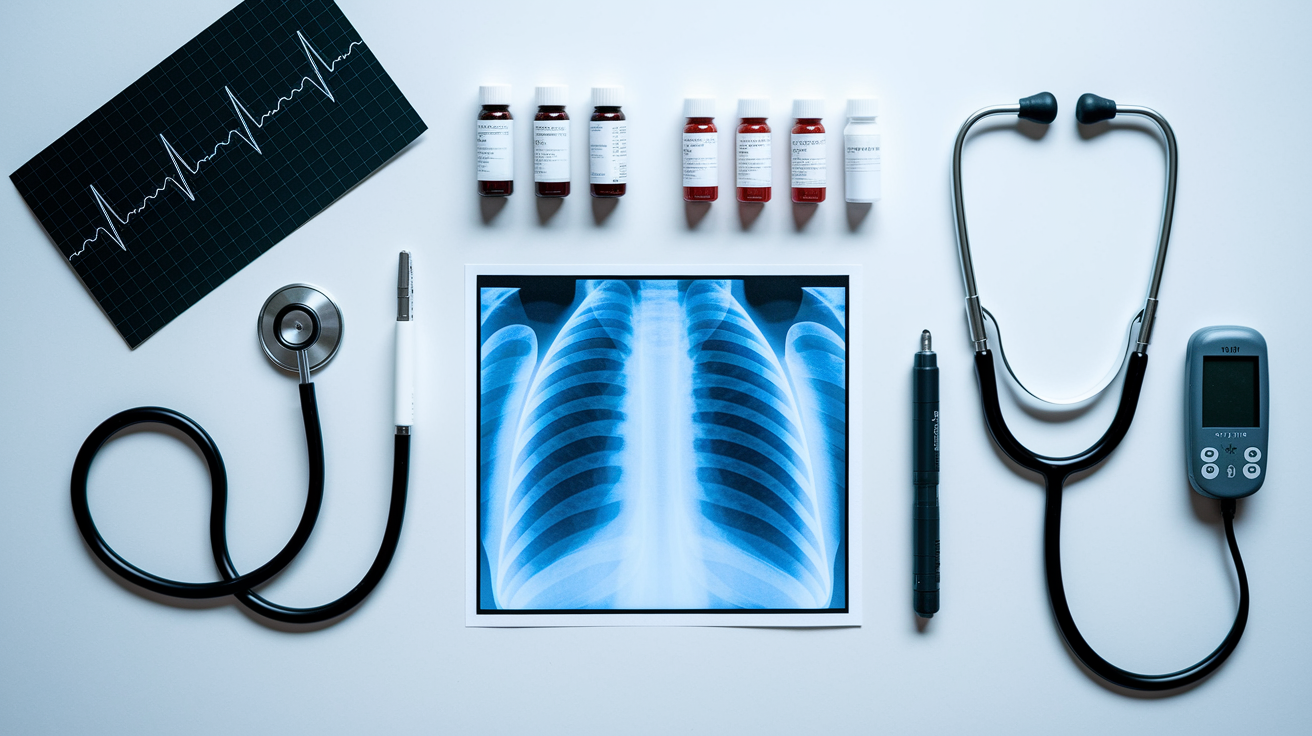
Doctors use your symptom story, physical exam, and targeted testing to separate heart problems from lung problems from everything else. The first question is usually about timing. Did it start suddenly or gradually? The second is about what makes it better or worse: rest, position, eating, stress, or activity. Your answers guide which tests to order first. Most emergency and urgent evaluations begin with an electrocardiogram (ECG) and chest X ray because they’re fast, low risk, and cover the most dangerous causes.
Blood tests add information about infection, clotting risk, and heart muscle damage. Imaging like CT scans can detect blood clots in the lungs or structural problems that don’t show up on a simple X ray. Lung function tests measure how well air moves in and out, which helps diagnose asthma, COPD, and restrictive diseases. The goal is not to run every test but to match the testing to the clinical picture so you get answers quickly without unnecessary procedures.
Diagnostic workup typically includes:
Electrocardiogram (ECG) records the heart’s electrical activity to detect ischemia, arrhythmias, or signs of a prior heart attack. Takes seconds and is often done immediately in the emergency room. Chest X ray shows lung infections, fluid buildup, collapsed lung, and enlarged heart. Fast and widely available. D dimer blood test screens for blood clots. Elevated levels suggest the need for further imaging like CT pulmonary angiography. CT pulmonary angiography (CTPA) uses contrast dye and detailed imaging to identify pulmonary embolism. Considered the gold standard for detecting clots in lung arteries. Spirometry measures how much air you can move and how fast. Diagnoses obstructive diseases like asthma and COPD. Echocardiogram is ultrasound of the heart that shows pumping strength, valve function, and fluid around the heart. Useful when heart failure or valve disease is suspected.
| Test | Primary Detection |
|---|---|
| ECG | Heart rhythm abnormalities, ischemia, heart attack patterns |
| Chest X ray | Pneumonia, fluid in lungs, pneumothorax, heart enlargement |
| CT pulmonary angiography | Blood clots in pulmonary arteries (pulmonary embolism) |
| Spirometry | Airway obstruction, reduced lung capacity |
Evidence Based Treatments for Chest Tightness and Shortness of Breath

Treatment depends entirely on the underlying cause. Cardiac conditions often require medications to open arteries, control heart rate, or reduce fluid buildup, along with procedures like stenting or bypass surgery when blockages are severe. Lung diseases respond to inhaled medications that relax airways, reduce inflammation, or deliver supplemental oxygen. Digestive and anxiety related causes improve with lifestyle changes, medications that reduce acid or calm the nervous system, and behavioral therapies that address triggers.
The shared goal across all treatments is restoring normal oxygen delivery and reducing the work of breathing. Quick relief comes from addressing the immediate problem, like opening a blocked artery or giving oxygen. Long term management focuses on preventing recurrence through medication adherence, rehabilitation, and risk factor control. Many people need a combination of treatments, especially when multiple conditions overlap, like COPD plus heart failure or GERD plus anxiety.
Treatment categories include:
Cardiac medications and procedures. Aspirin, beta blockers, ACE inhibitors, statins, and antiplatelet drugs to protect the heart. Angioplasty with stent placement or coronary artery bypass surgery for severe blockages. Pacemakers or defibrillators for dangerous rhythms.
Pulmonary medications. Bronchodilators (short acting rescue inhalers and long acting daily inhalers), inhaled corticosteroids to reduce airway inflammation, and antibiotics for bacterial pneumonia.
Oxygen therapy. Delivered by nasal cannula or mask when blood oxygen levels are too low. Used short term in emergencies or long term in chronic lung disease.
Cardiac and pulmonary rehabilitation. Supervised exercise programs, breathing training, and education to improve stamina, reduce symptoms, and prevent hospital readmissions.
Acid suppressing medications. Proton pump inhibitors or H2 blockers for GERD. Dietary changes like smaller meals, avoiding late night eating, and elevating the head of the bed.
Anxiety treatments. Cognitive behavioral therapy, breathing retraining, and medications like selective serotonin reuptake inhibitors (SSRIs) when panic attacks or chronic anxiety drive symptoms.
Self Care and Symptom Management for Mild Episodes

When chest tightness and breathlessness are mild, come on gradually, and don’t include red flag signs, you can often manage them at home while monitoring for changes. The key is to stop whatever you’re doing, sit down, and give your body a chance to recover. Controlled breathing techniques slow your respiratory rate, reduce the work of breathing, and interrupt the panic cycle that can make symptoms feel worse. Gentle movement and muscle relaxation also help, especially if tension in your chest wall is contributing to the tight feeling.
These strategies are safe for most people but aren’t a substitute for medical evaluation if symptoms persist, worsen, or return frequently. Track what helps and what doesn’t, then share that information with your doctor. Self care works best when you know the cause of your symptoms and have already ruled out serious conditions.
Rest and observe. Sit down with your feet flat on the floor, loosen tight clothing around your neck and chest, and breathe slowly while watching for improvement over 10 to 15 minutes.
Pursed lip breathing. Inhale slowly through your nose for a count of two, then exhale gently through pursed lips for a count of four or longer. This keeps airways open and reduces air trapping.
Diaphragmatic breathing. Place one hand on your chest and one on your belly. Breathe in slowly through your nose so your belly rises while your chest stays relatively still. This engages the diaphragm and reduces shallow chest breathing.
Progressive muscle relaxation. Tense and then release muscle groups starting at your feet and moving up to your shoulders and neck. This lowers overall tension that can make breathing feel harder.
Move to fresh air or a cooler environment. Heat, humidity, and poor air quality worsen breathlessness. Stepping outside or into air conditioning can bring quick relief if environmental triggers are the cause.
Long Term Prevention Strategies to Reduce Recurring Tightness and Breathlessness

Preventing future episodes starts with addressing the root causes and modifying the risk factors you can control. If smoking is part of your history, quitting is the single most powerful step you can take to protect both your heart and lungs. Weight loss improves breathing mechanics and reduces strain on the cardiovascular system in people who are significantly overweight. Regular physical activity strengthens your heart, increases lung capacity, and makes everyday tasks feel easier, but start gradually and with medical clearance if you have known heart or lung disease.
Environmental and trigger avoidance also play a role. Allergens, air pollution, extreme temperatures, and high altitudes can all provoke symptoms in susceptible individuals. Manage chronic conditions like high blood pressure, diabetes, and high cholesterol with medications and lifestyle changes to reduce the chance of heart attacks, heart failure, and progressive lung damage. Recurring symptoms affect your ability to work, exercise, and enjoy daily activities, so prevention is as much about quality of life as it is about avoiding emergencies.
Stop smoking and avoid secondhand smoke. Smoking damages airways and blood vessels. Lung function begins to recover within weeks of quitting, and long term risk of heart disease and COPD drops significantly over time.
Maintain a healthy weight. Excess weight increases the work of breathing and raises the risk of sleep apnea, heart disease, and diabetes. Even modest weight loss can improve symptoms.
Stay physically active. Aim for at least 150 minutes of moderate aerobic activity per week, like brisk walking. Strength training twice a week also helps. Start slowly if you’re deconditioned and build gradually.
Control environmental triggers. Use air purifiers, avoid outdoor exercise on high pollution days, keep indoor humidity between 30 and 50 percent, and manage allergens like dust mites and pet dander if you have asthma or allergies.
Final Words
If you’re mid-episode of chest tightness and shortness of breath, this piece aimed to give clear, practical steps so you don’t feel stuck.
We covered heart, lung, and other causes, listed the key red flags, explained common tests and treatments, and shared safe self-care and prevention tips.
Track when it started, how strong it is, and what makes it better or worse. If it comes on suddenly or gets worse, seek help. With good tracking and timely care, most people improve. There’s a clear path forward for chest tightness and shortness of breath.
FAQ
Q: Why does my chest feel tight and I have trouble breathing?
A: Chest tightness and trouble breathing can be caused by heart problems (like angina), lung issues (asthma, pneumonia, clot), anxiety, reflux, or muscle pain; track onset, triggers, and related symptoms to guide next steps.
Q: When is chest tightness concerning?
A: Chest tightness is concerning when it’s sudden, severe, getting worse, or happens with fainting, heavy sweating, arm or jaw pain, very fast or irregular heartbeat, or severe shortness of breath — seek urgent care.
Q: What are the red flags for shortness of breath?
A: Red flags for shortness of breath are sudden severe breathlessness, chest pain, fainting or confusion, blue lips or face, and a very fast or irregular heartbeat; get emergency care promptly.
Q: How to relieve tightness in chest?
A: To relieve chest tightness, sit upright, loosen tight clothes, use slow diaphragmatic breathing, use a prescribed inhaler for asthma or antacid for reflux; if symptoms are severe or worsen, seek urgent care.