

Ever find your head starts to throb just before a storm rolls in?
If weather seems to trigger your headaches, you’re not imagining it.
Drops in barometric pressure (air pressure), sudden temperature swings, and quick shifts in humidity can tug at sinuses, blood vessels, and nerves and set off a headache.
This post explains why those changes cause pain, how to spot your personal triggers with a simple diary, and safe steps you can take right away to stop or lessen attacks.
Read on for clear, practical tools that actually help.
How Weather Changes Trigger Headaches and What It Means for You

Weather triggered headaches are attacks brought on by atmospheric shifts. Pressure drops ahead of storms, rapid temperature swings, sudden spikes in humidity, strong winds, exposure to high altitude. These changes can happen within hours or minutes, and many people report that the pain arrives before a storm even hits or when the temperature plunges overnight. The connection isn’t just coincidence. Certain weather conditions place physical stress on your sinuses, nerves, and blood vessels in the head, and that stress can set off a headache or migraine if you’re already sensitive.
The biological mechanism centers on pressure imbalances and fluid shifts. When barometric pressure falls, the air pressure inside your sinuses and other head cavities may not equalize quickly. That leads to swelling of sinus tissue and irritation of nerve pathways. At the same time, changes in atmospheric pressure and temperature can alter the volume and flow of body fluids, including the blood and cerebrospinal fluid that surround the brain. Those shifts can irritate pain sensitive nerves and cause blood vessels to dilate or constrict, triggering headache symptoms. People with existing migraine conditions or sensitive sinus systems are more likely to notice these effects because their nervous systems respond more intensely to environmental change.
These patterns are widely recognized and clinically documented. Six common symptoms show up again and again: throbbing or pulsating head pain, pressure or tightness in the temples and forehead, pain behind the eyes, sensitivity to light and sound, nausea or vomiting, and dizziness or lightheadedness. Nasal congestion is also frequently reported. If you’ve noticed that your headaches arrive with the weather forecast, you’re not imagining it. Your body is reacting to real, measurable changes in the environment around you.
Barometric Pressure Shifts and Their Role in Weather Triggered Headache Patterns

Barometric pressure changes are one of the most commonly reported weather triggers. When a storm front moves in, atmospheric pressure typically drops, and that drop can happen fast. Sometimes over just a few hours. The air pressure outside your body decreases, but the pressure inside your sinuses, middle ear, and even the spaces around your brain doesn’t adjust immediately. That mismatch can swell the tissues lining your sinuses and irritate the trigeminal nerve, which carries pain signals from the face and head. The same pressure shift can also affect blood vessel tone, leading to vasodilation or constriction that triggers a migraine attack.
Some individuals develop predictable patterns. They know a storm is coming because the headache arrives first. Research shows that not everyone who believes they’re sensitive to pressure changes will show consistent patterns when their symptoms are tracked against actual meteorological data, but for those who do, the link is clear and repeatable. Keeping a detailed record of attacks alongside local pressure readings is the best way to confirm whether barometric sensitivity is truly driving your symptoms.
Signs that barometric pressure may be a personal trigger for you:
Headaches consistently begin within hours of an approaching storm or weather front. Pain intensity tracks with rapid drops in local barometric pressure readings. Symptoms improve or resolve once the weather system passes and pressure stabilizes. You notice similar patterns when traveling to higher altitudes where pressure is lower.
Temperature Swings, Humidity Changes, and Their Connection to Headache Flares

Rapid temperature changes can provoke headache symptoms in sensitive individuals. Whether it’s a sudden warm up, a cold front, or an overnight freeze. Cold weather can tighten the muscles in your neck and shoulders, creating tension that radiates into the head. Heat and high humidity cause blood vessels to dilate, which is a known trigger for migraine attacks. Dry winter air and hot, arid conditions both increase the risk of dehydration, and even mild dehydration can lower the threshold for headache onset. If the temperature swings by 10 or 15 degrees in a single day, your body may not adapt quickly enough to avoid symptoms.
| Weather Factor | How It May Trigger Headache |
|---|---|
| High humidity | Worsens sinus congestion and promotes vasodilation, increasing migraine risk. |
| Dry heat | Accelerates fluid loss, leading to dehydration and lowered headache threshold. |
| Cold weather | Causes muscle tension in neck and shoulders, which can radiate pain into the head. |
Humidity levels also matter. High humidity makes it harder for your body to cool itself, and that stress can trigger an attack. On the other hand, very low humidity dries out mucous membranes, irritates the sinuses, and increases the chance of congestion related pain. Paying attention to both temperature and humidity together gives you a fuller picture of which conditions are most likely to cause trouble for you.
Recognizing Weather Linked Headache Symptoms and Differentiating Them from Sinus Issues
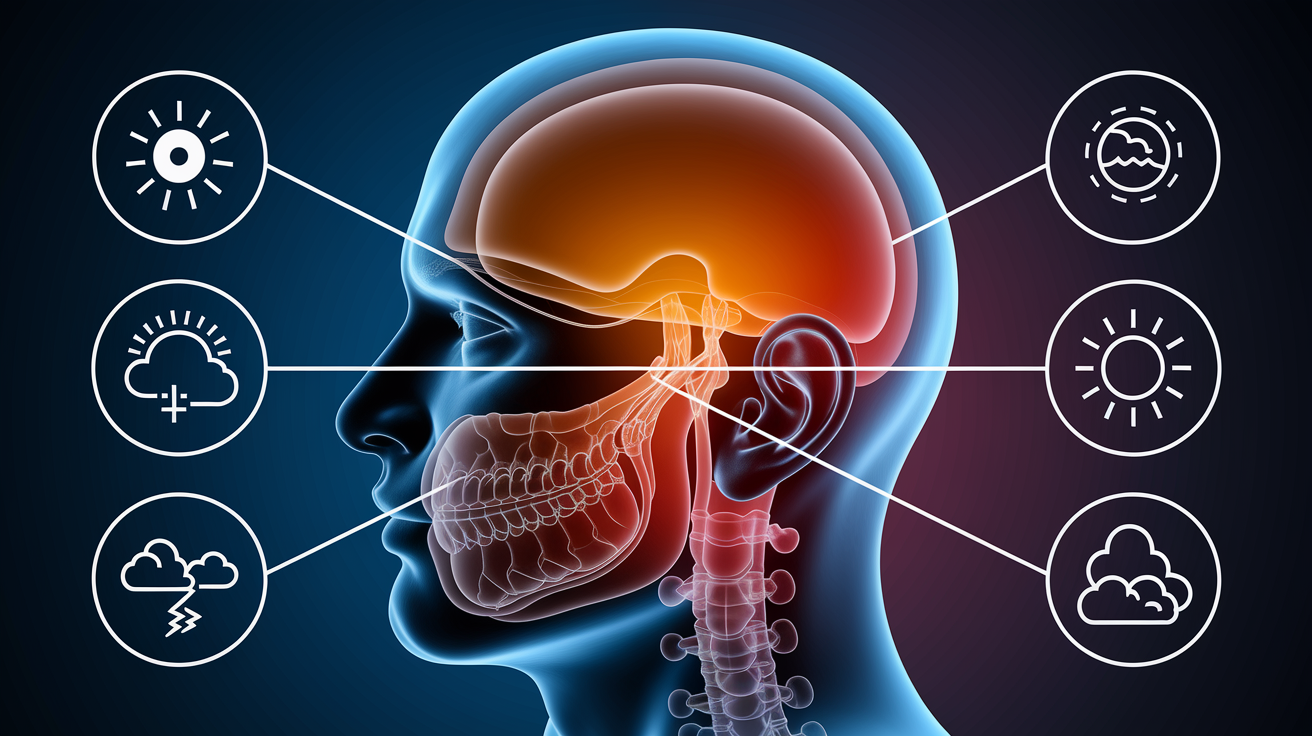
Weather triggered headaches often cause symptoms that overlap with sinus infections, which is why many people mistakenly think they have a sinus problem when the real cause is atmospheric change. Both conditions can produce pressure in the forehead and cheeks, nasal congestion, and a sensation of fullness around the eyes. The key difference is that true sinus infections usually come with fever, thick yellow or green nasal discharge, and tenderness when you press on the sinus areas. Weather triggered migraine, on the other hand, typically includes light and sound sensitivity, nausea, and throbbing pain. Symptoms that aren’t common in straightforward sinusitis.
If you have facial pressure and congestion but no fever and the symptoms started when the weather changed, the cause is more likely to be a weather sensitive headache than an infection. Migraine can activate the cranial autonomic nervous system, which produces nasal congestion and facial pressure even though the sinuses themselves aren’t infected or inflamed.
Classic symptoms of weather triggered headache:
Throbbing or pulsating pain, often on one side of the head. Pressure or tightness in the temples or forehead. Pain behind the eyes. Sensitivity to light and sound. Nausea or vomiting. Dizziness or lightheadedness.
How to Identify Your Weather Triggers Using Headache Diaries and Pattern Tracking

The only reliable way to confirm that weather is triggering your headaches is to track your symptoms alongside actual meteorological data over several weeks or months. Many people overestimate how often weather causes their pain because memory is selective. You remember the dramatic storm headache but forget the three storms that came and went without symptoms. A headache diary removes that bias by giving you an objective record you can compare to local weather reports.
To build an effective headache diary, record every headache episode along with the date, time, severity, duration, and any accompanying symptoms. At the same time, note the local weather conditions. Barometric pressure, temperature, humidity, whether a storm was approaching, and whether the day was particularly windy or polluted. Some migraine diary apps allow you to log weather automatically by pulling data from your phone’s location, which makes tracking easier. After four to twelve weeks, review your entries and look for patterns. Do your headaches cluster on days when pressure drops sharply? Do they show up more often in hot, humid weather or during rapid temperature swings?
Five steps to build an effective headache diary:
Record every headache. Date, time, pain location, severity (1 to 10), and duration. Note all weather conditions at the time symptoms started: temperature, humidity, barometric pressure, storms, wind. Track other possible triggers on the same day: stress, poor sleep, missed meals, dehydration, bright light exposure. Use a migraine diary app or spreadsheet to organize entries and compare weather data over time. Review your log after 4 to 12 weeks and look for repeating patterns that link specific weather changes to your attacks.
Immediate Relief Options for Weather Triggered Headache Flares

When a weather triggered headache starts, acting quickly can shorten the attack or reduce its intensity. Over the counter NSAIDs like ibuprofen and naproxen are effective for many people, especially if taken at the first sign of pain. Acetaminophen is another option, though it tends to work better for mild to moderate headaches. Follow the dosing instructions on the label and don’t exceed the recommended daily limit. If nausea is part of your symptom pattern, taking medication with a small snack and sipping water slowly can help you keep it down.
Applying a cold pack to the forehead, temples, or back of the neck can numb pain signals and reduce inflammation. Some people find that a warm compress works better, especially if muscle tension in the neck or shoulders is contributing to the pain. Resting in a quiet, dark room reduces sensory overload, which is particularly helpful if you’re sensitive to light and sound. Hydration matters too. Drink water steadily, even if you don’t feel especially thirsty. Dehydration can make pain worse and slow recovery.
Fast acting relief options:
Take an OTC NSAID (ibuprofen or naproxen) or acetaminophen at the first sign of pain. Apply a cold pack to your forehead, temples, or the back of your neck for 15 minutes. Rest in a dark, quiet room to reduce light and sound sensitivity. Drink water steadily to stay hydrated and support circulation. Use slow, deep breathing or simple relaxation techniques to lower stress and pain perception. If pollen or pollution worsens symptoms, consider wearing a mask outdoors during high exposure periods.
Preventing Weather Triggered Headaches Through Lifestyle and Environment Adjustments

Preventing weather triggered headaches starts with reducing your overall exposure to the environmental conditions that set off your symptoms. If you know that storms, humidity spikes, or rapid temperature changes are likely triggers for you, plan to stay indoors during those periods when possible. Use air conditioning or fans to keep indoor temperatures stable, and run a humidifier in dry conditions or a dehumidifier when humidity is high. Air purifiers with HEPA filters can reduce indoor allergens like pollen, dust, and mold, which may lower your headache risk if seasonal allergies are part of your trigger picture.
Lifestyle consistency is just as important as environmental control. Establish a regular sleep schedule and stick to it, even on weekends or during travel. Poor sleep lowers your pain threshold and makes you more vulnerable to weather related attacks. Limit caffeine and alcohol, both of which can affect hydration and blood vessel tone. Avoid strong odors from perfumes, cleaning products, or smoke, as these can combine with weather triggers to push you over the threshold into a full attack. Practice stress reduction techniques like meditation, progressive muscle relaxation, or gentle yoga. Chronic stress amplifies sensitivity to all kinds of triggers, including weather.
| Preventive Strategy | Why It Helps |
|---|---|
| Stay indoors during extreme weather (storms, heat waves, cold fronts) | Reduces direct exposure to barometric pressure shifts, temperature swings, and humidity extremes that trigger attacks. |
| Use air purifiers with HEPA filters and humidifiers or dehumidifiers as needed | Keeps indoor air quality stable, filters allergens, and maintains comfortable humidity levels to reduce sinus irritation. |
| Maintain consistent sleep routine and regular mealtimes | Supports nervous system stability and prevents additional triggers like sleep deprivation or low blood sugar from combining with weather stress. |
| Practice relaxation and stress reduction techniques daily | Lowers baseline nervous system reactivity, making you less sensitive to environmental changes and reducing the chance that weather will trigger an attack. |
Medical Treatments for Weather Sensitive Headache and Migraine

When lifestyle changes and over the counter relief aren’t enough, prescription medications can help. Medical treatments fall into two main categories: abortive therapies that stop an attack in progress, and preventive medications that reduce the frequency and severity of future headaches. Abortive options include prescription strength NSAIDs and triptans, a class of drugs that target serotonin receptors and work specifically for migraine. Triptans are most effective when taken early in an attack, before the pain becomes severe.
Preventive treatments are recommended if you have frequent weather triggered headaches. Generally four or more per month, or if attacks are severe enough to interfere with work, school, or daily activities. Common preventive medications include beta blockers, which stabilize blood vessel tone, and CGRP inhibitors, a newer class of drugs designed specifically to block migraine pathways. Topiramate and Amitriptyline are older options that have been used for years with good results in many patients. Some neurologists also recommend supplements like magnesium or melatonin, which may help reduce migraine frequency in people who are deficient or have irregular sleep patterns.
One risk to watch for is medication overuse headache, which happens when you take acute pain medications (whether over the counter or prescription) too frequently. Using them more than 10 to 15 days per month can actually increase headache frequency and create a rebound cycle. If you’re reaching for medication often, talk to your healthcare provider about switching to a preventive treatment plan instead of relying on acute relief alone.
Available prescription and preventive treatments:
Triptans (abortive): stop migraine attacks by targeting serotonin receptors; most effective when taken early. Beta blockers (preventive): stabilize blood vessel tone and reduce attack frequency. CGRP inhibitors (preventive): block calcitonin gene related peptide pathways involved in migraine. Topiramate and Amitriptyline (preventive): older medications with proven track records for reducing migraine frequency. Magnesium and melatonin supplements: may help if deficiency or sleep disruption contributes to your weather sensitivity.
When to Seek Medical Care for Weather Related Headaches

Most weather triggered headaches can be managed with tracking, lifestyle changes, and over the counter relief, but certain warning signs mean it’s time to see a healthcare provider. If your headaches are becoming more frequent, lasting longer, or increasing in severity over time, that pattern suggests something beyond simple weather sensitivity may be involved. New neurological symptoms (confusion, difficulty speaking, weakness in an arm or leg, vision changes, or loss of coordination) require urgent medical evaluation to rule out more serious causes like stroke, aneurysm, or other structural problems in the brain.
Even without red flag symptoms, if your headaches are interfering with your ability to work, attend school, or take care of daily responsibilities, it’s worth scheduling an appointment with your primary care provider or a neurologist. A clinician can review your headache diary, perform a physical exam, and decide whether imaging studies like a CT scan or MRI are needed to rule out other causes. Most weather triggered headaches don’t require imaging, but if your symptom pattern is unusual or your exam shows anything concerning, your provider may order tests to be sure.
Urgent warning signs that require immediate medical attention:
Severe, sudden headache that feels different from your usual pattern, especially if it’s the worst headache of your life. New neurological symptoms: confusion, slurred speech, difficulty understanding others, or trouble finding words. Weakness, numbness, or loss of coordination in your arms, legs, or face. Persistent vomiting, high fever, or stiff neck that doesn’t improve with rest and fluids.
Final Words
You’ve seen how storms, pressure drops, humidity spikes, and quick temperature swings can bring on head pain. The piece covered the likely causes—sinus changes, fluid shifts, and nerve or blood vessel reactions—and the common symptoms to watch.
You also got practical steps: keep a headache diary tied to the weather, try quick relief like hydration or over-the-counter pain relievers, and make simple home changes. We also noted when to see a clinician.
If weather triggers headache for you, tracking patterns and working with a clinician can help you prevent attacks and feel more in control.
FAQ
Q: How do I get rid of a barometric headache?
A: A barometric headache can be eased by OTC pain relievers (ibuprofen or acetaminophen), resting in a dark quiet room, hydrating, using a cold or warm compress, and treating sinus congestion; seek care if sudden or severe.
Q: What is the 5 4 3 2 1 rule for migraines?
A: The 5 4 3 2 1 rule for migraines is a grounding technique: name 5 things you see, 4 you feel, 3 you hear, 2 you smell, and 1 you taste to reduce sensory overload and calm an attack.
Q: How do I know if my headache is from weather?
A: You can suspect a weather headache if it starts with pressure drops, storms, rapid temperature or humidity changes, repeats in the same conditions, and includes temple pressure, light sensitivity, or nausea—track dates and weather to confirm.
Q: Which fruit reduces headaches?
A: Fruits that may reduce headaches include watermelon (hydrates), bananas (potassium), and tart cherries (anti-inflammatory). Choosing hydrating, potassium-rich fruits can help some people feel better during or after a headache.