
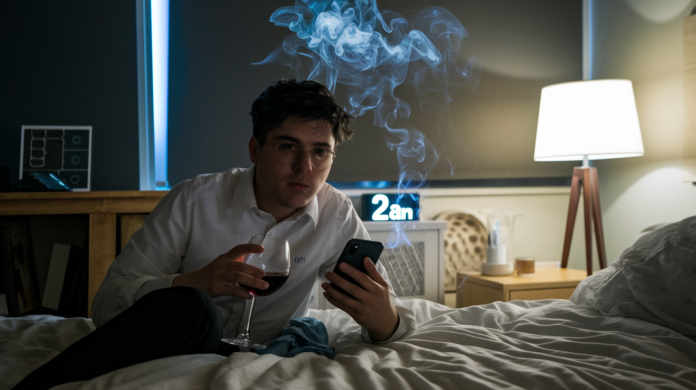
What if your intense nighttime headaches aren’t random but have clear triggers?
Cluster headache affects about 0.1 percent of people, but for those who get them, attacks often follow a pattern, same hour each night, like an alarm you can’t turn off.
Knowing the usual triggers, like alcohol, smoke, strong smells, sleep shifts, certain foods, or weather, lets you spot patterns and avoid what sets you off during an active cluster period.
This article breaks down the most common immediate triggers, the slower-setting ones, and what to track so you can reduce extra attacks when a bout starts.
Key Patterns and Immediate Provokers Behind Cluster Headache Triggers
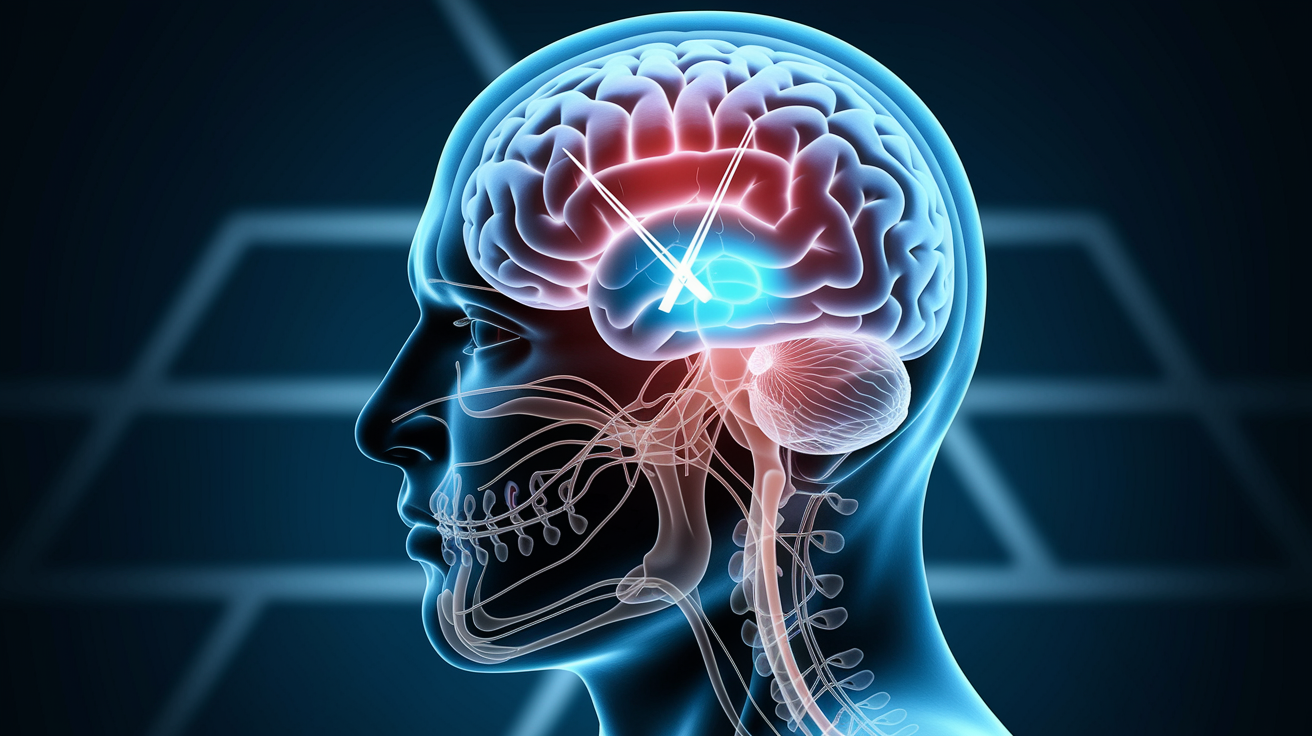
Cluster headaches hit about 0.1 percent of people, but if you’re one of them, the pain doesn’t just show up randomly. It follows a pattern. Often the same time every night, waking you like an alarm you didn’t set and can’t turn off. These “alarm clock” headaches are a hallmark of the condition, and they tell you something important: cluster attacks are hardwired into your brain’s internal clock, specifically the hypothalamus.
Triggers matter most when you’re in an active cluster period. Those weeks or months when attacks happen every day. Between bouts, during remission, you might be fine. You could drink a beer in January without issue, then get slammed with an attack two hours after the same drink in April when a cluster period’s underway. Triggers don’t cause the condition. They provoke extra attacks or make the pattern worse once a cycle’s already started.
There are about a dozen major triggers backed by studies and clinical reports. Some work fast, within minutes or hours. Others set the stage more slowly, messing with your sleep or changing blood flow and brain chemistry. Figuring out which ones affect you personally is one of the clearest ways to cut down on breakthrough attacks, even mid cycle.
Common immediate provokers during cluster periods:
- Alcohol (beer, wine, liquor, usually within two hours)
- Cigarette smoke or secondhand exposure
- Strong perfumes, cleaning products, scented stuff
- Bright or flashing lights, sunlight, screens
- Messed up or irregular sleep schedules
- Sleep apnea or low oxygen while you’re asleep
- Dietary chemicals like MSG, nitrites, tyramine
- Dehydration or skipped meals
- High altitude or sudden oxygen drops
- Barometric pressure changes and weather shifts
Alcohol‑Related Cluster Headache Triggers and Why They Cause Rapid Attacks

Alcohol is one of the most reliable, fastest acting cluster triggers. Doesn’t matter if it’s beer, red wine, or liquor. During an active cluster period, even one drink can set off an attack, usually within about two hours. That timing’s remarkably consistent. Outside a cluster period? You might drink with no problem. But once a bout starts, alcohol goes from harmless to highly reactive.
Beer gets reported most often in patient surveys, though that might just reflect what people drink more than actual chemistry. Red wine has histamine and sulfites, compounds that amp up vascular sensitivity and may speed things up in people already prone to cluster attacks. It’s not about getting drunk or how much you drink. Small amounts trigger just as easily as larger ones.
What influences alcohol related cluster attacks:
- Volume consumed – even a single drink during a cluster period can do it.
- Beverage type – beer’s most common, red wine may act faster because of histamine and sulfites, but all types can trigger.
- Timing within cluster periods – only happens when you’re in an active bout, not during remission.
- Dehydration synergy – alcohol dehydrates you, and dehydration itself is a known trigger, possibly doubling the effect.
- Interaction with disrupted sleep – drinking before bed may trash your sleep quality and trigger nightly attacks if you’re already vulnerable to REM related provocation.
Tobacco, Smoke Exposure, and Strong Odors as Cluster Headache Triggers
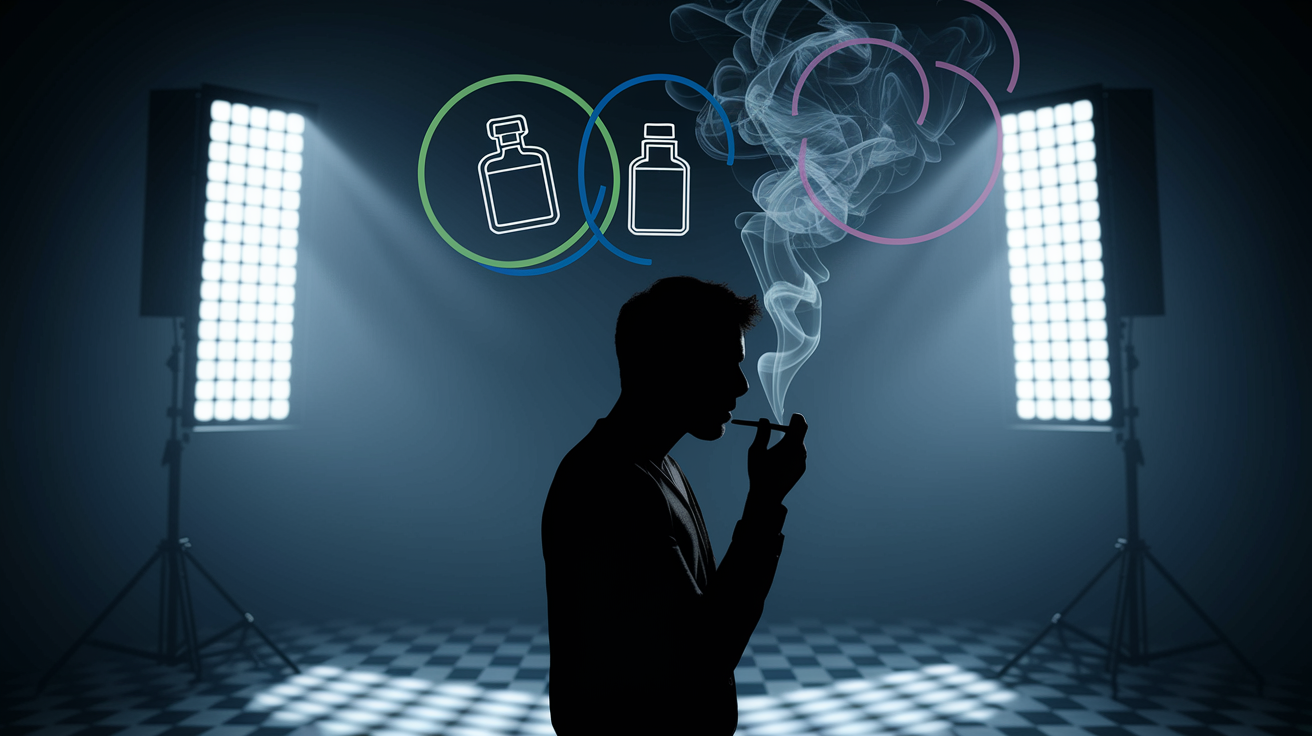
Up to 88 percent of people with cluster headache smoke cigarettes. That’s a striking overlap, and it suggests tobacco plays a role not just in triggering attacks but maybe in the condition itself. Smoke doesn’t only act as a trigger during a cluster period. It’s tied to the whole thing. Quitting may reduce how often or how hard future bouts hit, though stopping mid cluster won’t immediately stop attacks.
Strong odors are another well documented trigger. Perfume, nail polish, gasoline fumes, household cleaners, scented candles, solvents. There’s less formal research compared to alcohol or tobacco, but the clinical pattern’s consistent enough that many specialists recommend avoiding scents as part of a trigger reduction plan. The mechanism probably involves olfactory nerve pathways connecting to brain regions already hypersensitive during cluster periods.
Common odor and smoke exposures that can trigger attacks:
- Cigarette, cigar, or pipe smoke (your own or secondhand)
- Strong perfumes, colognes, body sprays
- Household cleaning products (bleach, ammonia, aerosol sprays)
- Nail polish, nail polish remover, acetone fumes
- Gasoline, diesel, petroleum vapors
- Scented candles, incense, air fresheners
These can provoke extra attacks even outside your usual timing. If you typically wake at 2 a.m. with an attack, a strong scent at noon might still set one off during an active period.
Sleep, Melatonin, and Circadian Rhythm Disruptions as Cluster Triggers
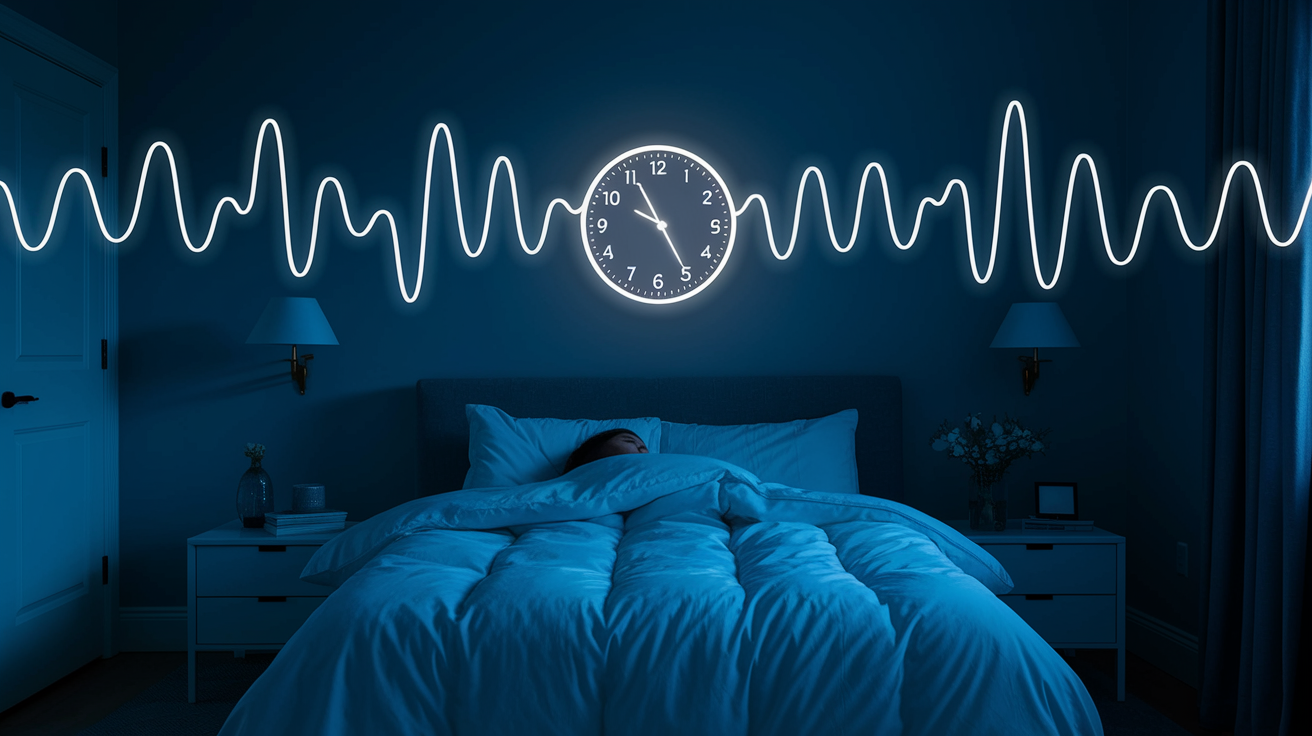
Cluster headaches are locked into your internal clock. More than 80 percent of people with the condition report attacks at the same time each day, often during sleep. That predictability points straight to the hypothalamus, a small brain region governing circadian rhythms, body temperature, and autonomic functions like heart rate and sweating. When this system misfires, it can trigger the nerve and blood vessel cascade that produces a cluster attack.
Sleep disruption is one of the strongest and most changeable triggers. Shift work, jet lag, staying up late, waking at irregular times. All of it can provoke attacks. So can anything that breaks up sleep quality, including sleep apnea, which shows up in 30 to 80 percent of people with cluster headache. Melatonin levels drop during cluster periods, suggesting the hormone’s role in sleep and circadian regulation may be part of the trigger pathway. Evening screen time, which suppresses melatonin, makes it worse.
Sleep Apnea as a Trigger
Sleep apnea causes repeated oxygen drops during the night, sometimes dozens or hundreds of times. Each drop can trigger brief awakenings that disrupt REM sleep, the stage most strongly tied to cluster attacks. The overlap between cluster headache and sleep apnea is so high that some headache specialists recommend sleep studies for anyone with frequent nighttime attacks. Treating apnea with CPAP or other therapies can reduce attack frequency in some people, though it won’t cure the underlying condition.
Circadian Timing and Predictable Nightly Attacks
The hypothalamus runs your body’s master clock, coordinating sleep, wakefulness, and hormone release across each 24 hour cycle. Cluster attacks often lock to specific hours, commonly between 9 p.m. and 10 a.m., with peaks around 1 to 2 a.m. and again in the early afternoon. That’s why people describe waking “like clockwork” one to two hours after falling asleep. The timing mirrors natural dips and peaks in melatonin, cortisol, and body temperature, all regulated by the hypothalamus. When circadian rhythms shift suddenly, from travel or a schedule change, the system becomes more vulnerable and attacks can break through outside the usual time window.
Food, Additives, and Dehydration as Dietary Triggers for Cluster Headaches
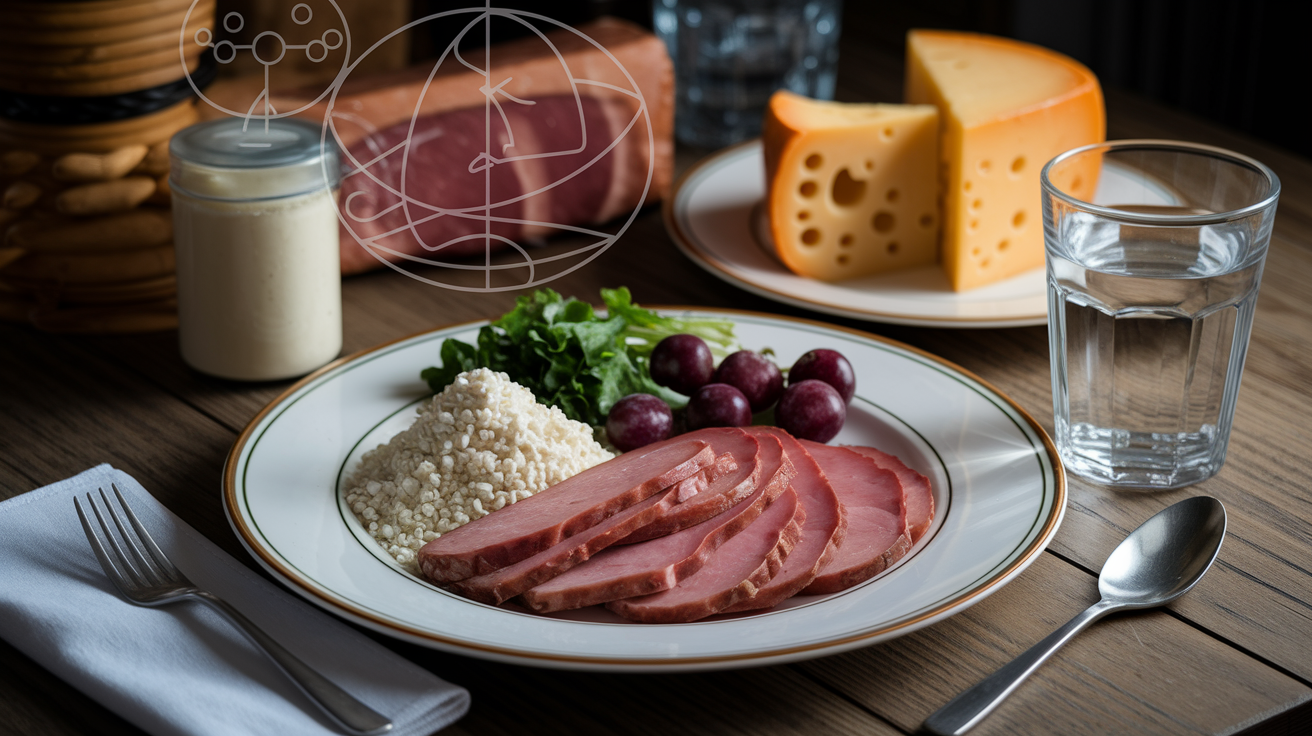
Certain foods and food chemicals can provoke cluster attacks by affecting blood vessel tone or triggering neurochemical changes in people already in an active bout. The evidence is less solid than for alcohol or sleep triggers, but patient reports and smaller studies point to a handful of repeat offenders. MSG, nitrites in processed meats, tyramine in aged foods, aspartame, and caffeine all show up on common trigger lists. Dehydration and skipped meals also increase vulnerability, possibly by messing with electrolyte balance or blood sugar in ways that destabilize an already sensitized nervous system.
Tracking these requires detail. Not everyone reacts to the same foods, and reactions may only happen during cluster periods. That makes a food diary necessary. Write down what you ate, when you ate it, and when the next attack occurred. Look for patterns over days or weeks, not single meals.
| Food Category | Example Foods | Trigger Mechanism |
|---|---|---|
| MSG and flavor enhancers | Chinese takeout, seasoned snacks, canned soups, instant noodles | May cause vascular dilation or excitatory neurotransmitter effects |
| Nitrites and nitrates | Bacon, sausage, hot dogs, deli meats, cured ham | Dilate blood vessels; commonly implicated in headache triggers |
| Tyramine-rich foods | Aged cheeses (cheddar, Parmesan), citrus, beans, fermented foods | Affects blood pressure and vessel tone via monoamine pathways |
| Artificial sweeteners | Aspartame in diet sodas, sugar-free gum, low-calorie desserts | Mechanism unclear; anecdotal reports of headache provocation |
| Dehydration and fasting | Skipped meals, insufficient water intake, prolonged fasting | Alters electrolyte balance and may lower seizure or migraine thresholds |
Environmental and Weather‑Linked Triggers for Cluster Headaches

Weather changes get reported as a trigger a lot, though the exact mechanisms are less clear than for alcohol or sleep. Barometric pressure shifts, especially sudden drops before a storm or weather front, can provoke attacks. Low pressure systems, high humidity, and seasonal transitions (spring and fall are peak times for many people) all correlate with increased cluster activity. Some of this may reflect changes in oxygen availability, sinus pressure, or autonomic nervous system tone that come with weather shifts.
High altitude is another well documented environmental trigger. Lower oxygen levels at elevation cause blood vessels in the brain to dilate, which can set off an attack in someone already in a cluster period. That’s one reason why high flow oxygen therapy works so well to stop acute attacks. It reverses the dilation by flooding the system with oxygen. Heat exposure, whether from hot baths, saunas, or unusually warm weather, can also trigger attacks, probably through similar vascular and autonomic pathways. Bright or flashing lights provoke photophobia by activating specialized nerve cells in the brain, even in some people who are blind, showing that the trigger pathway is independent of normal vision.
Common environmental exposures that may provoke cluster attacks:
- Sudden drops in barometric pressure or low pressure weather systems
- Seasonal changes, particularly transitions into spring or fall
- High altitude travel or activities above 5,000 feet
- Hot baths, saunas, or prolonged heat exposure
- Bright sunlight, glare, or flashing lights (including screens and strobe effects)
Physical Exertion, Stress, and Hormonal Influences as Trigger Factors

Exercise triggers attacks in a smaller percentage of people, but when it does, the effect is often tied to overheating or a sudden spike in heart rate and blood pressure. Vigorous workouts during a cluster period may provoke an attack within minutes to an hour afterward. Moderate activity is usually tolerated better, but individual thresholds vary. Staying cool and hydrated during exercise can reduce risk.
Stress and anxiety don’t cause cluster headache, but they amplify vulnerability. High stress periods may coincide with the start of a cluster bout or make attacks more frequent once a cycle’s begun. Emotional stress activates the autonomic nervous system, which is already dysregulated during cluster periods. Hormonal influences are less well understood. Unlike migraine, cluster headache doesn’t follow menstrual cycles in most women, but some patients report seasonal hormonal shifts or major life stressors preceding the onset of a new cluster period.
Distinguishing Cluster Headache Triggers from Migraine Triggers
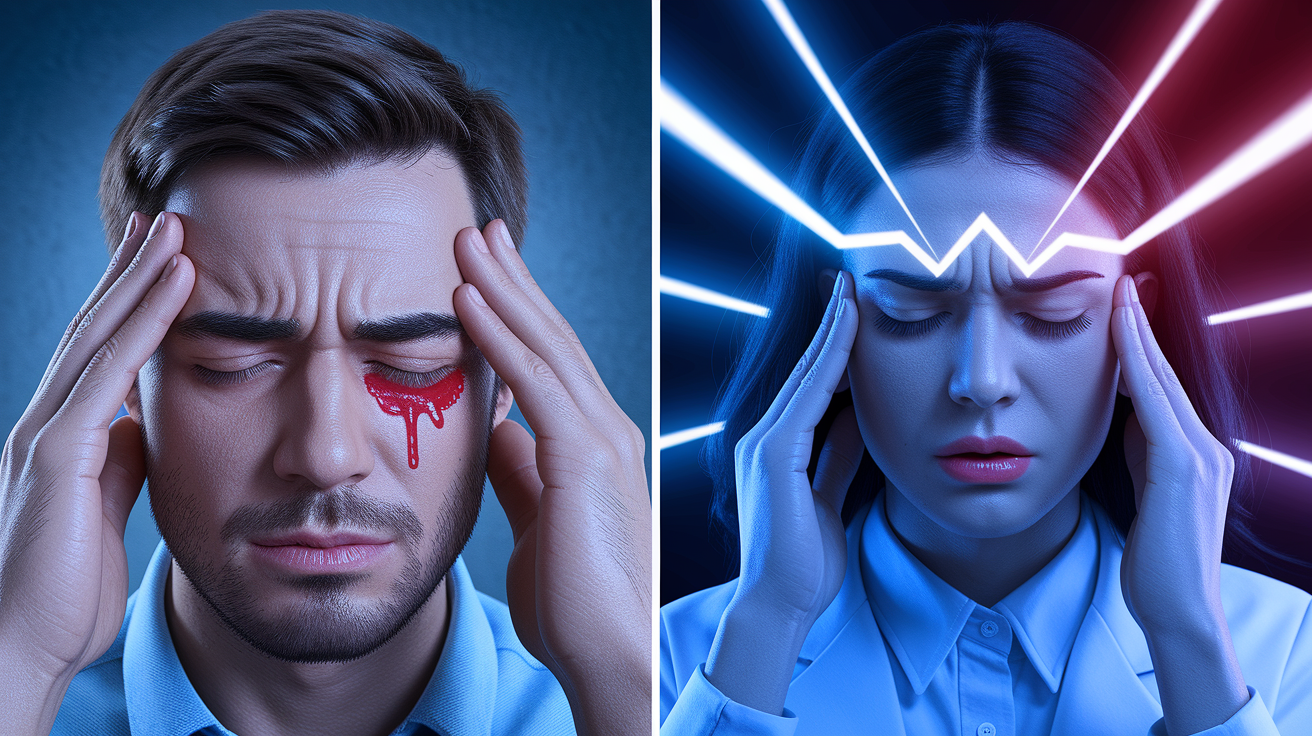
Cluster and migraine share some overlapping triggers, like bright lights, stress, and alcohol, but the patterns differ enough to help you identify which condition you’re dealing with. Cluster triggers tend to provoke immediate, predictable attacks during active bouts. Alcohol, for instance, often sets off a cluster attack within two hours, while migraine triggers may have delayed or variable onset. Cluster attacks also follow strict circadian and seasonal cycles, waking you at the same hour night after night, while migraine timing is less clock bound.
Migraine triggers include a wider range of foods, hormonal changes (especially in women), and sensory sensitivities like sound and smell. Aura, visual disturbances before the headache, is common in migraine but rare in cluster headache. During an attack, migraine sufferers usually prefer to lie still in a dark, quiet room. People with cluster headache become agitated and restless, pacing or rocking because staying still feels intolerable.
Key differences between cluster and migraine triggers:
- Timing – cluster triggers act fast (often within 1 to 2 hours); migraine triggers may be delayed or cumulative.
- Sensory patterns – cluster attacks are strictly one sided and orbital; migraine can be bilateral and throbbing.
- Predictability – cluster attacks recur at the same time daily; migraine timing varies more.
- Symptom differences – cluster produces agitation, one red/watering eye, nasal congestion; migraine produces nausea, photophobia, desire for stillness.
Practical Avoidance Methods and Lifestyle Strategies for Cluster Trigger Reduction
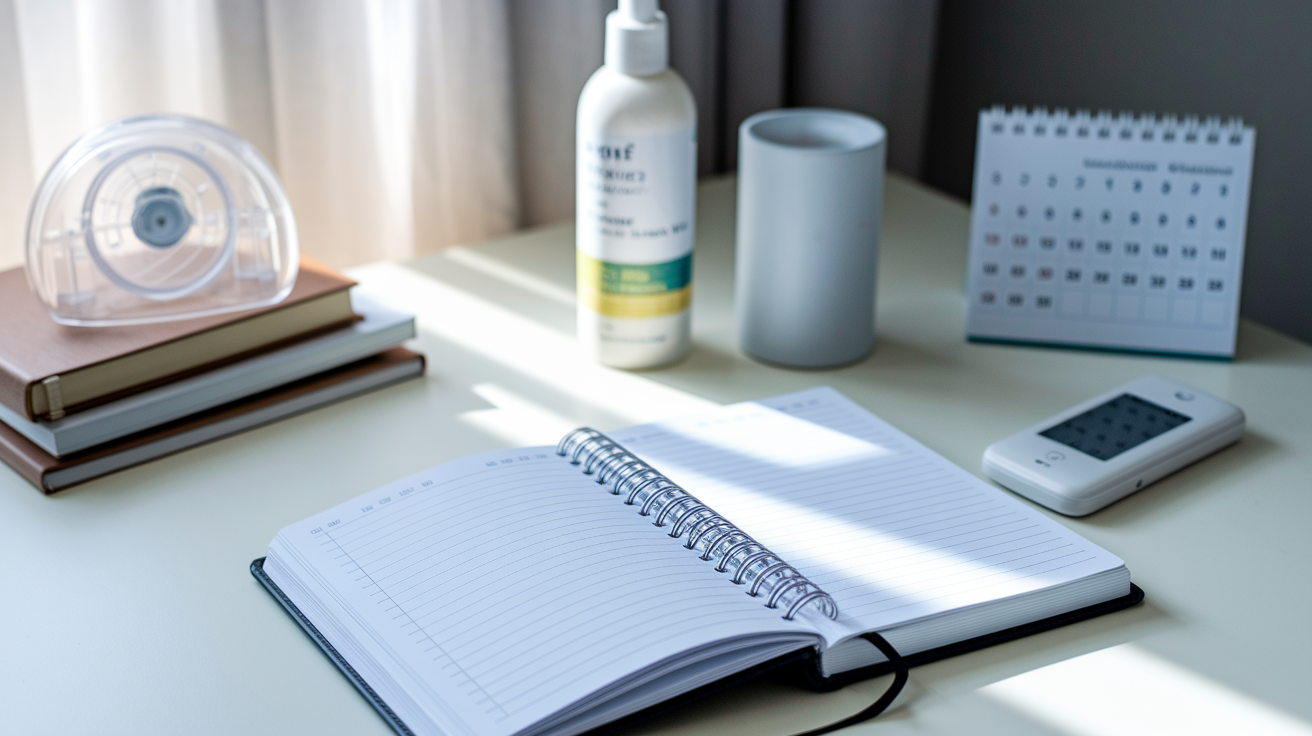
Avoiding triggers won’t stop a cluster period from starting, but it can reduce how many extra attacks break through once you’re in a bout. The most effective strategy is strict avoidance of known personal triggers during active cycles, combined with close attention to sleep hygiene and environmental exposures. Start by eliminating alcohol completely during cluster periods. Even small amounts can provoke an attack, and there’s no safe threshold. Minimize exposure to strong smells by choosing unscented cleaning products, avoiding perfume or cologne, and asking household members to do the same.
Improve sleep consistency. Go to bed and wake at the same time every day, even on weekends. Treat sleep apnea if testing confirms it, since CPAP or other therapies can reduce nighttime attacks. Avoid late night screen time and bright lights before bed, which suppress melatonin and disrupt circadian rhythms. If you travel across time zones or work shifts, plan carefully. Gradual schedule adjustments and preventive medications can help, but sudden circadian disruption is a potent trigger.
Track your patterns in a detailed diary. Write down every attack, when it started, what you were doing beforehand, what you ate or drank, medications you took, sleep quality the night before, and any environmental changes like weather shifts or travel. Over weeks, patterns emerge. You might notice that attacks cluster after hot showers, or that a weather front passing through consistently precedes a spike in frequency. That level of detail helps you and your clinician make smarter decisions about avoidance and treatment.
What to Record in a Trigger Diary
Your diary should capture time of each attack down to the hour, not just the day. Note all medications, including over the counter drugs and supplements, since some can interact with cluster pathways or mask patterns. Record alcohol intake with specifics, what type, how much, and the exact time you drank. Track exercise timing, type, and intensity, especially if you felt overheated afterward. Write down episodes of heat exposure, hot baths, saunas, or unusually warm weather. Document travel, including plane flights and high altitude trips, as well as notable weather changes like storms, pressure drops, or seasonal shifts. Finally, log sleep quality, bedtime, wake time, and any disruptions like waking in the night or feeling unrested in the morning. The more complete your record, the clearer your personal trigger profile becomes.
Final Words
In the action, we pointed to clear provokers: alcohol, tobacco and smoke, strong odors, disrupted sleep, certain foods and dehydration, weather shifts, heat, exercise, and stress.
You saw why timing and your body clock make attacks predictable during active cluster periods, and why alcohol often triggers an attack within a couple of hours.
Practical steps were given — avoidance ideas, sleep fixes, and a simple trigger diary to spot patterns.
Use your notes to talk with a clinician. Paying attention to triggers for cluster headache helps you reduce attacks and feel more in control.
FAQ
Q: How to break the cycle of cluster headaches and ease one at home?
A: Breaking the cycle and easing an attack at home means avoiding triggers during active bouts, using high-flow oxygen for quick relief if available, improving sleep, quitting smoking, tracking patterns, and seeing a clinician for prevention options.
Q: Why do people get cluster headaches?
A: People get cluster headaches because an area in the brain (hypothalamus) disrupts circadian pain pathways; genetic factors, smoking, alcohol, sleep apnea, and specific environmental or dietary triggers often start attacks during active periods.
Q: How long does a cluster headache last?
A: A cluster headache attack lasts about 15 to 180 minutes (often 45–90 minutes). Cluster periods, or bouts, can run for weeks to months with daily attacks often occurring at the same hour each day.