
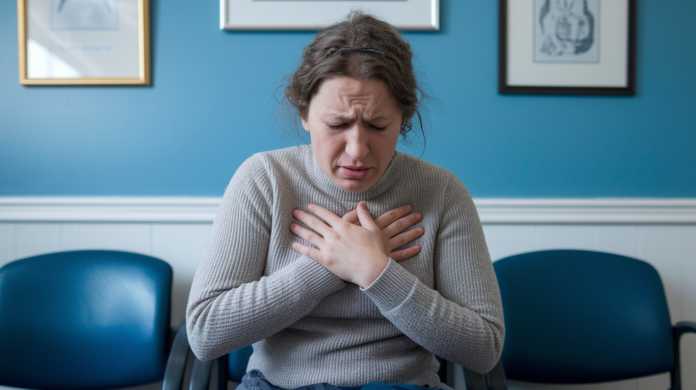
Could chest tightness be nothing more than a strained muscle, or the first sign of a heart emergency?
It can be either, and knowing the difference matters.
This post breaks it down clearly and calmly.
You’ll get the most common causes: heart problems, lung and breathing issues, reflux and other gut causes, musculoskeletal pain (muscle and rib pain), and stress or panic.
You’ll also learn the red flags that need urgent care, what to track about your symptoms, and simple next steps you can take while you decide whether to seek help.
Key Reasons Your Chest Might Feel Tight
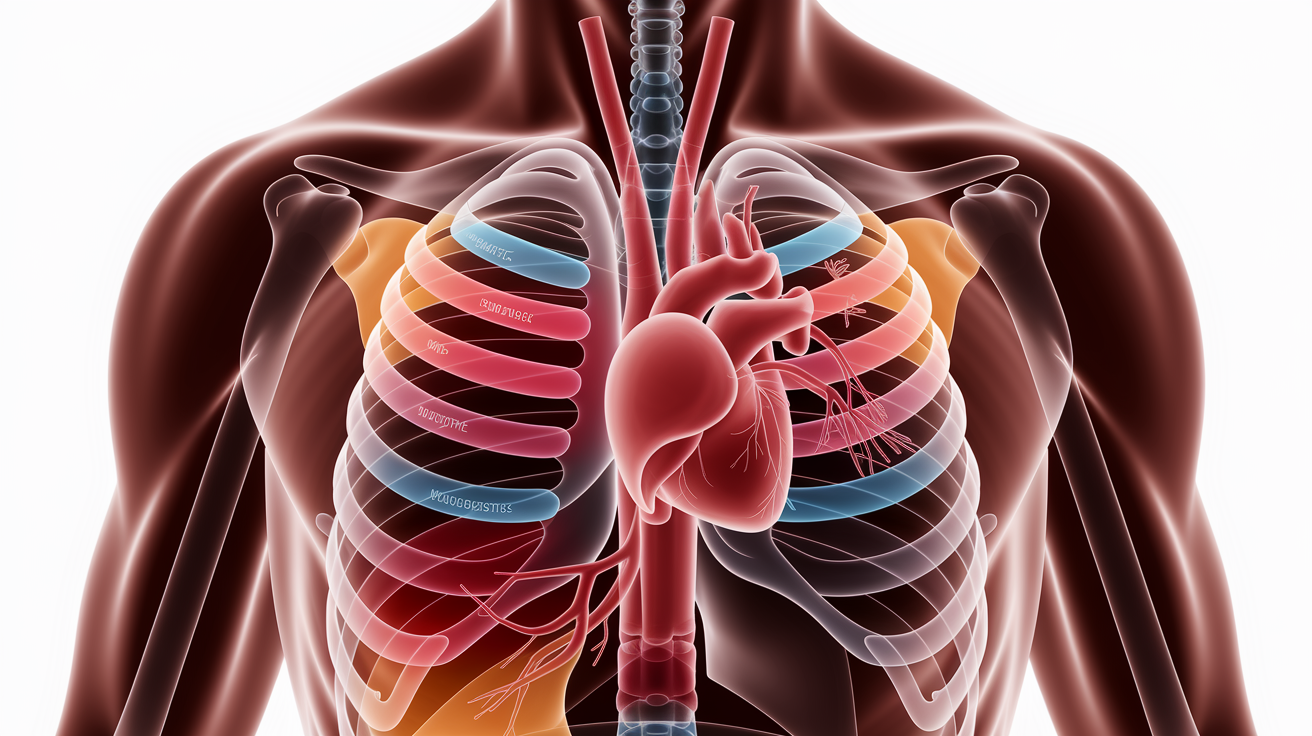
Chest tightness can come from a ton of different sources. Some are totally harmless. Others are genuinely dangerous. Your chest houses major organs like your heart, lungs, and esophagus, and it’s surrounded by muscles, bones, and nerves that can all register discomfort when something’s off. Sometimes tightness is just a strained muscle after lifting something heavy. Other times, it’s a blocked coronary artery or a pulmonary embolism that needs immediate care.
The sensation itself varies a lot. Some people describe it as a heavy weight sitting on the chest. Others feel a band tightening around the ribcage, a sharp stabbing in one spot, or a dull ache that spreads across the whole upper body. The feeling may last a few seconds or stick around for hours. It may show up suddenly or build gradually. It may get worse with movement, deep breathing, eating, or stress. Or it may appear for no obvious reason at all.
Most chest tightness falls into a few broad groups:
Cardiac causes — conditions affecting the heart muscle, coronary arteries, or the sac around the heart
Respiratory causes — asthma, infections, airway inflammation, or blood clots in the lungs
Digestive causes — acid reflux, esophageal spasm, or stomach ulcers
Musculoskeletal causes — strained chest muscles, inflamed rib cartilage, or poor posture
Anxiety and stress — panic attacks, hyperventilation, or chronic muscle tension driven by the fight or flight response
Other medical conditions — including autoimmune inflammation, nerve pain, or side effects from medication
Judging severity often comes down to pattern and context. If the tightness is brief, relieved by rest or antacids, and not accompanied by other worrying symptoms, it’s more likely to be benign. But if it’s sudden, severe, crushing, or paired with shortness of breath, nausea, sweating, pain radiating to the arm or jaw, or a sense of doom, treat it as urgent. When in doubt, seek medical evaluation. Missing a heart attack because you assumed it was indigestion is a risk not worth taking.
Understanding Heart‑Related Causes
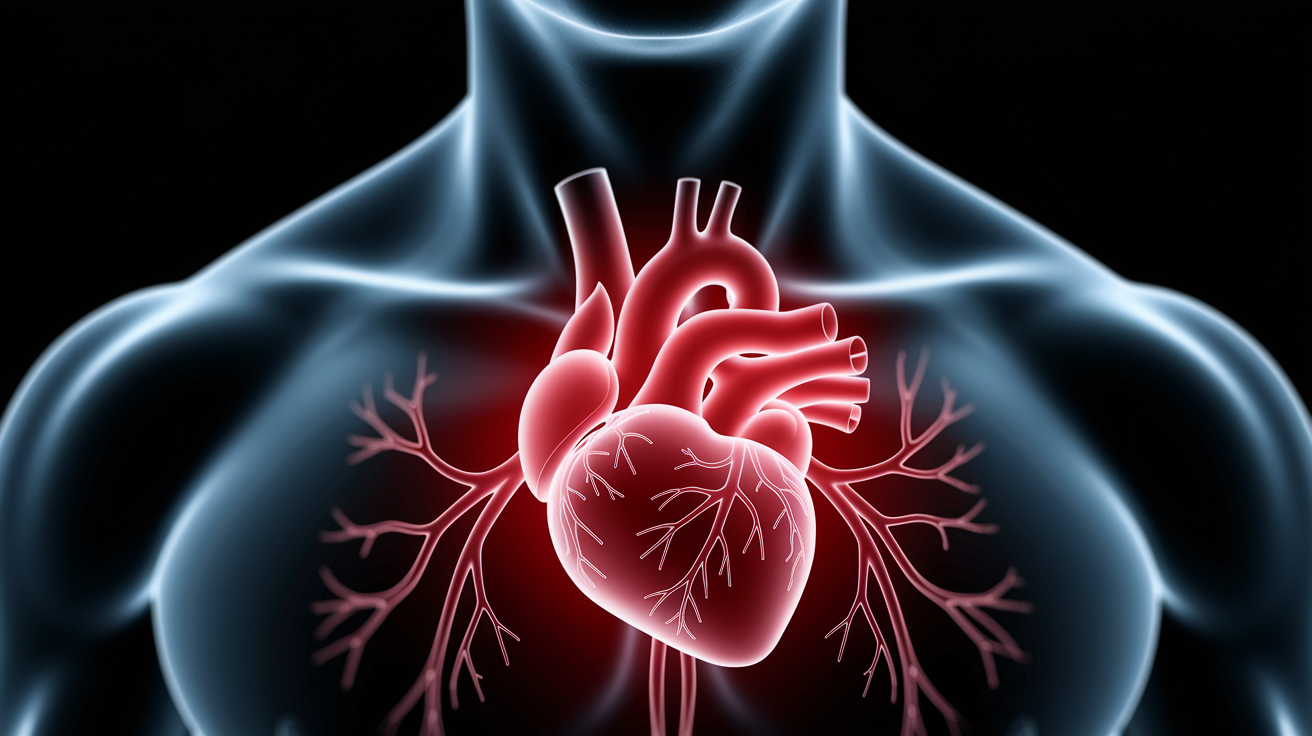
Heart related chest tightness typically feels like pressure, heaviness, or squeezing. Often described as an elephant sitting on the chest or a tight vise grip around the breastbone. The discomfort may spread to the left arm, jaw, neck, back, or even the stomach. It may come with shortness of breath, cold sweats, nausea, lightheadedness, or an overwhelming sense that something is very wrong.
Angina is chest pain caused by reduced blood flow to the heart muscle. It usually appears during physical exertion or emotional stress and eases with rest or nitroglycerin. A heart attack occurs when a coronary artery becomes completely blocked, cutting off blood supply to part of the heart. Unlike angina, heart attack pain doesn’t reliably improve with rest and may persist for several minutes or longer.
Several risk factors increase the likelihood that chest tightness is cardiac in origin. A family history of heart disease, smoking, high blood pressure, high cholesterol, diabetes, obesity, and a sedentary lifestyle all raise concern. Age matters too. Middle aged and older adults, especially men over 45 and women over 55, face higher baseline risk. But younger people aren’t immune, particularly if they have multiple risk factors, use stimulant drugs, or have underlying conditions like severe asthma or inflammatory diseases that strain the cardiovascular system.
If chest tightness is new, severe, or accompanied by any of the warning signs mentioned, don’t wait to see if it gets better. Call emergency services. Even if it turns out to be something less serious, rapid evaluation is the safest path when a heart problem is possible.
Lung and Breathing‑Related Causes
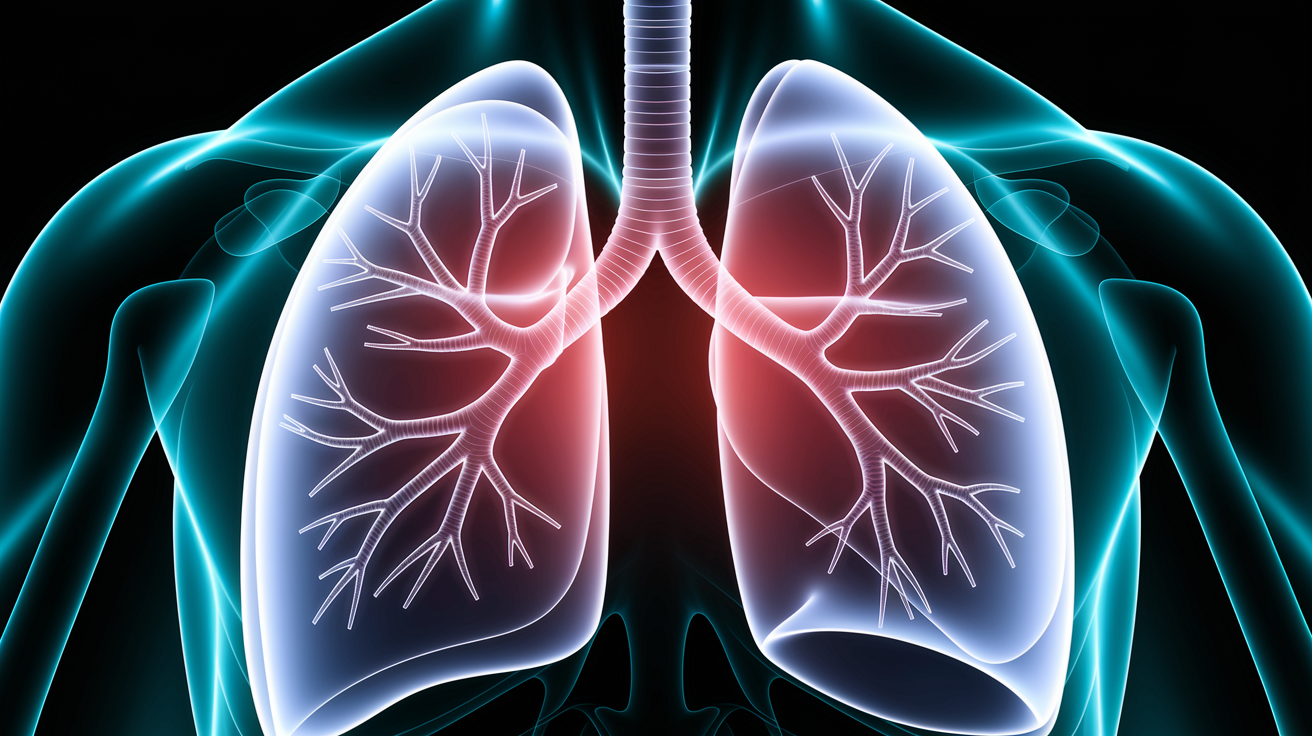
Respiratory conditions can produce a sensation of chest tightness that’s sometimes hard to distinguish from heart trouble. Asthma causes airway constriction and inflammation, leading to a feeling of tightness, wheezing, coughing, and difficulty getting a full breath. The sensation often worsens at night, during exercise, or after exposure to allergens, cold air, or smoke. Bronchitis or pneumonia can cause sharp or aching chest discomfort, especially when coughing or taking a deep breath. The pain usually stays localized to one area and may be accompanied by fever, mucus production, and fatigue.
Pulmonary embolism, a blood clot in the lung, is a more dangerous cause. It typically produces sudden sharp chest pain, rapid breathing, a racing heart, and sometimes coughing up blood or feeling faint. The pain may worsen with deep breathing or coughing. Risk factors include recent surgery, long periods of immobility like a long flight, pregnancy, oral contraceptives, or a history of clotting disorders.
Pleurisy, inflammation of the lining around the lungs, causes sharp stabbing pain that worsens with breathing or coughing. It’s often linked to viral infections or autoimmune conditions.
Chronic obstructive pulmonary disease (COPD), common in long term smokers, can cause ongoing chest tightness alongside shortness of breath, chronic cough, and mucus production. The tightness tends to be persistent rather than sudden. Any respiratory cause that makes it hard to breathe or produces severe, sudden pain deserves prompt medical attention, especially if you also feel lightheaded, confused, or notice blue tinged lips or fingertips.
Digestive, Muscular, and Stress‑Related Causes
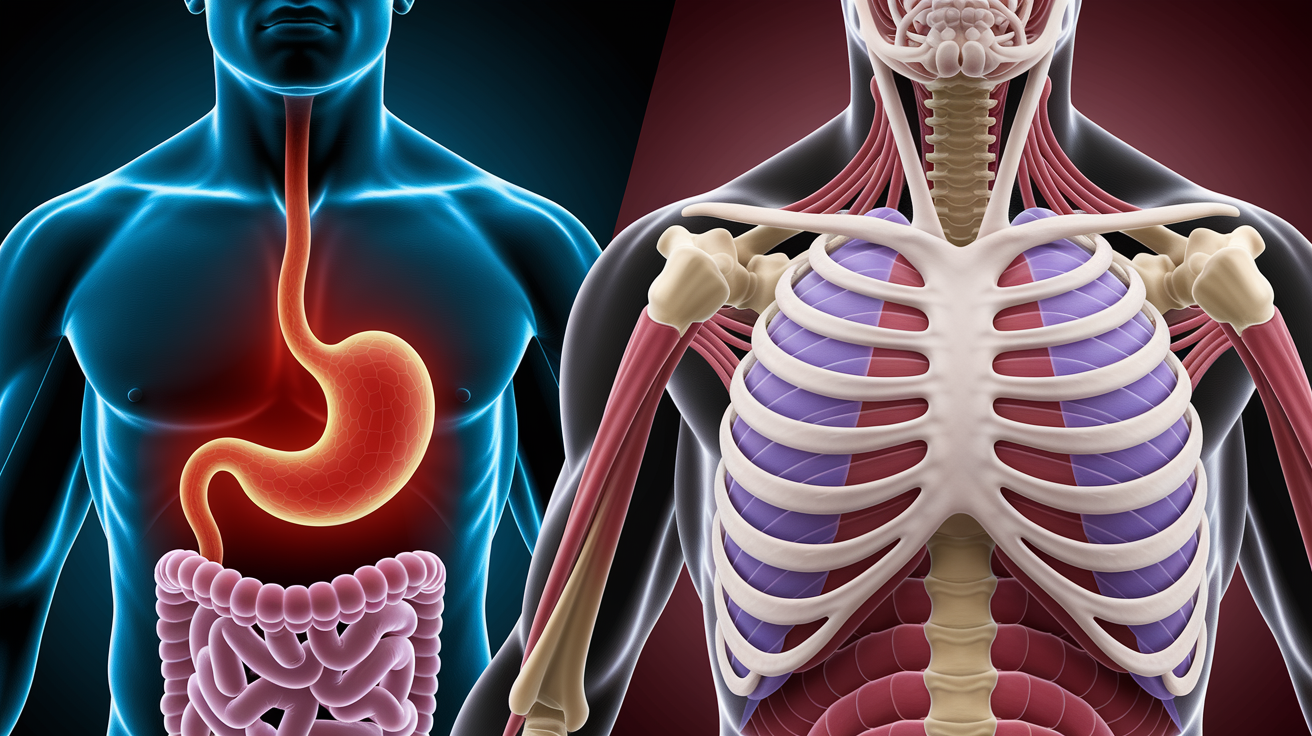
Gastroesophageal reflux disease (GERD) is one of the most common non cardiac causes of chest tightness. Stomach acid backs up into the esophagus, creating a burning sensation behind the breastbone that can feel tight, painful, or pressure like. It often worsens after eating, when lying down, or after consuming spicy or fatty foods. The discomfort may improve with antacids or by sitting upright. Esophageal spasms, sudden contractions of the esophagus, can mimic heart pain closely, producing squeezing or crushing sensations that come and go unpredictably.
Musculoskeletal causes include costochondritis, inflammation of the cartilage connecting ribs to the breastbone, which produces sharp pain that worsens with movement, deep breathing, or pressing on the affected area. Muscle strain from heavy lifting, intense coughing, or overuse at the gym can cause localized soreness and tightness that lingers for days. Poor posture, especially from long hours hunched over a computer, can create chronic tension in the chest muscles that feels like a dull, persistent tightness.
Here are some clues that help differentiate these causes:
GERD — burning quality, worse after meals, improves with antacids, may cause a sour taste in the mouth
Muscle strain — tender to touch, worsens with specific movements, no breathlessness or sweating
Costochondritis — sharp, localized, reproducible pain when pressing on the rib cage
Anxiety or panic — comes on during stress or out of the blue, paired with racing heart, tingling fingers, dizziness, or a sense of dread
Esophageal spasm — sudden squeezing sensation, may be triggered by hot or cold drinks
Even when chest tightness has a non cardiac origin, it can still feel genuinely frightening. Anxiety driven chest tightness can be so intense that it sends people to the emergency room convinced they’re having a heart attack. That fear is understandable. The physical sensations are real, driven by muscle tension, rapid breathing, and the body’s stress response. But understanding the pattern, recognizing triggers like stressful situations or specific foods, and noticing what relieves the discomfort can help guide your next steps.
Self‑Assessment Steps for Chest Tightness

When chest tightness appears, a calm, structured self check can help you decide whether to seek immediate care, schedule a doctor visit, or try simple relief measures at home. Start by asking yourself a few key questions and tracking your answers. The goal isn’t to diagnose yourself, but to gather useful information that will help a clinician assess your risk quickly if you do need care.
Follow these steps to evaluate your symptoms:
When did it start? Note whether the tightness came on suddenly or built up gradually, and whether it followed a specific event like exercise, a meal, stress, or injury.
Where do you feel it? Identify the exact location. Is it central, left sided, right sided, or diffuse? Does it stay in one spot or move around?
What does it feel like? Describe the sensation. Pressure, squeezing, burning, stabbing, aching, or a tight band?
What makes it worse or better? Does it worsen with movement, breathing, eating, or lying down? Does rest, sitting up, antacids, or slow breathing help?
Are there other symptoms? Look for shortness of breath, nausea, sweating, dizziness, palpitations, cough, fever, or pain spreading to the arm, jaw, neck, or back.
How long has it lasted? Track whether it comes and goes in seconds, persists for minutes, or has been present for hours or days.
If your answers point to sudden severe pressure, difficulty breathing, radiation to the arm or jaw, or other red flags, don’t continue self assessment. Seek emergency care immediately. If the pattern suggests something less urgent, like reflux after a heavy meal or muscle soreness after a workout, you can try simple measures and monitor closely. But if tightness persists, recurs frequently, or you feel uncertain, contact a healthcare provider. It’s always safer to have a professional rule out serious causes than to wait and hope it resolves on its own.
When Chest Tightness Is an Emergency

Certain combinations of symptoms demand immediate emergency evaluation. Don’t wait. Don’t drive yourself. Call emergency services or have someone take you to the nearest emergency department. Time matters when the heart or lungs are compromised, and rapid treatment can be lifesaving.
Seek emergency care right now if you experience any of the following:
Sudden severe or crushing chest pressure or pain
Chest tightness with pain radiating to the left arm, jaw, neck, back, or stomach
Shortness of breath, trouble breathing, or feeling like you can’t get enough air
Fainting, near fainting, or sudden severe dizziness
Cold sweats, clammy skin, or profuse sweating without exertion
Nausea or vomiting paired with chest discomfort
Rapid, irregular, or pounding heartbeat that feels alarming
These symptoms can signal a heart attack, pulmonary embolism, aortic dissection, or another life threatening condition. Even if you’re young, even if you think it might just be anxiety or indigestion, don’t take the risk. Emergency departments are equipped to quickly rule out dangerous causes with an electrocardiogram, blood tests, and imaging. If it turns out to be something benign, that’s a relief worth the trip.
Chest tightness that persists beyond five to fifteen minutes without improvement, especially if it’s new or different from anything you’ve felt before, should be treated as urgent. Don’t ignore your instincts. If something feels seriously wrong, act on it. Better to be evaluated and reassured than to delay care for a condition that worsens rapidly without treatment.
Final Words
You learned the main reasons your chest might feel tight: heart issues, lung and breathing problems, reflux, muscle strain, and anxiety. We covered how heart-related tightness differs and which breathing problems are more urgent.
You also got a simple self-check routine, clues to separate likely causes, and a clear red-flag list to act on. Track timing, triggers, and related symptoms.
If you’re still asking what does it mean when your chest feels tight, use the steps above and get help for any red flags. Most people find answers and relief with the right care.
FAQ
Q: How can you relieve a tight chest?
A: Relieving a tight chest often starts with sitting upright, slowing your breathing, loosening tight clothes, and using relaxation breaths. Try antacids for reflux or a warm compress for muscle strain. Seek urgent care if pain spreads or you’re short of breath.
Q: Should I be worried if my chest feels tight, and why do I feel heaviness in my chest?
A: Feeling chest tightness or heaviness can come from anxiety, muscle strain, acid reflux, asthma, or heart-related causes. Worry more if it’s sudden, crushing, spreads to arm or jaw, or comes with fainting, nausea, or severe breathlessness.
Q: Can stress cause chest tightness?
A: Stress can cause chest tightness by triggering panic, muscle tension, or shallow breathing that feels like pressure. Try slow breathing and grounding techniques, and seek care if you have heart risk factors or alarming symptoms.