
Could the snack you ate this morning be the reason for your migraine tonight?
Many people suspect food.
About a quarter to a third notice a link, and there’s growing evidence certain foods can set off attacks in people who are sensitive.
This post walks through the most common food triggers, why they can affect the brain, and a simple way to test what affects you.
You’ll get a clear list, step-by-step tracking tips, and what to watch for so you can cut down attacks without guessing.
Key Foods Most Commonly Linked to Migraine Headache Triggers
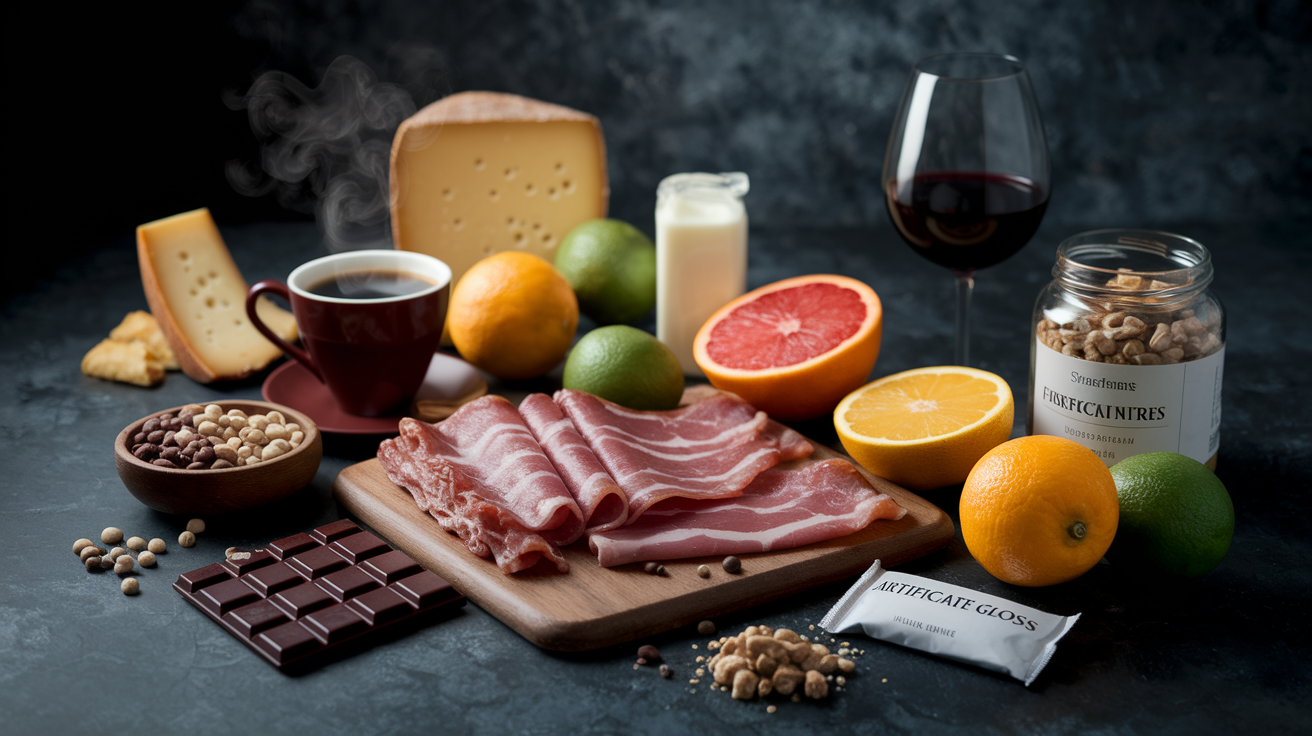
About 27–30% of people living with migraines believe certain foods play a role in their attacks. The science is still catching up, but clinical observation and self-reported patterns have identified a consistent set of dietary culprits. These foods don’t trigger migraines in everyone. When they do, though, the chemical compounds they contain can change blood vessel tone, affect neurotransmitter balance, or trigger inflammatory cascades that lead to pain.
The foods listed below appear in medical literature, clinical tracking logs, and elimination diet studies with enough regularity to warrant attention. Each one carries specific biochemical triggers (tyramine, histamine, nitrites, phenylethylamine, sulfites, or artificial additives) that can affect the brain and vascular system. Understanding which foods contain which compounds gives you a starting point for testing your own triggers.
Here are the 10 most commonly reported migraine trigger foods:
- Aged cheeses (cheddar, blue cheese, parmesan, brie, feta). High in tyramine, which affects blood vessel dilation and contraction
- Caffeinated beverages (coffee, tea, soda). Caffeine can relieve pain but also trigger migraines through withdrawal when intake drops suddenly
- Processed meats (bacon, sausage, hot dogs, deli meat). Contain nitrites and nitrates used as preservatives, which dilate blood vessels
- Chocolate. Contains phenylethylamine and caffeine, both linked to changes in blood pressure and vessel tone
- Citrus fruits (oranges, lemons, grapefruits, limes). Acidity and certain fruit compounds can irritate digestion or provoke headache in some people
- Alcohol, especially red wine. Contains histamine and sulfites, both of which can cause vasodilation and trigger migraines
- Nuts and seeds (peanuts, walnuts, almonds). May contain tyramine and other bioactive compounds that affect sensitive individuals
- Fermented foods (soy sauce, kimchi, sauerkraut, miso). High in histamine produced during fermentation
- Artificial sweeteners (aspartame, sucralose). Found in sugar-free products and linked to increased migraine frequency in several studies
- Dairy products (milk, yogurt, cheese, sour cream). Proteins or lactose may trigger migraines in people with sensitivities or lactose intolerance
Biochemical Reasons Why Certain Foods Trigger Migraine Symptoms
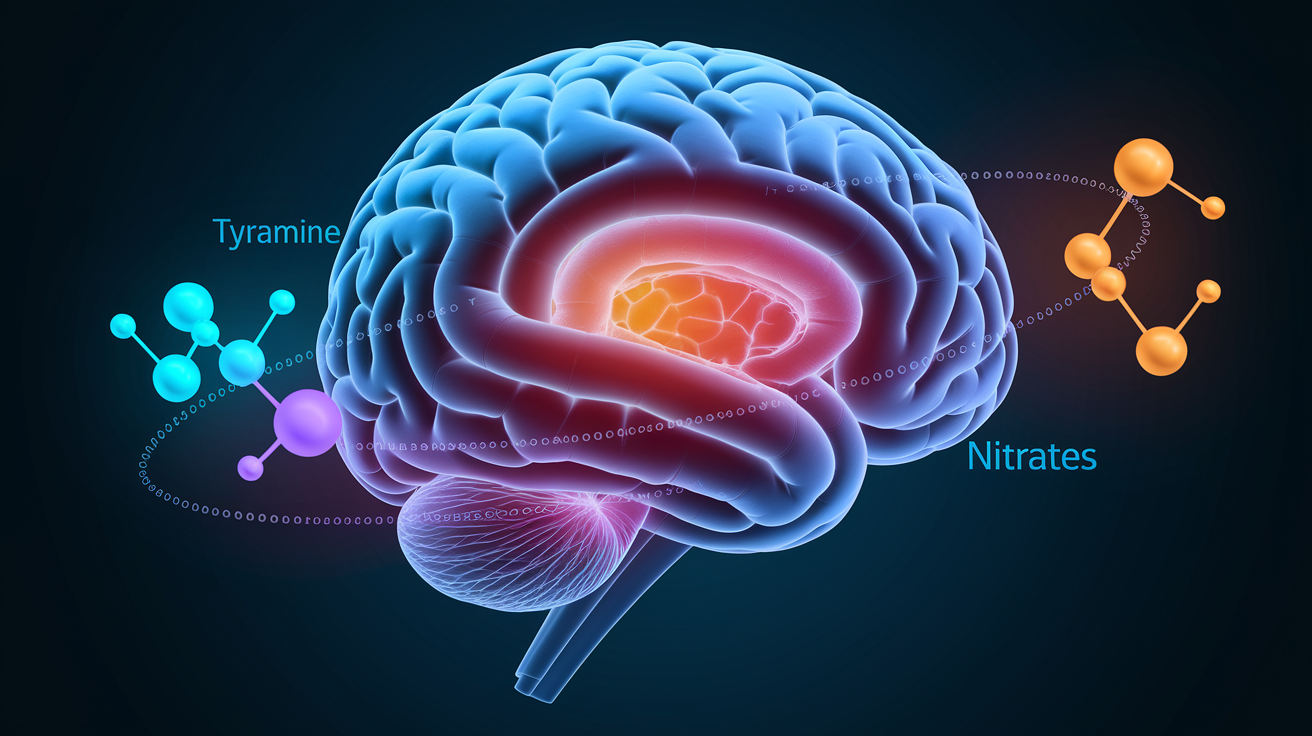
The connection between food and migraine isn’t random. It comes down to specific molecules that interact with your vascular system, your brain’s pain pathways, or your body’s ability to break down certain compounds.
Tyramine is one of the most studied. It forms when proteins in food break down during aging or fermentation, and it’s found in aged cheeses, red wine, yeast extracts, pickles, olives, chocolate, and processed meats. Tyramine can cause blood vessels to constrict and then dilate. That pattern can set off a migraine in people who are sensitive to it.
Histamine works in a similar way. It’s present in fermented foods, red wine, cured meats, and certain fish, and it causes vasodilation (widening of blood vessels). Many people with migraines have reduced activity of diamine oxidase, the enzyme that breaks down histamine. One study found that 87% of migraine sufferers had low DAO activity, which means histamine from food stays in their system longer and can trigger pain more easily.
Nitrates and nitrites, used to preserve processed meats like bacon and hot dogs, also dilate blood vessels. About 5% of people with migraines report headaches shortly after eating these foods, a phenomenon sometimes called the “hot dog headache.”
Caffeine is a double-edged compound. It can relieve migraine pain when used occasionally, which is why it appears in over-the-counter headache medications. But regular intake above about two cups of coffee or two sodas per day can lead to withdrawal headaches when consumption drops.
MSG, or monosodium glutamate, is widely reported as a trigger and may cause reactions within 20 minutes of eating. A 2016 review found no greater headache risk from MSG than from placebo. The picture is still unclear, but enough people report a connection that it’s worth tracking if you eat foods high in added glutamate.
Hidden Migraine Headache Triggers in Everyday Foods
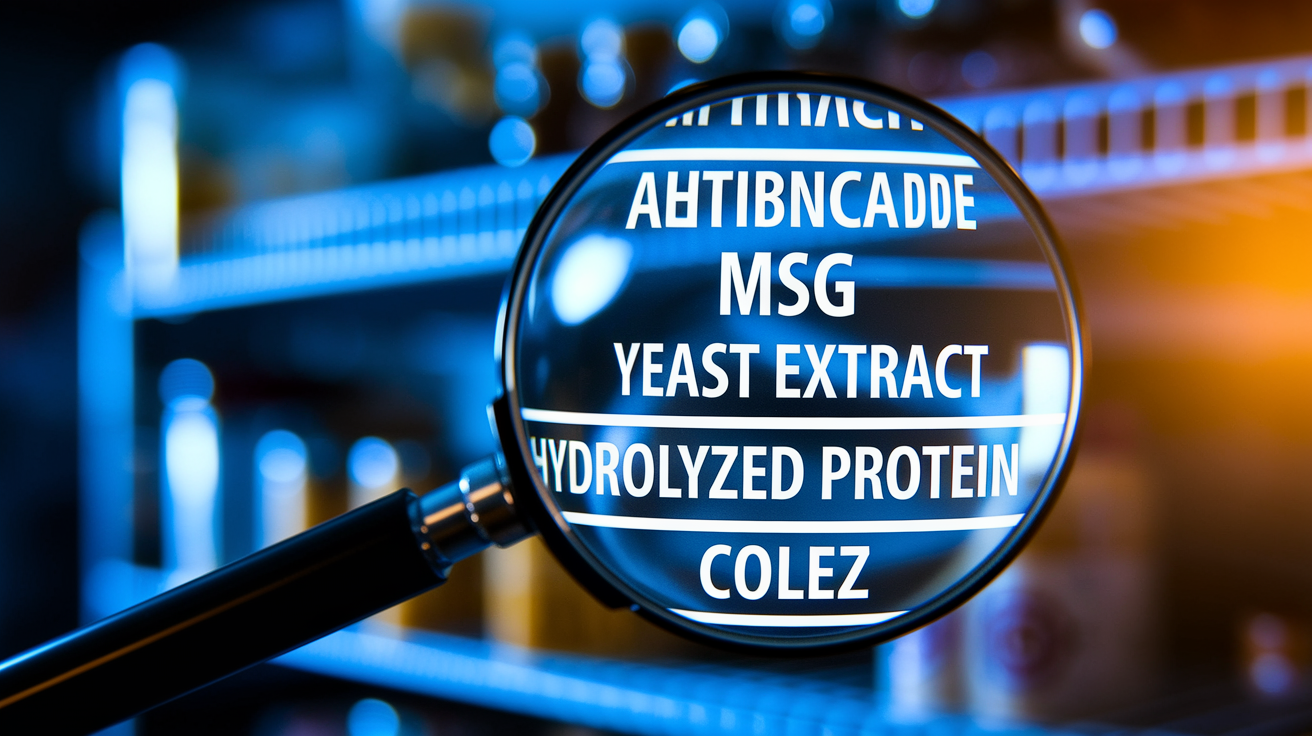
Some of the most common migraine-triggering compounds hide behind ingredient names that don’t look like warnings. MSG, for example, doesn’t always appear as “monosodium glutamate” on labels. You might see it listed as yeast extract, hydrolyzed vegetable protein, autolyzed yeast, or simply “natural flavoring.” All of these can contain free glutamate, the active compound that may provoke headaches in sensitive people. If you’ve noticed a pattern of migraines after eating packaged soups, snack chips, or seasoned frozen meals, check the ingredient list for these terms.
Nitrites and nitrates appear in nearly all cured and processed meats. Sodium nitrite and potassium nitrite are the most common forms, added to preserve color and prevent bacterial growth in bacon, sausages, deli slices, and hot dogs.
Sulfites, used to preserve dried fruits, wine, and some packaged vegetables, are another hidden trigger. Artificial sweeteners, particularly aspartame and sucralose, are found in diet sodas, sugar-free yogurt, protein bars, and chewing gum. These sweeteners have been linked to increased migraine frequency in multiple studies, yet they’re rarely flagged on packaging as potential headache triggers.
Common hidden trigger ingredients to watch for on labels:
- Monosodium glutamate (MSG), yeast extract, hydrolyzed protein, autolyzed yeast
- Sodium nitrite, potassium nitrite, sodium nitrate
- Sulfites (sulfur dioxide, sodium sulfite, potassium bisulfite)
- Aspartame, sucralose, acesulfame potassium
- Natural flavoring or flavor enhancers (may contain glutamate)
- Disodium guanylate, disodium inosinate (flavor enhancers related to MSG)
How to Identify Your Personal Migraine Headache Trigger Foods

Identifying your own triggers takes patience and structure. The goal is to gather enough data over time to see patterns that would otherwise stay invisible.
A food diary is the most reliable tool. Keep it for at least one month, ideally two to eight weeks, and record every meal and snack along with the time, portion size, and specific ingredients. If you drink coffee, note how many cups and roughly how much caffeine. If you drink alcohol, write down the type and volume. Include any additives you notice, like “contains aspartame” or “seasoned with soy sauce.”
At the same time, log every migraine. Write down the time it started, how intense the pain was on a 0 to 10 scale, and any other symptoms (nausea, sensitivity to light, dizziness). Note how much sleep you got the night before and whether you were under unusual stress.
The timing matters. For many triggers, the migraine shows up 12 to 24 hours after eating the food. But some reactions are faster. MSG-related headaches can begin within 20 minutes. Alcohol-related migraines often appear within three hours. Tracking these windows helps you connect the dots.
Here are the seven steps for accurate food and symptom tracking:
- Start a daily log with columns for date, time of meal, food and drink consumed, portion size, and any known additives or ingredients.
- Record estimated caffeine intake in milligrams or number of servings (e.g., “2 cups coffee, about 200 mg”).
- Note alcohol type and volume (e.g., “1 glass red wine, 5 oz”).
- Log migraine onset time, pain intensity (0–10), and accompanying symptoms such as nausea or light sensitivity.
- Track sleep quality and stress levels each day to account for non-food triggers.
- Look for consistent time gaps between eating a suspect food and headache onset, especially 12–24 hours, but also shorter windows for MSG (about 20 min) or alcohol (about 3 hours).
- After four weeks, review your log for patterns: foods that appear repeatedly before migraines, or days when you skipped meals and got a headache.
Using an Elimination Diet to Clarify Migraine Headache Trigger Foods
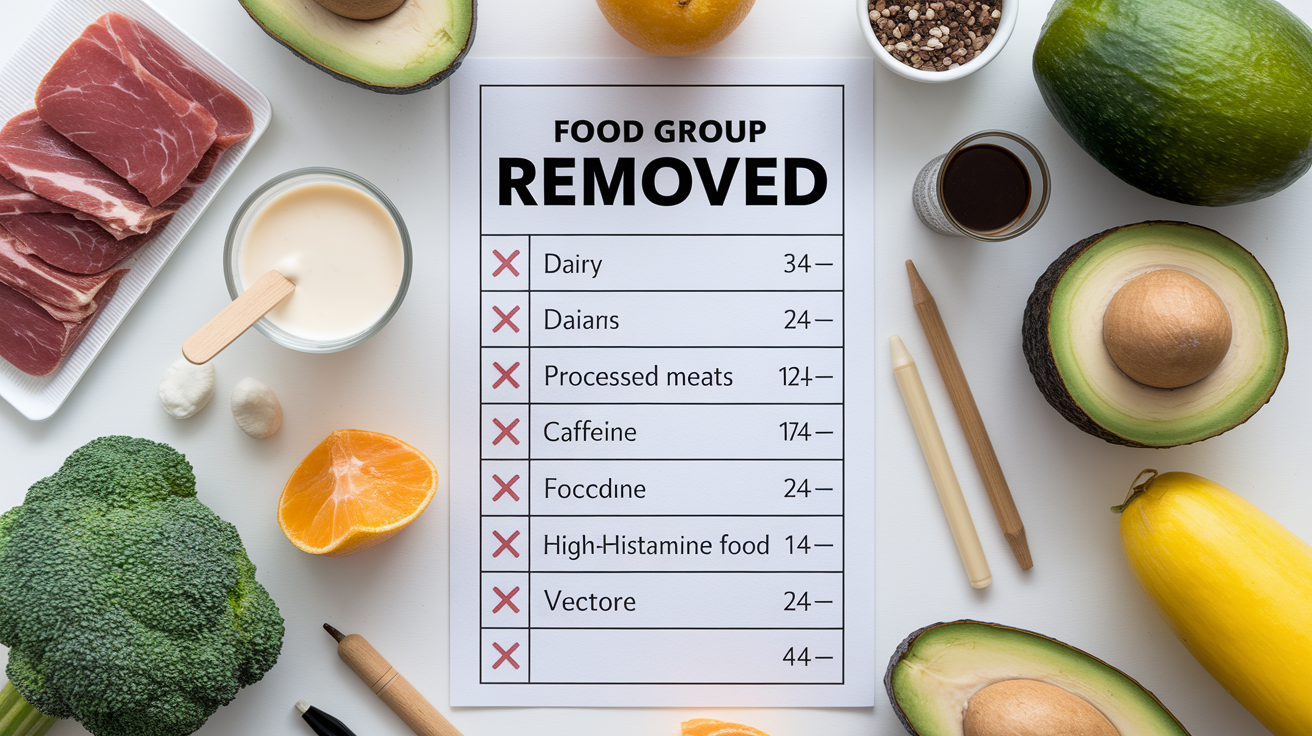
An elimination diet is the next step when your food diary suggests a few possible culprits but you’re not sure which one is actually responsible. The method is simple in principle. Remove one suspected food or food group at a time for two to four weeks, then reintroduce it and watch for symptoms. The key is changing only one thing at a time. If you eliminate dairy, caffeine, and processed meats all at once, you won’t know which one was the problem if your migraines improve.
During the elimination phase, keep your overall diet stable. Eat regular meals at consistent times, because hunger and fasting can trigger migraines more reliably than some individual foods.
After two to four weeks without the suspect food, reintroduce it in a normal portion and monitor your symptoms for the next 48 hours. If a migraine appears within that window and disappears again when you remove the food, you’ve likely found a trigger. If nothing happens, move on to the next suspect on your list.
Here’s a simple timeline for testing four common trigger categories:
| Food Group Removed | Typical Trial Duration | Observation Window |
|---|---|---|
| Dairy products (milk, cheese, yogurt) | 2–4 weeks | 48 hours after reintroduction |
| Processed meats (bacon, sausage, deli meat) | 2–4 weeks | 12–24 hours after reintroduction |
| Caffeine (coffee, tea, soda, chocolate) | 2–3 weeks | Withdrawal symptoms in first 3–7 days; reintroduction within 3 hours |
| High-histamine foods (fermented items, red wine, aged cheese) | 3–4 weeks | 12–24 hours after reintroduction |
Be prepared for the possibility that the trigger isn’t a single food but a combination. Caffeine plus stress, or skipped breakfast plus alcohol, for example. That’s why keeping your diary going through the elimination phase is critical.
Alternative Food Options That Are Less Likely to Trigger Migraine
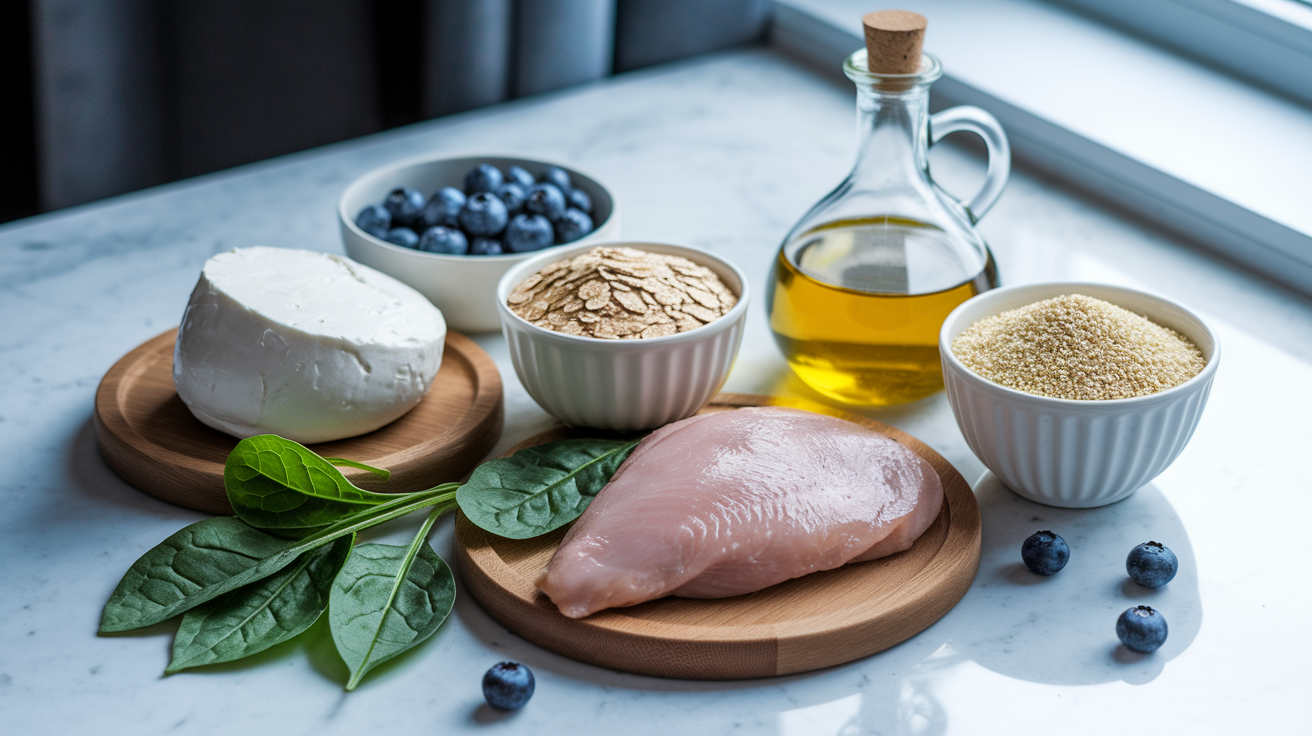
Once you’ve identified your triggers, the next question is what to eat instead. The good news is that many common foods are well tolerated and don’t carry the same biochemical risks.
Fresh cheeses like mozzarella, ricotta, and cream cheese are lower in tyramine than aged varieties. If you’ve been avoiding all cheese, these are safer options to test. For protein, choose unprocessed meats: freshly cooked chicken, turkey, beef, or pork without added nitrites or nitrates. Plant-based proteins like plain tofu, lentils, and chickpeas are also low-risk, though some people report sensitivity to certain beans, so track how you feel.
Fresh, non-citrus fruits and vegetables are generally safe. Apples, pears, berries (except raspberries if you’re histamine-sensitive), leafy greens, carrots, and sweet potatoes rarely trigger migraines. Whole grains like oatmeal, brown rice, and quinoa provide stable energy and help prevent blood sugar dips that can lead to headaches.
Anti-inflammatory foods (fatty fish like salmon and mackerel, flaxseeds, chia seeds, and olive oil) may even help reduce migraine frequency over time by lowering overall inflammation.
Lower-trigger alternative foods to consider:
- Fresh mozzarella, ricotta, or cream cheese instead of aged cheddar or blue cheese
- Freshly cooked unprocessed meats (chicken, turkey, pork) instead of bacon, sausage, or deli slices
- Herbal teas or water instead of caffeinated coffee or soda
- Fresh apples, pears, or berries instead of citrus fruits
- Plain oatmeal or brown rice instead of yeast-containing baked goods
- Natural sweeteners in small amounts (honey, maple syrup) instead of aspartame or sucralose
- Fresh vegetables (spinach, carrots, sweet potatoes) instead of tomato-based sauces or pickled items
- Plain water or coconut water instead of red wine or other alcoholic beverages
Meal Timing, Hydration, and Lifestyle Factors That Amplify or Reduce Food-Related Migraine Triggers

Food triggers don’t act in isolation. Meal timing, hydration, and lifestyle patterns can either make a trigger worse or soften its impact.
Skipping meals or fasting for long stretches is one of the most reliable migraine triggers, sometimes more consistent than any single food. When blood sugar drops, the brain responds with stress signals that can set off a headache. Eating at regular intervals (ideally three balanced meals and a snack or two) helps keep blood sugar stable and reduces that risk.
Dehydration is another major amplifier. Alcohol is a common culprit here, not just because of the histamine or sulfites it contains, but because it makes you lose water. Migraines from alcohol often appear within three hours of drinking, and dehydration plays a significant role. Drinking a glass of water between each alcoholic beverage and staying hydrated throughout the day can lower your overall migraine risk, even if you occasionally consume a known trigger food.
Caffeine deserves special attention because it can both prevent and cause migraines depending on how you use it. Stable intake (the same amount at roughly the same time each day) is less risky than erratic consumption. If you usually drink two cups of coffee every morning and then skip it on weekends, that sudden drop can trigger a withdrawal headache. Tapering slowly over a week or two is a safer way to reduce caffeine if you want to test whether it’s a trigger for you.
The same principle applies to other triggers. Consistency in meal timing, hydration, and sleep reduces the overall burden on your system and makes it easier to see which foods are actually causing trouble.
When to Seek Medical Guidance for Ongoing Migraine Headache Food Triggers

If you’ve kept a detailed food diary, tried targeted elimination, and still can’t get your migraines under control, it’s time to bring in professional help. Persistent or severe migraines that interfere with work, sleep, or daily life warrant evaluation by a healthcare provider.
A clinician can review your tracking data, look for patterns you might have missed, and suggest diagnostic tests to rule out other causes. Some people benefit from food allergy testing, but remember that many migraine triggers are not true allergies. They’re biochemical reactions (histamine intolerance, enzyme deficiencies, or sensitivities to additives) that won’t show up on standard allergy panels.
Your doctor may also recommend supplements that have evidence for migraine prevention. Magnesium, riboflavin (vitamin B2), and coenzyme Q10 are commonly suggested, especially if dietary changes alone aren’t enough. Prescription medications (both preventive and acute treatments) are available when migraines are frequent or disabling. Advanced diagnostic options, including imaging and electrodiagnostic testing, can help confirm or rule out other neurological conditions.
The goal isn’t to replace dietary management but to support it with a broader, more personalized treatment plan.
Final Words
You now have the key foods linked to attacks, the simple chemistry behind them, and a short list of hidden ingredients to watch on labels.
You also have step-by-step tracking and an elimination approach, plus safer swap ideas and practical tips on meal timing and hydration.
If symptoms continue after trying these steps, see a clinician for testing or treatment options. It takes time, but steady tracking usually pays off.
With small changes and a clear plan, you can reduce episodes and better manage migraine headache triggers foods.
FAQ
Q: What foods worsen migraines?
A: The foods that worsen migraines include aged cheeses, processed meats, chocolate, alcohol (especially red wine), citrus, nuts, fermented foods, artificial sweeteners, and sudden caffeine or hydration changes, often via tyramine, histamine, or nitrates.
Q: What is the 5 4 3 2 1 rule for migraines?
A: The 5 4 3 2 1 rule for migraines is a grounding exercise to cut stress triggers: name 5 things you see, 4 you touch, 3 you hear, 2 you smell, and 1 you taste to calm you.
Q: What are the 5 C’s to avoid for migraines?
A: The 5 C’s to avoid for migraines are cheese, chocolate, caffeine, citrus, and cured meats; these commonly contain tyramine, phenylethylamine, caffeine, acidity, or nitrates that can provoke headaches.
Q: What foods get rid of migraine headaches?
A: The foods that can help ease migraine headaches are plain water, whole grains, lean protein, low-tyramine cheeses (mozzarella), magnesium-rich greens (spinach), and omega-3 sources (fatty fish); steady meals and hydration matter most.