
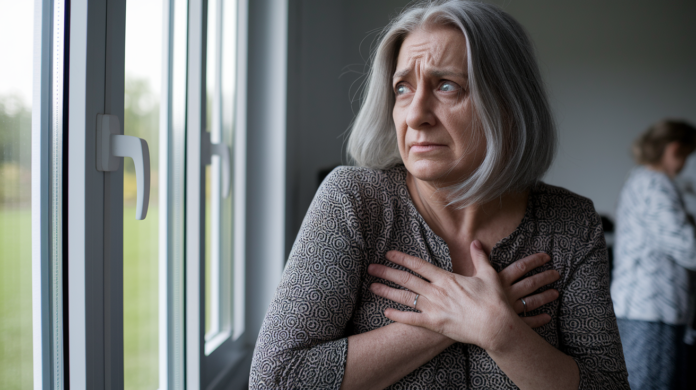
What if shortness of breath is more than being out of shape?
Shortness of breath can be a quick, scary warning light, sometimes temporary after a run, sometimes a sign of lung, heart, allergy, or anxiety problems.
This post breaks down common and less common causes, points out the clear red flags that mean get urgent care, and gives simple tracking steps you can use before you see a clinician.
By the end you’ll know what to watch for and when to act.
Overview of What Can Cause Difficulty Breathing
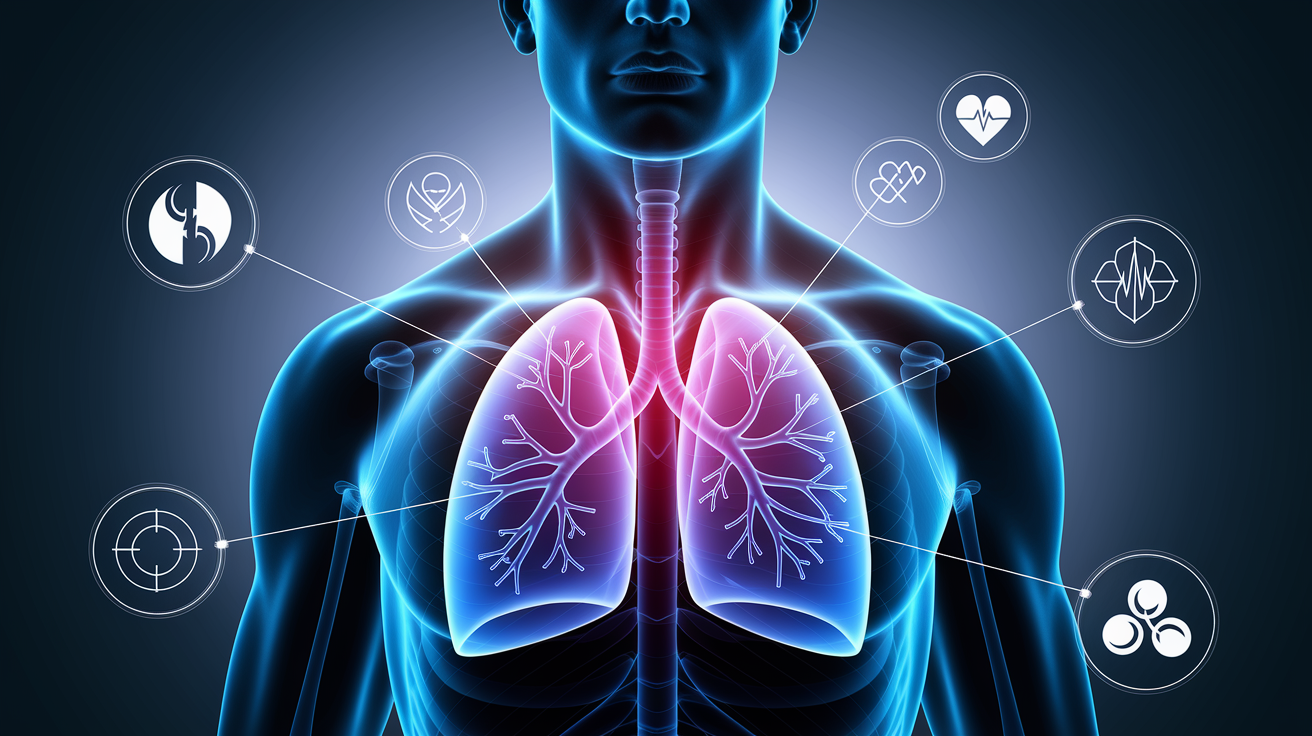
Difficulty breathing is that uncomfortable feeling of not getting enough air. Different from normal breathlessness after running up stairs or hauling heavy groceries. It can show up as labored breathing, tight chest, rapid shallow breaths, or the sensation that you can’t fill your lungs all the way. Most of the time, breathlessness after physical effort is totally normal and goes away within a few minutes. But if breathing difficulty comes on suddenly without exertion, happens while you’re resting, or slowly gets worse over time, it might signal something that needs medical attention.
Breathing difficulty often gets grouped into sudden (acute) and gradual (chronic) patterns. Acute difficulty can develop within seconds, minutes, or hours and might be caused by a heart attack, blood clot in the lung, severe allergic reaction, or carbon monoxide poisoning. Chronic difficulty builds over weeks, months, or years and may be linked to long term lung disease like COPD (chronic obstructive pulmonary disease), heart failure, anemia, or obesity. Psychological triggers like panic attacks can also create real, uncomfortable breathlessness that mimics physical illness.
The causes range from harmless to life threatening. Many require evaluation by a clinician to identify the right treatment. Some breathing problems respond well to medication or lifestyle changes, while others need emergency care to prevent serious harm.
Major categories of difficulty breathing include:
- Respiratory conditions like asthma, COPD, pneumonia, and bronchitis that inflame or block the airways.
- Cardiac problems such as heart failure, arrhythmias, and angina that reduce blood flow and oxygen delivery.
- Allergic reactions including anaphylaxis that cause rapid airway swelling and obstruction.
- Psychological factors like anxiety and panic attacks that trigger hyperventilation and shallow breathing.
- Environmental and toxic exposures such as carbon monoxide poisoning, poor air quality, and smoking.
Respiratory Conditions That Commonly Lead to Difficulty Breathing
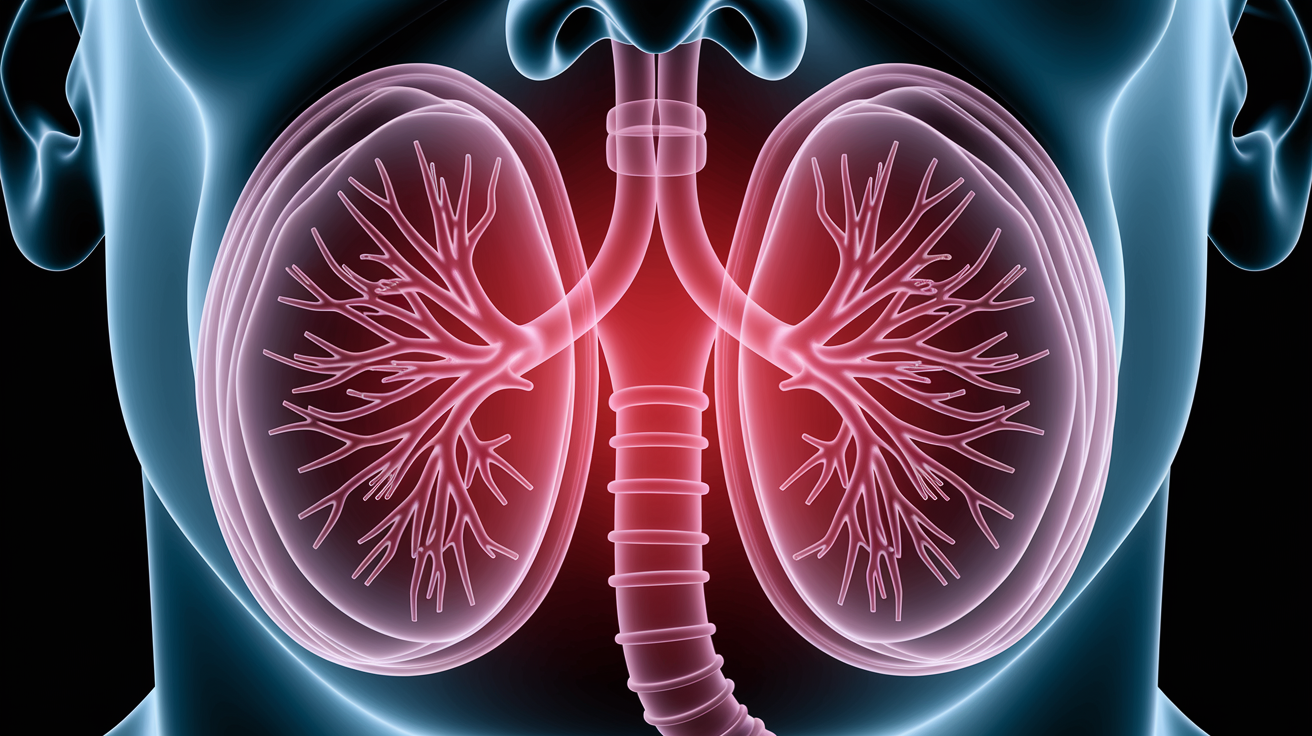
When your airways become inflamed, swollen, or clogged with mucus, it takes more effort to move air in and out. Conditions like asthma, COPD, and respiratory infections can all narrow the airways or reduce the lungs’ ability to exchange oxygen and carbon dioxide. Asthma causes the airway walls to swell and tighten while producing extra mucus, which leads to wheezing (that whistling sound when you breathe), coughing, and a tight feeling in the chest. Flare ups often come on fast and can resolve within a couple of hours with the right inhaler or bronchodilator, but without treatment they may stick around and get worse.
COPD refers to permanent damage to the lungs, usually from years of smoking. It includes emphysema and chronic bronchitis. People with COPD experience progressive shortness of breath that worsens over time, especially during activity. The damage can’t be reversed, but treatment can slow progression and improve quality of life. Respiratory infections, including the common cold, flu, pneumonia, and COVID-19, cause inflammation and mucus buildup that interfere with normal breathing. If you’ve got fever, thick colored mucus, chest pain, or symptoms that last beyond two weeks, get checked by a clinician. Antibiotics help if the cause is bacterial pneumonia.
Environmental factors can also trigger or worsen respiratory symptoms. Extreme heat or cold, high humidity, rapid altitude changes, and poor air quality from pollution or wildfire smoke can all make breathing harder. Altitude sickness, common above 8,000 feet, usually improves within one to two days as your body adjusts. If symptoms last longer or get worse, come back down to a lower elevation and seek care.
Common respiratory signs that point to airway problems:
- Wheezing or high pitched whistling sound when you breathe
- Persistent coughing, especially if it brings up mucus or feels tight
- Chest tightness or a feeling of pressure
- Shortness of breath that’s worse with exertion or lying down
Cardiac-Related Difficulty Breathing and How It Develops
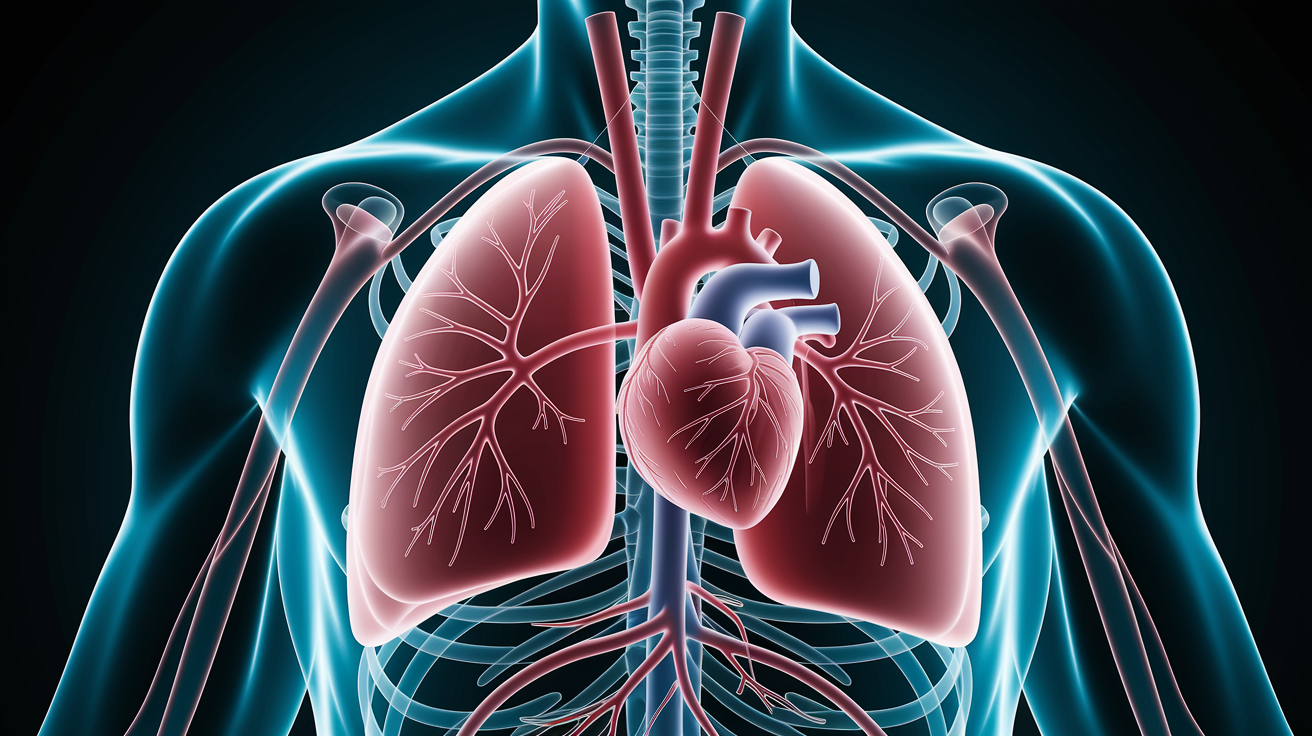
Heart problems can reduce how much oxygen rich blood your body receives, and that shortage makes you feel breathless. When the heart can’t pump effectively, fluid backs up into the lungs, a condition known as heart failure or congestive heart failure. The fluid takes up space where oxygen should be exchanged, making every breath feel harder. Breathing difficulty from heart failure often gets worse with physical activity or when lying flat. Many people with heart failure need to prop themselves up with pillows at night. Some wake up suddenly a couple of hours after falling asleep, gasping for air.
Heart rhythm problems, called arrhythmias, also trigger breathing difficulty. Atrial fibrillation causes an irregular, sometimes rapid heartbeat, while supraventricular tachycardia creates a sudden, regular, fast heart rate. Both can reduce the heart’s efficiency and leave you short of breath, especially during exertion. Angina, caused by reduced blood flow to the heart muscle, often presents as chest pain or pressure along with breathlessness. It usually happens during activity or stress and may improve with rest or nitroglycerin.
If you’ve got sudden chest pain, blue tinged lips, severe fatigue, fainting, or swelling in your ankles and feet alongside breathing trouble, those are signs of a possible heart emergency. Don’t wait to see if it gets better. Call 911 or get to an emergency room right away.
Allergic Reactions and Airway Swelling That Cause Breathing Difficulty
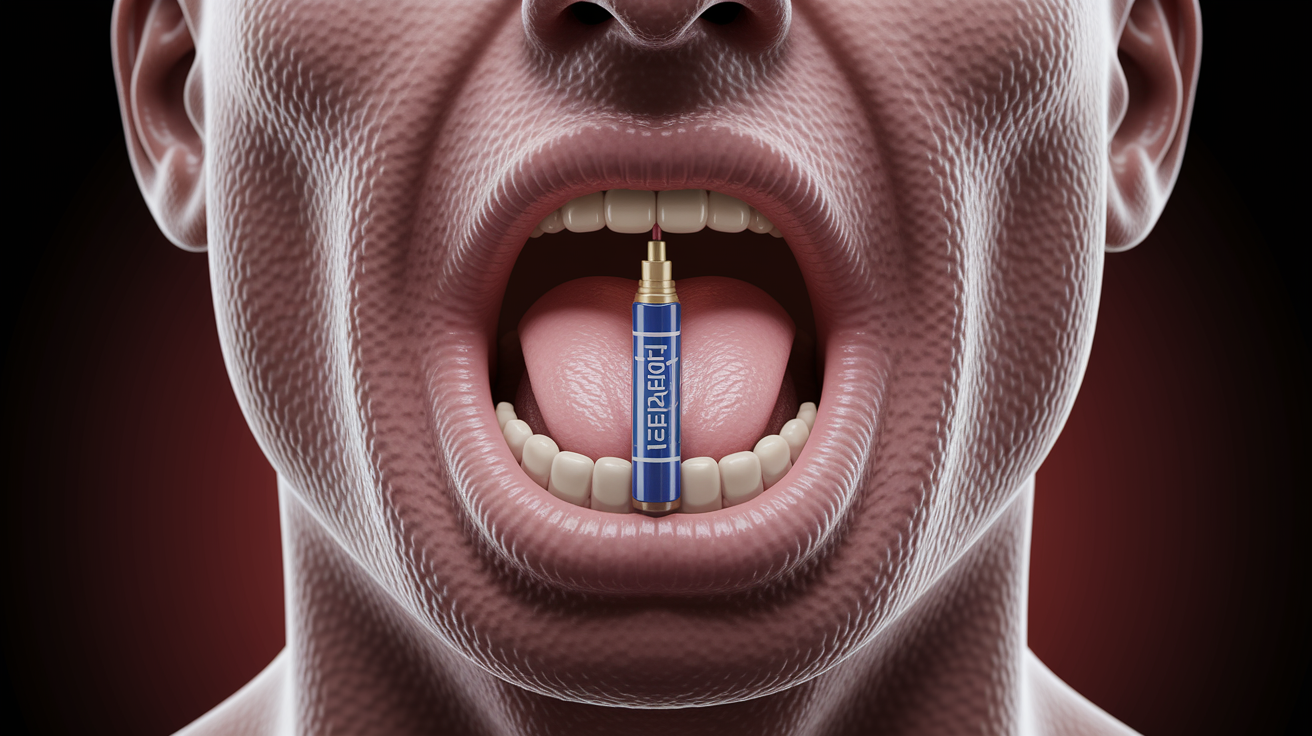
Severe allergic reactions, called anaphylaxis, can develop within seconds to minutes after exposure to a trigger like peanuts, shellfish, bee stings, or certain medications. The reaction causes rapid swelling in the throat and airways, making it difficult or impossible to breathe. Other signs include hives, rash, swelling of the face or tongue, abdominal pain, nausea, rapid weak pulse, and a sudden drop in blood pressure. Anaphylaxis is life threatening and requires an immediate epinephrine injection, usually from an auto injector like an EpiPen, followed by emergency medical care.
Airway obstruction from a foreign object is another fast developing emergency, especially in young children. If someone suddenly can’t breathe, can’t speak, or is clutching their throat, they may have something blocking the airway. The Heimlich maneuver or back blows may help dislodge the object. If the person loses consciousness or the blockage doesn’t clear, call 911 right away.
Rapid onset symptoms that suggest an allergic or obstructive breathing emergency:
- Sudden difficulty breathing with no other explanation
- Swelling of the face, lips, tongue, or throat
- Skin turning blue, gray, or pale, especially around the mouth and fingertips
Anxiety, Panic Attacks, and Breathing Pattern Disorders

Panic attacks and anxiety can produce very real physical symptoms, including rapid breathing, air hunger, chest tightness, dizziness, and tingling in the hands or feet. During a panic attack, breathing often becomes fast and deep, a pattern called hyperventilation. This lowers carbon dioxide levels in the blood and can make you feel lightheaded or like you can’t catch your breath. The symptoms usually start during or right after a stressful event and may last several minutes.
Even though anxiety related breathlessness isn’t caused by lung or heart disease, it feels frightening and can be hard to tell apart from a medical emergency. If you have a history of panic attacks and recognize the pattern, try slowing your breathing with a technique like pursed lip breathing. Sit with your feet flat on the floor, inhale slowly through your nose for two counts, then pucker your lips and exhale slowly for four counts or longer. This helps bring your breathing back to a calmer rhythm. If you’re unsure whether your symptoms are from anxiety or something more serious, or if this is your first time experiencing sudden breathlessness, get checked by a clinician to rule out other causes.
Typical anxiety related breathing symptoms include:
- Rapid, shallow breaths that feel out of your control
- Sensation of not being able to get enough air even though oxygen levels are normal
- Tingling or numbness around the mouth, hands, or feet
Chronic Conditions That Cause Ongoing Breathing Difficulty
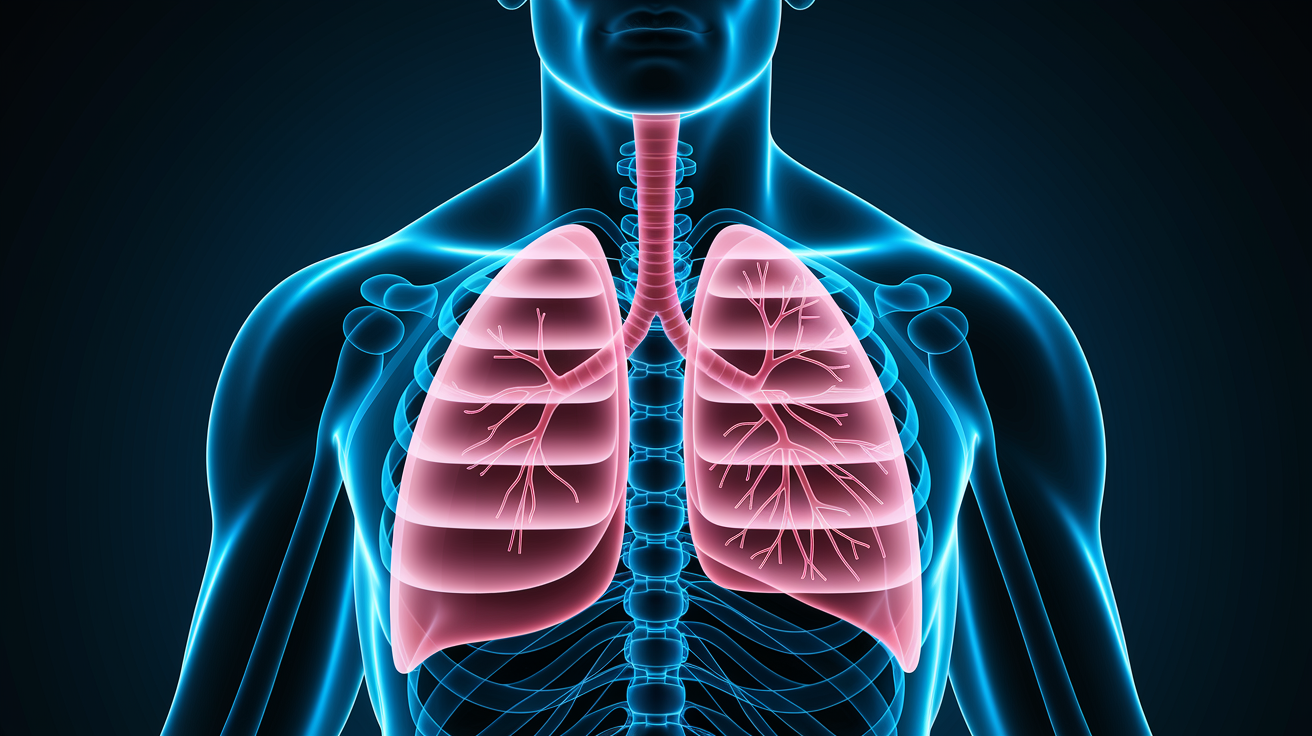
Long term diseases can slowly chip away at your lungs’ or heart’s ability to deliver oxygen, leading to breathing difficulty that develops over weeks, months, or years. COPD is one of the most common chronic lung diseases and includes emphysema and chronic bronchitis. Years of smoking damage the airways and air sacs, making it progressively harder to breathe. Interstitial lung disease, which includes conditions like pulmonary fibrosis and sarcoidosis, causes scarring in the lung tissue that stiffens the lungs and reduces oxygen transfer. Lung cancer can block airways or spread into lung tissue, gradually worsening breathlessness.
Anemia, a condition where you have too few red blood cells or too little hemoglobin, reduces your blood’s ability to carry oxygen. Even if your lungs are healthy, low oxygen delivery to muscles and organs makes you feel breathless and tired. Anemia can result from low iron levels, chronic illness, or blood loss and often improves with supplements or, in severe cases, a blood transfusion. Obesity also contributes to breathing difficulty. Nearly 42 percent of American adults have a body mass index (BMI) of 30 or higher, which is classified as obese. Extra weight increases the work of breathing, reduces lung capacity, and promotes inflammation that can worsen underlying respiratory and heart conditions.
Sleep apnea causes repeated pauses in breathing during the night, dropping oxygen levels and disrupting sleep. Over time, untreated sleep apnea can lead to daytime breathlessness, fatigue, high blood pressure, and heart problems. Deconditioning, or simply being out of shape, also makes breathing harder during activities that used to feel easy. Regular physical activity improves cardiovascular and lung fitness and often reduces symptoms.
| Condition | How It Causes Breathing Difficulty |
|---|---|
| COPD | Permanent airway damage and inflammation reduce airflow and oxygen exchange. Symptoms worsen over time. |
| Interstitial Lung Disease | Scarring and stiffening of lung tissue make it harder for oxygen to pass into the blood. |
| Anemia | Low red blood cell count reduces the blood’s oxygen carrying capacity, causing fatigue and breathlessness. |
| Obesity | Excess weight increases respiratory workload, compresses the diaphragm, and promotes systemic inflammation. |
| Sleep Apnea | Repeated nighttime breathing pauses lower oxygen levels and strain the heart, leading to daytime breathlessness. |
Environmental and Toxic Exposure Sources of Difficulty Breathing
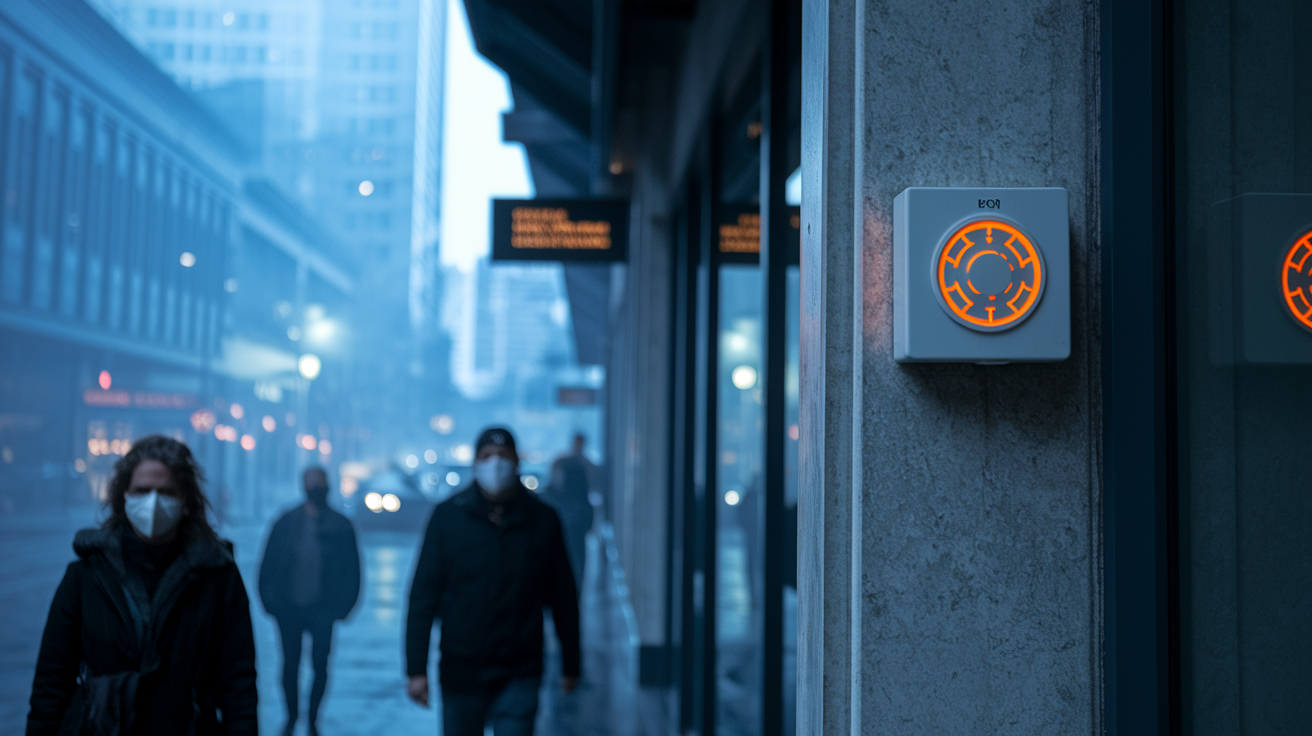
The air you breathe directly affects how well your lungs function. Extreme temperatures, high humidity, and rapid changes in altitude can all make breathing harder. Poor air quality from pollution, wildfire smoke, or chemical fumes irritates the airways and can trigger symptoms within hours. Most environmental breathing problems improve once you move to cleaner air or a more comfortable environment, but repeated exposure can cause long term lung damage.
Carbon monoxide poisoning is a life threatening emergency caused by inhaling an odorless, colorless gas produced when fuels like gas, oil, wood, or charcoal burn. Symptoms include sudden breathlessness, headache, weakness, dizziness, nausea, vomiting, confusion, blurred vision, and fainting. If you suspect carbon monoxide exposure, get outside into fresh air immediately and call 911. Install a carbon monoxide detector on every level of your home and near sleeping areas. Test the detectors once a year and change the batteries as needed. Smoking, including cigarettes, cigars, vaping products, and marijuana, directly damages the lungs and increases the risk of COPD, chronic bronchitis, and cancer. Secondhand smoke also harms anyone who breathes it in, especially children and people with existing lung or heart conditions.
Recognizing Emergency Red Flags of Difficulty Breathing
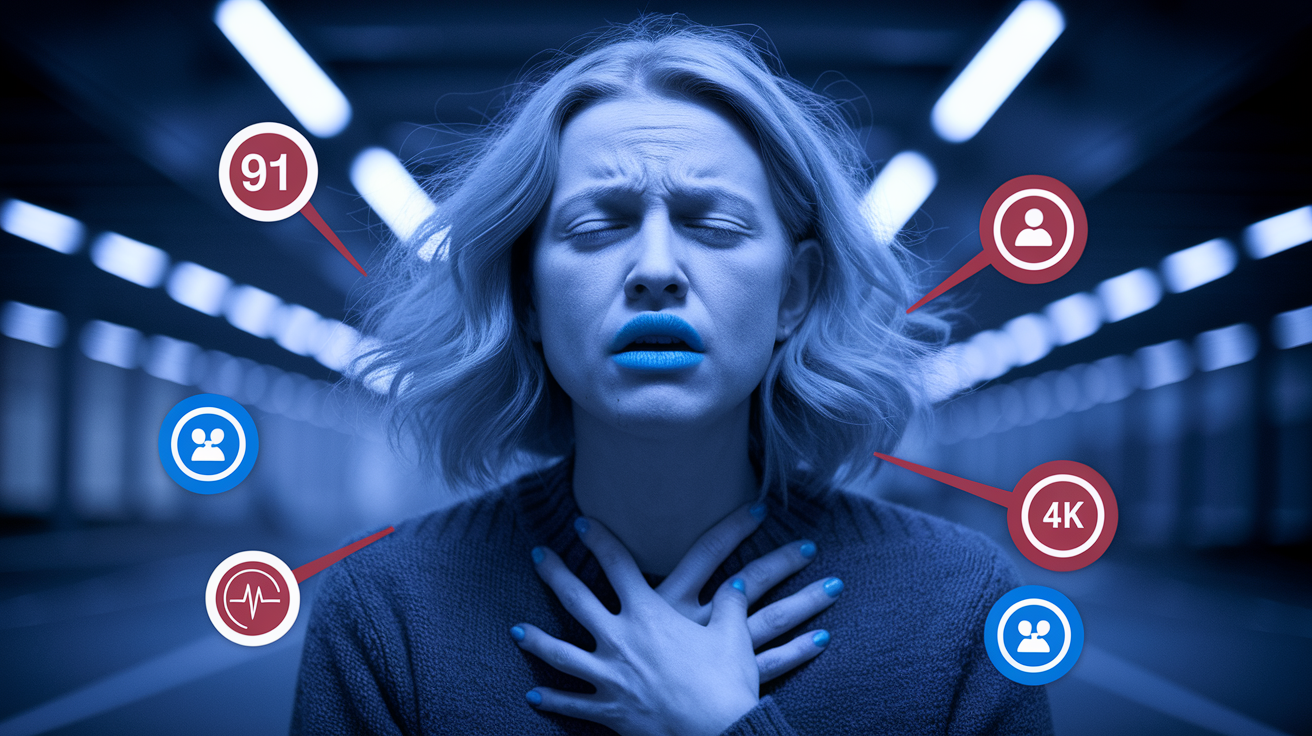
Certain breathing symptoms require immediate emergency care because they may signal a heart attack, blood clot in the lung, severe asthma attack, or another life threatening condition. Sudden, severe shortness of breath that makes it hard to speak in full sentences is a red flag. If you can only get out a few words at a time before needing another breath, that’s a sign your body isn’t getting enough oxygen. Breathing difficulty that doesn’t improve after 30 minutes of rest also warrants emergency help.
Blue or gray discoloration of the lips, face, fingertips, or nail beds, called cyanosis, means oxygen levels in your blood are dangerously low. Chest pain or pressure that comes with breathlessness may indicate a heart attack or pulmonary embolism. A rapid or irregular heartbeat, wheezing, a high pitched sound when you breathe, confusion, severe dizziness, or fainting are all urgent warning signs. Swelling of the face or throat, especially after eating something or being stung by an insect, suggests anaphylaxis. Don’t wait to see if symptoms improve. Call 911 right away.
Most critical warning signs that require emergency care:
- Sudden, severe breathlessness that makes speaking difficult
- Blue or gray lips, face, or fingertips
- Chest pain, pressure, or heaviness
- Rapid, irregular, or pounding heartbeat
- Wheezing or high pitched breathing sounds
- Fainting, confusion, or severe dizziness
How Doctors Diagnose the Underlying Cause of Breathing Difficulty

When you see a clinician for breathing difficulty, they’ll start by asking about your symptoms, when they started, what makes them better or worse, and whether you have other health conditions or take any medications. They’ll listen to your lungs and heart with a stethoscope and check your oxygen level using a small device called a pulse oximeter that clips onto your finger. If your oxygen saturation is low, that signals a problem with your lungs, heart, or blood.
A chest X-ray is often one of the first imaging tests ordered. It can show signs of pneumonia, heart failure, collapsed lung, or fluid around the lungs. Blood tests, including a complete blood count, help identify anemia, infection, or other conditions that affect oxygen delivery. An electrocardiogram, or ECG, records your heart’s electrical activity and can detect arrhythmias, signs of a heart attack, or strain on the heart. If your doctor suspects a blood clot in the lung, a CT scan and a blood test called a D-dimer may be ordered. Pulmonary function tests measure how well your lungs move air in and out and are commonly used to diagnose asthma, COPD, and other chronic lung diseases.
| Test | What It Detects |
|---|---|
| Pulse Oximetry | Measures blood oxygen saturation. Low levels suggest lung, heart, or blood problems. |
| Chest X-ray | Shows pneumonia, fluid buildup, heart enlargement, collapsed lung, or masses. |
| Pulmonary Function Tests | Measures airflow and lung capacity to diagnose asthma, COPD, and restrictive lung disease. |
| Blood Tests | Detects anemia, infection markers, electrolyte imbalances, and clotting abnormalities. |
Treatment Options for Difficulty Breathing Depending on the Cause
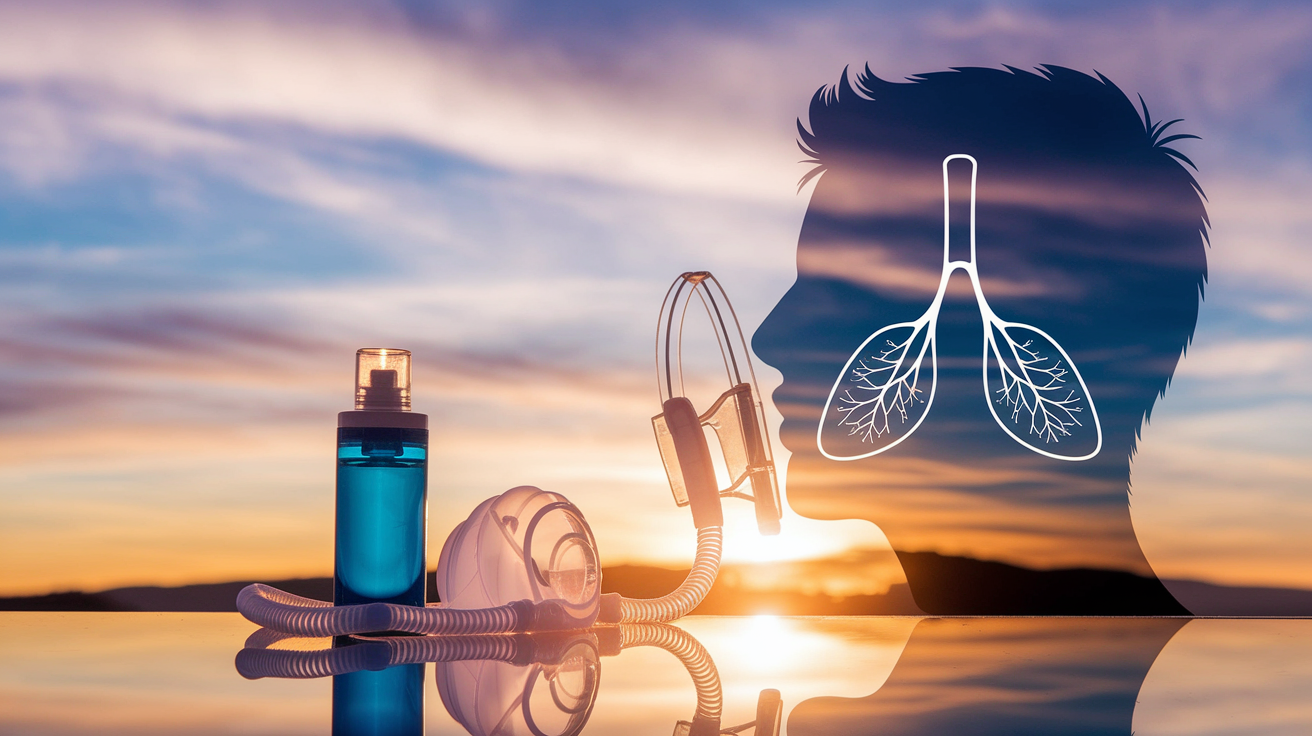
Treatment depends entirely on what’s causing your breathing difficulty. For asthma and COPD, medications called bronchodilators help open the airways, while anti inflammatory drugs, often inhaled corticosteroids, reduce swelling and mucus production. If you have a bacterial infection like pneumonia, antibiotics are needed. Heart failure may require diuretics to remove excess fluid, along with medications to strengthen the heart’s pumping ability or control blood pressure and heart rate. Anemia is treated with iron supplements, vitamin B12, or other therapies depending on the cause, and sometimes a blood transfusion is necessary if levels are very low.
Oxygen therapy delivers extra oxygen through a mask or nasal tube when blood oxygen levels drop too low. It’s commonly used in hospitals and sometimes prescribed for home use in people with advanced lung or heart disease. Breathing exercises can also help. Pursed lip breathing is a simple technique that slows your breathing and keeps airways open longer. Sit with your feet flat on the floor, inhale slowly through your nose for two counts while filling your belly, then pucker your lips as if you’re blowing out a candle and exhale slowly for four or more counts. This technique is especially helpful for people with COPD or anxiety related breathlessness.
Lifestyle changes play a big role in long term management. Quitting smoking is the single most important step you can take to protect your lungs. Regular cardiovascular and strength training exercise improves fitness and reduces breathlessness over time. Eating smaller, more frequent meals instead of large heavy meals can reduce pressure on the diaphragm and make breathing easier. If you’re overweight, even modest weight loss can improve symptoms. Avoiding environmental triggers like smoke, strong perfumes, cold air, or high altitudes helps prevent flare ups.
Main treatment categories for breathing difficulty:
- Medications, including bronchodilators, anti inflammatories, antibiotics, and cardiac drugs
- Supplemental oxygen therapy for low blood oxygen levels
- Breathing exercises like pursed lip breathing to improve control
- Lifestyle measures such as smoking cessation, exercise, and dietary changes
- Pulmonary or cardiac rehabilitation programs for chronic conditions
Factors That Increase the Risk of Developing Difficulty Breathing
Several factors raise your risk of experiencing breathing difficulty. Smoking is the leading preventable cause of chronic lung disease, including COPD, chronic bronchitis, and lung cancer. Obesity increases the mechanical workload of breathing and contributes to inflammation that worsens lung and heart function. Nearly 42 percent of American adults have a BMI of 30 or higher, putting them at increased risk for breathlessness along with diabetes, heart disease, stroke, and certain cancers. Chronic illnesses like heart failure, poorly controlled asthma, and anemia also make breathing problems more likely.
Aging brings natural changes to the lungs and heart that reduce reserve capacity, making older adults more vulnerable to breathlessness. Genetic factors can predispose you to conditions like alpha-1 antitrypsin deficiency, which increases the risk of early COPD, or inherited heart conditions that affect pumping efficiency. Occupational hazards, including prolonged exposure to dust, chemicals, or fumes, can damage the lungs over time. Poor air quality from pollution, wildfire smoke, or indoor irritants like mold and secondhand smoke all contribute to respiratory problems. If you use gas appliances, a furnace, fireplace, or attached garage, install a carbon monoxide detector on each level of your home and near sleeping areas. Test the detectors yearly and replace batteries as needed to protect against poisoning.
Final Words
We went straight through what can make breathing hard — lung and heart problems, allergic reactions, anxiety, and environmental or toxic causes. You also got how clinicians check symptoms and common treatments and home steps to try.
Pay attention to red flags: sudden severe breathlessness, blue lips, chest pain, fainting, or confusion. Don’t wait.
Track timing, triggers, and related signs. Knowing likely difficulty breathing causes makes it easier to get the right care and feel more in control.
FAQ
Q: Why do I feel like I cant get a full breath?
A: Feeling like you can’t get a full breath happens when airways narrow (asthma, COPD), lungs hold fluid, anxiety speeds breathing, or low oxygen/anemia limit delivery — see a clinician if sudden, worsening, or with chest pain.
Q: What is the most common cause of difficulty breathing?
A: The most common cause of difficulty breathing is respiratory problems such as asthma, COPD, and respiratory infections; anxiety, poor fitness, and obesity are also frequent contributors.
Q: What is the tablet for shortness of breath?
A: There is no single tablet for shortness of breath. Treatment depends on the cause: inhalers for asthma, oral steroids for inflammation, diuretics for heart failure, or anxiety medicines when panic drives symptoms.
Q: How do I know if my shortness of breath is serious?
A: You know shortness of breath is serious if it starts suddenly or comes with chest pain, blue lips/face, fainting, confusion, inability to speak full sentences, or a very fast or irregular heartbeat. Get urgent care.