
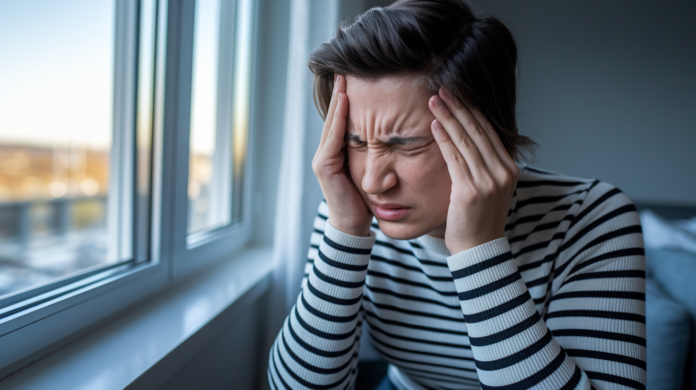
Could everyday things like coffee or a change in weather be the reason for those sudden, stabbing head pains?
Ice pick headaches are brief, intense jabs of pain that last seconds but can happen many times a day.
Triggers vary a lot between people.
Stress, bright light, sleep shifts, certain foods, alcohol, and barometric drops are common culprits.
This post lays out the usual and surprising triggers, why nerves sometimes misfire, and how to track attacks so you can spot your own patterns.
You’ll get practical steps to try and what to tell your clinician if the stabs don’t settle.
Understanding Ice Pick Headaches and Their Primary Triggers
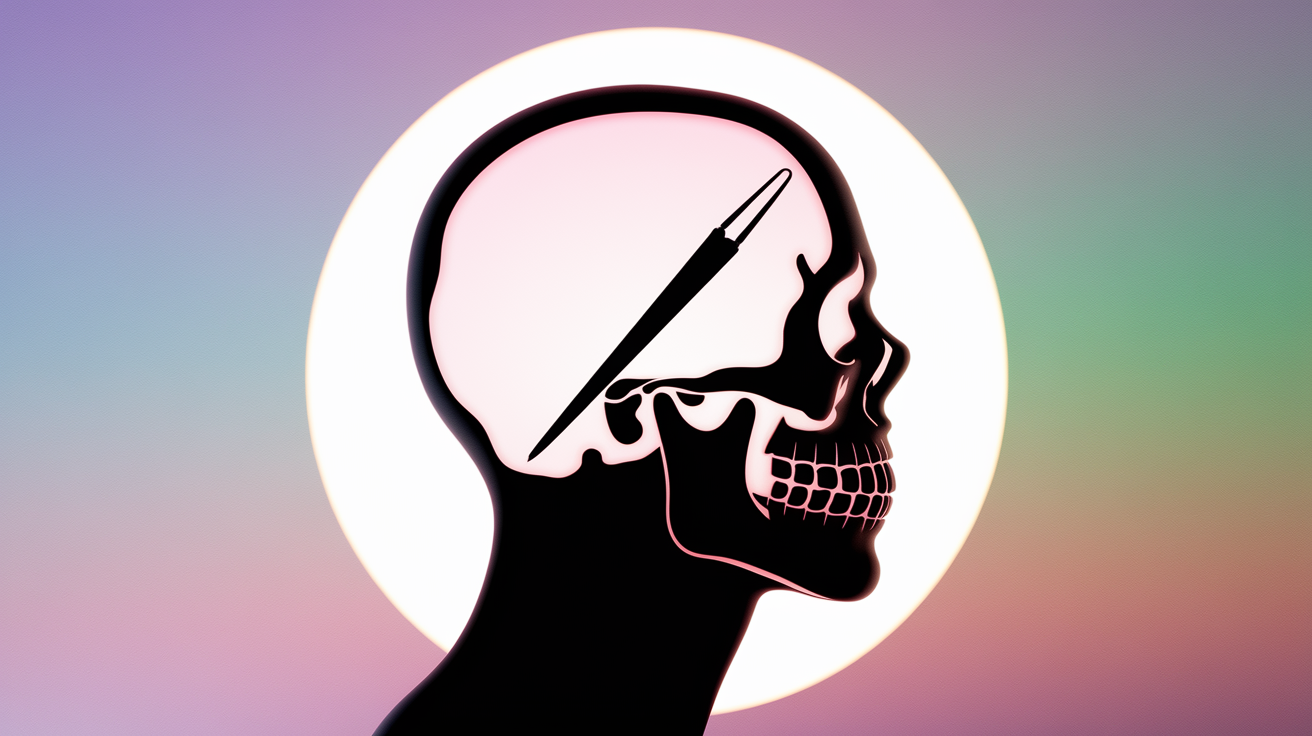
Ice pick headaches are sudden, sharp jabs of pain that feel exactly like the name suggests. Someone’s stabbing an ice pick into your skull. These are also called primary stabbing headaches. Each stab usually lasts only a few seconds, though sometimes they can stick around for up to two minutes. The pain is intense but extremely brief, and it can strike anywhere on your head. Front, side, back, or temple.
Most people experience these headaches sporadically. Maybe once in a lifetime or a few times a year. Others get multiple attacks in a single day. The pain can move around or hit the same spot repeatedly.
Common triggers that have been linked to ice pick headaches include:
Stress or sudden emotional upset, which can activate pain pathways in the brain
Bright or flickering lights, especially in people who also get migraines
Physical exertion, coughing, or sneezing, which briefly raise pressure inside the skull
Weather changes and drops in barometric pressure, known to affect susceptible individuals
Caffeine, both too much and sudden withdrawal
Alcohol, even a single drink in some cases
Sleep disturbances, such as insomnia, irregular sleep schedules, or sleeping too much
Certain foods or additives, like MSG, aged cheeses, or processed meats with nitrates
Why triggers vary so much from person to person isn’t fully understood. Some people with ice pick headaches also have migraines or cluster headaches, which may share overlapping nerve pathways and sensitivities. Others have no other headache history at all. The trigeminal nerve, which carries sensation from much of the face and head, appears to play a central role. But individual nerve sensitivity, genetic factors, and even recent viral infections or scalp inflammation can all influence who reacts to what. What sets off stabbing pain in one person may do nothing in another, which is why personalized tracking is the most reliable way to identify your own triggers.
Environmental Factors That Can Provoke Ice Pick Headaches

Sudden shifts in weather are frequently reported by people who track their ice pick headaches. When barometric pressure drops quickly, before a storm for example, some individuals experience a spike in attacks. The exact mechanism isn’t confirmed, but pressure changes may affect fluid dynamics around the brain and meninges. Or they may alter nerve sensitivity directly. If you notice attacks clustering on stormy days or during seasonal transitions, atmospheric pressure is worth monitoring in your headache diary.
Bright light and visual stimuli are another common environmental culprit. Sunlight glare, fluorescent office lights, or flickering screens can provoke stabbing pain, especially in people who are also sensitive to light during migraines. This is called photic stimulation, and it can temporarily excite nerve pathways that are already primed to fire inappropriately. Wearing sunglasses outdoors, using matte screens, and taking regular breaks from digital devices can reduce exposure.
Temperature extremes and high altitude also appear on many trigger lists. Moving quickly from a warm room into freezing air, or spending time at elevations above 8,000 feet, may increase the likelihood of an attack in susceptible people. The physiological stress of rapid temperature change or lower oxygen levels can alter blood flow and nerve activity in ways that provoke brief, sharp pain.
Environmental risk factors to watch for:
Rapid drops in barometric pressure (storms, fronts moving through)
Bright sunlight, glare, or flickering artificial light
Sudden temperature shifts, especially cold exposure
High altitude travel or activities above usual elevation
Lifestyle and Behavioral Triggers

Stress is one of the most consistently reported triggers across all headache types, and ice pick headaches are no exception. When you’re anxious, tired, or emotionally overwhelmed, your nervous system becomes more reactive. That heightened state can lower the threshold for stabbing pain episodes. Even positive stress, like preparing for a big event, can provoke attacks in some people.
Sleep problems are closely linked to headache susceptibility. Getting too little sleep, sleeping too much, or keeping an irregular sleep schedule can all increase the frequency of ice pick headaches. Your brain needs consistent rest to regulate pain pathways properly. When that rhythm is disrupted, you’re more vulnerable to sudden nerve misfires. Shift workers and people with insomnia often report more frequent stabbing headaches.
Physical overexertion and dehydration also play a role. Intense exercise without proper buildup, prolonged screen time without breaks, and not drinking enough water throughout the day can each contribute to neurological hypersensitivity. The combination of stress, poor sleep, and dehydration creates a perfect storm for triggering brief, intense head pain.
Lifestyle habits that may increase susceptibility:
Chronic stress or sudden emotional spikes
Irregular sleep schedules or sleep deprivation
Overexertion during exercise or physical work
Dehydration or skipping meals
Prolonged screen exposure without rest breaks
Dietary Triggers and Sensitivities

Certain foods and drinks can provoke ice pick headaches in people who are sensitive to them. The list varies widely, but aged cheeses, processed meats, and alcohol are frequently mentioned. These foods contain compounds like tyramine, nitrates, or sulfites that can affect blood vessels or nerve signaling in headache prone individuals.
Common dietary suspects include:
Aged cheeses (cheddar, blue cheese, parmesan)
Processed meats with nitrates (hot dogs, deli meats, bacon)
Alcohol, especially red wine and beer
Foods with monosodium glutamate (MSG)
Artificial sweeteners like aspartame
It’s important to remember that dietary triggers are highly individual. A food that sets off stabbing pain in one person may be completely harmless for another. Some people can eat aged cheese without any problem, while a single glass of wine provokes multiple attacks. The only reliable way to identify your own food triggers is to keep a detailed diary and try short elimination trials. Remove one suspected food for two to four weeks, then reintroduce it while tracking any changes in attack frequency.
Neurological Mechanisms Behind Trigger Sensitivity
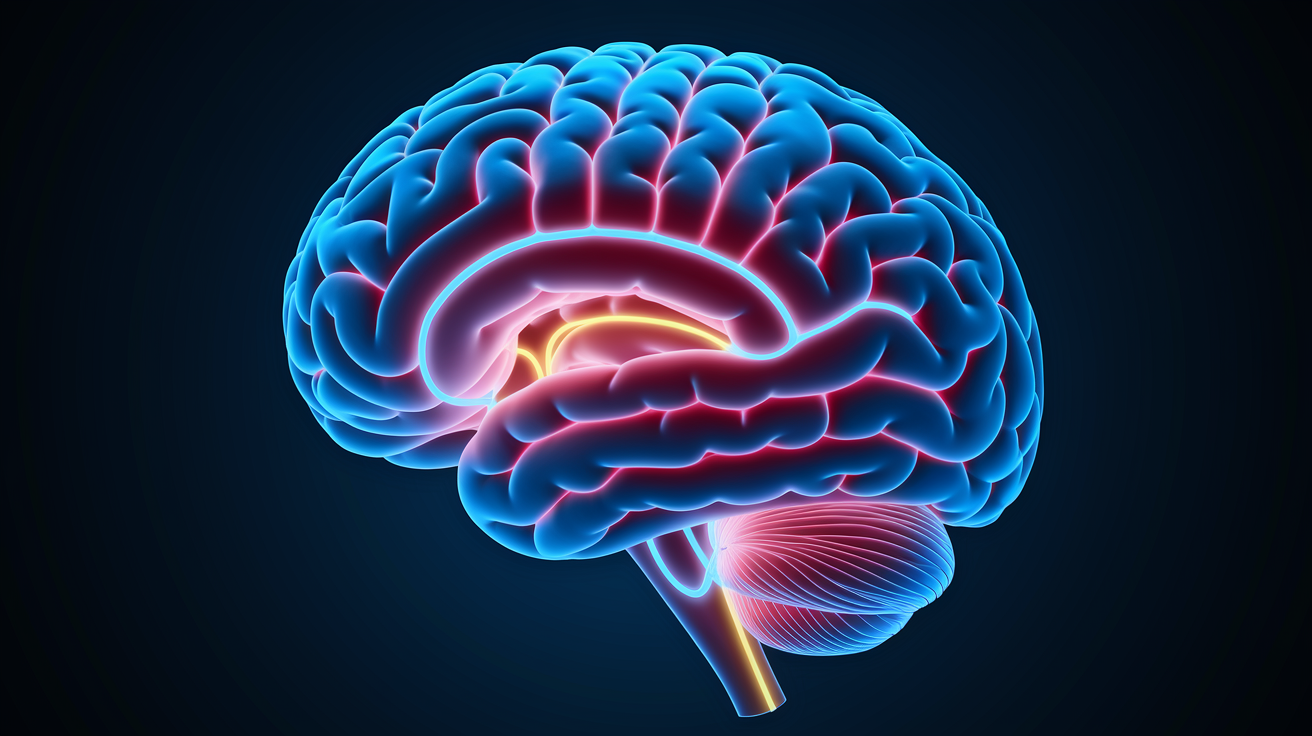
Ice pick headaches are thought to involve brief, abnormal firing of nerve pathways in the head, particularly branches of the trigeminal nerve. The trigeminal nerve carries sensation from the face, scalp, and much of the head, and it plays a central role in many headache disorders. When specific nerve fibers become hyperexcitable, either from inflammation, pressure, or changes in brain chemistry, they can fire spontaneously and produce the sharp, stabbing sensation that defines an ice pick headache.
Cortical hyperexcitability is another likely mechanism. This refers to a state in which neurons in the brain are unusually reactive, firing more easily in response to normal stimuli or even without any clear trigger. People who experience migraines or cluster headaches often have baseline cortical hyperexcitability, which may explain why ice pick headaches frequently occur alongside these other primary headache disorders. Shared pathways in the brainstem and cortex may lower the threshold for all types of head pain, making someone more vulnerable to multiple headache types at once.
The link between ice pick headaches and migraine or cluster headache is well documented. Many individuals with primary stabbing headaches also have a history of migraines, and some report ice pick attacks during or between migraine episodes. The overlap suggests common underlying mechanisms, such as dysregulation of serotonin, calcitonin gene related peptide (CGRP), or other neurotransmitters involved in pain signaling. Triggers that provoke migraines, like stress, bright light, or certain foods, may also activate the transient nerve dysfunction that produces an ice pick headache. Understanding this connection helps explain why someone might be sensitive to a wide range of triggers and why treatments that work for migraines sometimes reduce the frequency of stabbing headaches as well.
Identifying Personal Triggers Using a Headache Diary

The most effective way to pinpoint what’s causing your ice pick headaches is to track them consistently over several weeks. A headache diary captures patterns that are easy to miss when you’re relying on memory alone. Recording details around each attack helps you spot connections between specific exposures and the timing of your pain.
Set up a simple tracking system that you’ll actually use. A notebook, spreadsheet, or phone app all work. The key is consistency. You’ll need to keep the diary for at least six to eight weeks to gather enough data to identify reliable patterns.
Steps to maintain an effective headache diary:
Record every attack immediately, noting the date, time, and duration in seconds.
Rate the pain intensity on a scale of 0 to 10 and mark the exact location on your head.
List everything you ate and drank in the 24 hours before the attack, including caffeine and alcohol with quantities.
Note your sleep the previous night. How many hours, quality, and any interruptions.
Write down your stress level (0 to 10), any physical exertion, weather changes, medications taken, and exposure to bright light or loud noise.
After several weeks, review your entries to look for repeated patterns. Did attacks cluster on days when you had less than six hours of sleep? Do they follow afternoons when you skipped lunch or drank two cups of coffee? Once you identify a suspected trigger, test it with a short elimination trial. Remove that factor for two to four weeks while continuing to track your headaches. If the frequency drops noticeably and then returns when you reintroduce the trigger, you’ve confirmed a personal connection.
Prevention and Management Strategies for Trigger Reduction

Once you’ve identified your main triggers, the next step is building habits that reduce your overall exposure. Consistency matters more than perfection. A regular sleep schedule, going to bed and waking up at the same time every day, even on weekends, can significantly lower the frequency of ice pick headaches in people whose attacks are tied to sleep disruption. Aim for seven to nine hours of quality sleep per night, and treat underlying insomnia or sleep apnea if present.
Stress management is another high yield strategy. Daily relaxation practices like deep breathing, progressive muscle relaxation, or mindfulness meditation can reduce baseline nervous system reactivity. Even 10 to 20 minutes a day can make a difference. Cognitive behavioral therapy and biofeedback have both been shown to help people with chronic headache disorders reduce attack frequency, and these approaches work by lowering cortical excitability and improving stress responses. Regular moderate exercise also helps, though sudden intense exertion may be a trigger during flare periods, so build up gradually.
Medical options come into play when lifestyle changes aren’t enough or when attacks are frequent and disabling. Indomethacin, a nonsteroidal anti inflammatory drug, is often effective for daily or high frequency ice pick headaches. About two thirds of people experience partial or complete relief. Other preventive medications used under clinician supervision include melatonin taken at bedtime, gabapentin, and amitriptyline. Because ice pick headaches are so brief, acute medications taken during an attack usually don’t help, so prevention is the primary medical strategy. Environmental control also plays a supporting role. Wearing sunglasses to reduce glare, using blue light filters on screens, avoiding tight hats or headbands that put pressure on the scalp, and staying hydrated throughout the day can all reduce the likelihood of triggering an attack.
When to Seek Medical Evaluation
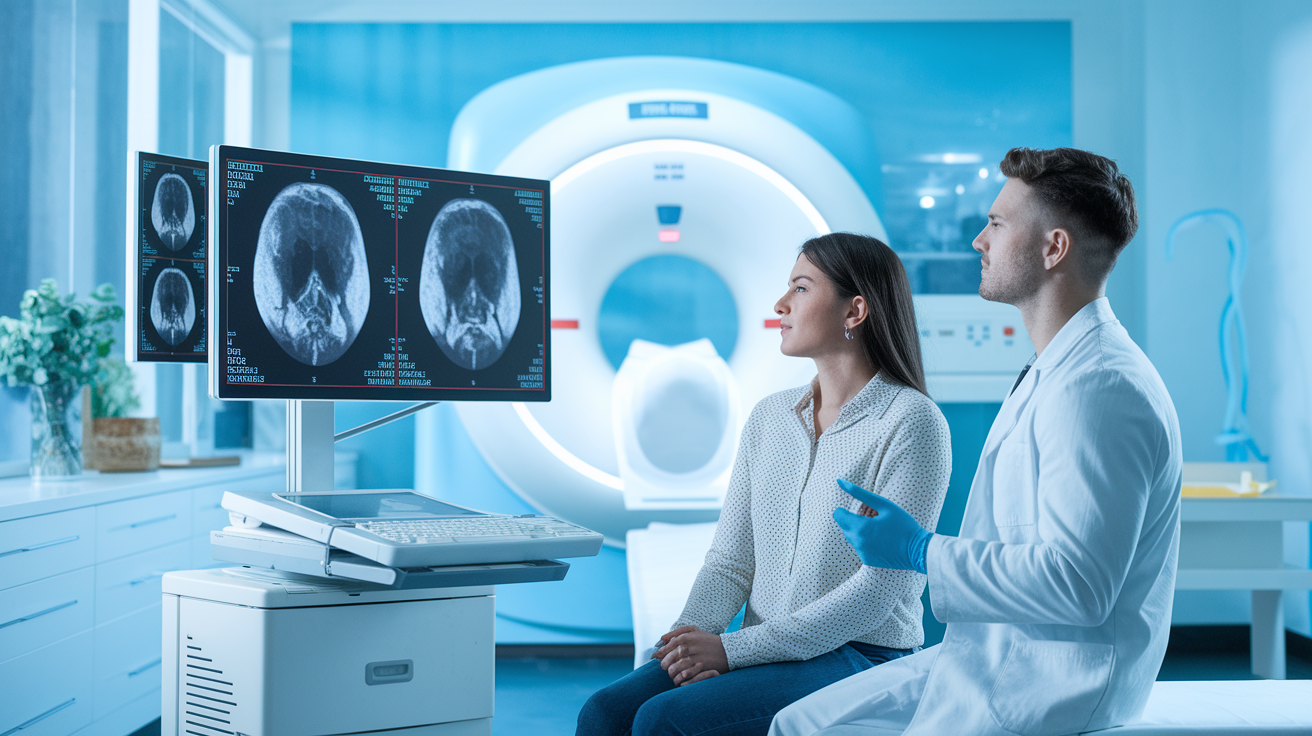
Most ice pick headaches are benign and don’t signal a serious underlying problem. But certain patterns and symptoms require prompt medical attention to rule out secondary causes that need specific treatment.
Warning signs that warrant clinical evaluation include:
Sudden severe pain that peaks within seconds and feels like the worst headache of your life
New neurological symptoms like vision changes, weakness, numbness, or difficulty speaking
Attacks that are increasing in frequency, lasting longer than a few seconds, or changing in intensity or pattern
Headaches that started after a head injury, or that occur with fever and a stiff neck
If you notice any of these red flags, seek urgent care or contact your healthcare provider right away. A thorough evaluation typically includes a detailed history, neurological examination, and often brain imaging. MRI with MRA is the preferred test to assess brain structure and blood vessels. Blood tests measuring inflammation markers like ESR and CRP are also commonly performed. The goal is to exclude secondary causes such as vascular abnormalities, infections, neuralgias, or other treatable conditions that can produce stabbing head pain. Once secondary causes are ruled out and a diagnosis of primary stabbing headache is confirmed, you and your clinician can work together on a personalized management plan that addresses your specific triggers and reduces the impact of these brief but intense attacks.
Final Words
You now have a clear picture of sudden, stabbing ice pick headaches: what they feel like, common environmental, lifestyle, and dietary triggers, and the basic nerve-related reasons they happen.
Keep a simple headache diary to track time, foods, sleep, and weather so you can spot patterns and try small prevention steps like steady sleep, hydration, and light management.
If things change or red flags appear, see a clinician. Tracking ice pick headache triggers helps you act sooner and feel more in control.
FAQ
Q: Why do I keep getting ice pick headaches?
A: You keep getting ice pick headaches because brief stabbing pains often come from nerve sensitivity tied to migraine or cluster tendencies, stress, sleep disruption, bright light, dehydration, or other triggers; track them and see a clinician if frequent.
Q: Can ice pick headaches be aneurysms?
A: Ice pick headaches can rarely be caused by an aneurysm, but they are usually harmless primary stabbing pains; get urgent care if the pain is very sudden, different from before, or comes with weakness, fainting, or vision change.
Q: What mimics an ice pick headache?
A: What mimics an ice pick headache includes trigeminal neuralgia, short migraine spikes, cluster headaches, tooth or sinus pain, and occipital neuralgia; a clinician can tell them apart by pattern, timing, and exam.
Q: Are ice pick headaches autoimmune?
A: Ice pick headaches are not usually autoimmune; they are mostly primary nerve-related pains linked to migraine or cluster disorders, though autoimmune nerve diseases are rare causes and require specific evaluation.