

Think gas pain always needs medicine? Think again.
Most gas pain eases within minutes if you try the right moves.
This post gives a short, no-nonsense plan you can use now: quick walking tips, positions that shift trapped air, simple abdominal massage, heat and warm drinks, plus what to avoid if you have acid reflux (heartburn).
Did it start after a meal or out of the blue?
Follow these steps and many people feel better in 1–20 minutes.
You’ll also know when to see a clinician.
Fast-Acting Steps for Quick Gas Pain Relief
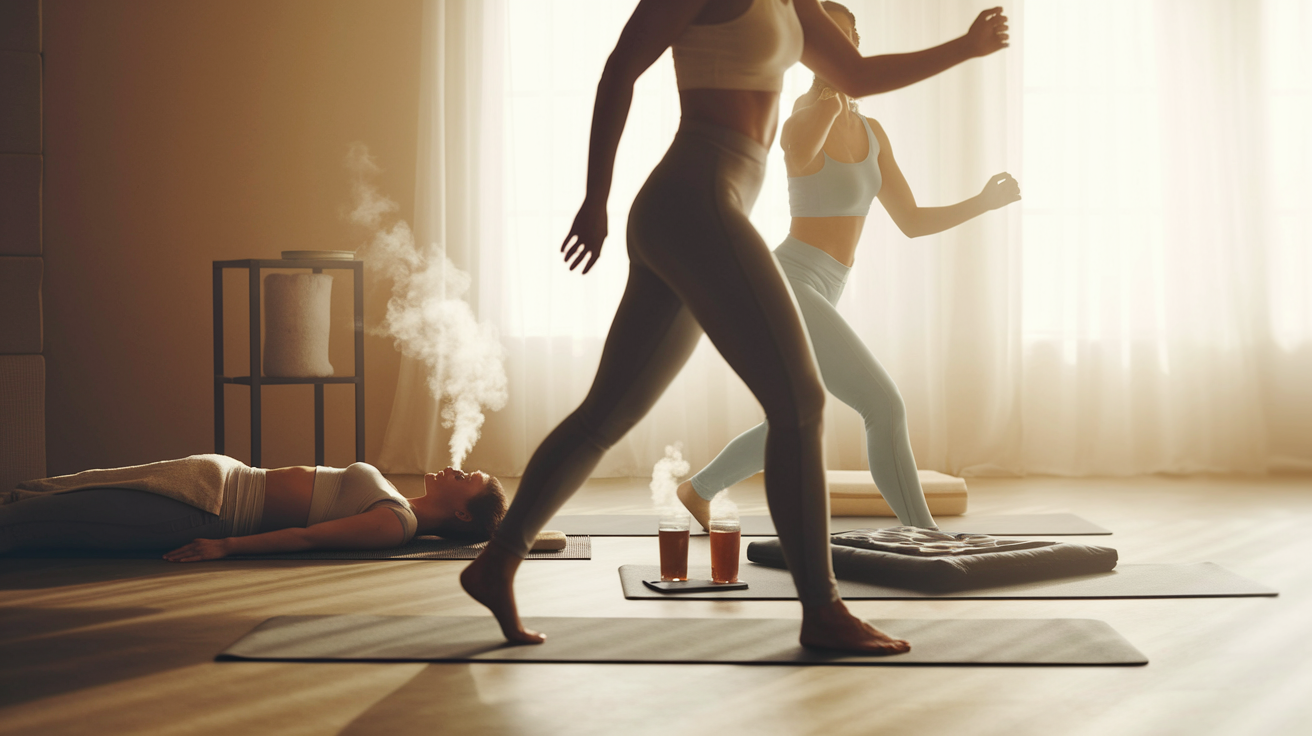
1-Minute Quick Action List:
- Walk briskly for 5–15 minutes to move trapped air through your system
- Pull both knees to your chest and hold for 30–60 seconds
- Lie on your left side for 10–15 minutes to help gas travel through your colon
- Apply a warm compress to your belly for 15 minutes
- Sip one cup of warm peppermint tea slowly
These methods work because they physically change the position of your intestines, encourage natural movement through your digestive tract, and relax the smooth muscles lining your stomach and intestines. When you shift your body position or apply gentle pressure, you’re helping trapped gas bubbles move toward their natural exit points. Heat relaxes abdominal muscles. Certain teas reduce spasms that can trap gas in pockets along your digestive system.
Most people feel some relief within 1–20 minutes when they combine two or three of these techniques. The timing depends on where the gas is trapped and how much is built up. Walking usually provides the fastest change because it stimulates peristalsis, the wave-like contractions that push gas through your intestines. Heat takes slightly longer but works well when combined with position changes.
You can try these methods as soon as discomfort starts. Skip peppermint if you have acid reflux, since it can relax the valve between your stomach and esophagus. Stop any position that increases pain or makes you dizzy.
Complete Step-by-Step Relief Protocol:
-
Walk briskly for 5–15 minutes. Start moving as soon as pain begins. Walk at a pace that feels purposeful but not strenuous. This stimulates intestinal movement and often produces relief within 5–15 minutes. You may feel gas shifting or hear rumbling as it moves.
-
Knee-to-chest position. Lie flat on your back on a firm surface. Pull both knees toward your chest and hold for 30–60 seconds while breathing normally. Release and rest for 10 seconds, then repeat 2–3 times. For a single-leg variation, bring one knee to your chest for 30–60 seconds, then switch sides and repeat 2–3 times per leg.
-
Child’s pose. Kneel on the floor, sit back on your heels, then fold forward until your forehead touches the ground and your arms extend in front of you or rest alongside your body. Hold this position for 30–60 seconds while taking slow, deep breaths. Rest for 10 seconds, then repeat 2–3 times. This compresses your abdomen gently and encourages gas to move through your system.
-
Lying on your left side. Recline on your left side with your knees slightly bent and remain there for 10–15 minutes. This position follows the natural path of your colon, which runs up your right side, across, and down your left side. It uses gravity to help gas travel toward the exit. Many people notice relief within 10 minutes.
-
Clockwise abdominal massage. Using the flat of your hand, apply gentle to moderate pressure and massage in a clockwise circle. Start from your lower right abdomen, move up toward your ribs, across to the left side, then down to your lower left abdomen. Continue this circular motion for 2–5 minutes. The direction matters because you’re following the path of your colon and physically encouraging gas to move forward.
-
Warm compress or heating pad. Place a heating pad set to low or medium warmth, or a hot water bottle wrapped in a thin towel, directly on your abdomen for 15–20 minutes. Check your skin every 5 minutes to prevent burns. Heat relaxes tense abdominal muscles and often provides noticeable relief within 10–20 minutes. You can repeat after a 10-minute break if needed.
-
Sip warm liquids slowly. Drink one cup (about 240 mL) of plain warm water, peppermint tea, or ginger tea over 5–10 minutes. Take small sips and don’t gulp, which can introduce more air. Relief typically begins within 10–20 minutes as the warmth relaxes your stomach muscles and the liquid helps move gas along. You can drink up to 2–3 cups over 30–60 minutes if the first cup helps.
-
Bicycle legs in the air. Lie on your back and lift your legs, then pedal them slowly in the air as if riding a bicycle for 30–60 seconds. Rest for 15 seconds, then repeat 3 times. This gentle movement compresses and releases your abdomen in a rhythmic pattern that can dislodge trapped gas.
Why Gas-Relief Positions Work and What to Do If They Don’t
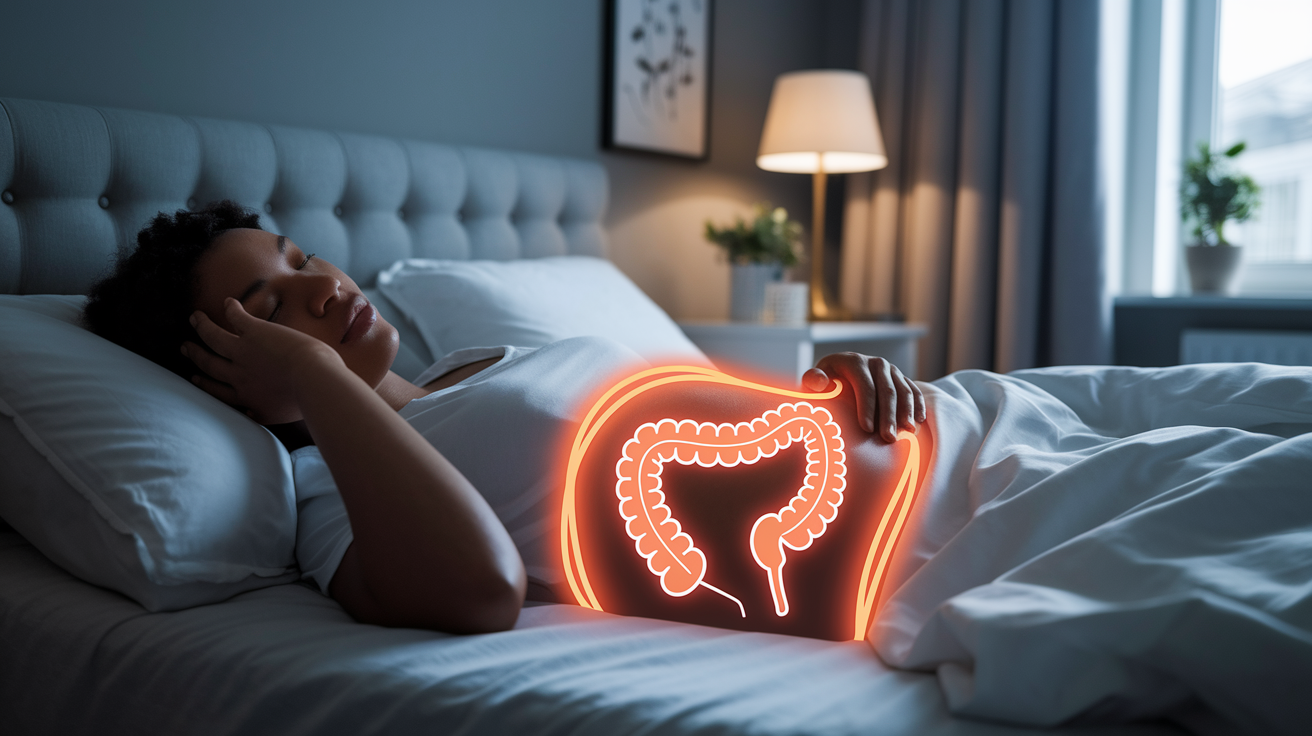
Body positions change the angles inside your intestines and shift where pressure builds up. Your colon has several sharp bends. One below your right ribs, another below your left ribs, and a third down in your pelvis. Gas tends to get stuck at these corners. When you change position or compress your abdomen, you’re physically straightening some of those angles and giving trapped air a clearer path forward. Lying on your left side works especially well because the final section of your colon descends on the left, so gravity assists the natural flow toward your rectum.
Movement and compression also stimulate peristalsis, the automatic squeezing action that pushes food, liquid, and gas through your digestive tract. When you walk, bend forward, or press your knees into your belly, you’re massaging your intestines from the outside. This external pressure can jump-start sluggish peristalsis and break up pockets of gas that aren’t moving on their own. Heat from a warm compress or bath adds another layer by relaxing the smooth muscle tissue in your intestinal walls, making it easier for gas to pass through narrow sections.
| Why It Helps | Underlying Mechanism | When It Works Best |
|---|---|---|
| Position changes straighten intestinal bends | Gravity and anatomical alignment reduce gas trapping at colon flexures | Within 30 minutes of eating, before gas pockets become large |
| Compression stimulates movement | External pressure triggers peristaltic reflexes and moves stagnant gas forward | When combined with deep breathing to relax abdominal muscles |
| Heat relaxes muscle tension | Warmth increases blood flow and reduces smooth muscle spasms that trap gas | After sitting or lying still for long periods, or during stress-related gas |
| Walking activates natural gut rhythm | Rhythmic movement and upright posture enhance peristalsis and prevent pooling | Immediately after meals or when you first notice discomfort |
Sometimes these positions don’t bring relief because other factors are blocking gas movement. Dehydration thickens the mucus lining your intestines and slows everything down. Drink water if you haven’t had much today. Constipation creates a traffic jam that prevents gas from moving past stool, so relief often requires addressing the backup first. Eating too close to trying these positions can also reduce their effectiveness because your stomach is still busy breaking down food and producing more gas. If you’ve been sitting or lying down for hours before the pain started, your gut motility may be sluggish and need more time to wake up. Stress tightens abdominal muscles and can override the relaxation benefits of heat or position changes. Try slow, deep breathing while holding each pose.
Quick Physical Techniques for Gas Pain Reduction

Walking is one of the fastest physical techniques because it combines upright posture, rhythmic movement, and gentle jostling that all work together to move trapped air. You don’t need to power-walk or break a sweat. Just aim for a steady pace that keeps you moving for 5–20 minutes. Many people notice relief within the first 10 minutes as gas shifts and pressure decreases. If indoor walking feels boring, step outside for fresh air or walk laps around your home while listening to music.
Abdominal massage works by manually guiding gas along the path of your colon. Use the flat part of your hand and apply gentle to moderate pressure. Enough to feel your abdomen move but not so much that it hurts. Always massage in a clockwise direction. Start at your lower right abdomen, move up toward your ribs, sweep across to the left side, then down to your lower left hip. Spend 2–5 minutes on this circular motion, and you may hear gurgling or feel gas bubbling as it moves. Warmth amplifies the effects of massage and positions. Apply a heating pad, hot water bottle, or warm towel to your belly for 10–20 minutes, checking your skin every few minutes to avoid burns. A warm bath for 10–20 minutes provides whole-body relaxation and works especially well if stress is contributing to muscle tension that traps gas.
- Brisk walking: 5–20 minutes at a steady, purposeful pace. Relief often starts within 5–10 minutes
- Clockwise abdominal massage: 2–5 minutes using flat hand and moderate pressure, following your colon’s natural path
- Heating pad or warm compress: Apply for 10–20 minutes on low to medium heat, with a cloth barrier if needed
- Warm bath soak: 10–20 minutes in comfortably warm water to relax your entire abdominal region
- Bicycle legs: Lie on your back and pedal legs in the air for 30–60 seconds, rest 15 seconds, repeat 3 times
Fast Home Remedies for Gas and Bloating Relief
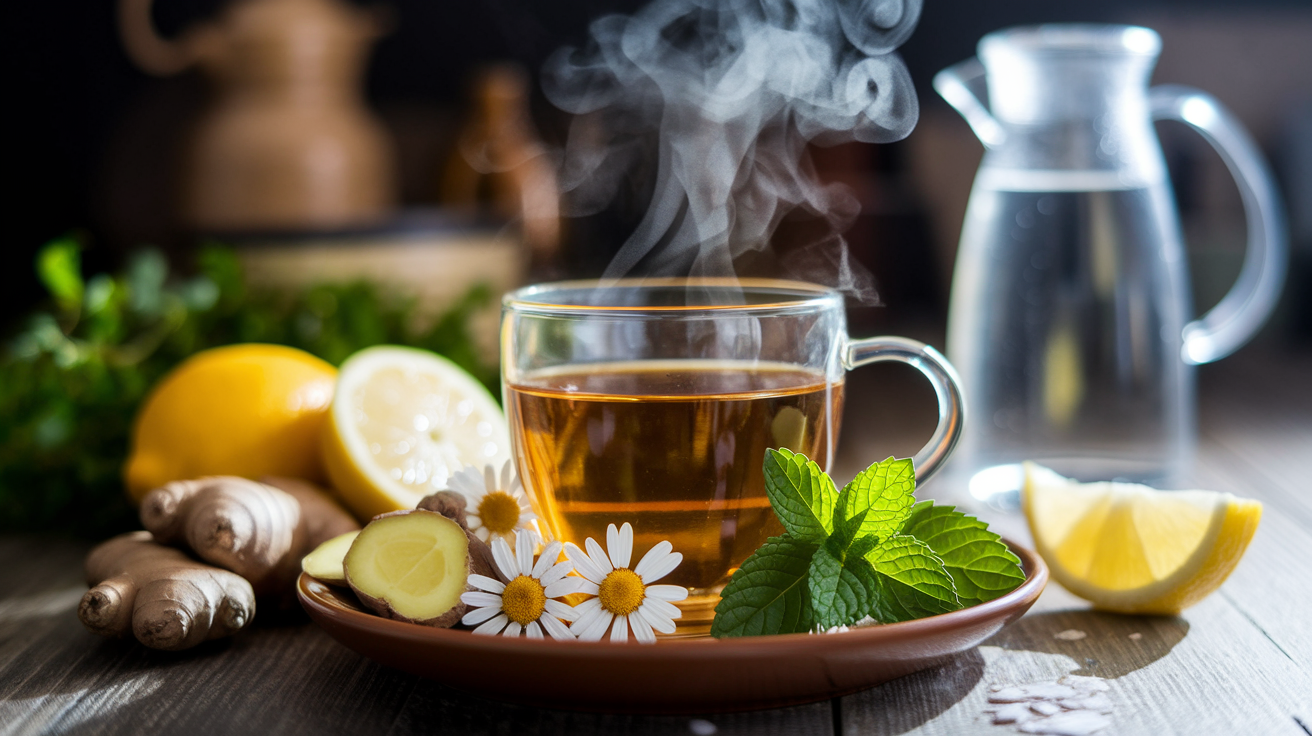
Warm liquids help in two ways. They relax the muscles in your stomach and intestines, and they add fluid that softens stool and helps gas move more easily through your digestive tract. Plain warm water works surprisingly well for immediate stomach relaxation, often bringing relief within 5–15 minutes. Herbal teas add extra benefits. Peppermint relaxes the valve between your stomach and small intestine. Ginger reduces inflammation and stimulates movement. Chamomile soothes irritation and reduces cramping.
Steep one tea bag in about 8 ounces (roughly 240 mL) of hot water for 5–10 minutes, then sip slowly over 10 minutes. Don’t gulp it down. Swallowing air while drinking can make gas worse. You can drink up to 2–3 cups over 30–60 minutes if the first cup brings partial relief. Expect to feel your stomach relax and pressure decrease within 10–20 minutes. Skip peppermint tea if you have acid reflux or heartburn, since peppermint can worsen those conditions by relaxing the valve that keeps stomach acid from rising into your esophagus.
Things to avoid while dealing with gas pain? No carbonated beverages. Soda, sparkling water, and beer all add carbon dioxide that can worsen bloating. Stop chewing gum and sucking on hard candy because both cause you to swallow air repeatedly. Hold off on eating cruciferous vegetables like cabbage, cauliflower, and broccoli, as well as beans, until your symptoms improve. These foods produce gas during digestion and can extend your discomfort for hours.
- 1 cup warm water (240 mL): Sip slowly over 5–10 minutes. Often eases pressure within 5–15 minutes
- Peppermint tea: Steep 5–10 minutes, sip one cup over 10 minutes. Relief typically within 10–20 minutes (avoid if you have reflux)
- Ginger tea: Steep fresh ginger or tea bag 5–10 minutes, sip slowly. Calms stomach and reduces cramping in 10–20 minutes
- Chamomile tea: Steep 5–10 minutes, sip warm. Soothes intestinal irritation and may ease bloating within 15 minutes
- Lemon water (warm): Squeeze half a lemon into warm water, sip slowly. Stimulates digestion and may reduce bloating
- Avoid during episodes: Carbonated drinks, chewing gum, hard candy, beans, cruciferous vegetables, artificial sweeteners
Over-the-Counter Options for Rapid Gas Relief
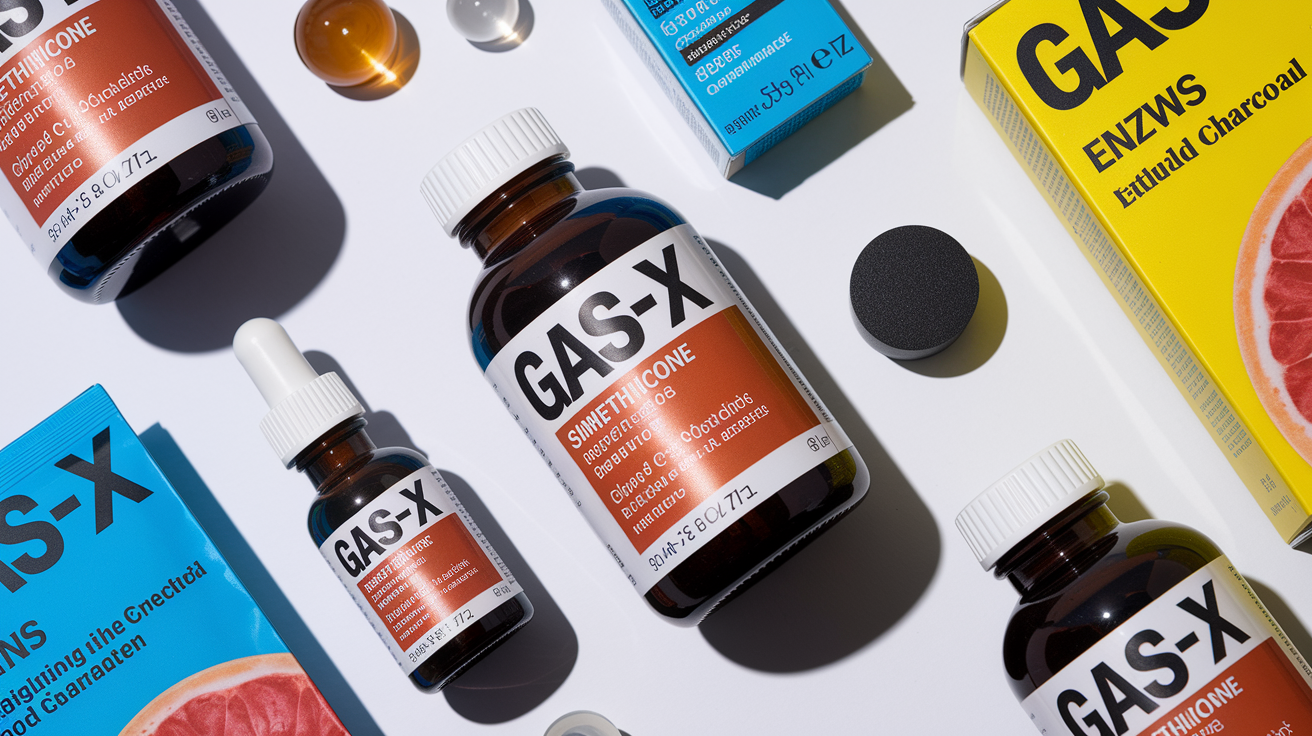
Over-the-counter medications offer the next level of relief when positions, movement, and home remedies don’t fully resolve your discomfort. These products work faster than dietary changes because they directly target gas bubbles or the digestive enzymes that produce gas. Most people keep a bottle of simethicone or an enzyme supplement on hand for episodes that need faster intervention. Always follow the dosing instructions on the package label, and check with a clinician before using OTC gas products if you’re pregnant, breastfeeding, or taking other medications.
Simethicone is the most commonly recommended anti-gas medication because it works by breaking up gas bubbles into smaller ones that are easier for your body to pass. It doesn’t prevent gas formation. It just makes existing gas easier to expel through burping or passing gas. Chewable tablets and liquid drops are the most popular forms, and they’re generally considered very low-risk with few side effects.
Simethicone for Fast Gas Breakdown
Simethicone is sold under brand names like Gas-X and Mylanta Gas. The typical adult dose ranges from 40 mg to 125 mg per dose, taken after meals and at bedtime as needed. Most labels allow up to 4 doses per day. Chewable tablets commonly come in 40 mg strength, so you might take 1–3 tablets depending on your symptoms and the product instructions. Liquid formulations and soft-gel capsules are also available. Simethicone usually starts working within 15–30 minutes. It’s a good choice when you need relief but body positions and tea haven’t done enough. Because it isn’t absorbed into your bloodstream, it’s considered safe for most people. But pregnant or breastfeeding individuals should still check with a healthcare provider before using it.
Enzymes and Antacids for Specific Triggers
If your gas is related to eating beans, lentils, or cruciferous vegetables, alpha-galactosidase enzyme supplements (sold as Beano) can help. But they work preventively, not for immediate relief. Take them with the first bite of a gas-producing meal to break down complex carbohydrates before they ferment in your intestines. They won’t help with gas that’s already trapped. For lactose intolerance, lactase enzyme tablets or drops taken just before consuming dairy can prevent gas and bloating by helping you digest lactose properly. Antacids that contain calcium carbonate or magnesium hydroxide can ease gas pain when it’s accompanied by heartburn or acid reflux, though they work more on stomach acid than on gas itself. Activated charcoal is sometimes marketed for gas relief, but evidence is mixed and it can interfere with medication absorption. Talk to a clinician before trying it.
Rapid Dietary Adjustments During Gas Pain Episodes
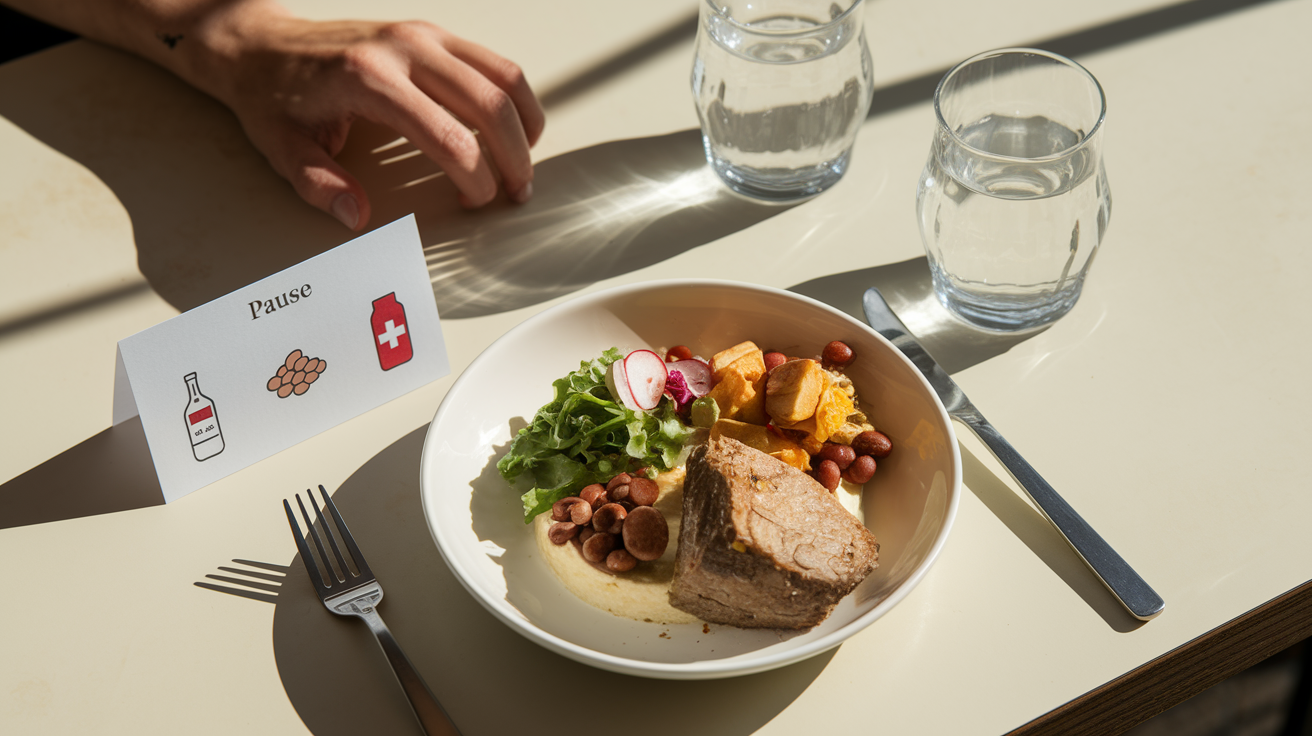
When gas pain strikes, what you eat and drink in the next few hours can either ease or worsen your discomfort. The fastest dietary adjustment is simply to stop eating for 30–60 minutes and give your digestive system a chance to catch up. If you’ve just finished a large meal, your stomach and intestines are working hard to break down food, which produces gas as a normal byproduct. Giving your gut a rest slows that production and lets trapped gas move through.
Eat slowly and chew each bite thoroughly when you do resume eating. Swallowing large chunks of food or eating too quickly causes you to gulp air along with your meal, and that air adds to the gas already in your system. Put your fork down between bites, and don’t talk while chewing. Both habits reduce the amount of air you swallow. Stay away from foods that are known gas producers until your symptoms fully resolve. Beans, lentils, cabbage, cauliflower, broccoli, onions, and carbonated drinks all ferment in your intestines and create more gas. Skip artificial sweeteners like sorbitol and xylitol, which are poorly absorbed and ferment in your colon. If you’re lactose intolerant, avoid milk, cheese, and ice cream unless you’ve taken a lactase enzyme supplement first.
- Pause eating for 30–60 minutes to let your digestive system process what’s already there
- Chew thoroughly and eat slowly to swallow less air with each bite
- Avoid carbonated beverages (soda, beer, sparkling water) that introduce carbon dioxide
- Skip high-gas foods (beans, cruciferous vegetables, onions) until pain resolves
- Eliminate gum and hard candy which cause repetitive air swallowing
When Gas Pain Needs Medical Attention
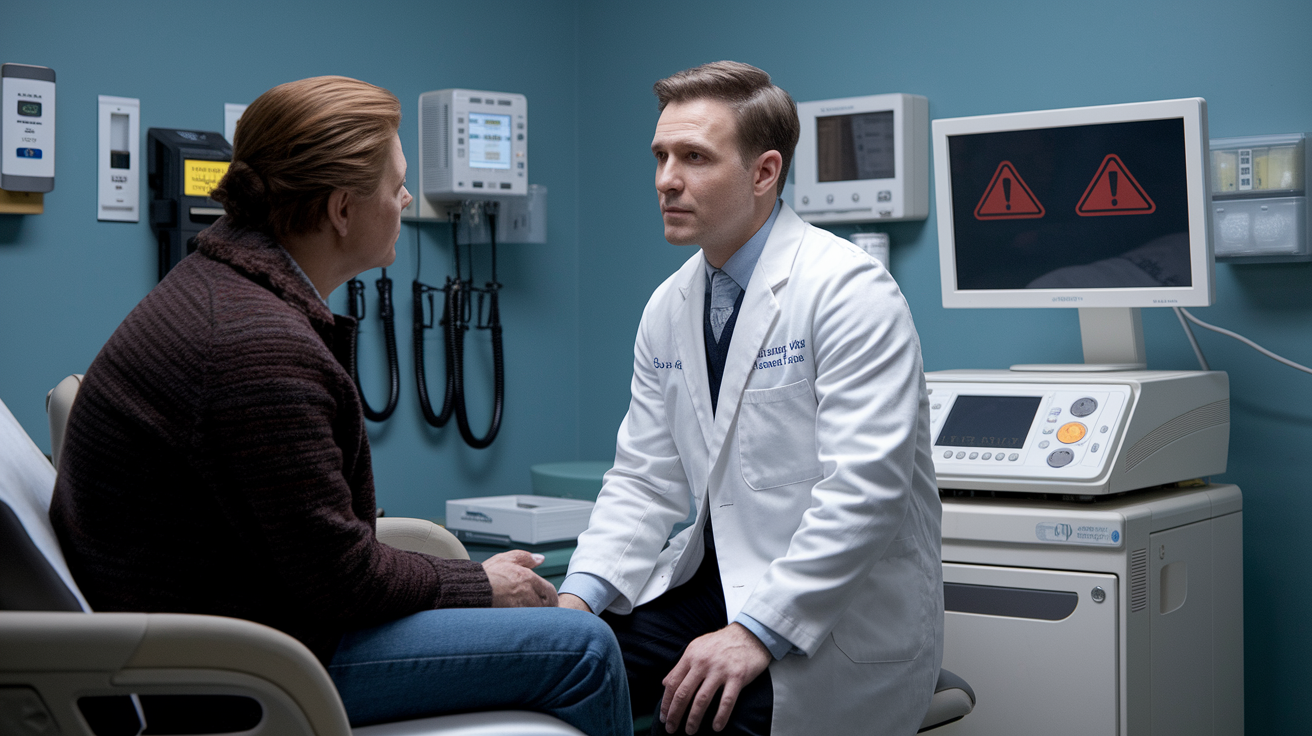
Most gas pain resolves within a few hours using the techniques in this article. But sometimes gas-like symptoms signal a more serious problem that requires prompt medical evaluation. If your pain is severe, sudden, and doesn’t ease at all with position changes or movement, get urgent care. Sharp, unrelenting abdominal pain that feels different from typical gas discomfort can indicate appendicitis, a bowel obstruction, or another acute condition.
Watch for accompanying symptoms that suggest something more than simple trapped gas. A fever above 100.4°F (38°C) combined with abdominal pain raises concern for infection or inflammation. Persistent vomiting, especially if you can’t keep down liquids, or blood in your stool are both red flags that require same-day medical attention. If you’re unable to pass gas or have a bowel movement for many hours despite trying these relief techniques, that can signal a blockage. Sudden, significant abdominal swelling or distension that develops over minutes to hours is another urgent sign.
- Severe, sudden pain that doesn’t improve with any position change or home remedy
- Fever above 100.4°F (38°C) along with abdominal pain or bloating
- Persistent vomiting or inability to keep liquids down for several hours
- Blood in your stool or black, tarry stools
- Inability to pass gas or stool for many hours despite trying multiple relief methods
- Pain lasting longer than 24 hours even if it’s not severe. Unexplained, ongoing discomfort warrants evaluation
Fast Prevention Strategies to Reduce Future Gas Episodes
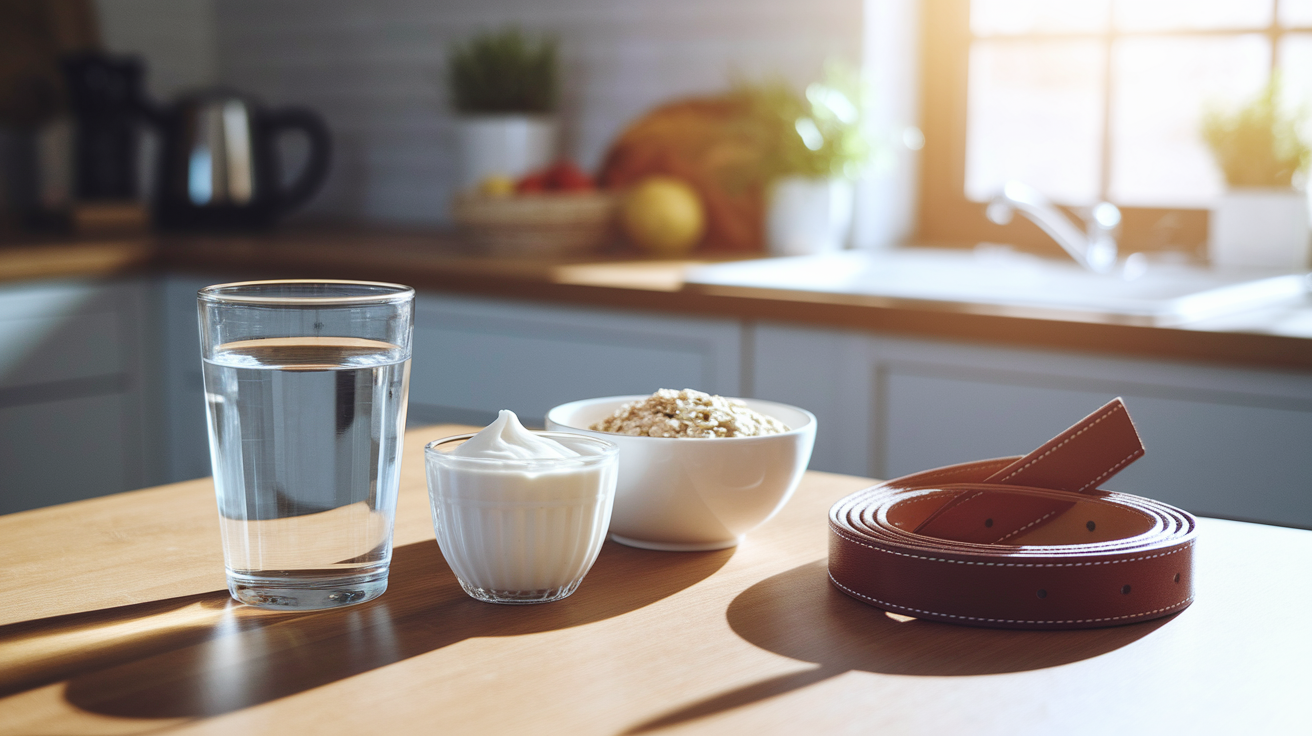
Preventing gas is easier than treating it, and many fast-acting prevention strategies take only a few minutes to implement each day. Eating more slowly is one of the simplest changes. It reduces the amount of air you swallow and gives your stomach enzymes more time to start breaking down food before it reaches your intestines. Chew each bite until it’s nearly liquid, and put your utensil down between bites. This habit alone can cut gas episodes significantly within a few days.
Stay hydrated throughout the day. Aim for at least 8 cups (about 2 liters) of water spread across waking hours. Water helps fiber move smoothly through your intestines and prevents the constipation that traps gas behind stool. If you’re increasing fiber intake, do it gradually over 1–2 weeks to let your gut bacteria adjust. A sudden jump in fiber can temporarily increase gas production until your system adapts. Probiotics, live beneficial bacteria found in yogurt, kefir, or supplement form, can improve your gut’s ability to break down food and reduce fermentation that produces gas. Most people notice a difference within 2–4 weeks of daily probiotic use. Don’t wear tight belts, waistbands, or shapewear that compress your abdomen and slow the natural movement of gas through your intestines.
| Strategy | Why It Helps | Typical Timeline |
|---|---|---|
| Eat and chew slowly | Reduces swallowed air and improves digestion before food reaches intestines | Effect starts immediately; noticeable reduction in 2–3 days |
| Stay well hydrated (8+ cups/day) | Keeps stool soft and prevents constipation that traps gas | 1–3 days for improved regularity and gas movement |
| Increase fiber gradually | Prevents sudden bacterial fermentation that produces excess gas | 1–2 weeks to adjust; reduces episodes after adaptation |
| Daily probiotic supplement or foods | Balances gut bacteria to reduce fermentation and improve digestion | 2–4 weeks for noticeable reduction in gas and bloating |
Final Words
Gas pain can feel overwhelming, but relief is often closer than you think.
The steps above, from knee-to-chest stretches to peppermint tea, can help you relieve gas pain fast when you need it most. Most people feel better within 1 to 20 minutes using simple positions, gentle movement, or a warm compress.
Track what works for you. Notice patterns. And don’t ignore red flags like fever, blood in stool, or pain that won’t quit.
You’re building a toolkit that helps you feel calmer and more in control when gas pain shows up.
FAQ
Q: How do you get rid of trapped gas asap?
A: To get rid of trapped gas asap or make it come out quickly, try walking 5–15 minutes, lie on your left side 10–15 minutes, do knee-to-chest or child’s pose 30–60 seconds, sip warm liquid, or gently massage your belly.
Q: What is the best position to relieve gas?
A: The best position to relieve gas is lying on your left side for 10–15 minutes; knee-to-chest and child’s pose for 30–60 seconds (repeat 2–3 times) also help shift gas through colon bends.
Q: How long does it take for painful gas to go away?
A: Painful gas usually eases in 1–20 minutes with simple moves, walking, or a warm drink; some episodes last a few hours. Get care if pain persists over 24 hours or you have worrying symptoms.