
Think shortness of breath is always an asthma flare? Not so.
Difficulty breathing can come from your lungs, heart, blood, or even anxiety.
Some causes need emergency care within minutes, while others build over months and are managed with regular follow up.
This post explains common medical causes of breathlessness, organized from most urgent to less urgent, so you can spot red flags, track what to watch, and decide what to do next.
Major Causes of Difficulty Breathing
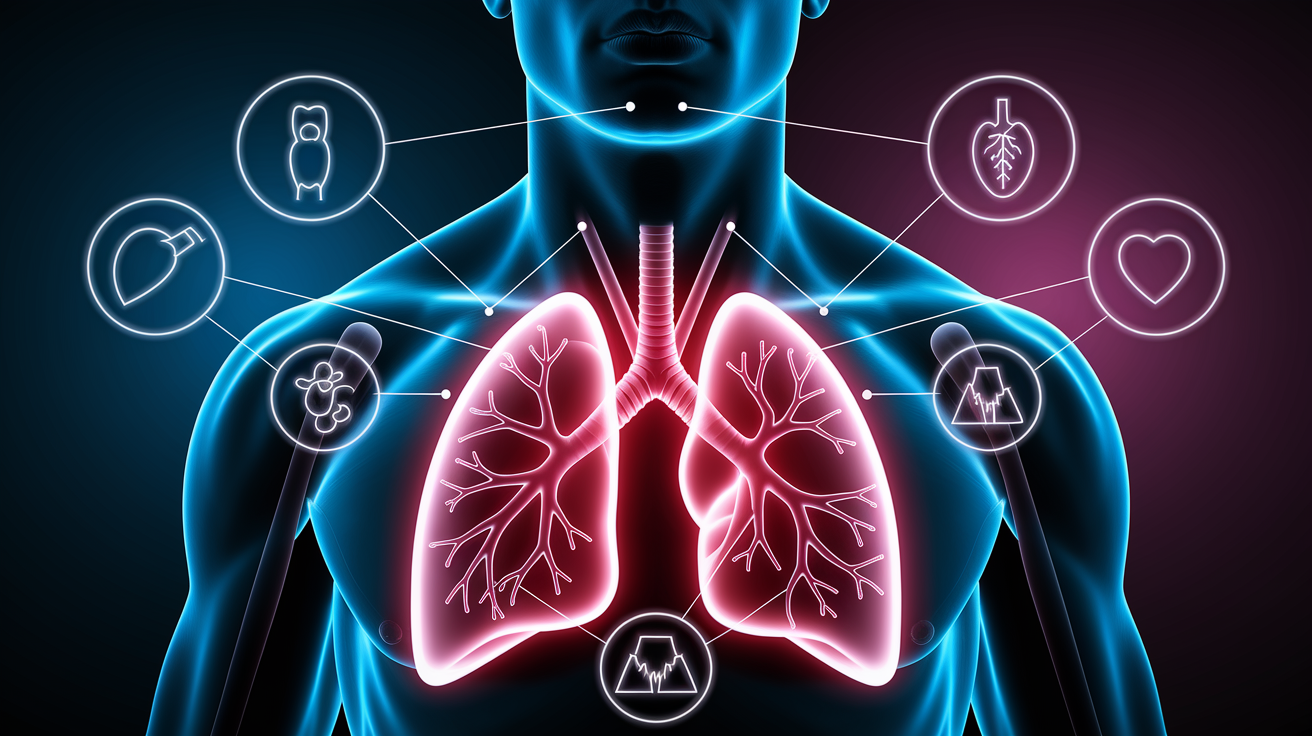
Difficulty breathing (sometimes called dyspnea or shortness of breath) comes from dozens of different conditions that affect your lungs, heart, blood, or other body systems. Some need emergency care right now. Others develop slowly over months or years and can be managed with regular doctor visits. Figuring out which type you’re dealing with matters because it tells you how fast you need to move.
The range runs from minor stuff like getting winded climbing stairs when you’re out of shape, all the way to serious emergencies like a pulmonary embolism or heart attack. Timing and severity help sort this out. Did it start suddenly within minutes? Or has it been getting worse over weeks?
Common causes, organized from most urgent to less urgent:
Pulmonary embolism blocks blood flow in your lungs when a clot gets stuck there, causing sudden breathlessness and chest pain.
Heart attack happens when blood flow to your heart muscle gets blocked, bringing chest pain, breathlessness, and sometimes nausea or sweating.
Anaphylaxis is a severe allergic reaction that swells your airway within seconds to minutes after you eat nuts or shellfish, get stung, or take certain medications.
Severe asthma attack tightens, swells, and fills your airways with mucus, making breathing very hard even when you’re sitting still.
Pneumothorax (collapsed lung) lets air leak into the space around your lung, often after an injury or in tall, thin young adults, causing sudden chest pain and breathlessness.
Acute heart failure backs fluid up into your lungs when your heart can’t pump well, getting worse quickly over hours to days.
Pneumonia inflames and fills lung air sacs with fluid through infection, usually building over one to three days with fever and cough.
Carbon monoxide poisoning comes from odorless gas in burning fuels that pushes oxygen out of your red blood cells, causing headache, confusion, and breathlessness.
COPD (chronic obstructive pulmonary disease) is long term lung damage, usually from smoking, that causes breathlessness worsening over years.
Chronic asthma involves ongoing airway sensitivity that leads to wheeze and breathlessness episodes, often controlled with inhalers.
Anemia means low red blood cell count reduces oxygen delivery, causing gradual breathlessness when you’re active.
Obesity and poor fitness make physical activity harder and breathing more labored.
You can’t diagnose yourself from symptoms alone because there’s so much variety. If breathlessness is new, sudden, severe, or comes with chest pain or blue lips, get emergency medical help. For slower or milder symptoms, schedule a visit with your primary care doctor to figure out what’s happening and start treatment.
Urgent Medical Causes Requiring Immediate Attention

A handful of conditions can kill or cause permanent damage within minutes to hours if you don’t get treated. Pulmonary embolism happens when a blood clot (often forming in a leg vein after surgery, long travel, or staying in bed for days) breaks off and gets stuck in your lung’s blood vessels. The main sign is sudden breathlessness paired with sharp chest pain that gets worse when you breathe in. You might also notice one leg swollen and painful compared to the other.
Heart attack blocks an artery feeding your heart muscle, starving tissue of oxygen. Breathlessness often comes with crushing chest pain, but some people (especially women, older adults, and people with diabetes) feel mainly shortness of breath, nausea, or fatigue without the classic chest pressure. Anaphylaxis swells your throat and tongue within seconds to minutes, cutting off airflow. It follows exposure to something you’re allergic to and usually brings hives, stomach cramps, and a rapid drop in blood pressure. Acute heart failure can appear suddenly when your heart’s pumping weakens and fluid floods your lungs, causing severe breathlessness that gets worse lying flat and may wake you from sleep one to two hours after you fall asleep. Severe asthma attacks narrow airways so much that breathing becomes labored, noisy, and exhausting, sometimes needing hospital ventilation support if rescue inhalers don’t help within 15 to 20 minutes.
Red flag symptoms that signal an emergency:
Severe breathlessness at rest or not being able to speak more than a few words without gasping.
Chest pain or pressure lasting more than a few minutes, or coming and going.
Blue lips, fingertips, or skin.
Sudden swelling or pain in one leg, suggesting a deep vein clot that could travel to your lungs.
Rapid swelling of your face, lips, or throat, especially after eating, taking medicine, or getting stung.
Common Chronic Conditions That Affect Breathing
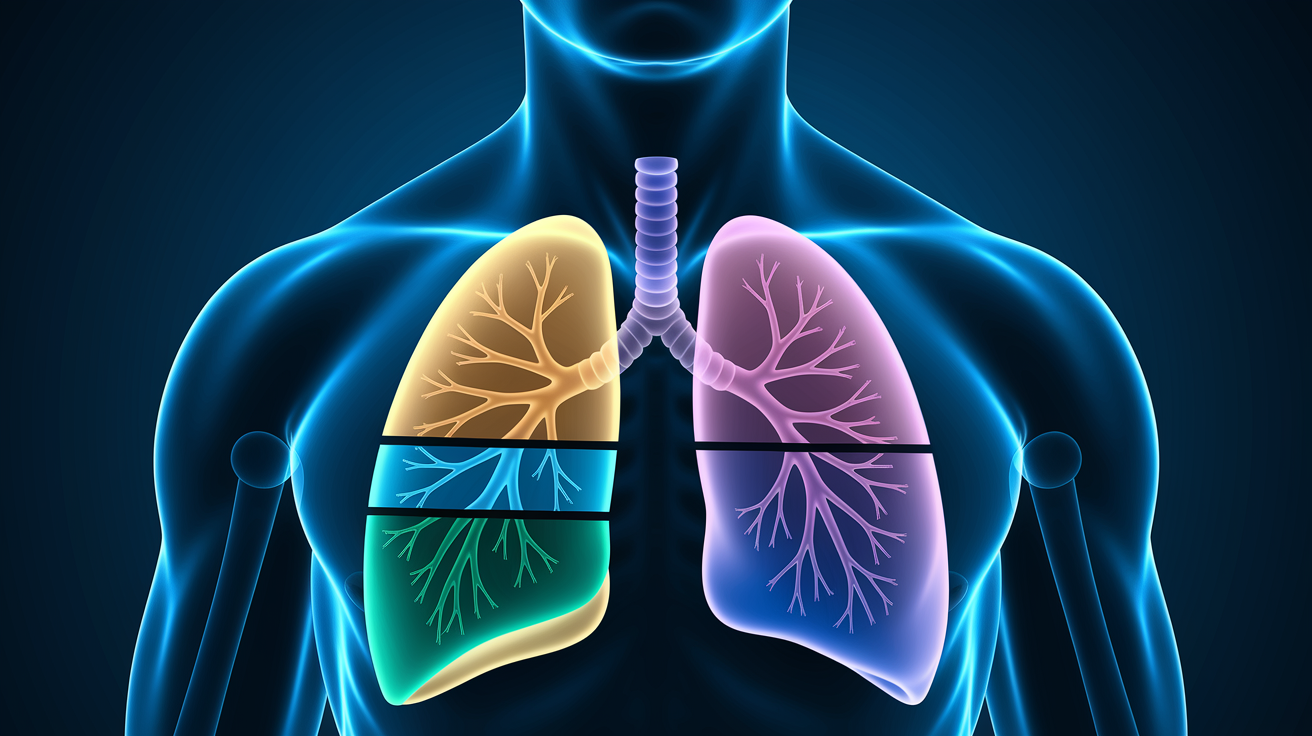
Asthma and COPD account for most ongoing breathing complaints. Asthma involves hypersensitive airways that tighten, swell, and make extra mucus when you’re exposed to triggers like pollen, cold air, exercise, or respiratory infections. Symptoms come and go in episodes. Wheezing, chest tightness, and cough that often get better with a rescue inhaler. Between flare ups, breathing may feel normal or only mildly limited. COPD is permanent lung damage usually caused by years of smoking. It includes chronic bronchitis (ongoing cough and mucus) and emphysema (destruction of tiny air sacs). Breathlessness in COPD worsens slowly over months and years, making everyday tasks like walking up stairs progressively harder.
Interstitial lung disease describes a group of conditions that scar and stiffen lung tissue, reducing your lungs’ ability to expand and exchange oxygen. Causes range from autoimmune diseases to long term exposure to dust or chemicals. Heart failure, even when it’s chronic and stable, forces your heart to work harder and can let fluid seep into lung tissue, making breathing uncomfortable during activity or when lying flat.
All of these chronic conditions need ongoing medical management. Medications, pulmonary rehabilitation, oxygen therapy when needed, and regular follow up to catch worsening early. Symptoms might be tolerable for years, but acute flare ups on top of your baseline disease can become emergencies.
Environmental and Temporary Triggers
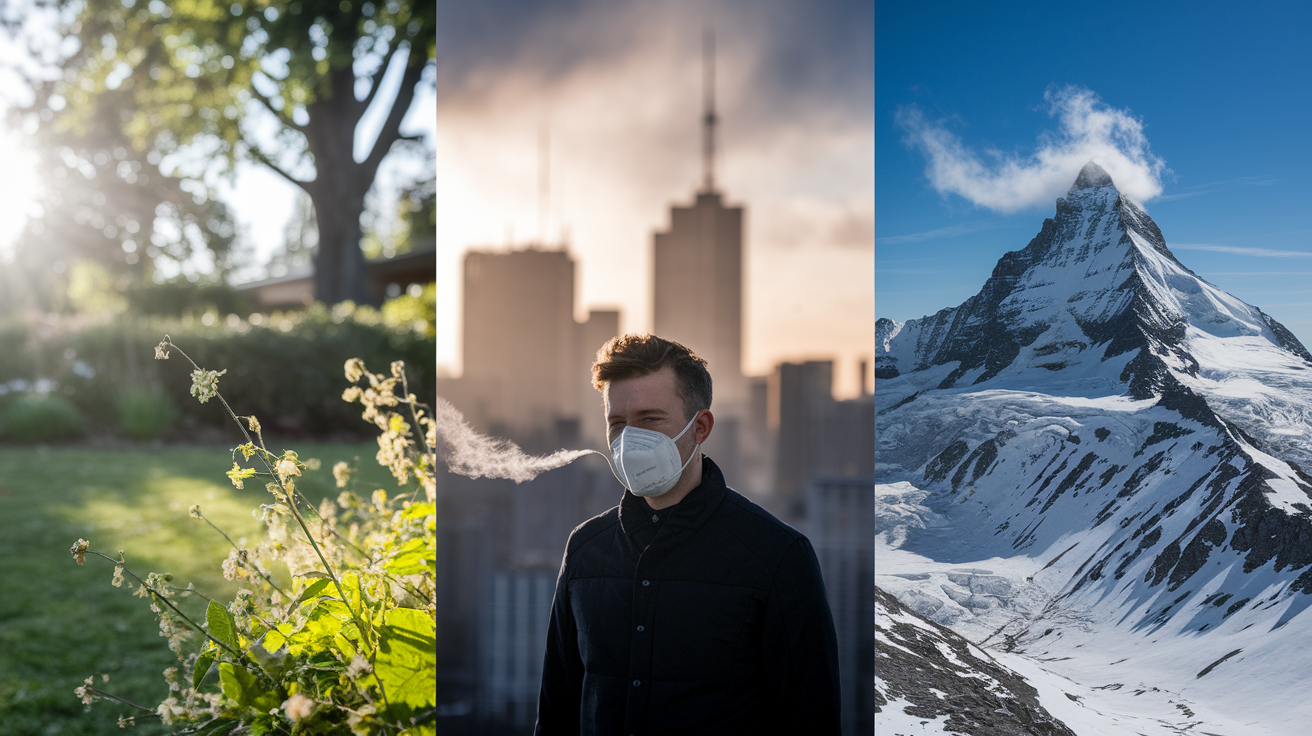
Sometimes breathing trouble is situational and goes away once you leave the trigger behind. Allergens like pollen, dust mites, pet dander, and mold spores can inflame airways in sensitive people, causing wheeze, cough, and tightness that clear up with antihistamines or a change of environment. Air pollution from traffic exhaust, industrial emissions, or wildfire smoke irritates lung lining and makes asthma or COPD worse, especially during high alert air quality days.
Extreme temperatures stress your respiratory system. Cold air can trigger bronchospasm in people with asthma, while very hot and humid conditions make it harder to breathe comfortably even for healthy individuals. High altitude reduces available oxygen, leading to altitude sickness. Headache, nausea, and breathlessness that usually improve within one to two days as your body adjusts. Chemical fumes from cleaning products, paint, or industrial solvents can cause acute irritation and breathlessness that goes away after you get fresh air.
Common temporary and environmental triggers:
Seasonal pollen (tree, grass, weed) during allergy season.
Household dust and pet dander.
Wildfire smoke or urban smog on poor air quality days.
Cold air or sudden temperature drops, especially during winter exercise.
High altitude above 8,000 feet without acclimatization.
Strong chemical odors from paint, cleaners, or pesticides.
Anxiety and Stress Related Breathing Problems

Anxiety and panic attacks can make you feel like you can’t get enough air, even when your lungs and heart are perfectly healthy. The sensation often starts during or right after a stressful event. Rapid, shallow breathing or deep gasping, chest tightness, tingling in your fingers or around your mouth, and a racing heartbeat. The more you focus on the breathlessness, the more anxious you become, which can make things worse.
What separates anxiety related breathlessness from a medical emergency is context and associated symptoms. Anxiety episodes usually happen during stress, come with other anxiety signs like sweating or trembling, and don’t include blue lips, chest pain radiating to your arm, or one sided leg swelling. If you know you have panic disorder and recognize the pattern, slow breathing techniques can help. Inhale through your nose for two counts, pucker your lips, and exhale slowly for four or more counts. That said, never assume breathlessness is “just anxiety” without ruling out physical causes first, especially if it’s new or comes with red flag symptoms. A clinician can help you tell the difference and treat both the anxiety and any underlying medical issues.
Related Symptoms That Help Identify the Cause
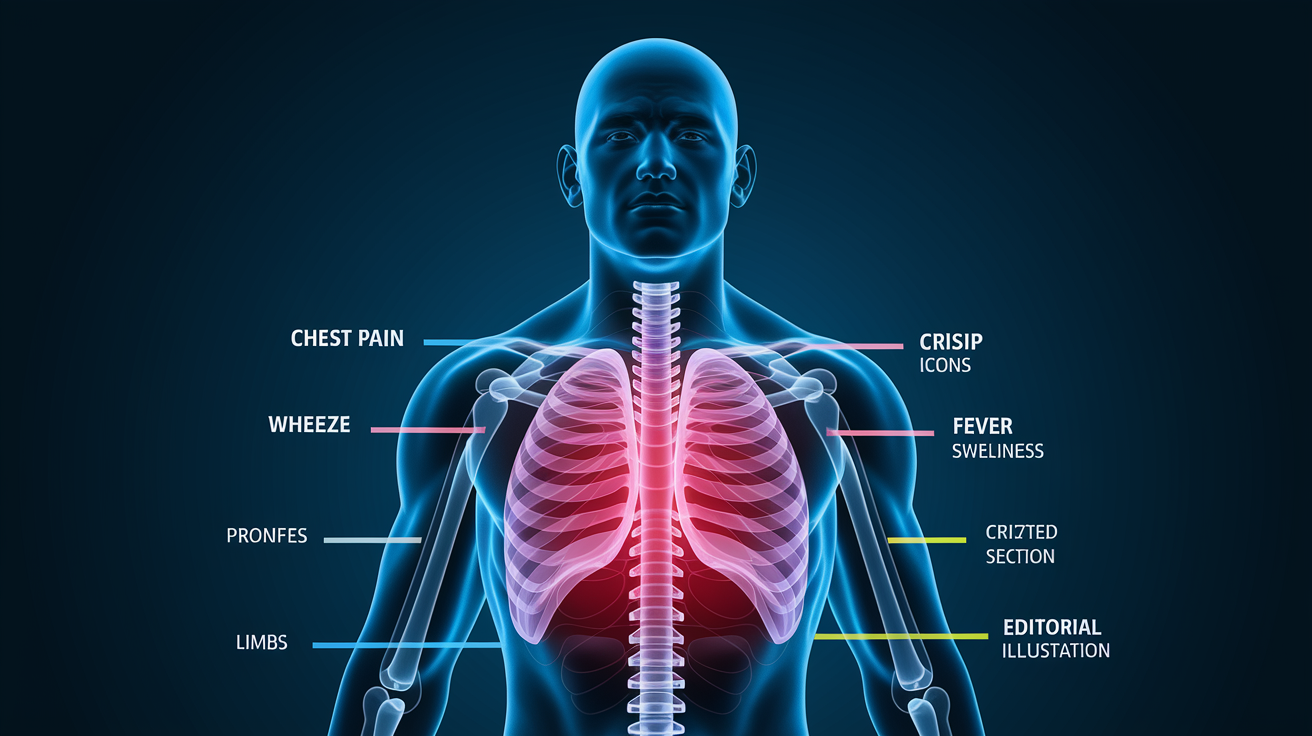
Difficulty breathing rarely shows up alone. The symptoms that come with it often point toward the underlying problem. Chest pain or pressure alongside breathlessness raises concern for heart attack, pulmonary embolism, or pneumothorax. Wheezing (a high pitched whistling sound when you breathe) suggests airway narrowing from asthma, COPD, or an allergic reaction. Fever and productive cough with colored sputum usually mean pneumonia or bronchitis.
Key accompanying symptoms and what they suggest:
Chest pain or pressure can mean heart attack, pulmonary embolism, or pneumothorax.
Wheezing points to asthma, COPD, severe allergic reaction, or bronchitis.
Fever and cough with mucus usually signal pneumonia or other respiratory infection.
Swelling in your ankles, feet, or abdomen suggests heart failure or fluid retention.
Rapid or irregular heartbeat may indicate arrhythmia, heart failure, or severe anemia.
Blue lips, fingertips, or skin mean severely low blood oxygen.
Dizziness, fainting, or confusion could be carbon monoxide poisoning, severe heart problem, or very low oxygen.
Sudden leg swelling or pain raises concern for deep vein thrombosis, which can lead to pulmonary embolism.
Risk Factors for Developing Breathing Problems

Some people face higher odds of breathing trouble because of lifestyle, genetics, or existing health conditions. Smoking tops the list. It damages airways and lung tissue, raising risk for COPD, lung cancer, and worsening asthma. Obesity stresses your heart and lungs, makes your diaphragm work harder, and increases likelihood of sleep apnea and heart failure. A sedentary lifestyle leads to deconditioning, meaning even mild activity feels harder than it should.
Family history matters, too. If close relatives have asthma, allergies, or heart disease, your risk climbs. Chronic illnesses like diabetes, high blood pressure, and autoimmune diseases increase the chance of heart failure, lung complications, and infections. Workplace or environmental exposure to dust, chemicals, asbestos, or secondhand smoke over years can scar lungs or trigger chronic inflammation. Age plays a role. Older adults are more vulnerable to pneumonia, heart failure, and blood clots. Recognizing your risk factors helps you and your clinician watch for early signs and take preventive steps like vaccinations, smoking cessation, weight management, and regular checkups.
When to Seek Emergency Care

Knowing when to call 911 versus scheduling a doctor’s appointment can be lifesaving. If breathlessness is sudden, severe, or comes with certain warning signs, don’t wait. Get emergency help. Trying to tough it out or hoping symptoms will pass on their own can lead to permanent damage or death from conditions like heart attack, pulmonary embolism, or severe asthma.
Call 911 or go to the emergency room immediately if you have:
Severe breathlessness that makes it hard to speak more than a few words or prevents you from functioning.
Chest pain or pressure lasting more than a few minutes, or pain that goes away and comes back.
Blue or gray lips, fingertips, or skin, signaling very low oxygen levels.
Sudden swelling, warmth, or pain in one leg, especially if you’ve been sitting for long periods or recently had surgery.
Rapid swelling of your face, lips, tongue, or throat after eating, taking medicine, or getting stung.
Breathlessness that doesn’t improve after 30 minutes of rest, or symptoms that are getting worse despite using your prescribed inhaler.
How Difficulty Breathing Is Diagnosed
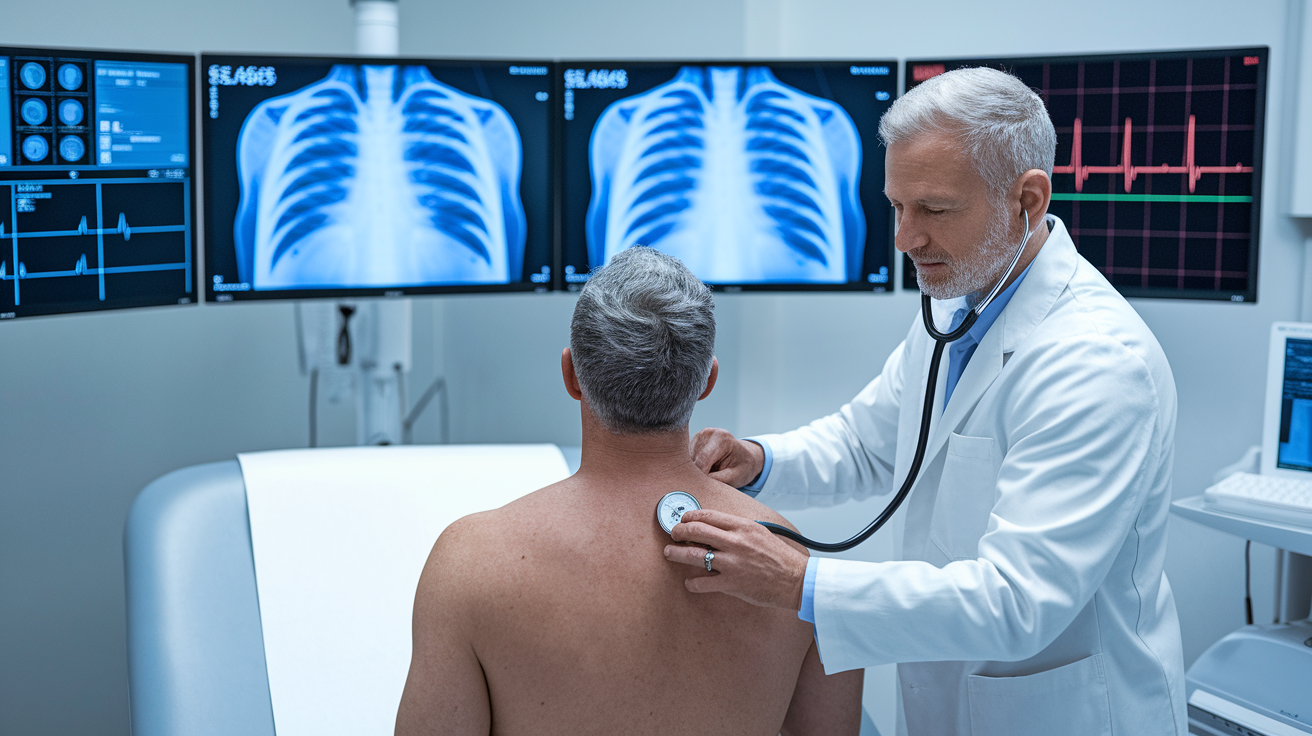
When you see a clinician for breathing trouble, the first step is a detailed history and physical exam. Expect questions about when symptoms started, what makes them better or worse, whether you have chest pain or fever, and your smoking history or exposure to allergens. The clinician will listen to your lungs with a stethoscope for wheezes, crackles, or reduced breath sounds, check your heart rate and rhythm, and look at the color of your lips and fingertips.
From there, testing depends on what the exam suggests. Pulse oximetry (a small clip on your fingertip) measures blood oxygen saturation in seconds. Anything below 92 percent usually prompts further workup. A chest X-ray can reveal pneumonia, fluid in your lungs, a collapsed lung, or an enlarged heart. An electrocardiogram (ECG) records electrical activity to spot heart attack, arrhythmia, or strain from a pulmonary embolism. Blood tests might include a complete blood count to check for anemia or infection, D-dimer to assess clot risk, and arterial blood gas to measure oxygen and carbon dioxide levels precisely when respiratory failure is suspected.
For chronic or unclear cases, you might need a CT scan of your chest for detailed lung images, pulmonary function tests (spirometry) to measure airflow and lung capacity, or an echocardiogram to evaluate heart structure and pumping strength. These tests help pinpoint whether the problem is in your lungs, heart, blood, or elsewhere, so treatment can target the right cause.
Treatment Options Based on the Underlying Cause

Treatment varies widely depending on what’s causing your breathing difficulty. Asthma and COPD are managed with inhaled medications. Short acting bronchodilators like albuterol for quick relief during flare ups, and long acting inhalers or corticosteroids to control inflammation and prevent attacks. Pneumonia caused by bacteria requires antibiotics, while viral pneumonia is treated with rest, fluids, and symptom management. Heart failure often needs diuretics to remove excess fluid, along with medications to strengthen heart function and lower blood pressure.
Pulmonary embolism is treated with blood thinners to prevent new clots and, in severe cases, clot busting drugs or surgical removal. Anaphylaxis demands immediate intramuscular epinephrine, followed by antihistamines and steroids in the emergency department. Anemia treatment depends on the cause. Iron supplements for iron deficiency, vitamin B12 or folate for deficiency anemias, or blood transfusion when levels are dangerously low. Anxiety related breathlessness improves with stress management, cognitive behavioral therapy, and sometimes anti anxiety medication.
Supportive measures that help across many conditions:
Pursed lip breathing involves sitting comfortably, inhaling through your nose for two counts, puckering your lips, and exhaling slowly for four or more counts to reduce air trapping and calm breathing.
Oxygen therapy gets prescribed when blood oxygen is very low, delivered by nasal tube or mask to maintain safe saturation levels.
Smoking cessation is the single most effective step to slow COPD progression and reduce asthma attacks.
Physical activity and rehabilitation through pulmonary or cardiac rehab programs teach breathing techniques, build endurance, and improve quality of life for chronic conditions.
Weight management and smaller meals help by losing excess weight to ease strain on your heart and lungs. Eating smaller, more frequent meals prevents a full stomach from pushing up on your diaphragm.
Final Words
You read clear, scannable lists of urgent causes, common chronic problems, environmental triggers, anxiety-related breathing issues, related symptoms, risk factors, diagnostic steps, and treatment options.
Track when it started, what brings it on, how bad it feels, and any other symptoms. That helps you and your clinician decide next steps and spot emergencies.
If you’re asking what causes difficulty breathing for you, tracking details and getting timely care usually leads to effective treatment and safer days ahead.
FAQ
Q: What are the top 3 causes of shortness of breath?
A: The top three causes of shortness of breath are chronic lung disease (asthma or COPD), heart failure, and pulmonary embolism (a blood clot in the lung), each reducing oxygen flow or breathing ability.
Q: Why am I suddenly struggling to breathe?
A: Sudden struggling to breathe is often caused by an acute problem—severe asthma attack, pulmonary embolism (lung blood clot), heart attack, anaphylaxis, or panic; seek urgent care if breathing worsens or you can’t speak.
Q: What are the three signs of breathing difficulty?
A: The three signs of breathing difficulty are shortness of breath at rest or with little activity, noisy breathing or wheeze, and trouble speaking in full sentences without pausing for breath.
Q: When should you worry about difficulty breathing?
A: You should worry about difficulty breathing when it starts suddenly, gets worse quickly, or comes with chest pain, fainting, blue lips or face, confusion, high fever, or inability to speak full sentences.